Paul M. Hasegawa – författare
Visar alla böcker från författaren Paul M. Hasegawa. Handla med fri frakt och snabb leverans.
7 produkter
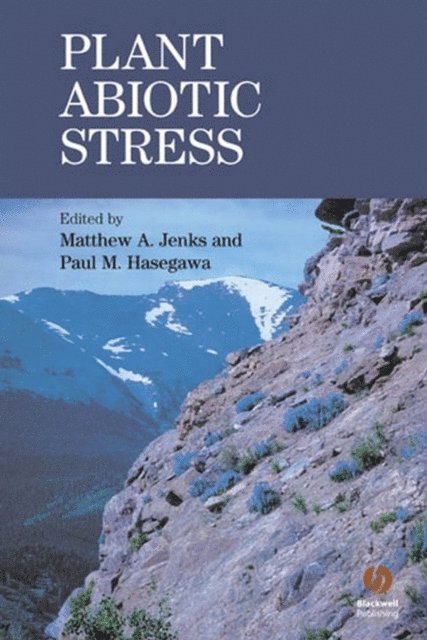
Plant Abiotic Stress
Av Paul M. Hasegawa, Matthew A. Jenks
E-bok, 2008
3193 kr
Lägg i varukorg
Over the past decade, our understanding of plant adaptation to environmental stress has grown considerably. This book focuses on stress caused by the inanimate components of the environment associated with climatic, edaphic and physiographic factors that substantially limit plant growth and …
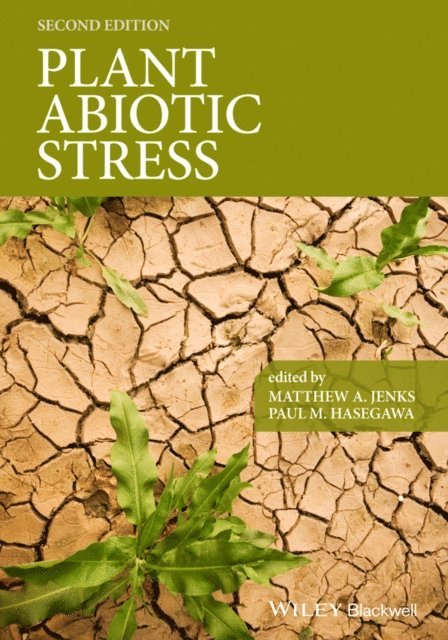
Plant Abiotic Stress
Av Matthew A. Jenks, Paul M. Hasegawa
Inbunden, 2014
2587 kr
Lägg i varukorg
A fully revised review of the latest research in molecular basis of plant abiotic stress response and adaptationAbiotic stressors are non-living environmental stressors that can have a negative impact on a plants ability to grow and thrive in a given environment. Stressors can range from …
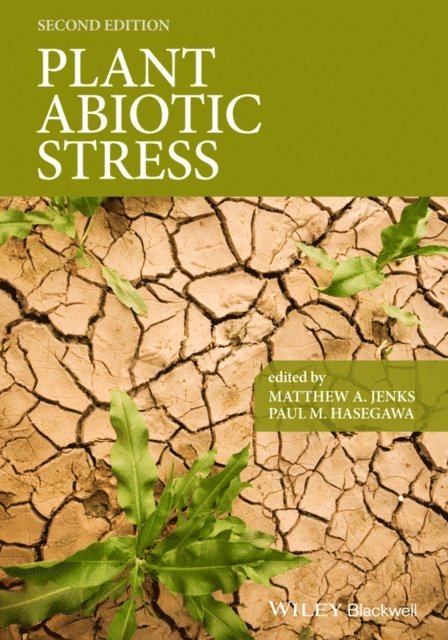
Plant Abiotic Stress
Av Paul M. Hasegawa, Matthew A. Jenks
E-bok, 2013
2965 kr
Lägg i varukorg
A fully revised review of the latest research in molecular basis of plant abiotic stress response and adaptation Abiotic stressors are non-living environmental stressors that can have a negative impact on a plants ability to grow and thrive in a given environment. Stressors can range from …
Plant Abiotic Stress
Av Paul M. Hasegawa, Matthew A. Jenks
E-bok, 2013
2965 kr
Lägg i varukorg
A fully revised review of the latest research in molecular basis of plant abiotic stress response and adaptation Abiotic stressors are non-living environmental stressors that can have a negative impact on a plants ability to grow and thrive in a given environment. Stressors can range from …
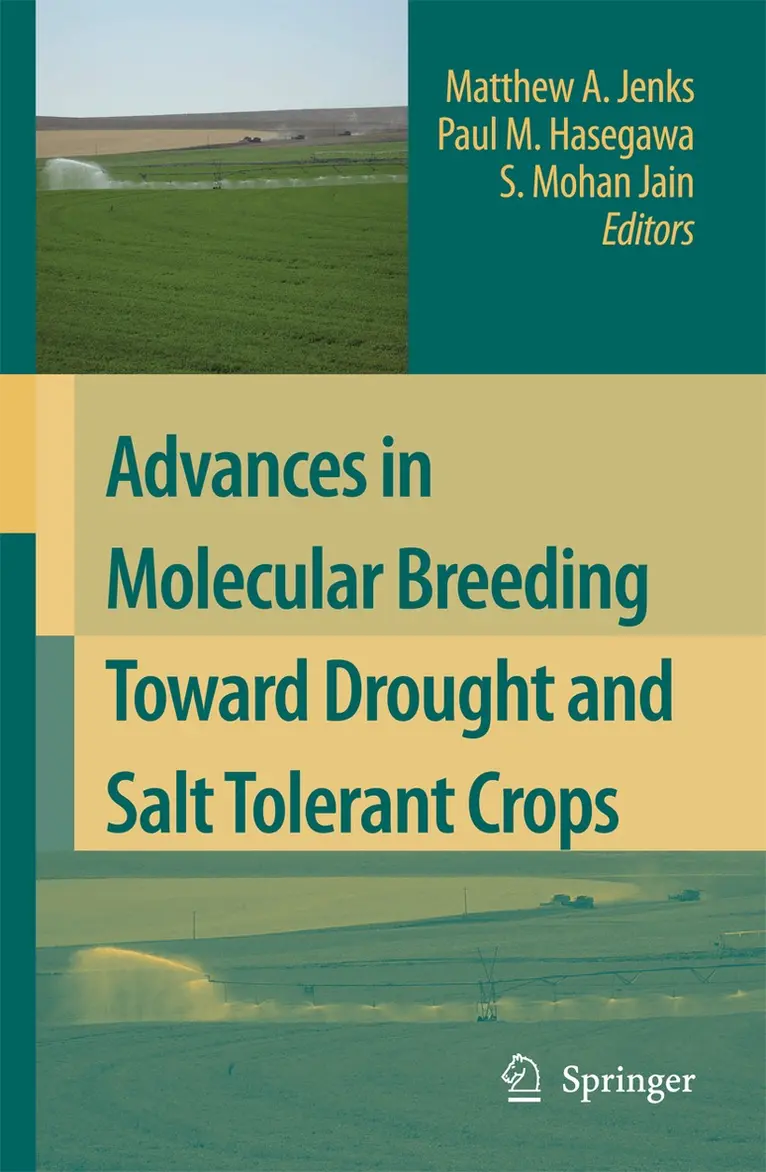
Advances in Molecular Breeding Toward Drought and Salt Tolerant Crops
Av Matthew A. Jenks, Paul M. Hasegawa m. fl.
Inbunden, 2007
3279 kr
Lägg i varukorg
Plant stress caused by drought and salinity are among the major constraints on crop production and food security worldwide. Breeding programs to improve crop yield in dry and saline environments have progressed slowly due to our limited understanding of the underlying physiological, biochemical, …
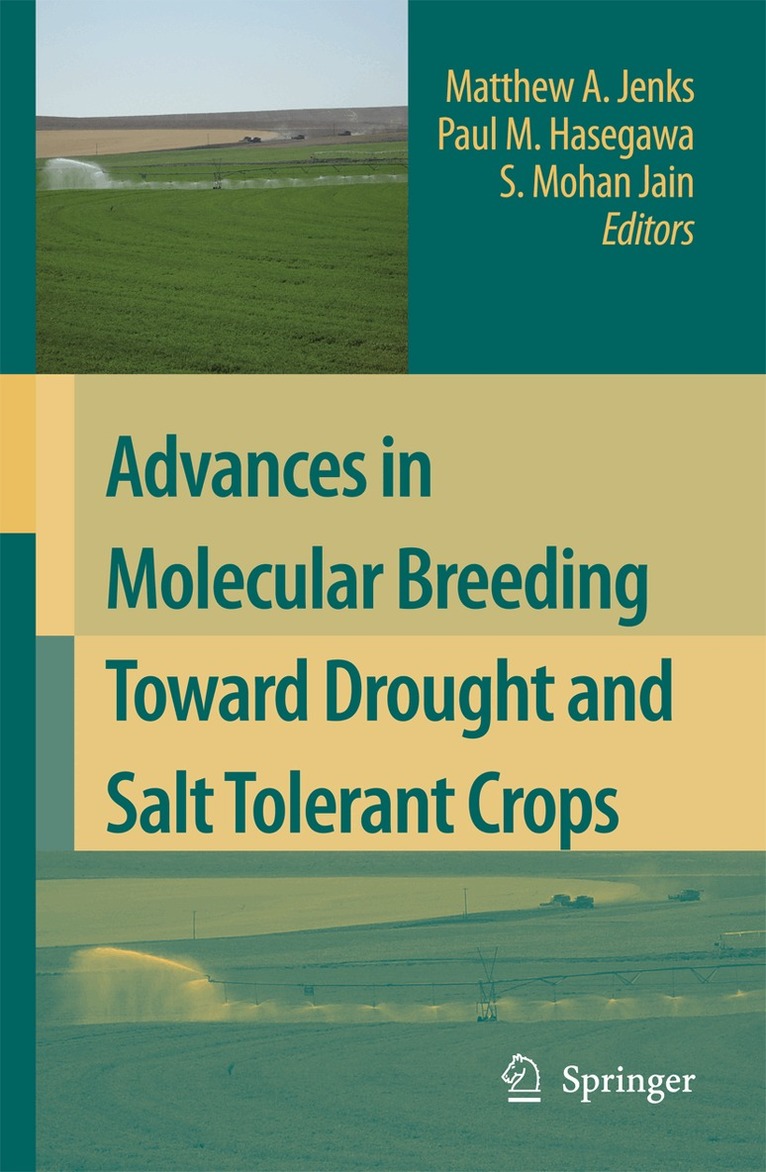
Advances in Molecular Breeding Toward Drought and Salt Tolerant Crops
Av Shri Mohan Jain, Paul M. Hasegawa m. fl.
E-bok, 2007
3945 kr
Lägg i varukorg
Plant stress caused by drought and salinity are among the major constraints on crop production and food security worldwide. Breeding programs to improve crop yield in dry and saline environments have progressed slowly due to our limited understanding of the underlying physiological, biochemical, …
Advances in Molecular Breeding Toward Drought and Salt Tolerant Crops
Av Matthew A. Jenks, Paul M. Hasegawa m. fl.
Häftad, 2016
3272 kr
Lägg i varukorg
Plant stress caused by drought and salinity are among the major constraints on crop production and food security worldwide. Breeding programs to improve crop yield in dry and saline environments have progressed slowly due to our limited understanding of the underlying physiological, biochemical, …