Paul M. Pressly – Författare
Visar alla böcker från författaren Paul M. Pressly. Handla med fri frakt och snabb leverans.
6 produkter
6 produkter
1 236 kr
Skickas inom 5-8 vardagar
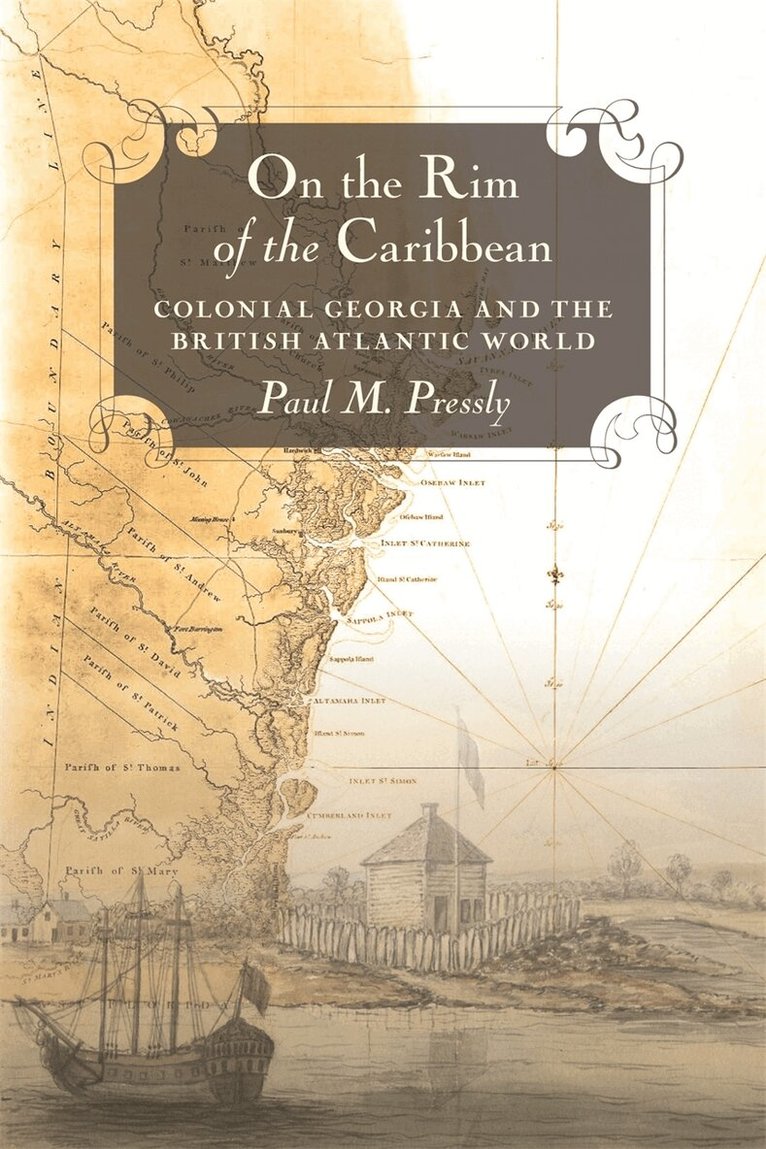
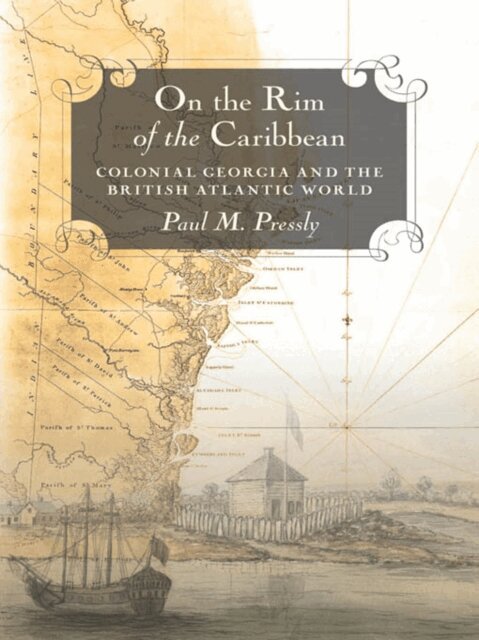
How did colonial Georgia, an economic backwater in its early days, make its way into the burgeoning Caribbean and Atlantic economies where trade spilled over national boundaries, merchants operated in multiple markets, and the transport of enslaved Africans bound together four continents?In On the Rim of the Caribbean, Paul M. Pressly interprets Georgia's place in the Atlantic world in light of recent work in transnational and economic history. He considers how a tiny elite of newly arrived merchants, adapting to local culture but loyal to a larger vision of the British empire, led the colony into overseas trade. From this perspective, Pressly examines the ways in which Georgia came to share many of the characteristics of the sugar islands, how Savannah developed as a "Caribbean" town, the dynamics of an emerging slave market, and the role of merchant-planters as leaders in forging a highly adaptive economic culture open to innovation. The colony's rapid growth holds a larger story: how a frontier where Carolinians played so large a role earned its own distinctive character.Georgia's slowness in responding to the revolutionary movement, Pressly maintains, had a larger context. During the colonial era, the lowcountry remained oriented to the West Indies and Atlantic and failed to develop close ties to the North American mainland as had South Carolina. He suggests that the American Revolution initiated the process of bringing the lowcountry into the orbit of the mainland, a process that would extend well beyond the Revolution.
454 kr
Skickas inom 5-8 vardagar
How did colonial Georgia, an economic backwater in its early days, make its way into the burgeoning Caribbean and Atlantic economies where trade spilled over national boundaries, merchants operated in multiple markets, and the transport of enslaved Africans bound together four continents?In On the Rim of the Caribbean, Paul M. Pressly interprets Georgia's place in the Atlantic world in light of recent work in transnational and economic history. He considers how a tiny elite of newly arrived merchants, adapting to local culture but loyal to a larger vision of the British empire, led the colony into overseas trade. From this perspective, Pressly examines the ways in which Georgia came to share many of the characteristics of the sugar islands, how Savannah developed as a "Caribbean" town, the dynamics of an emerging slave market, and the role of merchant-planters as leaders in forging a highly adaptive economic culture open to innovation. The colony's rapid growth holds a larger story: how a frontier where Carolinians played so large a role earned its own distinctive character.Georgia's slowness in responding to the revolutionary movement, Pressly maintains, had a larger context. During the colonial era, the lowcountry remained oriented to the West Indies and Atlantic and failed to develop close ties to the North American mainland as had South Carolina. He suggests that the American Revolution initiated the process of bringing the lowcountry into the orbit of the mainland, a process that would extend well beyond the Revolution.
1 523 kr
Skickas inom 5-8 vardagar
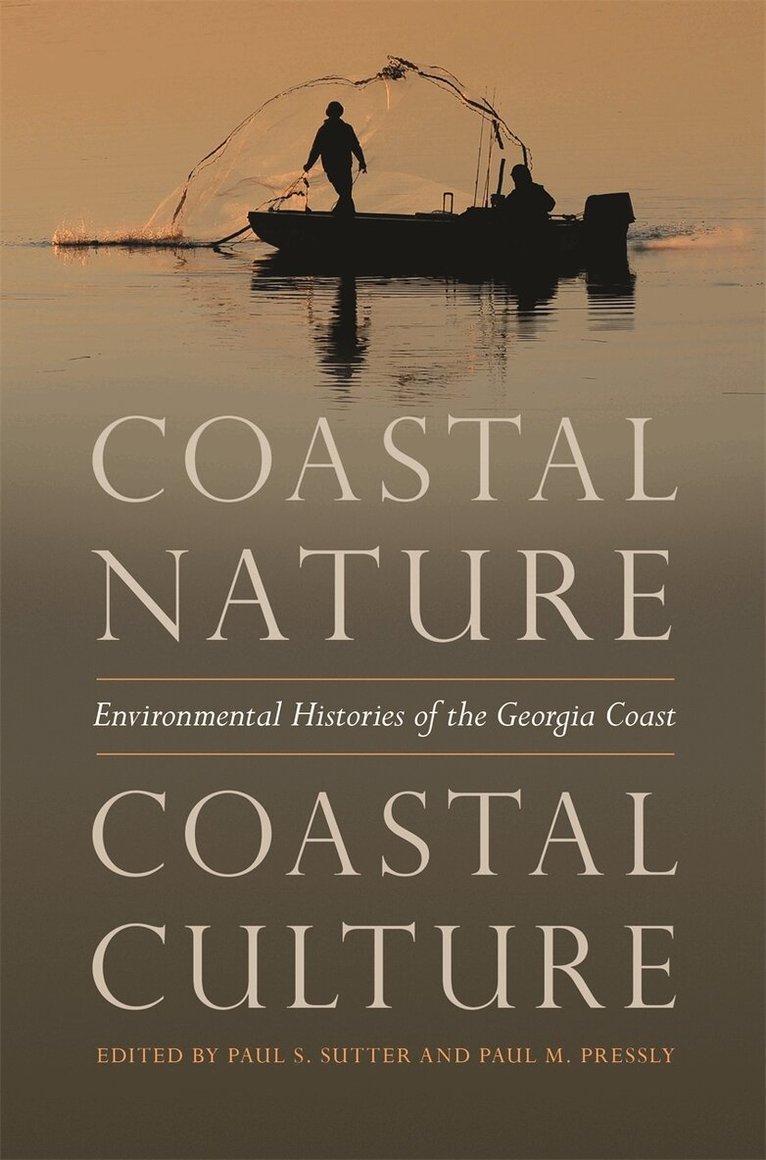
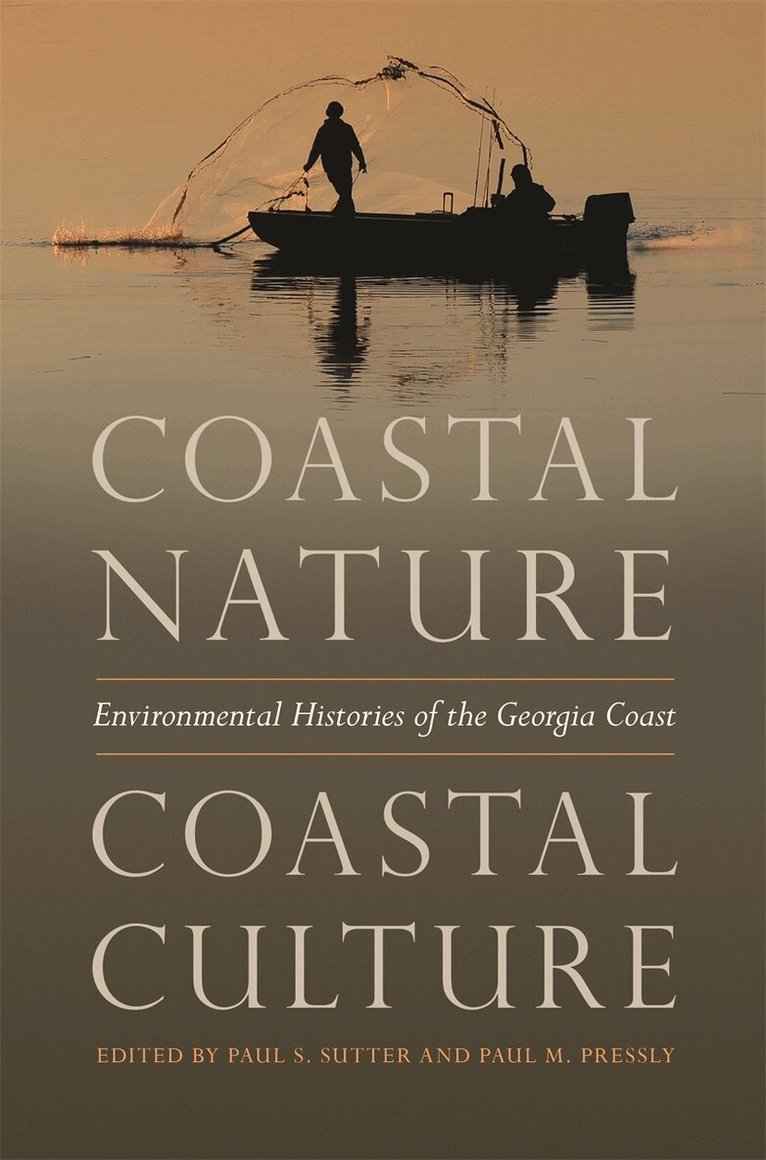
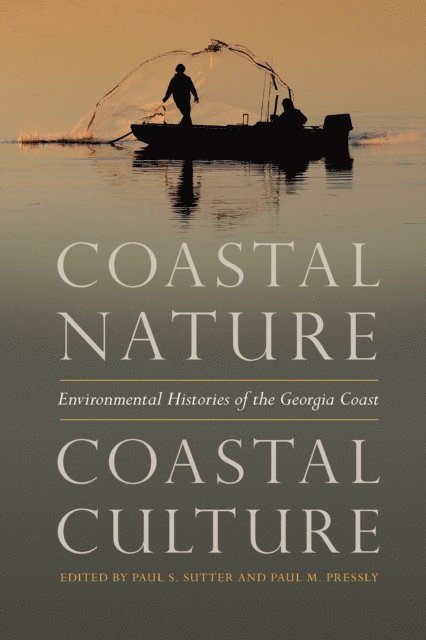
One of the unique features of the Georgia coast today is its thorough conservation. At first glance, it seems to be a place where nature reigns. But another distinctive feature of the coast is its deep and diverse human history. Indeed, few places that seem so natural hide so much human history. In Coastal Nature, Coastal Culture, editors Paul S. Sutter and Paul M. Pressly have brought together work from leading historians as well as environmental writers and activists that explores how nature and culture have coexisted and interacted across five millennia of human history along the Georgia coast, as well as how those interactions have shaped the coast as we know it today.The essays in this volume examine how successive communities of Native Americans, Spanish missionaries, British imperialists and settlers, planters, enslaved Africans, lumbermen, pulp and paper industrialists, vacationing northerners, Gullah-Geechee, nature writers, environmental activists, and many others developed distinctive relationships with the environment and produced well- defined coastal landscapes. Together these histories suggest that contemporary efforts to preserve and protect the Georgia coast must be as respectful of the rich and multifaceted history of the coast as they are of natural landscapes, many of them restored, that now define so much of the region.Contributors: William Boyd, S. Max Edelson, Edda L. Fields-Black, Christopher J. Manganiello, Tiya Miles, Janisse Ray, Mart A. Stewart, Drew A. Swanson, David Hurst Thomas, and Albert G. Way.
550 kr
Skickas inom 5-8 vardagar
One of the unique features of the Georgia coast today is its thorough conservation. At first glance, it seems to be a place where nature reigns. But another distinctive feature of the coast is its deep and diverse human history. Indeed, few places that seem so natural hide so much human history. In Coastal Nature, Coastal Culture, editors Paul S. Sutter and Paul M. Pressly have brought together work from leading historians as well as environmental writers and activists that explores how nature and culture have coexisted and interacted across five millennia of human history along the Georgia coast, as well as how those interactions have shaped the coast as we know it today.The essays in this volume examine how successive communities of Native Americans, Spanish missionaries, British imperialists and settlers, planters, enslaved Africans, lumbermen, pulp and paper industrialists, vacationing northerners, Gullah-Geechee, nature writers, environmental activists, and many others developed distinctive relationships with the environment and produced well- defined coastal landscapes. Together these histories suggest that contemporary efforts to preserve and protect the Georgia coast must be as respectful of the rich and multifaceted history of the coast as they are of natural landscapes, many of them restored, that now define so much of the region.Contributors: William Boyd, S. Max Edelson, Edda L. Fields-Black, Christopher J. Manganiello, Tiya Miles, Janisse Ray, Mart A. Stewart, Drew A. Swanson, David Hurst Thomas, and Albert G. Way.
Southern Underground Railroad
Black Georgians and the Promise of Spanish Florida and Indian Country
Inbunden, Engelska, 2024
1 726 kr
Skickas inom 3-6 vardagar
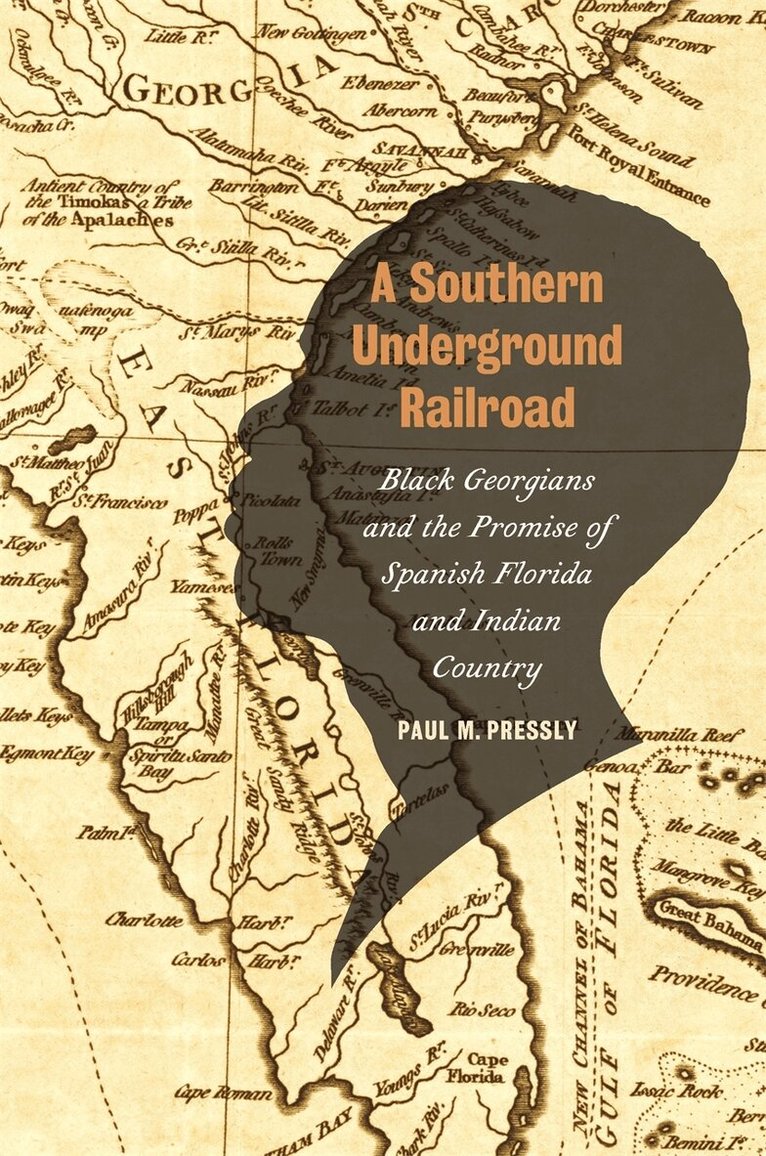
Despite its apparent isolation as an older region of the country, the Southeast provided a vital connecting link between the Black self-emancipation that occurred during the American Revolution and the growth of the Underground Railroad in the final years of the antebellum period. From the beginning of the revolutionary war to the eve of the First Seminole War in 1817, hundreds and eventually several thousand Africans and African Americans in Georgia, and to a lesser extent South Carolina, crossed the borders and boundaries that separated the Lowcountry from the British and Spanish in coastal Florida and from the Seminole and Creek people in the vast interior of the Southeast. Even in times of peace, there remained a steady flow of individuals moving south and southwest, reflecting the aspirations of a captive people. A Southern Underground Railroad constitutes a powerful counter-narrative in American history, a tale of how enslaved men and women found freedom and human dignity not in Jefferson’s “Empire of Liberty” but outside the expanding boundaries of the United States. It is a potent reminder of the strength of Black resistance in the post-revolutionary South and the ability of this community to influence the balance of power in a contested region. Paul M. Pressly’s research shows that their movement across borders was an integral part of the sustained struggle for dominance in the Southeast not only among the Great Powers but also among the many different racial, ethnic, and religious groups that inhabited the region and contended for control.
Southern Underground Railroad
Black Georgians and the Promise of Spanish Florida and Indian Country
Häftad, Engelska, 2024
364 kr
Skickas
Despite its apparent isolation as an older region of the country, the Southeast provided a vital connecting link between the Black self-emancipation that occurred during the American Revolution and the growth of the Underground Railroad in the final years of the antebellum period. From the beginning of the revolutionary war to the eve of the First Seminole War in 1817, hundreds and eventually several thousand Africans and African Americans in Georgia, and to a lesser extent South Carolina, crossed the borders and boundaries that separated the Lowcountry from the British and Spanish in coastal Florida and from the Seminole and Creek people in the vast interior of the Southeast. Even in times of peace, there remained a steady flow of individuals moving south and southwest, reflecting the aspirations of a captive people. A Southern Underground Railroad constitutes a powerful counter-narrative in American history, a tale of how enslaved men and women found freedom and human dignity not in Jefferson’s “Empire of Liberty” but outside the expanding boundaries of the United States. It is a potent reminder of the strength of Black resistance in the post-revolutionary South and the ability of this community to influence the balance of power in a contested region. Paul M. Pressly’s research shows that their movement across borders was an integral part of the sustained struggle for dominance in the Southeast not only among the Great Powers but also among the many different racial, ethnic, and religious groups that inhabited the region and contended for control.