Paul Senior - Böcker
Visar alla böcker från författaren Paul Senior. Handla med fri frakt och snabb leverans.
3 produkter
3 produkter
747 kr
Skickas inom 3-6 vardagar
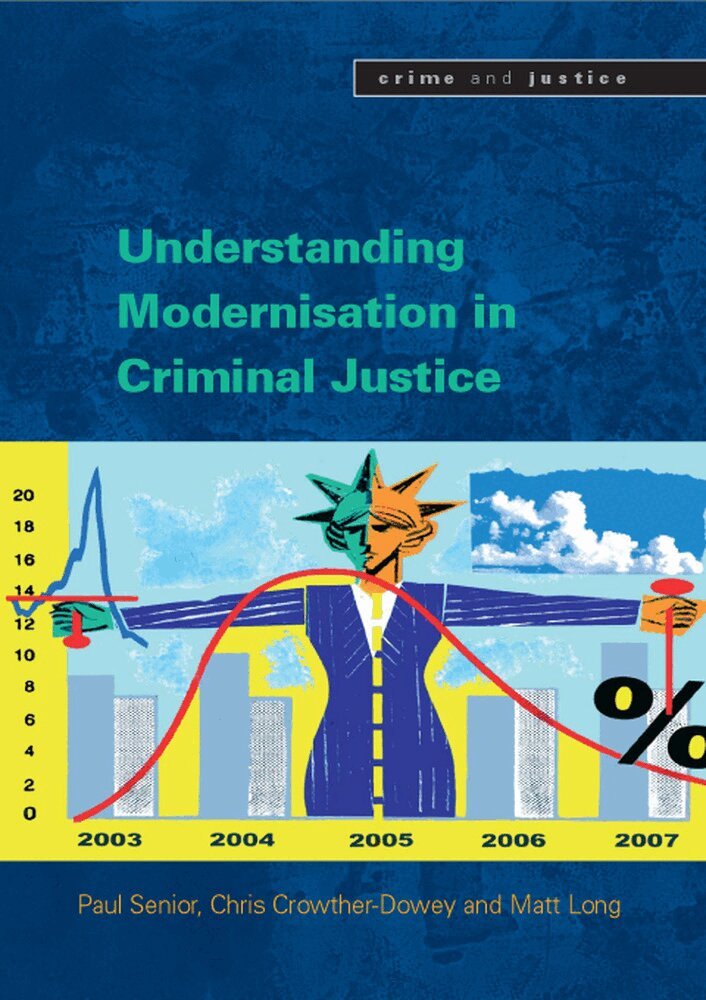
How have different criminal justice agencies responded to the modernization process? What forms does modernization take? What lessons can be drawn to influence the future shape of criminal justice policy? Understanding Modernization in Criminal Justice is the first book to theorize modernization in the context of criminal justice. It provides a historically informed account tracing the evolving links between new public management and modernization as well as proposing a conceptual framework for understanding the impact of policies on each criminal justice agency in England and Wales. A variety of political strategies and tactics are identified, which contribute to the reform process. The extent of vulnerability, capacity for resistance or potential for transformation in each individual key agency is explored, including strategies of censure, compliance and commitment. The authors go on to analyse how these processes have occurred in an international context, in particular, the relationship between drivers of global crime and their impact in the context of England and Wales. This will challenge policy makers in all jurisdictions to consider the potential impact of new public management.The book concludes with a look ahead, anticipating developments in criminal justice sector after the departure of Tony Blair and potentially post a new Labour administration. Understanding Modernization in Criminal Justice is invaluable reading for those concerned with the administration of criminal justice at both a policy and managerial level; from students and academics wishing to understand the way agencies are responding to this agenda through to penal reformers and commentators.
1 374 kr
Skickas inom 5-8 vardagar
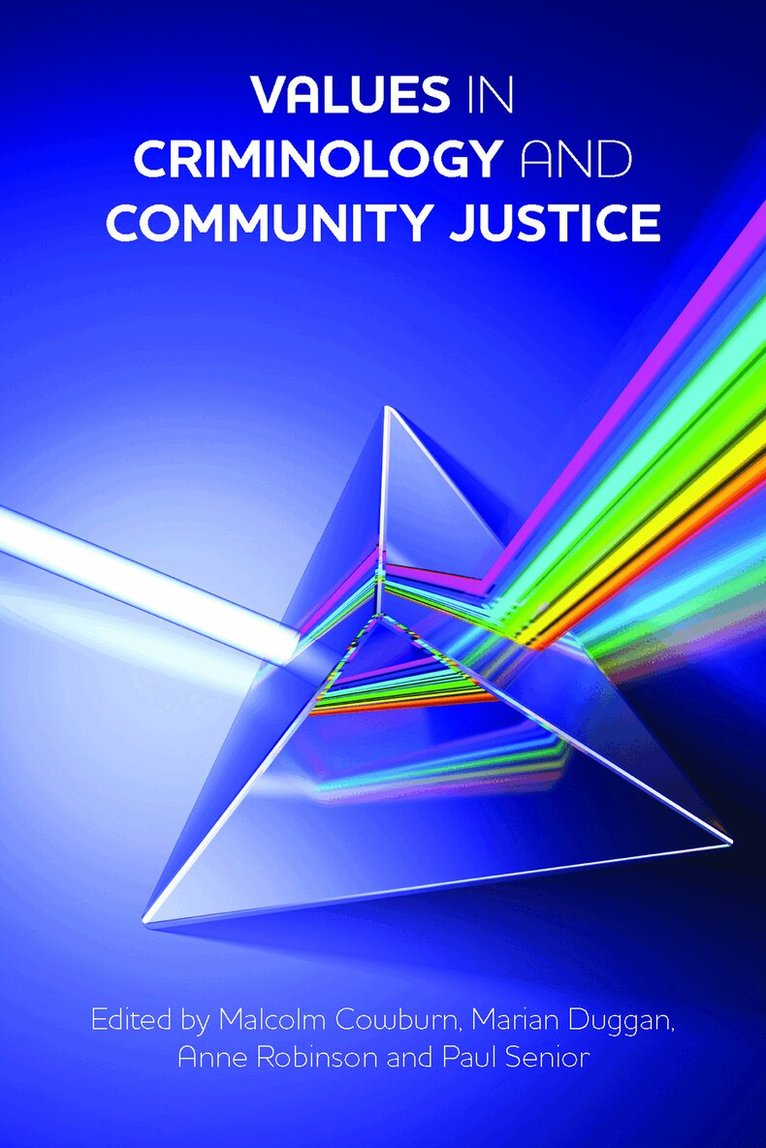
The way we think about crime and the way that society responds to it are imbued with values that can determine what is considered important and what gets attention. Sometimes values that are claimed may not be the values expressed in practice, as we see in the multiple and confusing discourses about victims and offenders, punishment and protection, rights and responsibilities. This collection of writings considers values in crime theory, criminal justice and research practice, uncovering the many different 'sides' – to echo Howard Becker's famous phrase – that criminologists, policy makers and researchers take. It spans Marxist, postmodernist and feminist perspectives on criminology, analyses of the dynamics of race, gender and age, research methods and ethics, the working of the criminal justice system and engages with current debates about new challenges for criminology, such as the green movement and Islamophobia.This is a timely and thought-provoking collection which will be of interest to academics and students in criminology and criminal justice, and on professional courses, such as probation and youth justice practice.
480 kr
Skickas inom 7-10 vardagar
The way we think about crime and the way that society responds to it are imbued with values that can determine what is considered important and what gets attention. Sometimes values that are claimed may not be the values expressed in practice, as we see in the multiple and confusing discourses about victims and offenders, punishment and protection, rights and responsibilities. This collection of writings considers values in crime theory, criminal justice and research practice, uncovering the many different 'sides' – to echo Howard Becker's famous phrase – that criminologists, policy makers and researchers take. It spans Marxist, postmodernist and feminist perspectives on criminology, analyses of the dynamics of race, gender and age, research methods and ethics, the working of the criminal justice system and engages with current debates about new challenges for criminology, such as the green movement and Islamophobia.This is a timely and thought-provoking collection which will be of interest to academics and students in criminology and criminal justice, and on professional courses, such as probation and youth justice practice.