Paul W. Drake – författare
Visar alla böcker från författaren Paul W. Drake. Handla med fri frakt och snabb leverans.
10 produkter
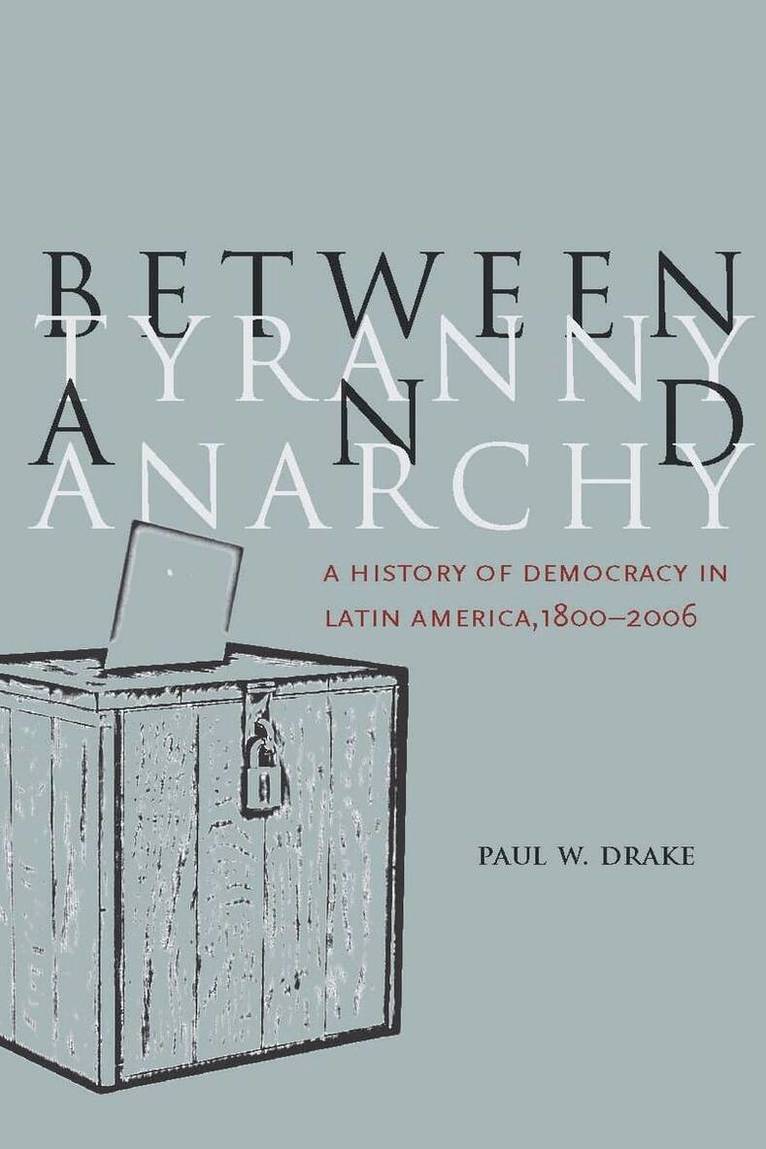
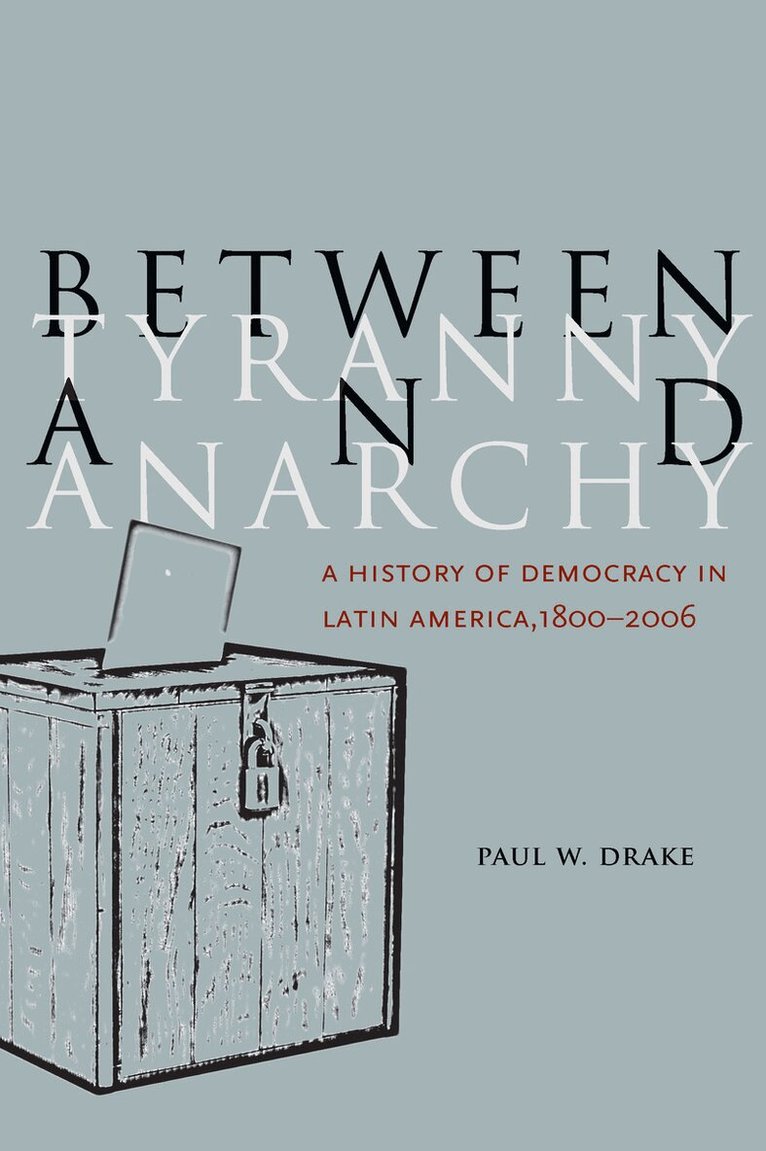
Between Tyranny and Anarchy
A History of Democracy in Latin America, 1800-2006
Inbunden, 2009
1516 kr
Lägg i varukorg
Between Tyranny and Anarchy provides a unique comprehensive history and interpretation of efforts to establish democracies over two centuries in the major Latin American countries. Drake takes an unusual interdisciplinary approach, combining history and political science with an emphasis on …
Origins of Liberty
Political and Economic Liberalization in the Modern World
Av Paul W. Drake, Mathew D. McCubbins
Häftad, 1998
574 kr
Lägg i varukorg
Why would sovereigns ever grant political or economic liberty to their subjects? Under what conditions would rational rulers who possess ultimate authority and who seek to maximize power and wealth ever give up any of that authority? This book draws on a wide array of empirical and theoretical …
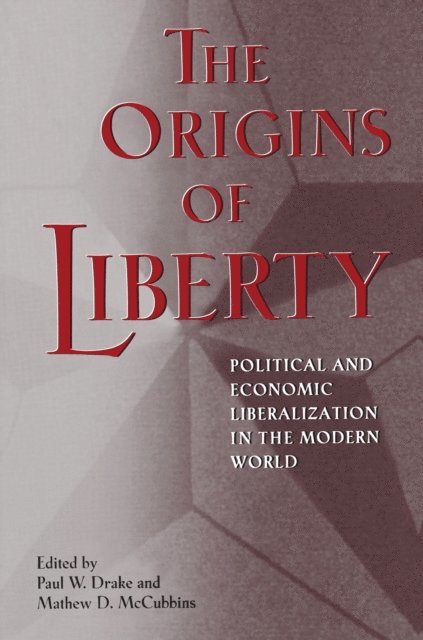
Origins of Liberty
Political and Economic Liberalization in the Modern World
Av Mathew D. McCubbins, Paul W. Drake
E-bok, 2021
791 kr
Lägg i varukorg
Why would sovereigns ever grant political or economic liberty to their subjects? Under what conditions would rational rulers who possess ultimate authority and who seek to maximize power and wealth ever give up any of that authority? This book draws on a wide array of empirical and theoretical …
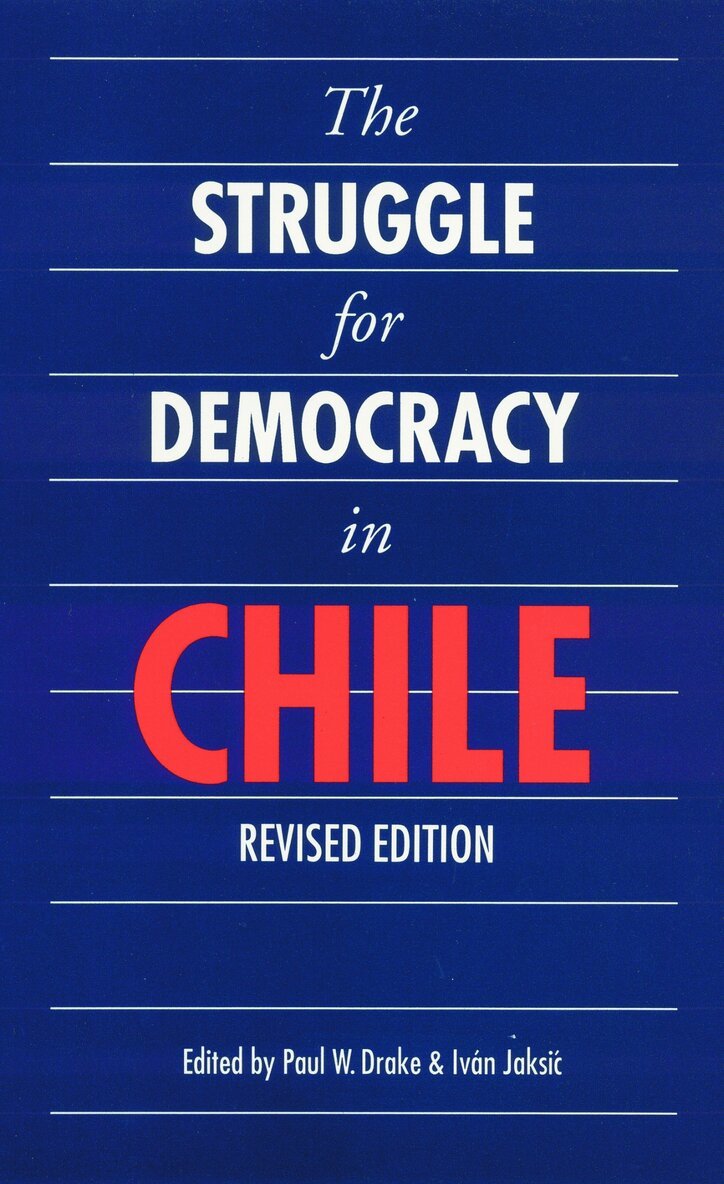
Struggle for Democracy in Chile
Häftad, 1995
387 kr
Lägg i varukorg
This revised edition of The Struggle for Democracy in Chile should prove even more useful to the student of Latin American history and politics than the original. It updates important background information on the evolution of Chile's military dictatorship in the 1970s and its erosion in the 1980s. …
Between Tyranny and Anarchy
A History of Democracy in Latin America, 1800-2006
Häftad, 2009
352 kr
Lägg i varukorg
Between Tyranny and Anarchy provides a unique comprehensive history and interpretation of efforts to establish democracies over two centuries in the major Latin American countries. Drake takes an unusual interdisciplinary approach, combining history and political science with an emphasis on …
Between Tyranny and Anarchy
A History of Democracy in Latin America, 1800-2006
E-bok, 2009
428 kr
Lägg i varukorg
Between Tyranny and Anarchy provides a unique comprehensive history and interpretation of efforts to establish democracies over two centuries in the major Latin American countries. Drake takes an unusual interdisciplinary approach, combining history and political science with an emphasis on …
Money Doctor in the Andes
U.S. Advisors, Investors, and Economic Reform in Latin America from World War I to the Great Depression
E-bok, 1989
688 kr
Lägg i varukorg
The Money Doctor in the Andes is an account of the technical assistance missions to five Andean republics—Colombia, Ecuador, Chile, Bolivia, and Peru—undertaken by Princeton University economist Edwin Walter Kemmerer during the 1920s. Drake demonstrates that in each case the Kemmerer mission …
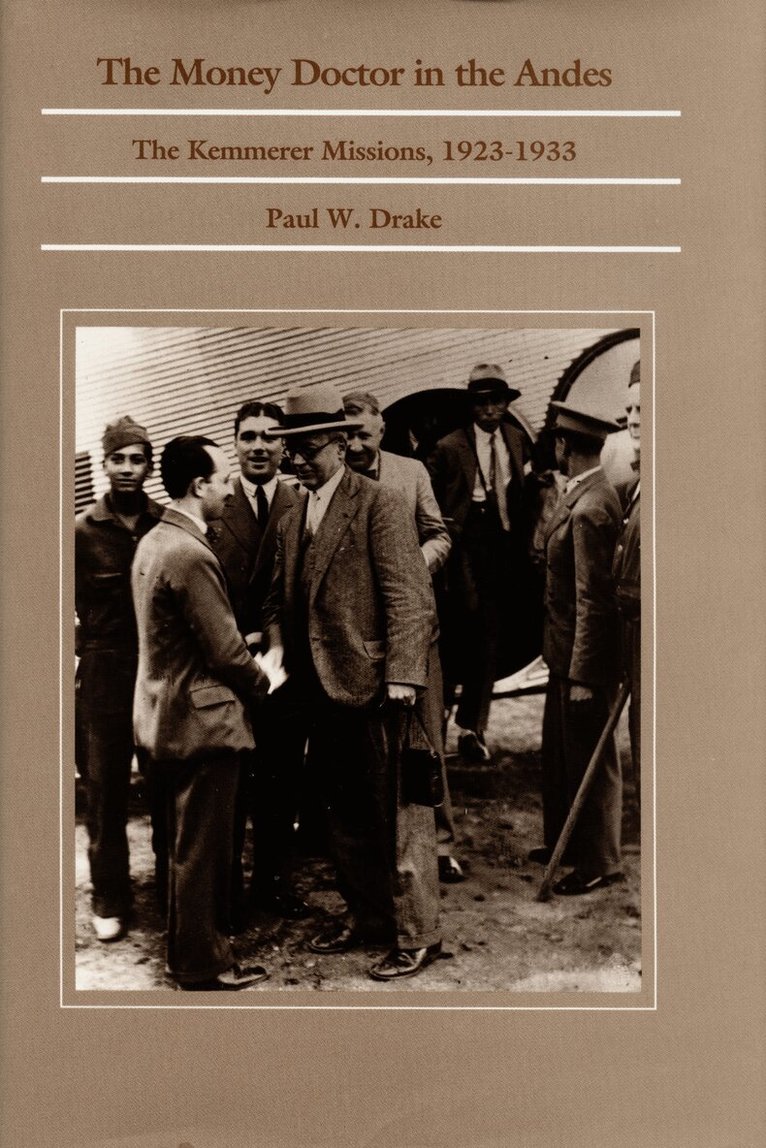
Money Doctor in the Andes
U.S. Advisors, Investors, and Economic Reform in Latin America from World War I to the Great Depression
Inbunden, 1989
1179 kr
Tillfälligt slut
The Money Doctor in the Andes is an account of the technical assistance missions to five Andean republics-Colombia, Ecuador, Chile, Bolivia, and Peru-undertaken by Princeton University economist Edwin Walter Kemmerer during the 1920s. Drake demonstrates that in each case the Kemmerer mission …
Money Doctors, Foreign Debts, and Economic Reforms in Latin America from the 1890s to the Present (Jaguar Books on Latin America)
Inbunden, 1997
719 kr
Tillfälligt slut
This is the third book in the Jaguar Series. It addresses the ways in which foreign economic advisers have affected the domestic economies of Latin America and the world economy. Divided into four sections, it lays open the interaction of money doctors with both public and private interests.
Money Doctors, Foreign Debts, and Economic Reforms in Latin America from the 1890s to the Present (Jaguar Books on Latin America)
Häftad, 1997
236 kr
Tillfälligt slut
This is the third book in the Jaguar Series. It addresses the ways in which foreign economic advisers have affected the domestic economies of Latin America and the world economy. Divided into four sections, it lays open the interaction of money doctors with both public and private interests.