Paul Wenzel Geissler - Böcker
Visar alla böcker från författaren Paul Wenzel Geissler. Handla med fri frakt och snabb leverans.
7 produkter
7 produkter
1 277 kr
Skickas inom 7-10 vardagar
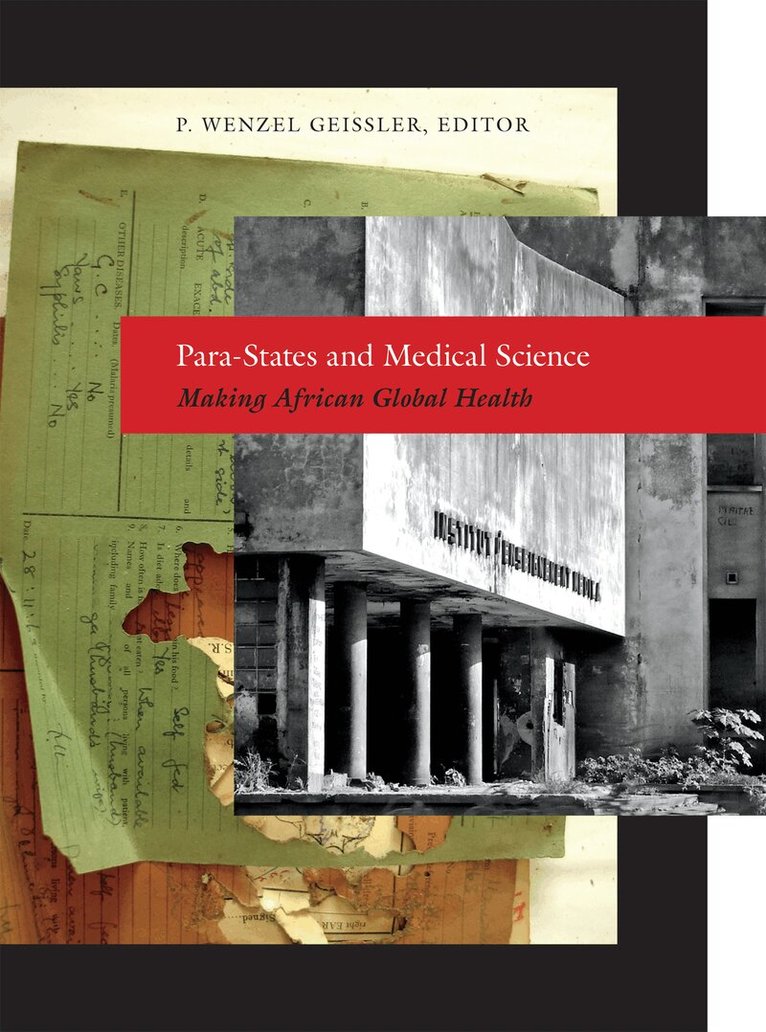
In Para-States and Medical Science, P. Wenzel Geissler and the contributors examine how medicine and public health in Africa have been transformed as a result of economic and political liberalization and globalization, intertwined with epidemiological and technological changes. The resulting fragmented medical science landscape is shaped and sustained by transnational flows of expertise and resources. NGOs, universities, pharmaceutical companies and other nonstate actors now play a significant role in medical research and treatment. But as the contributors to this volume argue, these groups have not supplanted the primacy of the nation-state in Africa. Although not necessarily stable or responsive, national governments remain crucial in medical care, both as employers of health care professionals and as sources of regulation, access, and – albeit sometimes counterintuitively - trust for their people. “The state” has morphed into the “para-state” - not a monolithic and predictable source of sovereignty and governance, but a shifting, and at times ephemeral, figure. Tracing the emergence of the “global health” paradigm in Africa in the treatment of HIV, malaria, and leprosy, this book challenges familiar notions of African statehood as weak or illegitimate by elaborating complex new frameworks of governmentality that can be simultaneously functioning and dysfunctional.Contributors. Uli Beisel, Didier Fassin, P. Wenzel Geissler, Rene Gerrets, Ann Kelly, Guillaume Lachenal, John Manton, Lotte Meinert, Vinh-Kim Nguyen, Branwyn Poleykett, Susan Reynolds Whyte
426 kr
Skickas inom 7-10 vardagar
In Para-States and Medical Science, P. Wenzel Geissler and the contributors examine how medicine and public health in Africa have been transformed as a result of economic and political liberalization and globalization, intertwined with epidemiological and technological changes. The resulting fragmented medical science landscape is shaped and sustained by transnational flows of expertise and resources. NGOs, universities, pharmaceutical companies and other nonstate actors now play a significant role in medical research and treatment. But as the contributors to this volume argue, these groups have not supplanted the primacy of the nation-state in Africa. Although not necessarily stable or responsive, national governments remain crucial in medical care, both as employers of health care professionals and as sources of regulation, access, and – albeit sometimes counterintuitively - trust for their people. “The state” has morphed into the “para-state” - not a monolithic and predictable source of sovereignty and governance, but a shifting, and at times ephemeral, figure. Tracing the emergence of the “global health” paradigm in Africa in the treatment of HIV, malaria, and leprosy, this book challenges familiar notions of African statehood as weak or illegitimate by elaborating complex new frameworks of governmentality that can be simultaneously functioning and dysfunctional.Contributors. Uli Beisel, Didier Fassin, P. Wenzel Geissler, Rene Gerrets, Ann Kelly, Guillaume Lachenal, John Manton, Lotte Meinert, Vinh-Kim Nguyen, Branwyn Poleykett, Susan Reynolds Whyte
Del 5 - Epistemologies of Healing
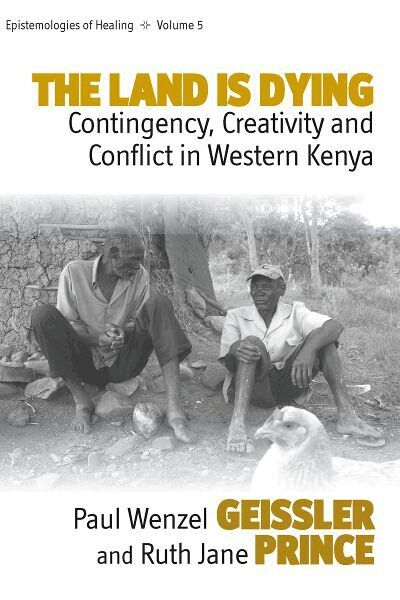
Land Is Dying
Contingency, Creativity and Conflict in Western Kenya
Häftad, Engelska, 2012
635 kr
Skickas inom 3-6 vardagar
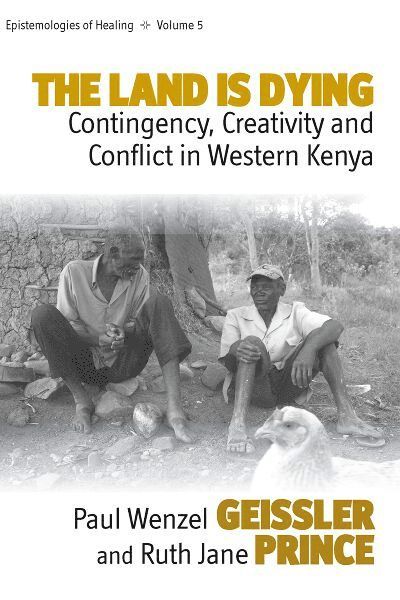
Based on several years of ethnographic fieldwork, the book explores life in and around a Luo-speaking village in western Kenya during a time of death. The epidemic of HIV/AIDS affects every aspect of sociality and pervades villagers' debates about the past, the future and the ethics of everyday life. Central to such debates is a discussion of touch in the broad sense of concrete, material contact between persons. In mundane practices and in ritual acts, touch is considered to be key to the creation of bodily life as well as social continuity. Underlying the significance of material contact is its connection with growth - of persons and groups, animals, plants and the land - and the forward movement of life more generally. Under the pressure of illness and death, economic hardship and land scarcity, as well as bitter struggles about the relevance and application of Christianity and 'Luo tradition' in daily life, people find it difficult to agree about the role of touch in engendering growth, or indeed about the aims of growth itself.
345 kr
Skickas inom 5-8 vardagar
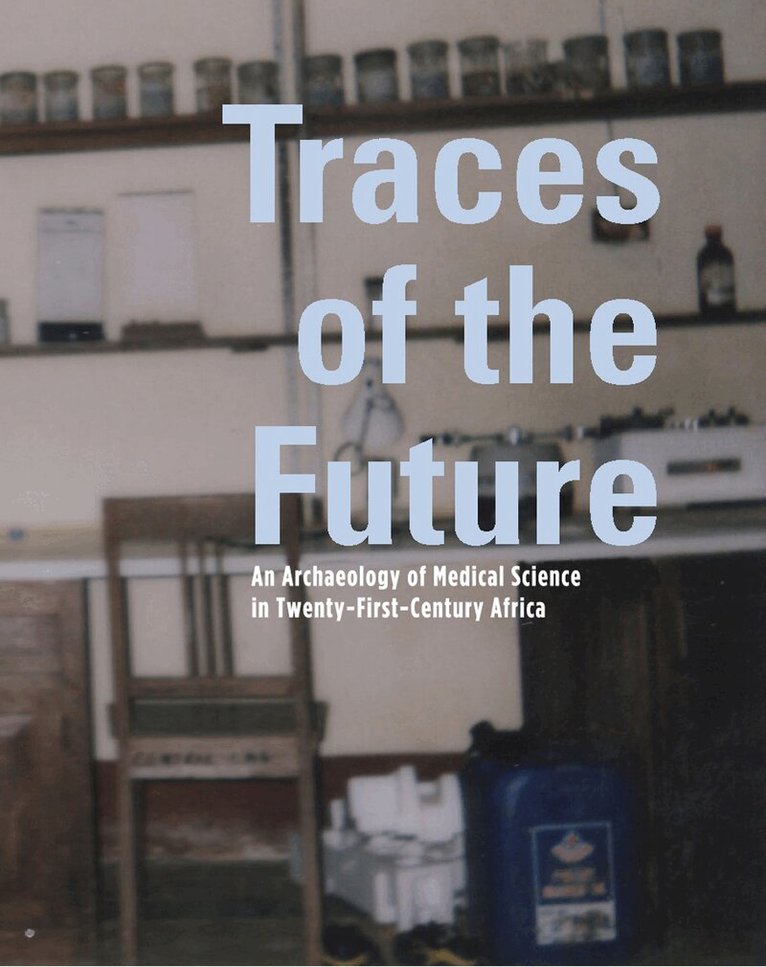
This book presents a close look at the vestiges of twentieth-century medical work at five key sites in Africa: Senegal, Nigeria, Cameroon, Kenya and Tanzania. The authors aim to understand the afterlife of scientific institutions and practices and the 'aftertime' of scientific modernity and its attendant visions of progress and transformation. Straightforward scholarly work is juxtaposed here with altogether more experimental approaches to fieldwork and analysis, including interview fragments; brief, reflective essays; and a rich photographic archive. The result is an unprecedented view of the lingering traces of medical science from Africa's past.
386 kr
Tillfälligt slut
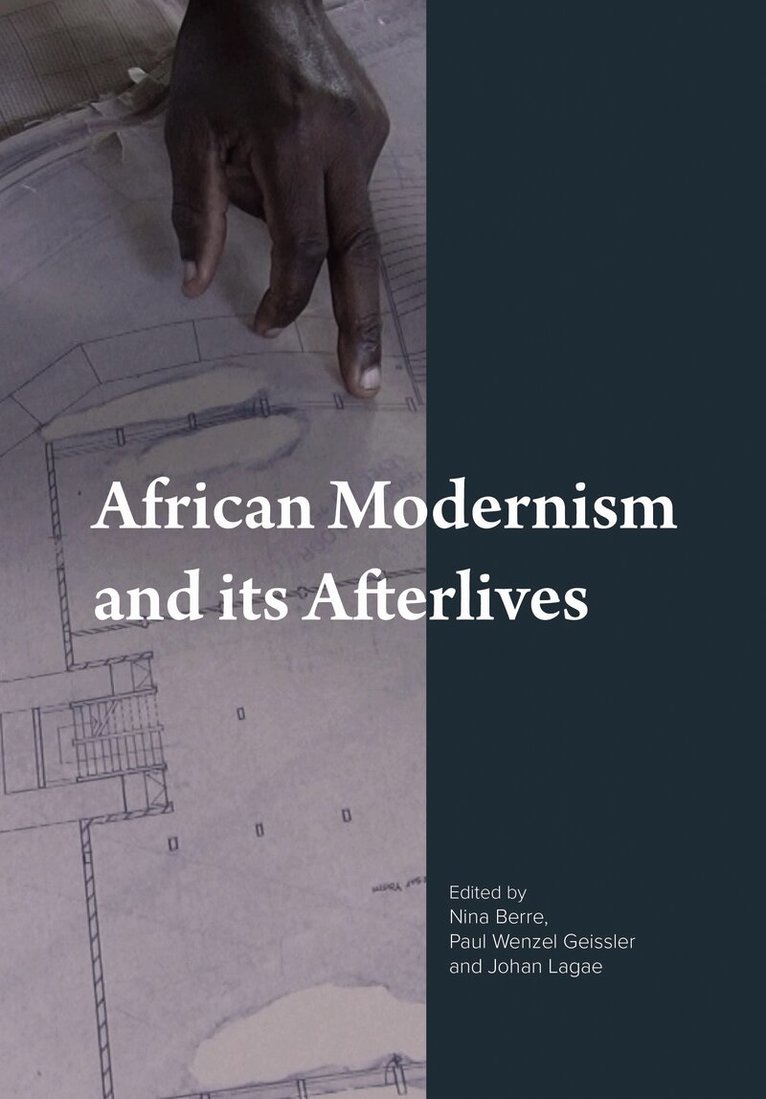
This new book is an edited volume of essays that examine the legacy of architecture in a number of African countries soon after independence. It has its origins in an exhibition and symposium that focused on architecture as an element in Nordic countries’ aid packages to newly independent states, but the expanded breadth of the essays includes work on other countries and architects. Drawing on ethnography, archival research and careful observations of buildings, remains and people, the case studies seek to connect the colonial and postcolonial origins of modernist architecture, the historical processes they underwent, and present use and habitation.It results from the 2015 seminar and exhibition Forms of Freedom at the National Museum of Art, Architecture and Design in Oslo, Norway. The exhibition showed how modern Scandinavian architecture became an essential component of foreign aid to East Africa in the period 1960–80, and how the ideals of the Nordic welfare system found expression in a number of construction projects. The seminar, which built upon the exhibition as well as on a previous collaboration on the legacies of modernism in Africa between the Department of Anthropology of the University of Oslo and the Department of Architecture and Urban Planning from Ghent University, broadened the geographic scope of the discussion beyond the Scandinavian context, and set the ground for bringing together the disciplines of architectural history and social anthropology.Primary readership will be among architects and architectural historians, and graduate level architecture and urban studies students, for whom it will be valuable course material, as well as those in fields such as African studies and anthropology. It may also be of interest to those working or researching in public policy and political history.
654 kr
Kommande
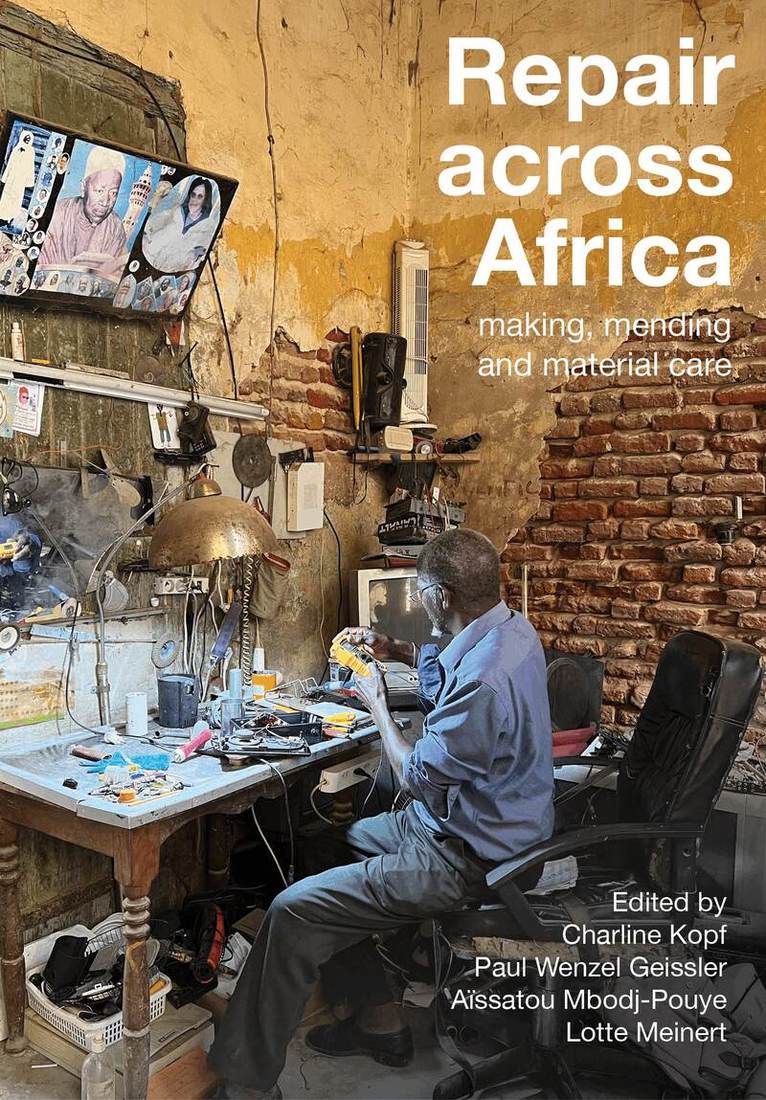
An exploration of the multifaceted practices of repair across the African continent. Moving beyond a simple understanding of repair as fixing broken objects, this volume explores the cultural, social, and economic dimensions of mending and material care. It considers repair as a relational act that bridges past and future, blending tradition with innovation.The collection spans diverse African contexts, from urban centres to rural areas, showcasing how repair intersects with labour, urban life, natural and spiritual environments, and historical memory. Essays explore themes such as the role of repair in mitigating the wear and tear of time, addressing environmental disasters, examining colonial and postcolonial histories and their implications for urban transformation, and highlighting the artisanal skill and ingenuity behind these practices.Contributors draw on anthropology, architecture, history, and critical urban studies to illuminate how repair can be a form of resistance, care, and adaptation in a rapidly changing world. Richly illustrated and methodologically innovative, Repair across Africa highlights Africa's global relevance by situating its practices within broader critiques of late capitalism and the Anthropocene.Illuminates the connection between symbolic and material repair, particularly in light of the ongoing debates about colonial legacies and reparations owed to African societies for the harms done by colonialism. Essential reading for scholars and practitioners interested in material culture, urban studies, and the politics of sustainability.
2 058 kr
Skickas inom 3-6 vardagar
Based on several years of ethnographic fieldwork, the book explores life in and around a Luo-speaking village in western Kenya during a time of death. The epidemic of HIV/AIDS affects every aspect of sociality and pervades villagers' debates about the past, the future and the ethics of everyday life. Central to such debates is a discussion of touch in the broad sense of concrete, material contact between persons. In mundane practices and in ritual acts, touch is considered to be key to the creation of bodily life as well as social continuity. Underlying the significance of material contact is its connection with growth – of persons and groups, animals, plants and the land – and the forward movement of life more generally. Under the pressure of illness and death, economic hardship and land scarcity, as well as bitter struggles about the relevance and application of Christianity and ‘Luo tradition’ in daily life, people find it difficult to agree about the role of touch in engendering growth, or indeed about the aims of growth itself.