Guillaume Lachenal – författare
Visar alla böcker från författaren Guillaume Lachenal. Handla med fri frakt och snabb leverans.
6 produkter
6 produkter
Inbunden, Engelska, 2017
406 kr
Skickas
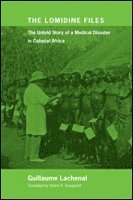
After the Second World War, French colonial health services, armed with a newly discovered drug, made the eradication of sleeping sickness their top priority. A single injection of Lomidine (known as Pentamidine in the United States) promised to protect against infection for six months or longer. Mass campaigns of "preventive lomidinization" were launched with immense enthusiasm across Africa. But the drug proved to be both inefficient and dangerous. Contaminated injections caused bacterial infections that progressed to gangrene, killing dozens of people. Shockingly, the French physicians who administered the shots seemed to know the drug's risk: while they obtained signed consent before giving Lomidine to French citizens, they administered it to Africans without their consent-sometimes by force. In The Lomidine Files, Guillaume Lachenal traces the medicine's trajectory from experimental trials during the Second World War, when it was introduced as a miracle cure for sleeping sickness, to its abandonment in the late 1950s, when a series of deadly incidents brought lomidinization campaigns to a grinding halt.He explores colonial doctors' dangerously hubristic obsession with an Africa freed from disease and describes the terrible reactions caused by the drug, the resulting panic of colonial authorities, and the decades-long cover-up that followed. A fascinating material history that touches on the drug's manufacture and distribution, as well as the tragedies that followed in its path, The Lomidine Files resurrects a nearly forgotten scandal. Ultimately, it illuminates public health not only as a showcase of colonial humanism and a tool of control, but also as an arena of mediocrity, powerlessness, and stupidity.
Inbunden, Engelska, 2022
1 196 kr
Skickas inom 5-8 vardagar
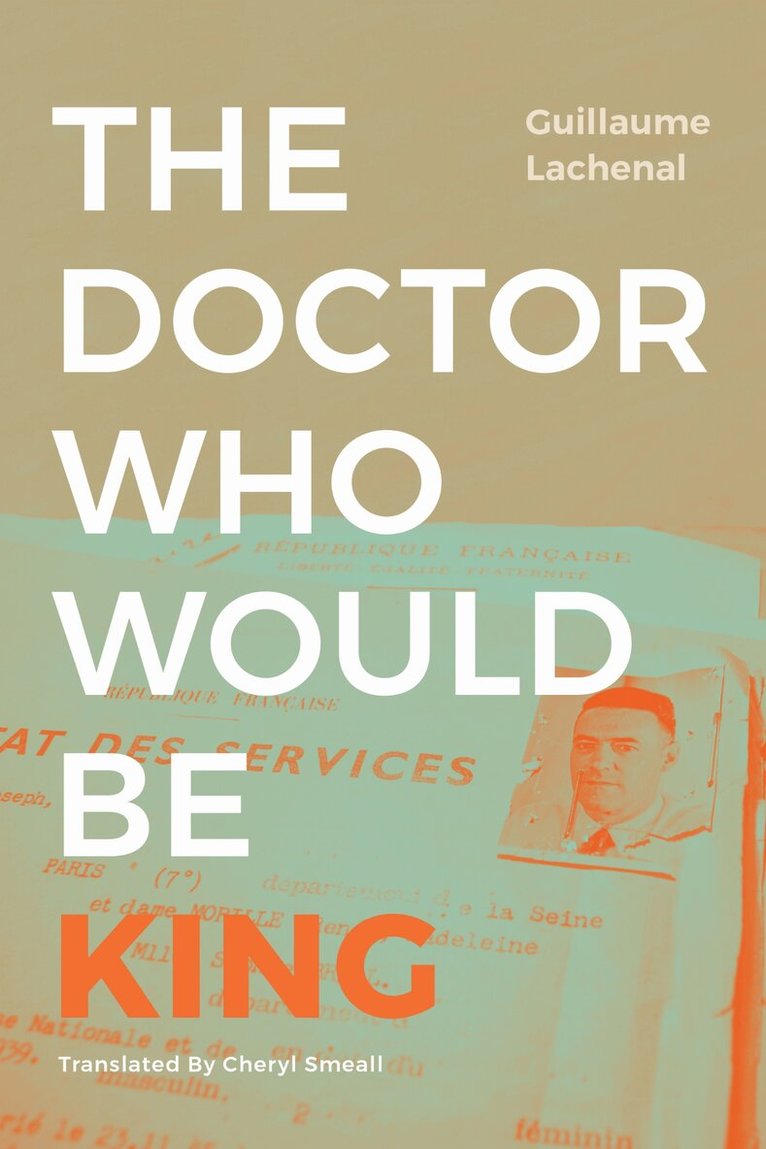
In The Doctor Who Would Be King Guillaume Lachenal tells the extraordinary story of Dr. Jean Joseph David, a French colonial army doctor who governed an entire region of French Cameroon during World War II. Dr. David-whom locals called “emperor”-dreamed of establishing a medical utopia. Through unchecked power, he imagined realizing the colonialist fantasy of emancipating colonized subjects from misery, ignorance, and sickness. Drawing on archives, oral histories, and ethnographic fieldwork, Lachenal traces Dr. David’s earlier attempts at a similar project on a Polynesian island and the ongoing legacies of his failed experiment in Cameroon. Lachenal does not merely recount a Conradian tale of imperial hubris, he brings the past into the present, exploring the memories and remains of Dr. David’s rule to reveal a global history of violence, desire, and failure in which hope for the future gets lost in the tragic comedy of power.
Häftad, Engelska, 2022
263 kr
Skickas
In The Doctor Who Would Be King Guillaume Lachenal tells the extraordinary story of Dr. Jean Joseph David, a French colonial army doctor who governed an entire region of French Cameroon during World War II. Dr. David-whom locals called “emperor”-dreamed of establishing a medical utopia. Through unchecked power, he imagined realizing the colonialist fantasy of emancipating colonized subjects from misery, ignorance, and sickness. Drawing on archives, oral histories, and ethnographic fieldwork, Lachenal traces Dr. David’s earlier attempts at a similar project on a Polynesian island and the ongoing legacies of his failed experiment in Cameroon. Lachenal does not merely recount a Conradian tale of imperial hubris, he brings the past into the present, exploring the memories and remains of Dr. David’s rule to reveal a global history of violence, desire, and failure in which hope for the future gets lost in the tragic comedy of power.
E-bok
PDF, Engelska, 2022460 kr
Läs direkt efter köp
In The Doctor Who Would Be King Guillaume Lachenal tells the extraordinary story of Dr. Jean Joseph David, a French colonial army doctor who governed an entire region of French Cameroon during World War II. Dr. David—whom locals called “emperor”—dreamed of establishing a medical utopia. Through unchecked power, he imagined realizing the colonialist fantasy of emancipating colonized subjects from misery, ignorance, and sickness. Drawing on archives, oral histories, and ethnographic fieldwork, Lachenal traces Dr. David’s earlier attempts at a similar project on a Polynesian island and the ongoing legacies of his failed experiment in Cameroon. Lachenal does not merely recount a Conradian tale of imperial hubris, he brings the past into the present, exploring the memories and remains of Dr. David’s rule to reveal a global history of violence, desire, and failure in which hope for the future gets lost in the tragic comedy of power.
Häftad, Engelska, 2016
340 kr
Skickas inom 5-8 vardagar
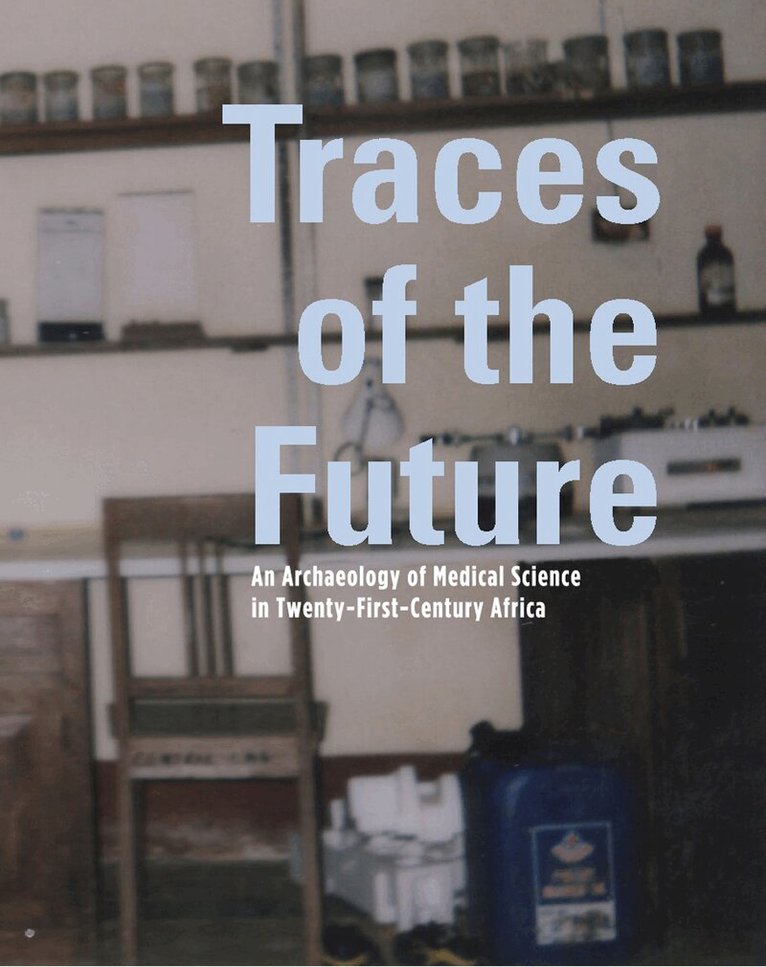
This book presents a close look at the vestiges of twentieth-century medical work at five key sites in Africa: Senegal, Nigeria, Cameroon, Kenya and Tanzania. The authors aim to understand the afterlife of scientific institutions and practices and the 'aftertime' of scientific modernity and its attendant visions of progress and transformation. Straightforward scholarly work is juxtaposed here with altogether more experimental approaches to fieldwork and analysis, including interview fragments; brief, reflective essays; and a rich photographic archive. The result is an unprecedented view of the lingering traces of medical science from Africa's past.
E-bok
PDF, Franska, 2014276 kr
Läs direkt efter köp
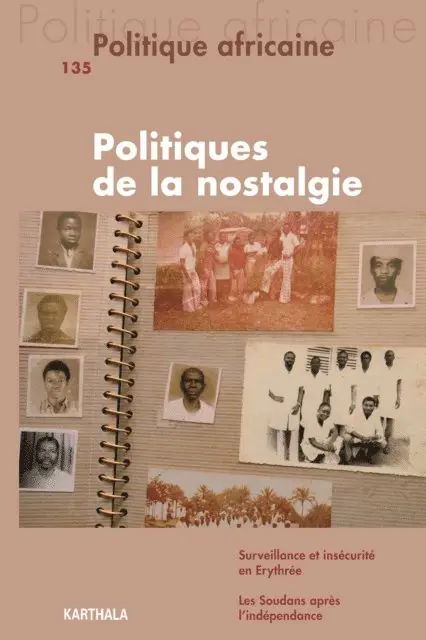
L’Afrique serait-elle nostalgique ? Le passé est y souvent évoqué comme un temps des possibles. L’idée même de développement est devenue un objet de nostalgie, porteur de projections et d’anticipations désormais révolues. Que faire de propos qui sont difficiles à entendre, surtout quand ils expriment un regret du colonialisme ou des régimes autoritaires ? Ce dossier repère les espaces sociaux et politiques où émergent ces prises de positions. Il montre qu’elles ne sont pas les simples produits d’un effet de génération ni d’une expérience de déclassement. Au-delà des discours, les enquêtes réunies ici se tournent vers les ancrages matériels de la nostalgie. Parcourant des paysages ou scrutant des bâtiments, elles questionnent les modalités empiriques d’une ethnographie des traces et explorent la dimension politique des expériences affectives du temps.