Paula Richman – författare
Visar alla böcker från författaren Paula Richman. Handla med fri frakt och snabb leverans.
7 produkter
7 produkter
1 335 kr
Skickas inom 5-8 vardagar
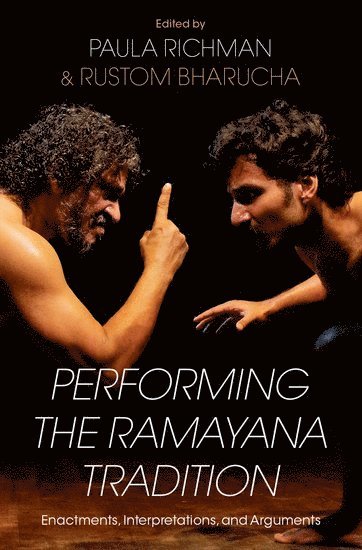
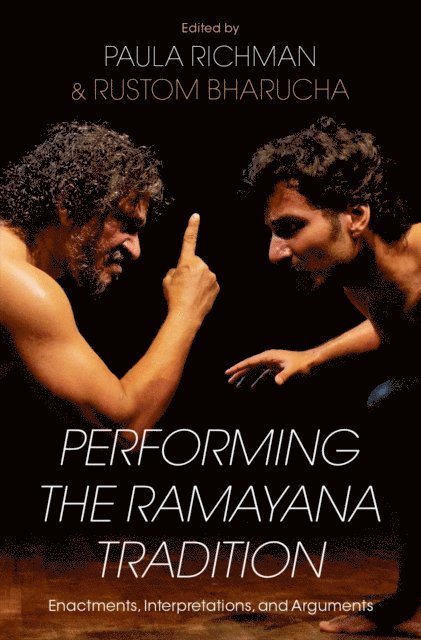
The Ramayana, one of the two pre-eminent Hindu epics, has played a foundational role in many aspects of India's arts and social norms. For centuries, people learned this narrative by watching, listening, and participating in enactments of it. Although the Ramayana's first extant telling in Sanskrit dates back to ancient times, the story has continued to be retold and rethought through the centuries in many of India's regional languages, such as Hindi, Tamil, and Bengali. The narrative has provided the basis for enactments of its episodes in recitation, musical renditions, dance, and avant-garde performances. This volume introduces non-specialists to the Ramayana's major themes and complexities, as well as to the highly nuanced terms in Indian languages used to represent theater and performance.Two introductions orient readers to the history of Ramayana texts by Tulsidas, Valmiki, Kamban, Sankaradeva, and others, as well as to the dramaturgy and aesthetics of their enactments. The contributed essays provide context-specific analyses of diverse Ramayana performance traditions and the narratives from which they draw. The essays are clustered around the shared themes of the politics of caste and gender; the representation of the anti-hero; contemporary re-interpretations of traditional narratives; and the presence of Ramayana discourse in daily life.
536 kr
Skickas inom 5-8 vardagar
The Ramayana, one of the two pre-eminent Hindu epics, has played a foundational role in many aspects of India's arts and social norms. For centuries, people learned this narrative by watching, listening, and participating in enactments of it. Although the Ramayana's first extant telling in Sanskrit dates back to ancient times, the story has continued to be retold and rethought through the centuries in many of India's regional languages, such as Hindi, Tamil, and Bengali. The narrative has provided the basis for enactments of its episodes in recitation, musical renditions, dance, and avant-garde performances. This volume introduces non-specialists to the Ramayana's major themes and complexities, as well as to the highly nuanced terms in Indian languages used to represent theater and performance.Two introductions orient readers to the history of Ramayana texts by Tulsidas, Valmiki, Kamban, Sankaradeva, and others, as well as to the dramaturgy and aesthetics of their enactments. The contributed essays provide context-specific analyses of diverse Ramayana performance traditions and the narratives from which they draw. The essays are clustered around the shared themes of the politics of caste and gender; the representation of the anti-hero; contemporary re-interpretations of traditional narratives; and the presence of Ramayana discourse in daily life.
271 kr
Skickas inom 7-10 vardagar
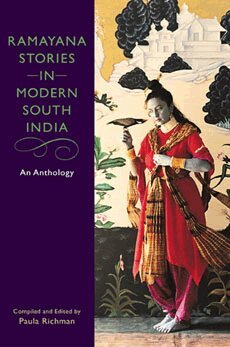
While some religious texts may remain static over time, the Ramayana epic has been retold in a variety of ways over the centuries and across South Asia. Some of the narrative's most probing and innovative retellings have appeared in print in the last 100 years in the region of South India. This collection brings together, for the first time, modern retellings translated from the four major South Indian languages and from genres as diverse as drama, short stories, poetry, and folk song. The selections focus on characters generally seen as stigmatized or marginalized, and on themes largely overlooked in previous scholarship. Editor Paula Richman demonstrates that twentieth-century authors have used retellings of the Ramayana to question caste and gender inequality in provocative ways. This engaging anthology includes translations of 22 primary texts along with interpretive essays that provide background and frameworks for understanding the stories.
936 kr
Skickas inom 3-6 vardagar
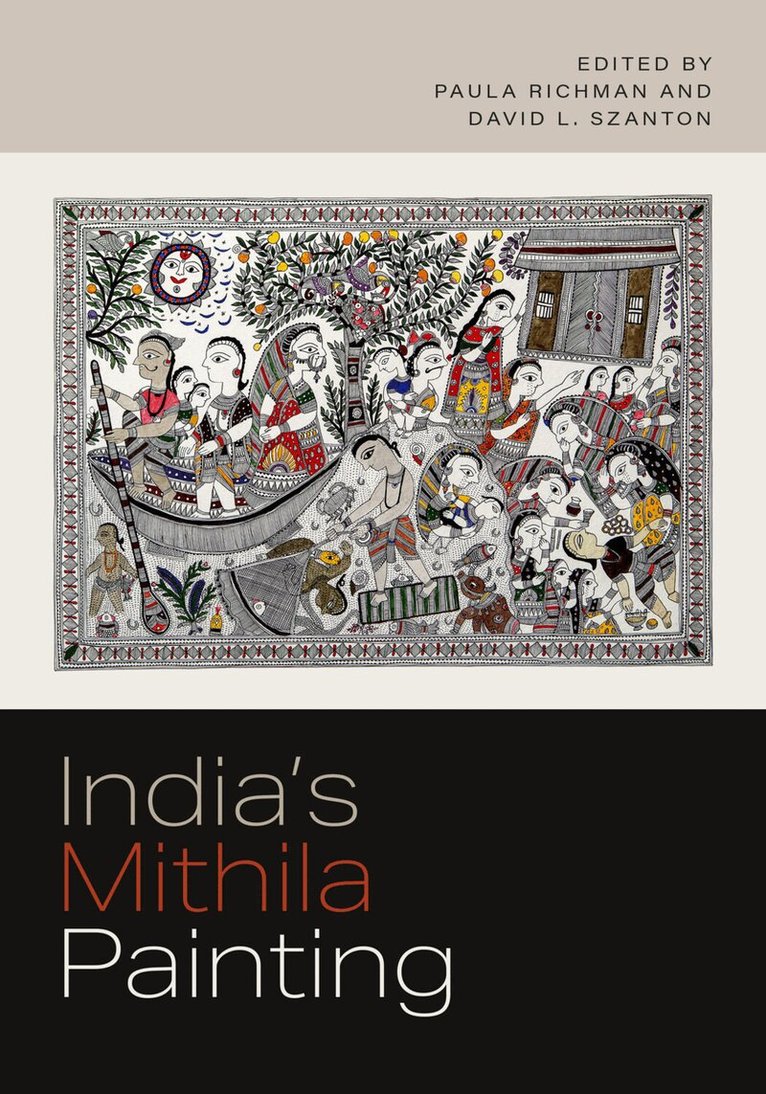
A woman's art form transforms from home to high art Since at least the fifteenth century, Hindu women in the Mithila region of northern India have been painting images of deities, flora and fauna symbolizing fertility and prosperity, and floor designs that sacralize sites for ritual within their homes. Their artwork remained ephemeral since its plant-based colors faded over time. In response to an extended drought that led to widespread crop failure in the 1960s, the Indian government's All India Handicraft Board provided high-quality paper to the women of Mithila to test the income-generating possibilities of transferring wall and floor artwork to a new medium. The unique Mithila aesthetic, novel compositions, and precise linework won enthusiastic buyers in New Delhi and abroad. The small number of women painters expanded across the ranks of the social hierarchy and even included a few men. They developed individual styles and depicted novel subjects such as village history, their own life stories, the tsunami in Sri Lanka, social justice, protecting trees, and changing social norms. Major international museums now house Mithila collections, and individuals around the world own paintings. This volume, the first to present an up-to-date analysis of the history and practitioners of Mithila painting, includes contributions from Mithila artists, anthropologists, art historians, historians of Indian religions and specialists of visual culture, gender studies, and translation studies.
548 kr
Skickas inom 3-6 vardagar
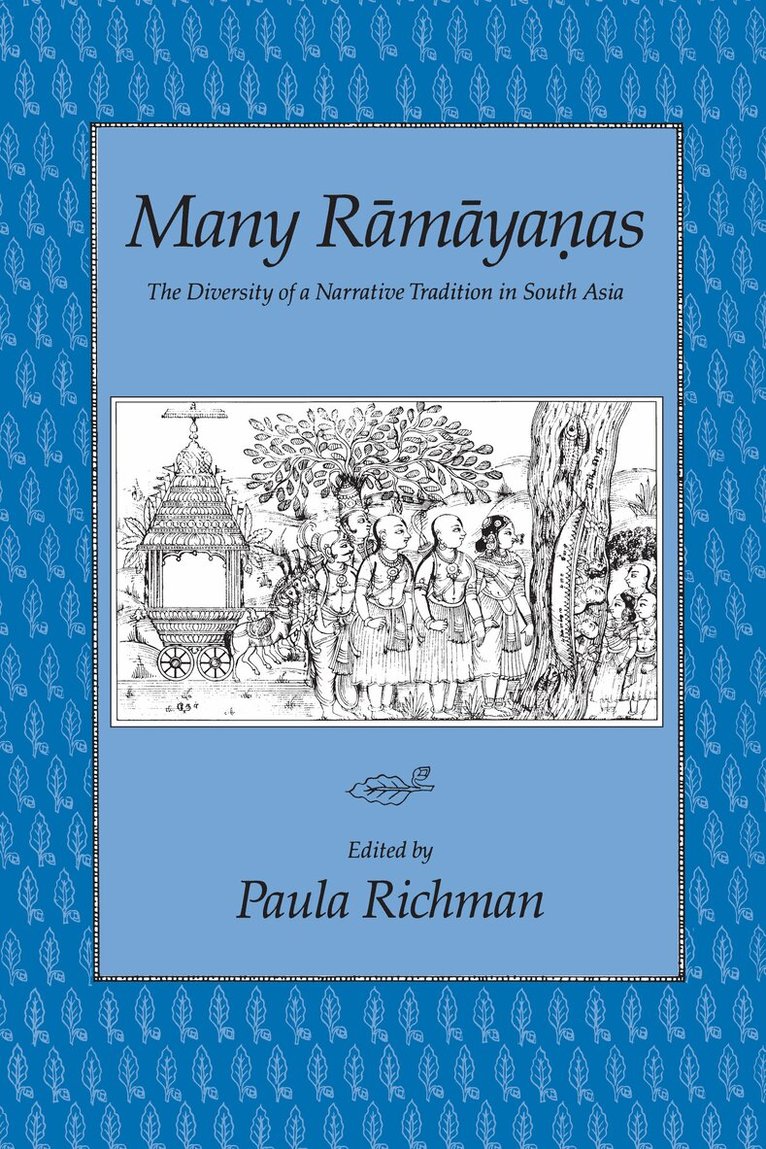
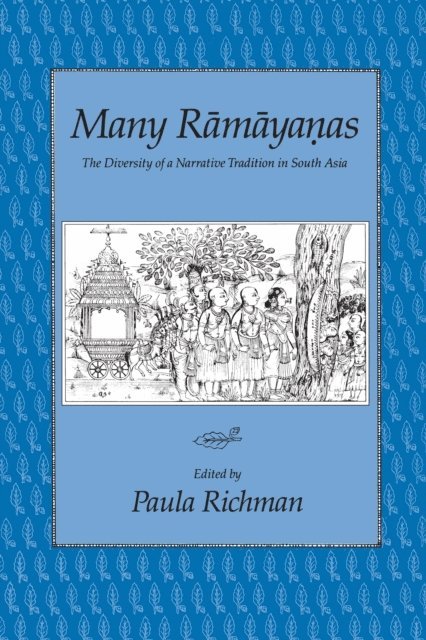
Throughout Indian history, many authors and performers have produced, and many patrons have supported, diverse tellings of the story of the exiled prince Rama, who rescues his abducted wife by battling the demon king who has imprisoned her. The contributors to this volume focus on these "many" Ramayanas. While most scholars continue to rely on Valmiki's Sanskrit Ramayana as the authoritative version of the tale, the contributors to this volume do not. Their essays demonstrate the multivocal nature of the Ramayana by highlighting its variations according to historical period, political context, regional literary tradition, religious affiliation, intended audience, and genre. Socially marginal groups in Indian society--Telugu women, for example, or Untouchables from Madhya Pradesh--have recast the Rama story to reflect their own views of the world, while in other hands the epic has become the basis for teachings about spiritual liberation or the demand for political separatism. Historians of religion, scholars of South Asia, folklorists, cultural anthropologists--all will find here refreshing perspectives on this tale.
1 221 kr
Skickas inom 7-10 vardagar
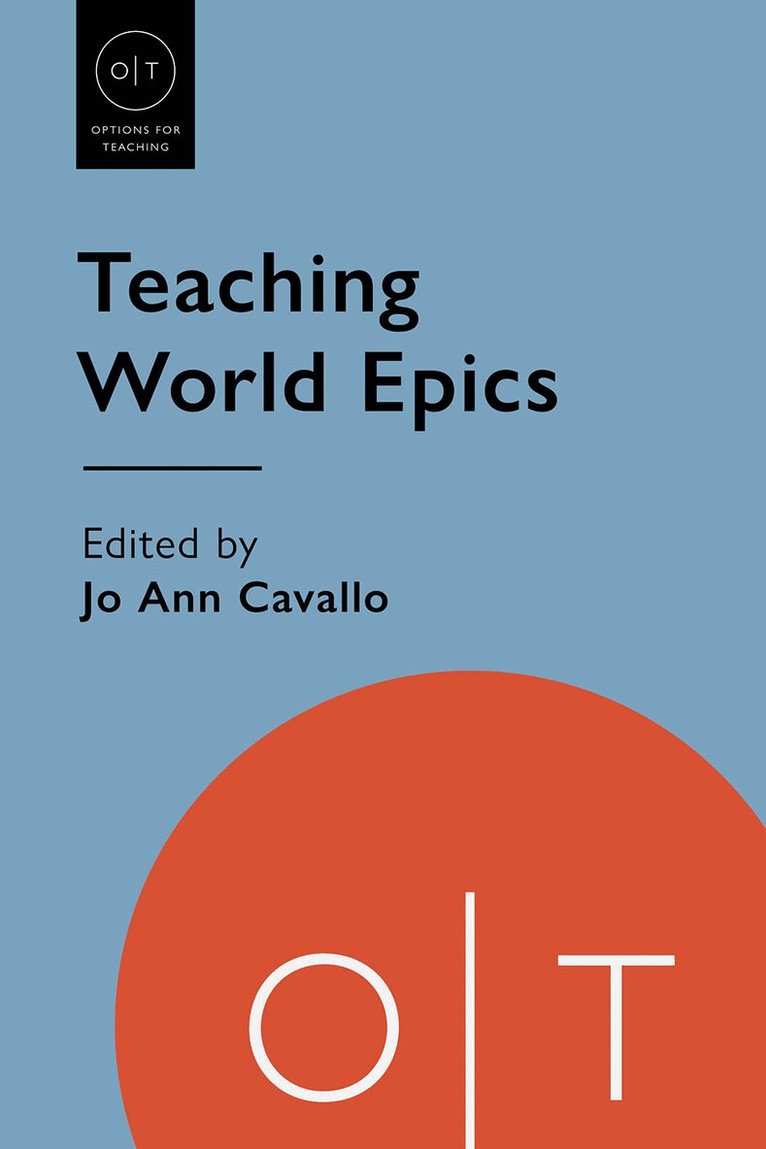
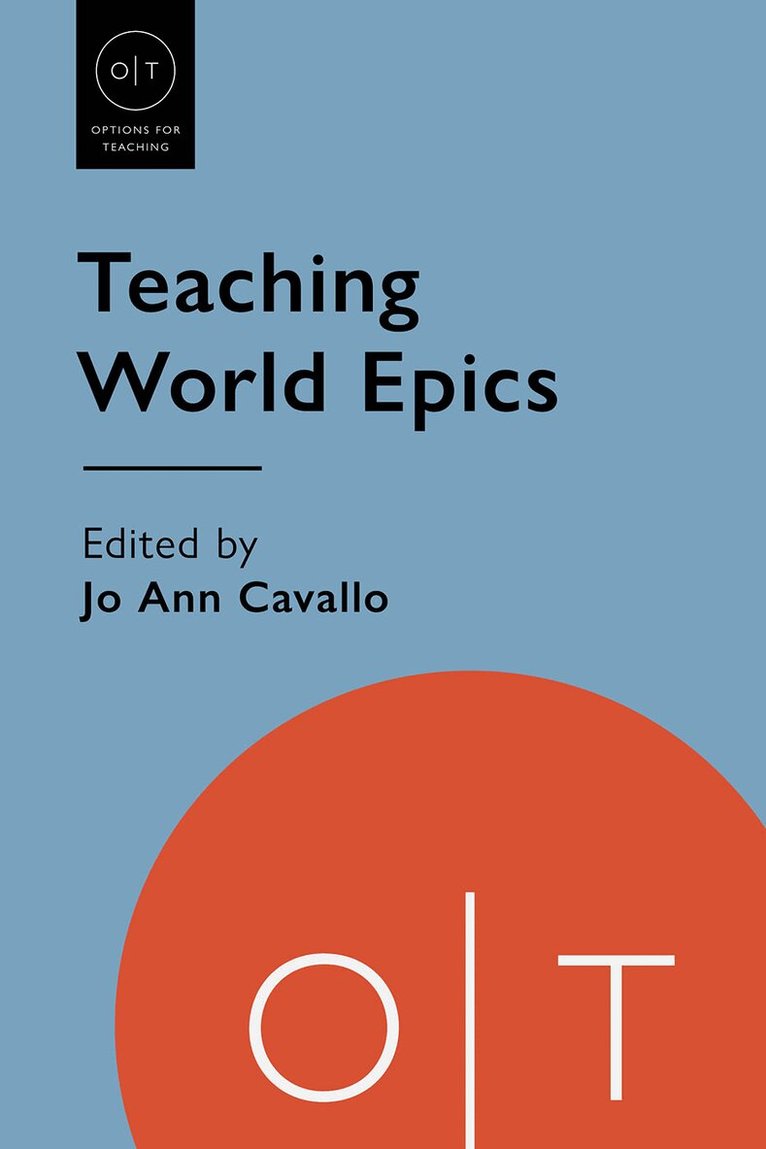
Essays for teaching ancient and recent epic narratives from around the world.Cultures across the globe have embraced epics: stories of memorable deeds by heroic characters whose actions have significant consequences for their lives and their communities. Incorporating narrative elements also found in sacred history, chronicle, saga, legend, romance, myth, folklore, and the novel, epics throughout history have both animated the imagination and encouraged reflection on what it means to be human. Teaching World Epics addresses ancient and more recent epic works from Africa, Europe, Mesoamerica, and East, Central, and South Asia that are available in English translations.Useful to instructors of literature, peace and conflict studies, transnational studies, women's studies, and religious studies, the essays in this volume focus on epics in sociopolitical and cultural contexts, on the adaptation and reception of epic works, and on themes that are especially relevant today, such as gender dynamics and politics, national identity, colonialism and imperialism, violence, and war.This volume includes discussion of Ludovico Ariosto's Orlando Furioso, Giulia Bigolina's Urania, The Book of Dede Korkut, Luis Vaz de Camões's Os Lusiadas, David of Sassoun, The Epic of Askia Mohammed, The Epic of Gilgamesh, the epic of Sun-Jata, Alonso de Ercilla y Zúñiga's La Araucana, Homer's Iliad and Odyssey, Kalevala, Kebra Nagast, Kudrun, The Legend of Poṉṉivaḷa Nadu, the Mahabharata, Manas, John Milton's Paradise Lost, Mwindo, the Nibelungenlied, Poema de mio Cid, Popol Wuj, the Ramayana, the Shahnameh, Sirat Bani Hilal, Edmund Spenser's The Faerie Queene, Statius's Thebaid, The Tale of the Heike, Three Kingdoms, Gaspar Pérez de Villagrá's Historia de la Nueva México, and Virgil's Aeneid.
493 kr
Skickas inom 7-10 vardagar
Essays for teaching ancient and recent epic narratives from around the world.Cultures across the globe have embraced epics: stories of memorable deeds by heroic characters whose actions have significant consequences for their lives and their communities. Incorporating narrative elements also found in sacred history, chronicle, saga, legend, romance, myth, folklore, and the novel, epics throughout history have both animated the imagination and encouraged reflection on what it means to be human. Teaching World Epics addresses ancient and more recent epic works from Africa, Europe, Mesoamerica, and East, Central, and South Asia that are available in English translations.Useful to instructors of literature, peace and conflict studies, transnational studies, women's studies, and religious studies, the essays in this volume focus on epics in sociopolitical and cultural contexts, on the adaptation and reception of epic works, and on themes that are especially relevant today, such as gender dynamics and politics, national identity, colonialism and imperialism, violence, and war.This volume includes discussion of Ludovico Ariosto's Orlando Furioso, Giulia Bigolina's Urania, The Book of Dede Korkut, Luis Vaz de Camões's Os Lusiadas, David of Sassoun, The Epic of Askia Mohammed, The Epic of Gilgamesh, the epic of Sun-Jata, Alonso de Ercilla y Zúñiga's La Araucana, Homer's Iliad and Odyssey, Kalevala, Kebra Nagast, Kudrun, The Legend of Poṉṉivaḷa Nadu, the Mahabharata, Manas, John Milton's Paradise Lost, Mwindo, the Nibelungenlied, Poema de mio Cid, Popol Wuj, the Ramayana, the Shahnameh, Sirat Bani Hilal, Edmund Spenser's The Faerie Queene, Statius's Thebaid, The Tale of the Heike, Three Kingdoms, Gaspar Pérez de Villagrá's Historia de la Nueva México, and Virgil's Aeneid.