Penelope J. E. Davies – författare
Visar alla böcker från författaren Penelope J. E. Davies. Handla med fri frakt och snabb leverans.
5 produkter
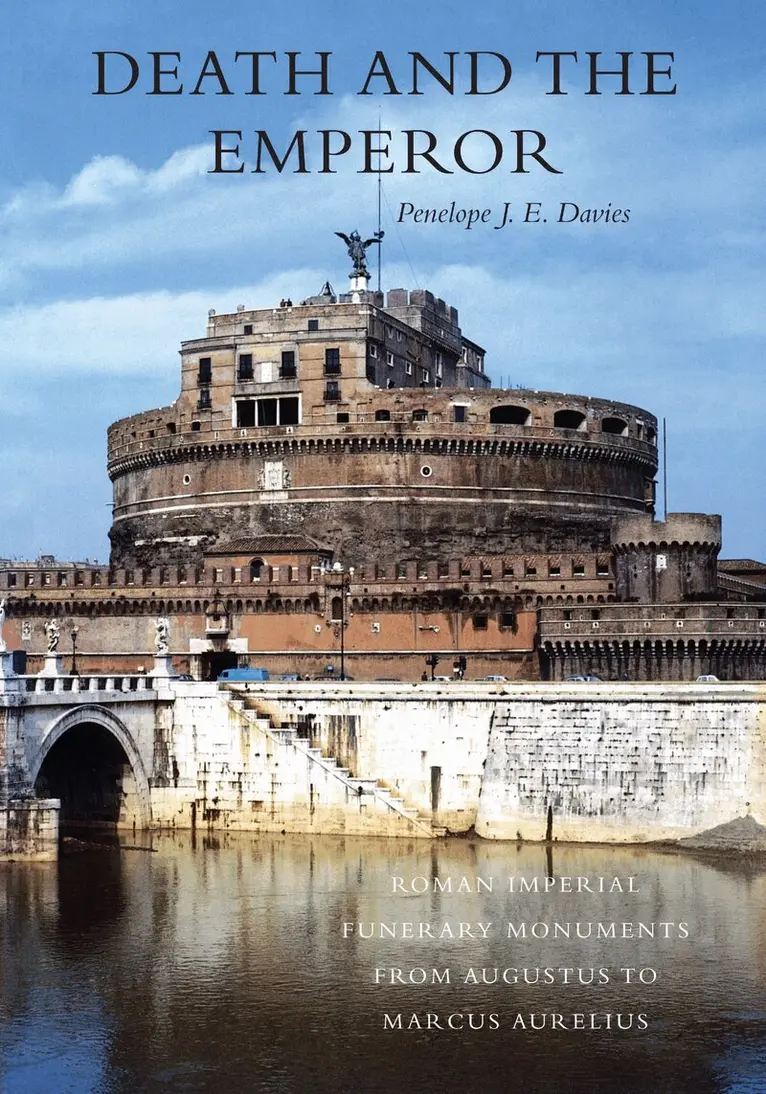
Death and the Emperor
Roman Imperial Funerary Monuments from Augustus to Marcus Aurelius
Häftad, 2004
413 kr
Lägg i varukorg
The role of monuments in the Roman imperial cult.
Cambridge Urban History of Europe: Volume 1, Ancient Europe
Av Christina G. Williamson, Penelope J. E. Davies
E-bok, 2025
2350 kr
Lägg i varukorg
Cambridge Urban History of Europe: Volume 1, Ancient Europe
Av Christina G. Williamson, Penelope J. E. Davies
E-bok, 2025
2350 kr
Lägg i varukorg
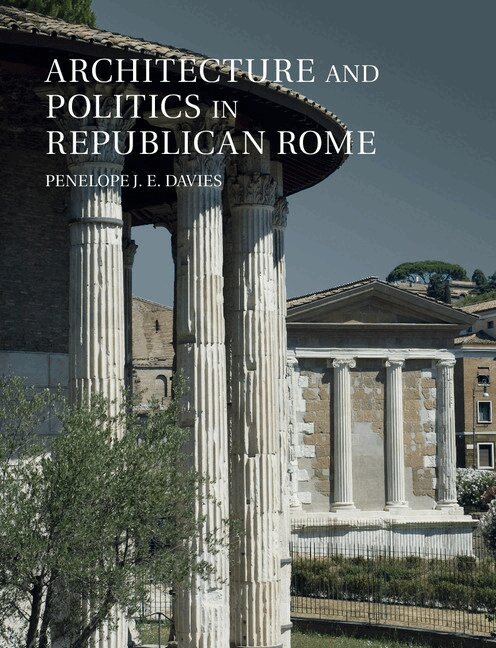
Architecture and Politics in Republican Rome
Häftad, 2020
526 kr
Lägg i varukorg
Architecture and Politics in Republican Rome is the first book to explore the intersection between Roman Republican building practices and politics (c.509-44 BCE). At the start of the period, architectural commissions were carefully controlled by the political system; by the end, buildings were so …
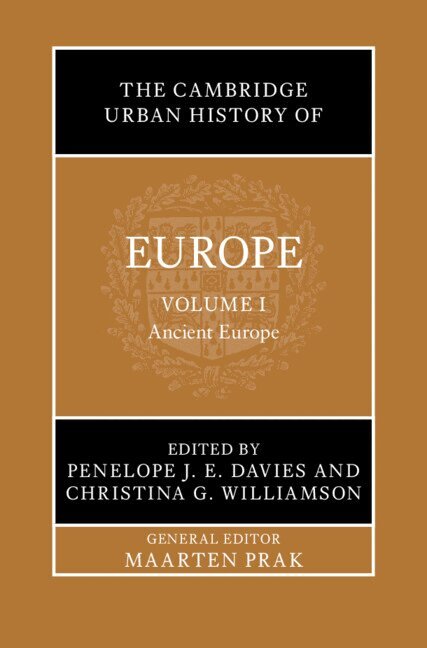
The Cambridge Urban History of Europe: Volume 1, Ancient Europe
Av Penelope J. E. Davies, Christina G. Williamson
Inbunden, 2025
2063 kr
Lägg i varukorg
Volume I offers a broad perspective on urban culture in the ancient European world. It begins with chronological overviews which paint in broad brushstrokes a picture that serves as a frame for the thematic chapters in the rest of the volume. Positioning ancient Europe within its wider context, it …