Peter A. Roberts – författare
Visar alla böcker från författaren Peter A. Roberts. Handla med fri frakt och snabb leverans.
5 produkter
5 produkter
300 kr
Skickas inom 7-10 vardagar
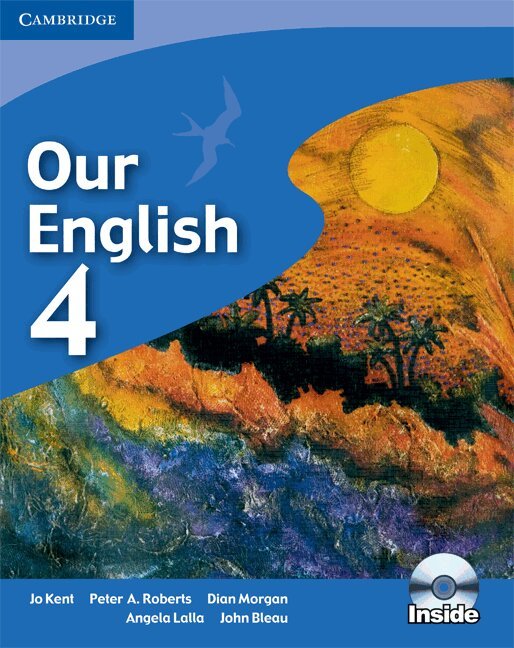
Our English is a series of four textbooks that provides a steady and thorough progression towards the CSEC English examination This comprehensive textbook is intended for students following courses leading to the CSEC Syllabus A examination in English. This topic-based book has been written by experienced teachers and examiners and contains: Stimulating fiction and non-fiction texts from both Caribbean and international sources including poems, novels, plays, short stories, speeches and newspaper articles. A focus on the essential skills of reading, writing, listening, and speaking. Includes specific language skills with emphasis on grammar. Literary appreciation suitable for those studying CSEC Syllabus B tips for success in the examination.
432 kr
Skickas inom 7-10 vardagar
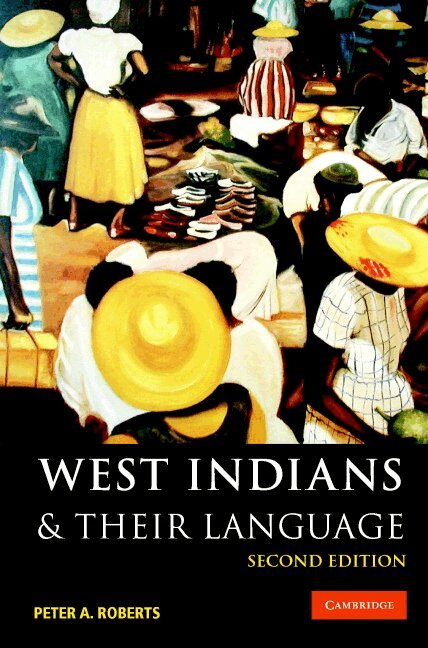
The book concentrates on the following topics: The different varieties of language to be found in everyday West Indian society Differences in outstanding features of individual West Indian territories Information about the historical sources of West Indian English The difficulties of representing a predominantly oral culture in writing The orthography used to represent spoken language Various features of technology adopted by West Indians in methods of communication Language and the supernatural - an additional, new section The development of language education policy Some aspects of practice in teaching and learning in West Indian schools
432 kr
Skickas inom 7-10 vardagar
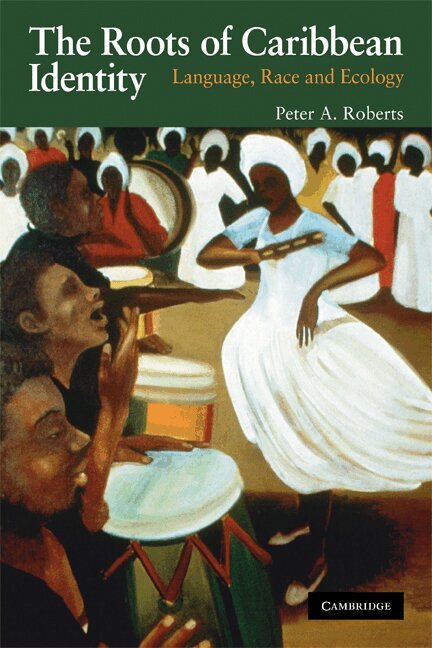
This book is original in its conception, perspective and treatment of the languages and identities of the West Indies as a whole. Peter Roberts makes extensive use of a huge range of multiple and multilingual historical sources to let the voices of the past speak for themselves, and unearths forgotten connections that reveal the interrelatedness of territories and their 'historical saga'. The author presents a lucid account of a movement from a written, wholly European construction of Caribbean identity towards a more Caribbean one. He relates how the identity of the Caribbean region and the identities of the separate islands within the region were shaped and set out within a chronological sequence starting from the time of the European encounters with the Amerindians and finishing at the end of the nineteenth century.
410 kr
Skickas inom 10-15 vardagar
434 kr
Skickas inom 10-15 vardagar
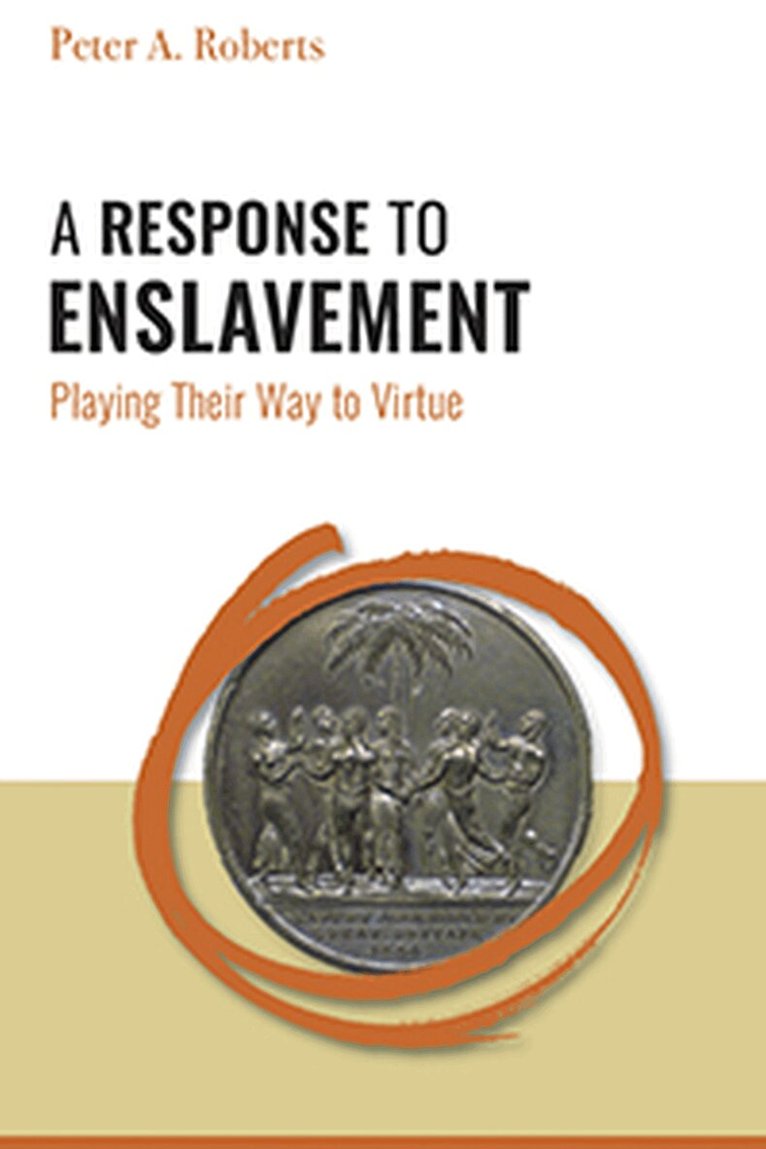
Responses to enslavement are automatically seen as struggles (heroic or otherwise), but in the case of the English Caribbean colonies, the claim was irately made by pro-planter factions, reacting to criticism, that the enslaved Africans were not struggling, they were happy and better off than the poor in England and the idea of hideous enslavement was a prejudiced distortion. Evidence presented was the universal singing, dancing and carousing of the enslaved. A conviction that is really at the base of this irate retort is that society is inescapably hierarchical, with happiness as the ideal for the lower classes and pride or valour as the ideal only for the rulers. The question that may be asked then is: What should the oppressed do – reject this view, fight and die valiantly if necessary or try to survive by amusing themselves and making the best of a bad situation? The fact that the most popular images of the Caribbean today are those of “play” (carnivals, Bob Marley, Rihanna, Bolt), not heroism (as in Haiti) seems to show what option the enslaved in the English colonies chose. A Response to Enslavement addresses the dilemma that the enslaved Africans (mostly young people) faced and how they dealt with it. Peter Roberts examines the critical role of play in human existence as the basis for its role in their response to enslavement and suggests that in a world today where people resort to catastrophic acts of suicide to win their struggles, the choices of the enslaved present a viable alternative.