Péter Berta - Böcker
Visar alla böcker från författaren Péter Berta. Handla med fri frakt och snabb leverans.
4 produkter
4 produkter
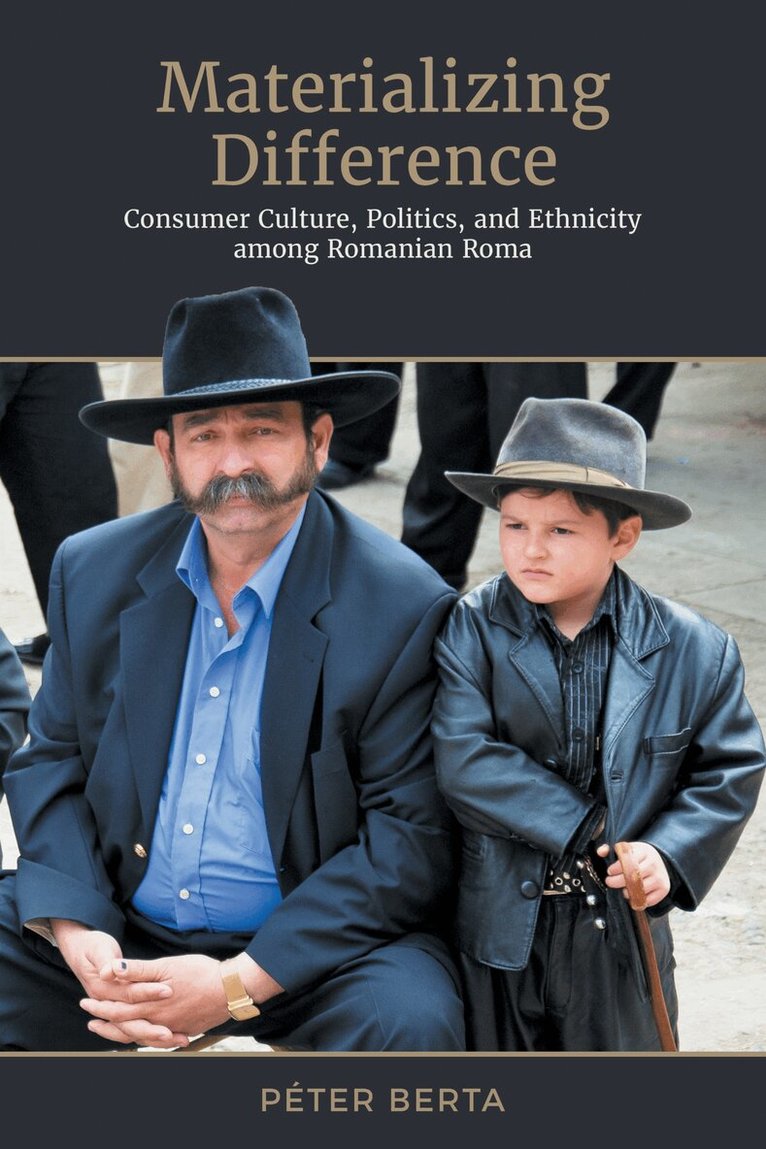
Materializing Difference
Consumer Culture, Politics, and Ethnicity Among Romanian Roma
Inbunden, Engelska, 2019
851 kr
Skickas inom 7-10 vardagar
How do objects mediate human relationships, and possess their own social and political agency? What role does material culture – such as prestige consumption as well as commodity aesthetics, biographies, and ownership histories – play in the production of social and political identities, differences, and hierarchies? How do (informal) consumer subcultures of collectors organize and manage themselves? Drawing on theories from anthropology and sociology, specifically material culture, consumption, museum, ethnicity, and post-socialist studies, Materializing Difference addresses these questions via analysis of the practices and ideologies connected to Gabor Roma beakers and roofed tankards made of antique silver. The consumer subculture organized around these objects – defined as ethnicized and gendered prestige goods by the Gabor Roma living in Romania – is a contemporary, second-hand culture based on patina-oriented consumption.Materializing Difference reveals the inner dynamics of the complex relationships and interactions between objects (silver beakers and roofed tankards) and subjects (Romanian Roma) and investigates how these relationships and interactions contribute to the construction, materialization, and reformulation of social, economic, and political identities, boundaries, and differences. It also discusses how, after 1989, the political transformation in Romania led to the emergence of a new, post-socialist consumer sensitivity among the Gabor Roma, and how this sensitivity reshaped the pre-regime-change patterns, meanings, and value preferences of prestige consumption.
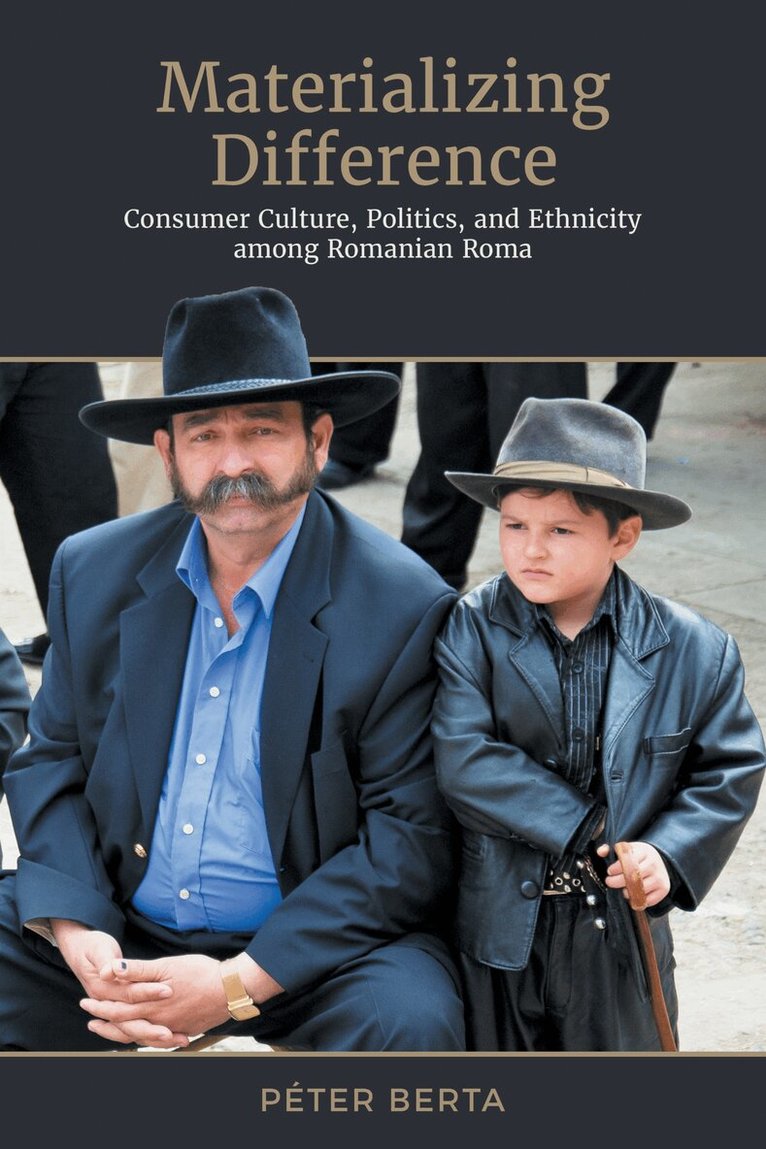
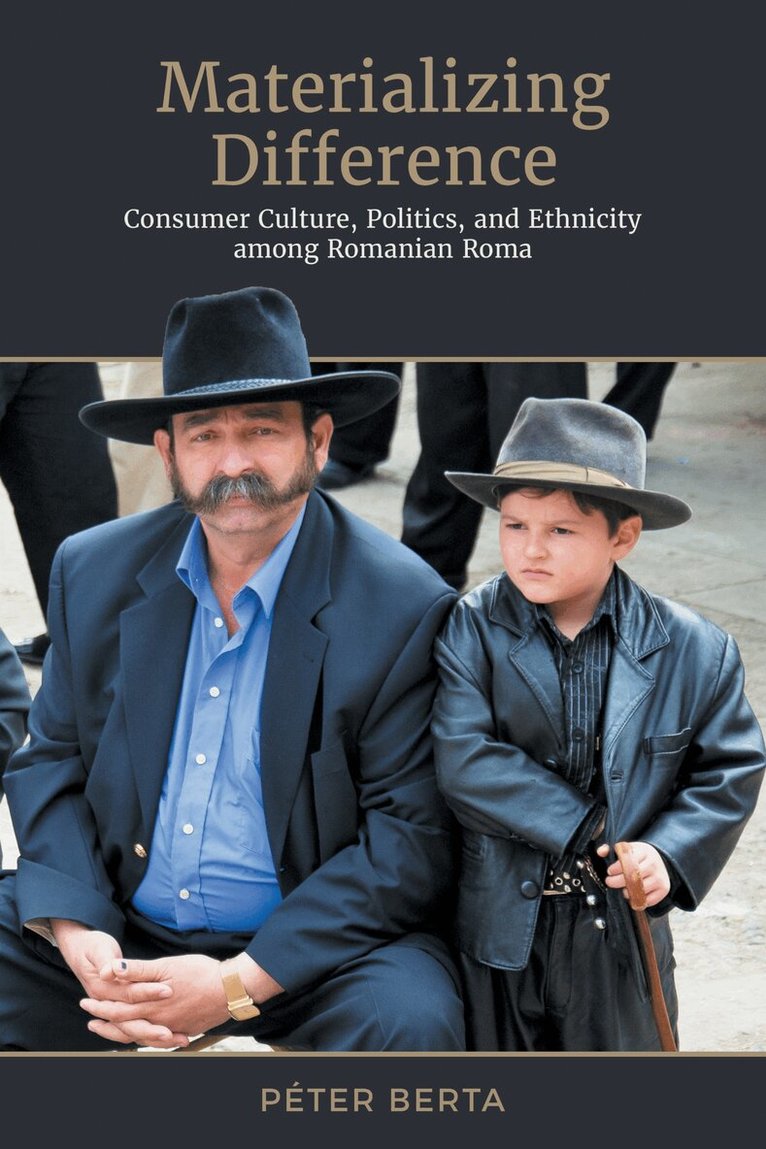
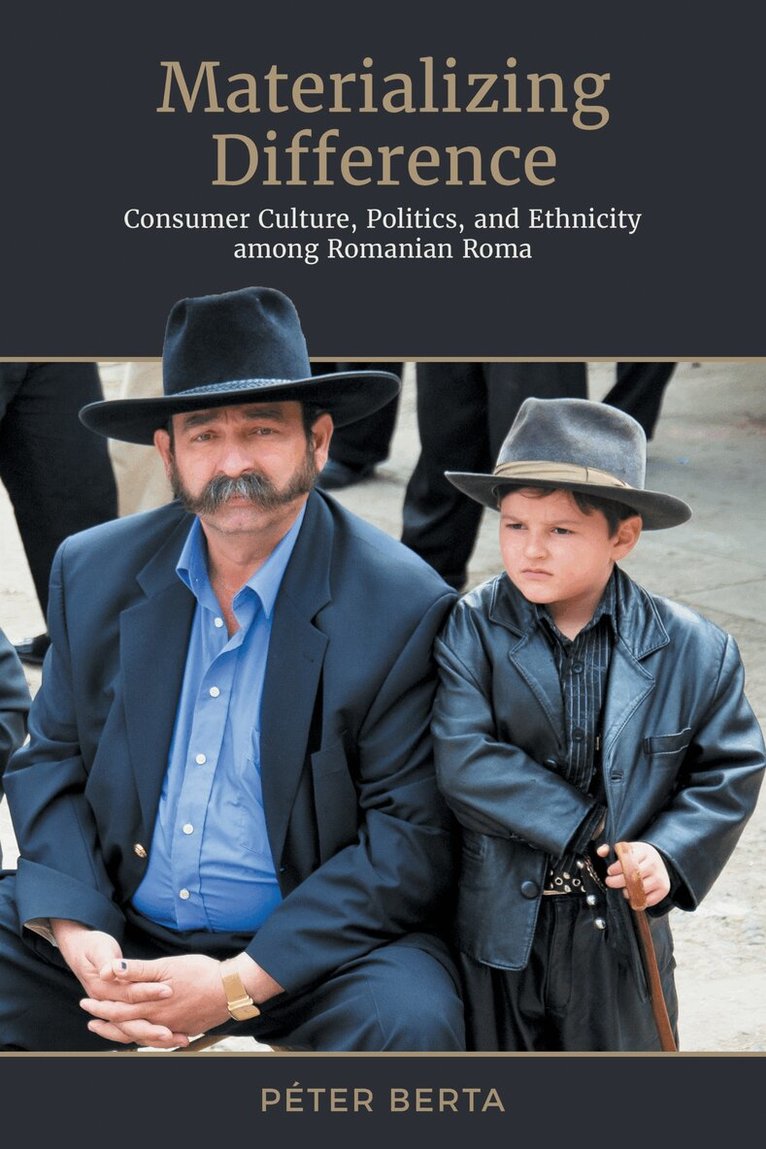
Materializing Difference
Consumer Culture, Politics, and Ethnicity Among Romanian Roma
Häftad, Engelska, 2019
376 kr
Skickas inom 7-10 vardagar
How do objects mediate human relationships, and possess their own social and political agency? What role does material culture – such as prestige consumption as well as commodity aesthetics, biographies, and ownership histories – play in the production of social and political identities, differences, and hierarchies? How do (informal) consumer subcultures of collectors organize and manage themselves? Drawing on theories from anthropology and sociology, specifically material culture, consumption, museum, ethnicity, and post-socialist studies, Materializing Difference addresses these questions via analysis of the practices and ideologies connected to Gabor Roma beakers and roofed tankards made of antique silver. The consumer subculture organized around these objects – defined as ethnicized and gendered prestige goods by the Gabor Roma living in Romania – is a contemporary, second-hand culture based on patina-oriented consumption.Materializing Difference reveals the inner dynamics of the complex relationships and interactions between objects (silver beakers and roofed tankards) and subjects (Romanian Roma) and investigates how these relationships and interactions contribute to the construction, materialization, and reformulation of social, economic, and political identities, boundaries, and differences. It also discusses how, after 1989, the political transformation in Romania led to the emergence of a new, post-socialist consumer sensitivity among the Gabor Roma, and how this sensitivity reshaped the pre-regime-change patterns, meanings, and value preferences of prestige consumption.
495 kr
Skickas inom 7-10 vardagar
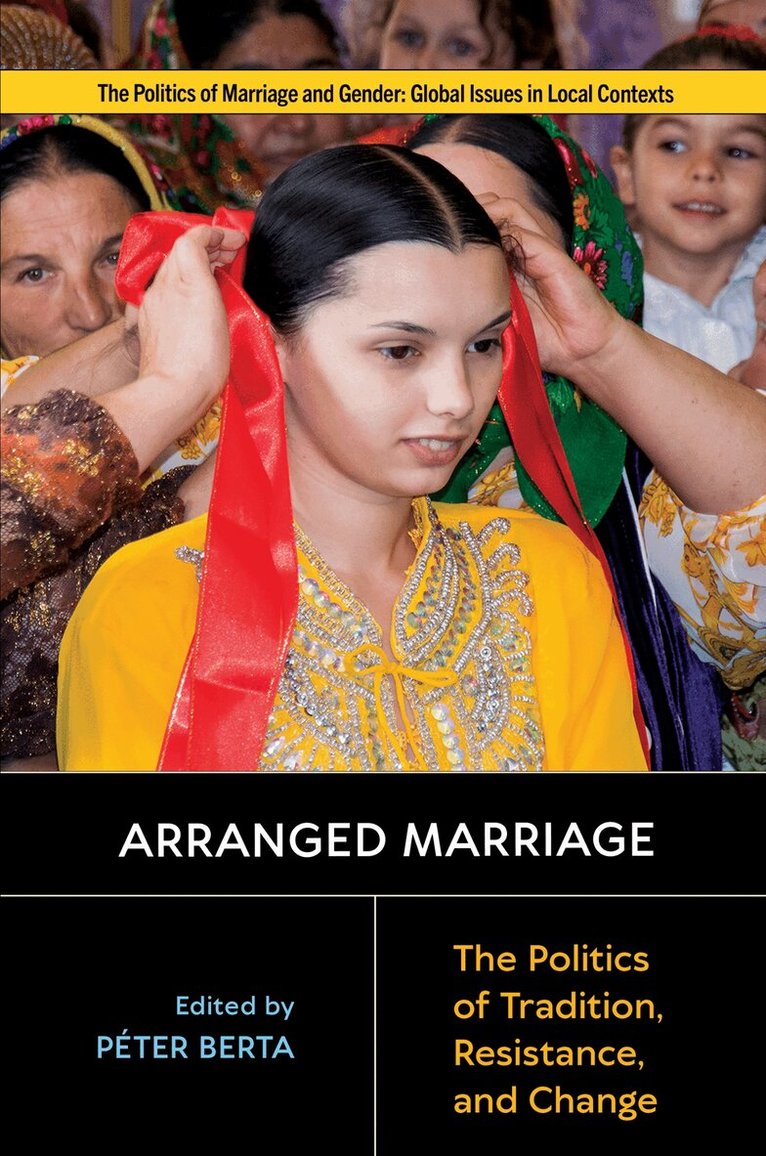
Arranged Marriage: The Politics of Tradition, Resistance, and Change shows how arranged marriage practices have been undergoing transformation as a result of global and other processes such as the revolution of digital technology, democratization of transnational mobility, or shifting significance of patriarchal power structures. The ethnographically informed chapters not only highlight how the gendered and intergenerational politics of agency, autonomy, choice, consent, and intimacy work in the contexts of partner choice and management of marriage, but also point out that arranged marriages are increasingly varied and they can be reshaped, reinvented, and reinterpreted flexibly in response to individual, family, religious, class, ethnic, and other desires, needs, and constraints. The authors convincingly demonstrate that a nuanced investigation of the reasons, complex dynamics, and consequences of arranged marriages offers a refreshing analytical lens that can significantly contribute to a deeper understanding of other phenomena such as globalization, modernization, and international migration as well as patriarchal value regimes, intergenerational power imbalances, and gendered subordination and vulnerability of women.
1 589 kr
Skickas inom 7-10 vardagar
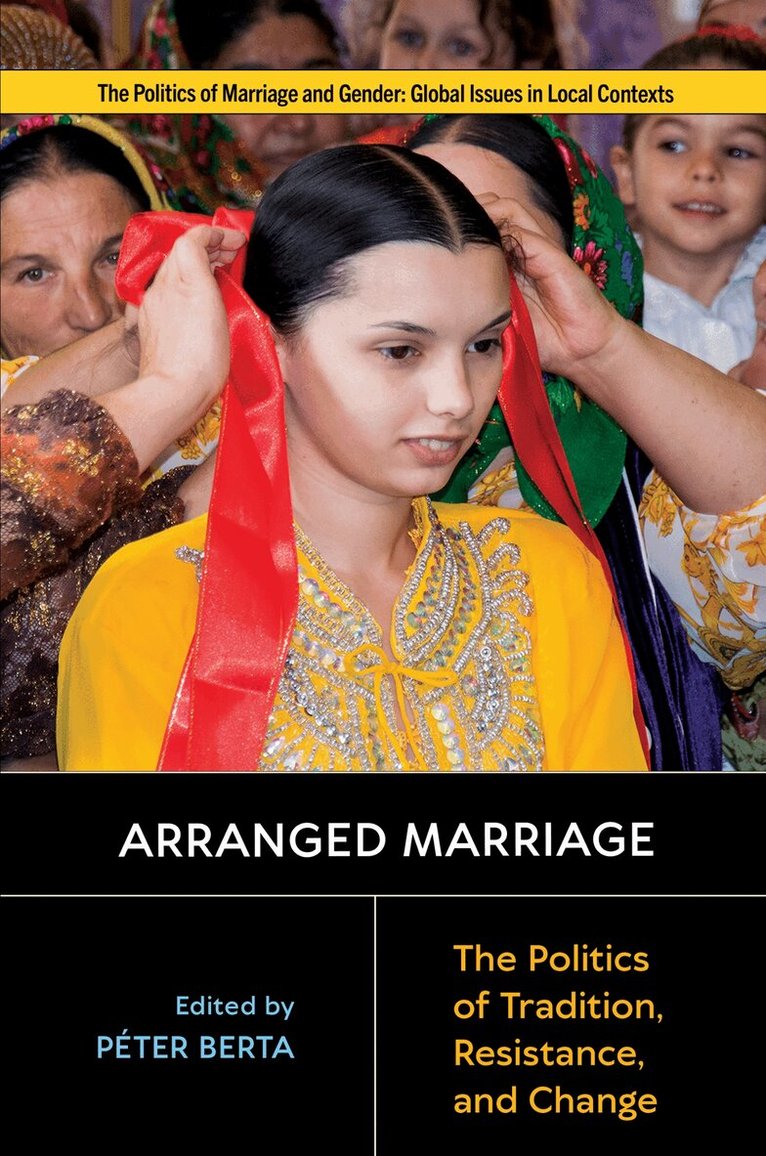
Arranged Marriage: The Politics of Tradition, Resistance, and Change shows how arranged marriage practices have been undergoing transformation as a result of global and other processes such as the revolution of digital technology, democratization of transnational mobility, or shifting significance of patriarchal power structures. The ethnographically informed chapters not only highlight how the gendered and intergenerational politics of agency, autonomy, choice, consent, and intimacy work in the contexts of partner choice and management of marriage, but also point out that arranged marriages are increasingly varied and they can be reshaped, reinvented, and reinterpreted flexibly in response to individual, family, religious, class, ethnic, and other desires, needs, and constraints. The authors convincingly demonstrate that a nuanced investigation of the reasons, complex dynamics, and consequences of arranged marriages offers a refreshing analytical lens that can significantly contribute to a deeper understanding of other phenomena such as globalization, modernization, and international migration as well as patriarchal value regimes, intergenerational power imbalances, and gendered subordination and vulnerability of women.