Peter H. Argersinger – författare
Visar alla böcker från författaren Peter H. Argersinger. Handla med fri frakt och snabb leverans.
9 produkter
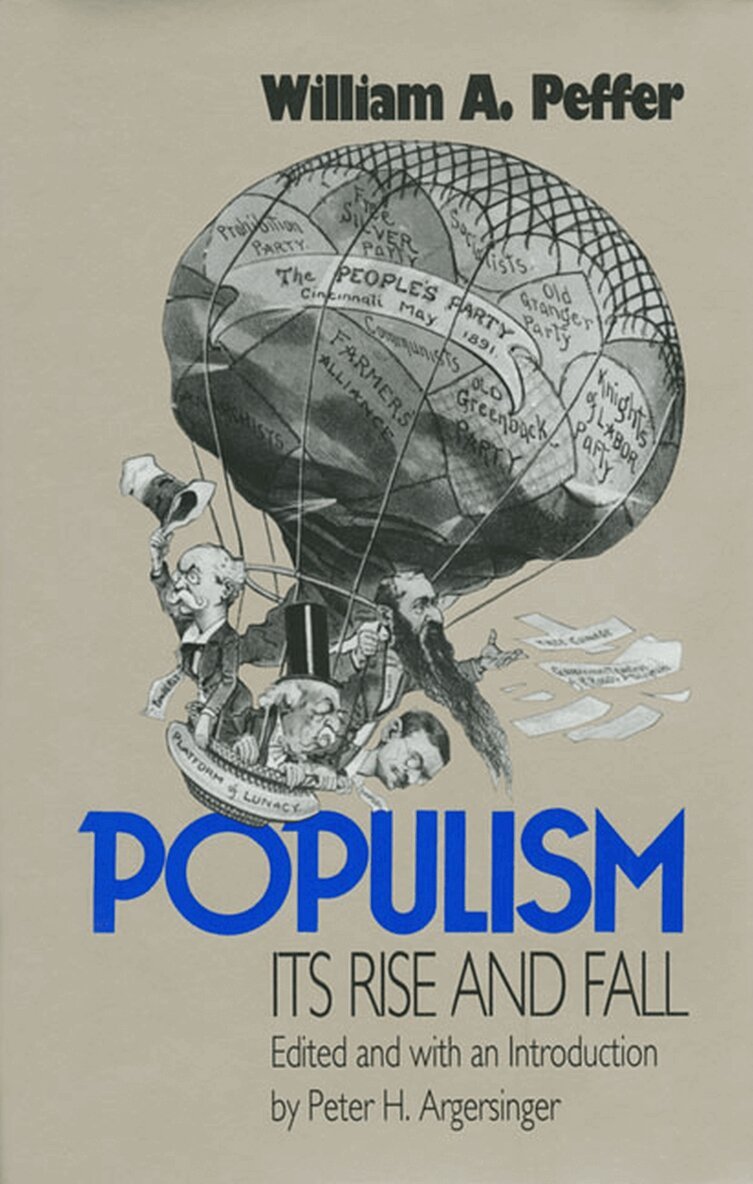
Populism, Its Rise and Fall
Av William A. Peffer, Peter H. Argersinger
Inbunden, 1991
667 kr
Lägg i varukorg
Before it was ""Populism"", the great reform movement of the 1890s was often called ""Pefferism"" after its most prominant leader, Kansas editor William Peffer. Peffer's memoir, ""Populism, Its Rise and Fall"" is the only significant memoir by a major Populist figure. The Populist movement arose as …
Populism and Politics
William Alfred Peffer and the People's Party
Häftad, 2014
517 kr
Lägg i varukorg
This study focuses attention of the People's party which existed for a short time in the 1890s. Despite its brief existence the party and the movement that brought it into being had a lasting effect on American politics and society. Populism originally developed outside the political system because …
Populism and Politics
William Alfred Peffer and the People's Party
E-bok, 2014
630 kr
Lägg i varukorg
This study focuses attention of the People's party which existed for a short time in the 1890s. Despite its brief existence the party and the movement that brought it into being had a lasting effect on American politics and society. Populism originally developed outside the political system because …
Structure, Process and Party:
Essays in American Political History
Inbunden, 1992
2585 kr
Lägg i varukorg
Challenging traditional approaches to the study of American political history, the essays in this book establish the significance of the institutional framework of the electoral system and argue the importance of its interaction with political conditions.
Representation and Inequality in Late Nineteenth-Century America
The Politics of Apportionment
Inbunden, 2012
1591 kr
Lägg i varukorg
This book demonstrates that apportionment, although long overlooked by scholars, dominated state politics in late nineteenth-century America, setting the boundaries not only for legislative districts but for the nature of representative democracy. The book examines the fierce struggles over …
Representation and Inequality in Late Nineteenth-Century America
The Politics of Apportionment
Häftad, 2015
569 kr
Lägg i varukorg
This book demonstrates that apportionment, although long overlooked by scholars, dominated state politics in late nineteenth-century America, setting the boundaries not only for legislative districts but for the nature of representative democracy. The book examines the fierce struggles over …
Structure, Process and Party:
Essays in American Political History
E-bok, 2019
765 kr
Lägg i varukorg
Challenging traditional approaches to the study of American political history, the essays in this book establish the significance of the institutional framework of the electoral system and argue the importance of its interaction with political conditions.
Structure, Process and Party:
Essays in American Political History
E-bok, 2019
765 kr
Lägg i varukorg
Challenging traditional approaches to the study of American political history, the essays in this book establish the significance of the institutional framework of the electoral system and argue the importance of its interaction with political conditions.
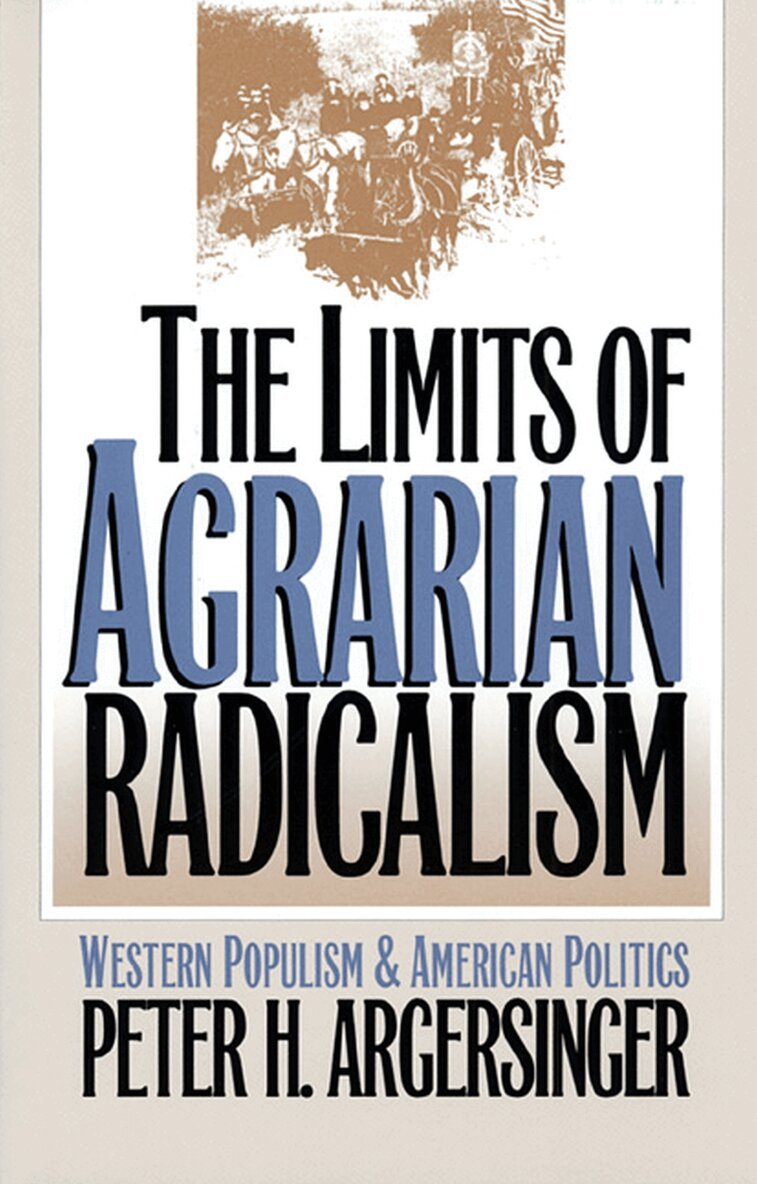
Limits of Agrarian Radicalism
Western Populism and American Politics
Inbunden, 1995
699 kr
Tillfälligt slut
Examining the struggles of political third parties in the US, this text focuses on the Populist era. It shows how Populism evolved to challenge the American political system and describes its volatile personalities, controversies, programmes and frustrations.