Peter Jeffree – författare
Visar alla böcker från författaren Peter Jeffree. Handla med fri frakt och snabb leverans.
6 produkter
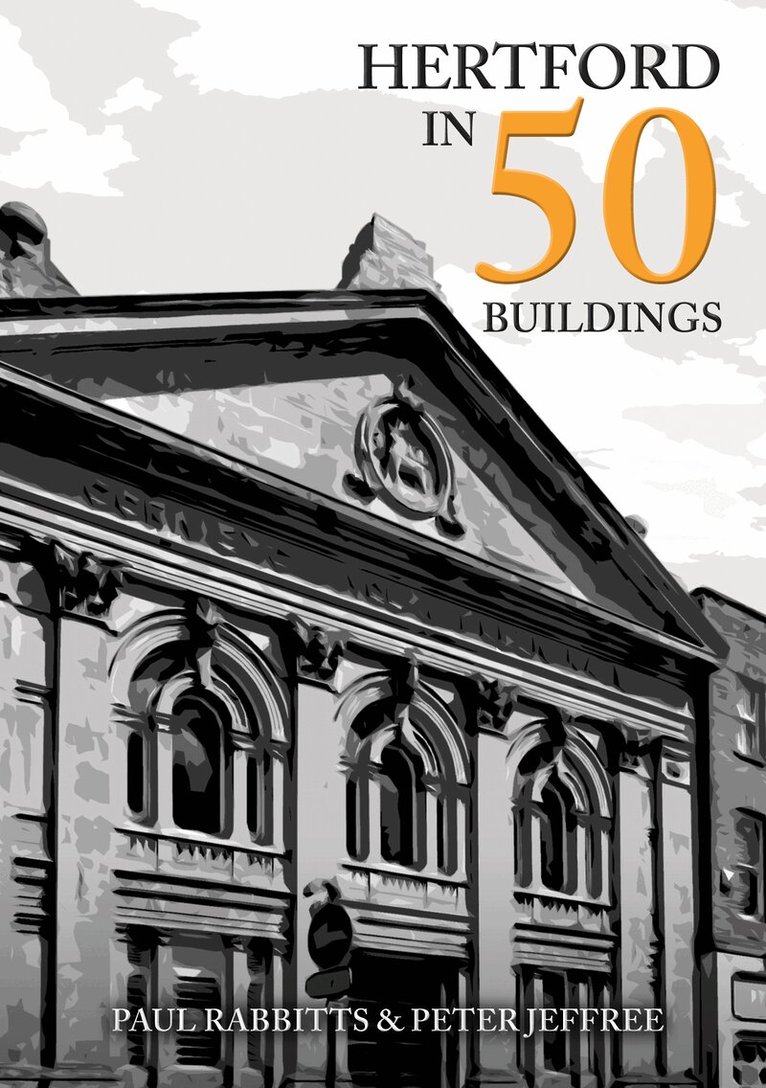
Hertford in 50 Buildings
Av Paul Rabbitts, Peter Jeffree
Häftad, 2023
181 kr
Lägg i varukorg
The River Lea and its crossing at Hertford lie at the heart of the town's history. Before the Norman Conquest the river formed a natural boundary between the Danelaw to the north and Saxon Wessex to the south. Saxon villages already existed at Bengeo and Hertingfordbury and, in 911 and 912, Edward …
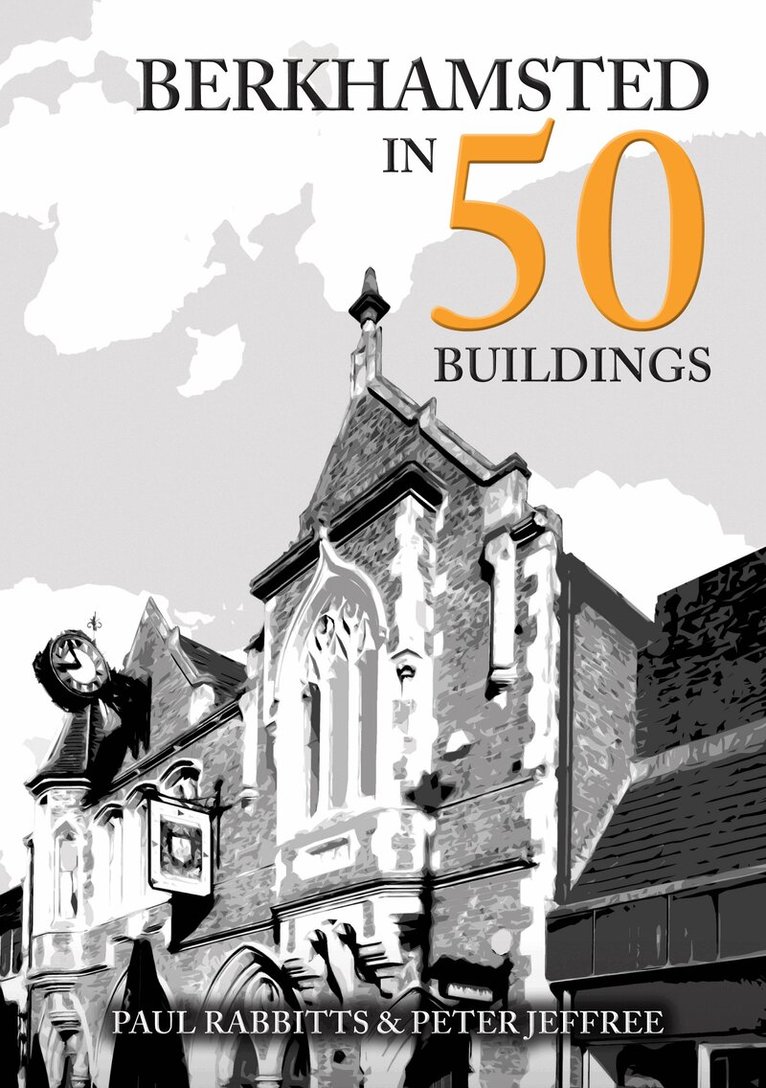
Berkhamsted in 50 Buildings
Av Paul Rabbitts, Peter Jeffree
Häftad, 2026
178 kr
Lägg i varukorg
Berkhamsted is a lively town in the Chiltern Hills with a history stretching back to before the Anglo-Saxons. Substantial ruins of the Norman castle remain, later associated with the Black Prince and Geoffrey Chaucer. Berkhamsted School was founded in 1541 and the High Street and the medieval core …
Berkhamsted in 50 Buildings
Av Peter Jeffree, Paul Rabbitts
E-bok, 2026
171 kr
Lägg i varukorg
Berkhamsted is a lively town in the Chiltern Hills with a history stretching back to before the Anglo-Saxons. Substantial ruins of the Norman castle remain, later associated with the Black Prince and Geoffrey Chaucer. Berkhamsted School was founded in 1541 and the High Street and the medieval core …
Hitchin in 50 Buildings
Av Paul Rabbitts, Peter Jeffree
Häftad, 2026
181 kr
Kommande
With its origins in the Saxon period, Hitchin is one of the oldest towns in Hertfordshire. Medieval Hitchin grew wealthy on grain, sheep, cattle, cloth-making, brewing, tanning and associated trades and the wealth can be seen in the fabric of St Mary’s Church. In the sixteenth century, new …
Hemel Hempstead in 50 Buildings
Av Paul Rabbitts, Peter Jeffree
Häftad, 2026
181 kr
Kommande
Although Hemel Hempstead is a new town, the first recorded mention of the town is in the Anglo-Saxon period. The old town saw planned development along the High Street in medieval times and in the early sixteenth century a borough charter was granted, giving the right to hold a weekly market and …
Bedford in 50 Buildings
Av Paul Rabbitts, Peter Jeffree
Häftad, 2027
181 kr
Kommande
Bedford became an important market town on the River Great Ouse during the Middle Ages. St Paul’s Church dates from this period and later both John Bunyan and John Wesley preached at the church. Lace making became the town’s major industry followed by other industries such as brewing and …