Peter Lees - Böcker
Visar alla böcker från författaren Peter Lees. Handla med fri frakt och snabb leverans.
4 produkter
4 produkter
637 kr
Skickas inom 10-15 vardagar
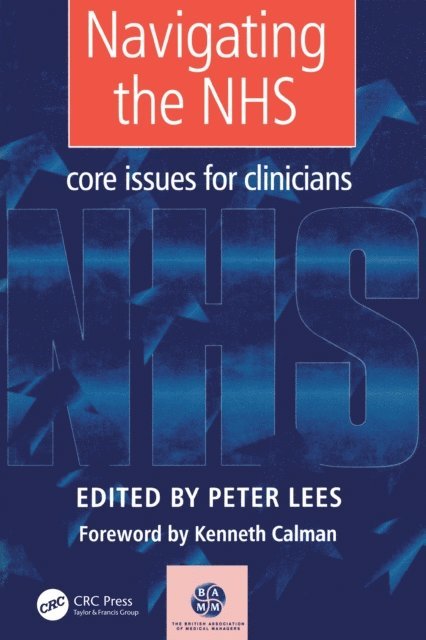
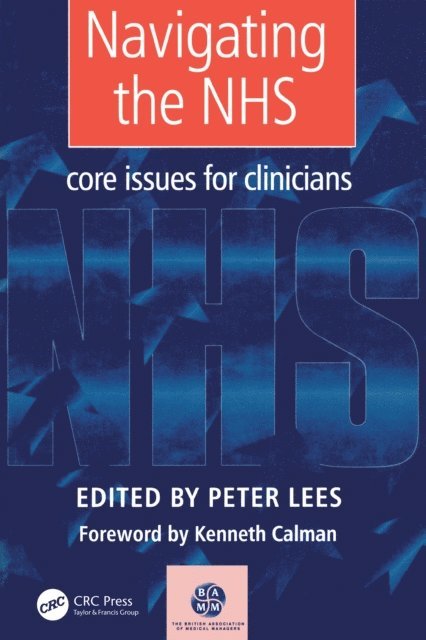
* What is NHS purchasing and where is it going? * What are the resource implications of shared care policies? * Why are casemix and clinical coding important in pricing contracts? * What should be the role of marketing in the NHS? * Where should a medical director's loyality lie? These are the sort of questions which clinical staff at all levels in today's NHS are expected to grasp. Navigating the NHS provides the answers. The full range of current management issues is explored, and each topic is presented clearly and concisely by authors with expert knowledge and experience. Navigating the NHS is written for the uninitiated, who need to absorb the central arguments rapidly. It is ideal for those seeking promotion. But the calibre fo the contributions is such that clinicians who already have considerable managerial responsibilities and even health service managers themselves will find it fascinating, challenging and enlightening.
637 kr
Skickas inom 10-15 vardagar
This book is vital for health service managers and clinicians, in both purchaser and provider organizations, in community and hospital settings. It helps the reader understand the principles and purposes of casemix and provides practical examples of using casemix groupings to manage services better. Its lessons are not just for acute services, but provide a way of understanding the complete spectrum of services required for a wide range of conditions, from individuals at risk to those with irreversible and progressive disease. The book explains why casemix groups are useful and the reasons for grouping and analysing patient records. It focuses on the difference between groupings of patients with conditions, and groupings of intervention episodes. Using both enables better identification of the services required to meet the needs of the population, and better communication between purchasers and providers. It has potential for managing the whole healthcare system from a population based perspective.
3 266 kr
Skickas inom 10-15 vardagar
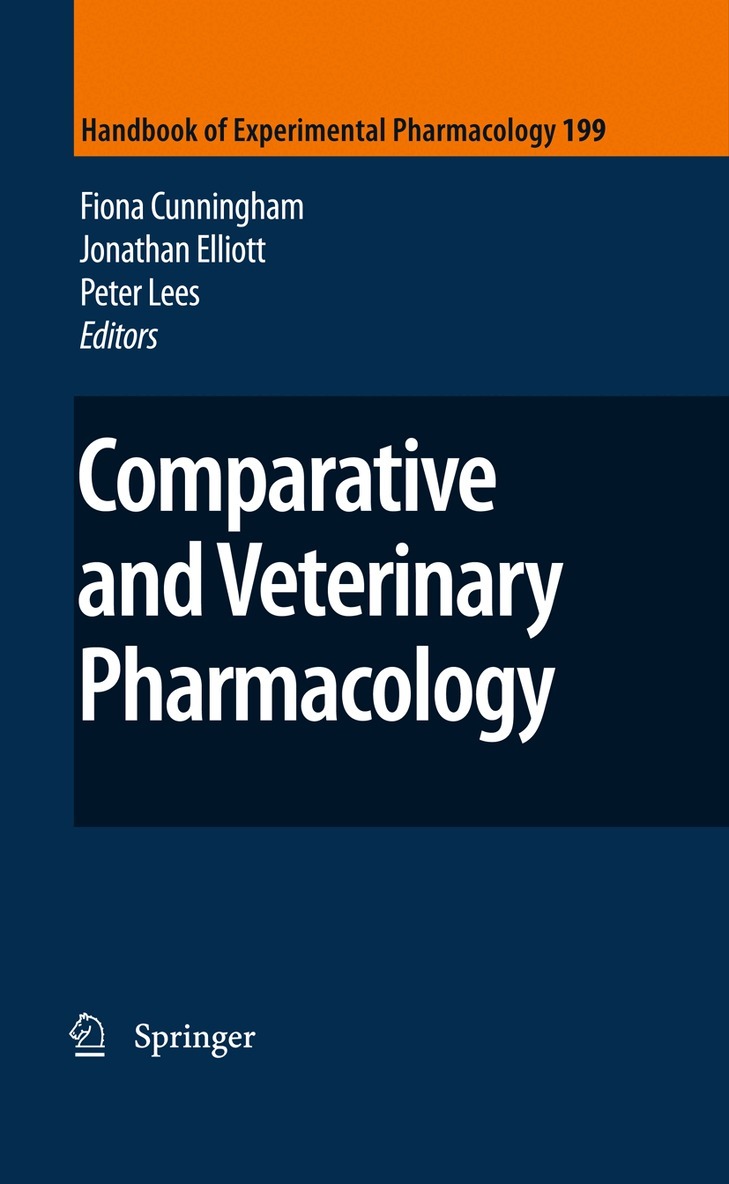
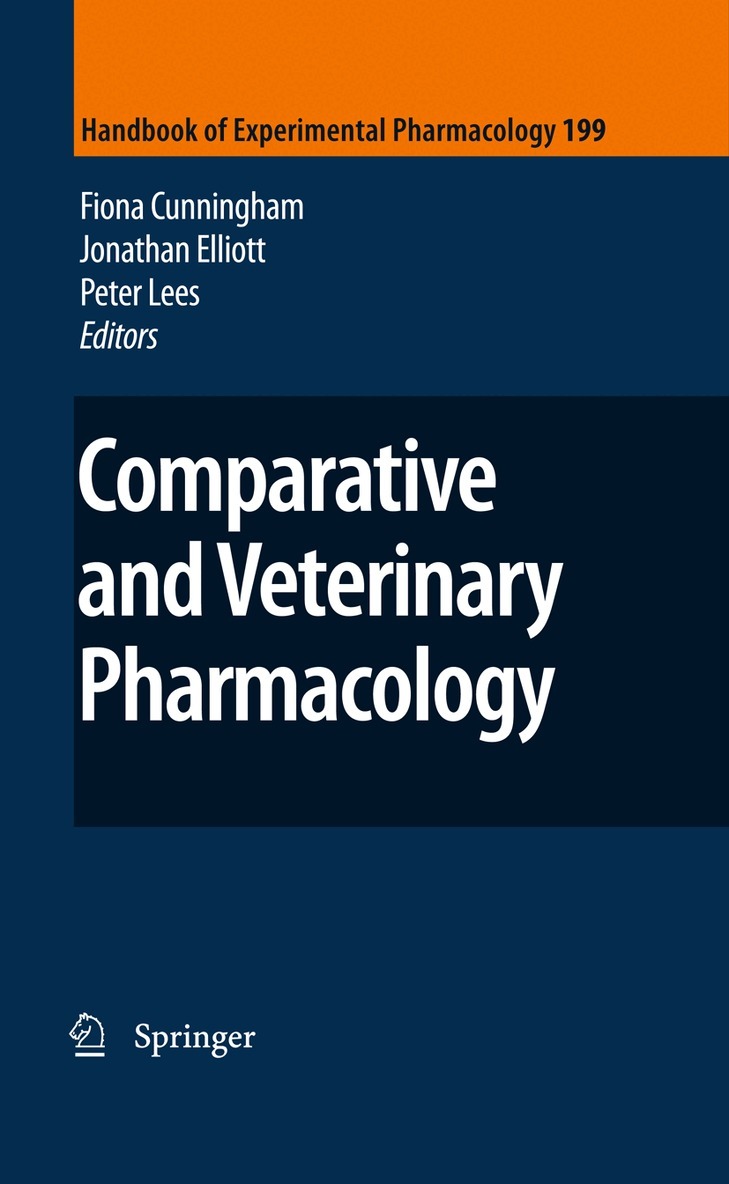
The human–animal bond has evolved and diversi?ed down the ages. Dogs, cats and even horses, have long ful?lled the role of faithful companion and indeed, as exempli?ed by the introduction of seeing and hearing dogs, there may be a critical level of co-dependency between the species. In the twenty-?rst century, the animal types that are kept as pets in many parts of the world are extensive ranging from reptiles through rodents to ruminants and beyond. As would be predicted by the nature of the relationship, the approach to treatment of a companion animal is often closely aligned to that which would have been offered to their owner. However, an increasing awareness of welfare issues, such as the recognition that animals expe- ence pain and the proven bene?ts of disease prevention in intensive farming units, together with the growth in zoos and wildlife parks, has increased the likelihood of food producing and non-domesticated animals receiving medicinal products during their life-time. Although many of the individual drugs or classes of drugs administered to animals are the same as, or derived from, those given to man, the safe and effective use of drugs in animals often cannot be achieved by simply transposing knowledge of drug action on, or behaviour in, the body from one species to another. The impact of the anatomical, physiological and pathophysiological variability that spans the animal kingdom can often profoundly alter drug response.
3 266 kr
Skickas inom 10-15 vardagar
The human–animal bond has evolved and diversi?ed down the ages. Dogs, cats and even horses, have long ful?lled the role of faithful companion and indeed, as exempli?ed by the introduction of seeing and hearing dogs, there may be a critical level of co-dependency between the species. In the twenty-?rst century, the animal types that are kept as pets in many parts of the world are extensive ranging from reptiles through rodents to ruminants and beyond. As would be predicted by the nature of the relationship, the approach to treatment of a companion animal is often closely aligned to that which would have been offered to their owner. However, an increasing awareness of welfare issues, such as the recognition that animals expe- ence pain and the proven bene?ts of disease prevention in intensive farming units, together with the growth in zoos and wildlife parks, has increased the likelihood of food producing and non-domesticated animals receiving medicinal products during their life-time. Although many of the individual drugs or classes of drugs administered to animals are the same as, or derived from, those given to man, the safe and effective use of drugs in animals often cannot be achieved by simply transposing knowledge of drug action on, or behaviour in, the body from one species to another. The impact of the anatomical, physiological and pathophysiological variability that spans the animal kingdom can often profoundly alter drug response.