Philip A. Shaw – författare
Visar alla böcker från författaren Philip A. Shaw. Handla med fri frakt och snabb leverans.
10 produkter
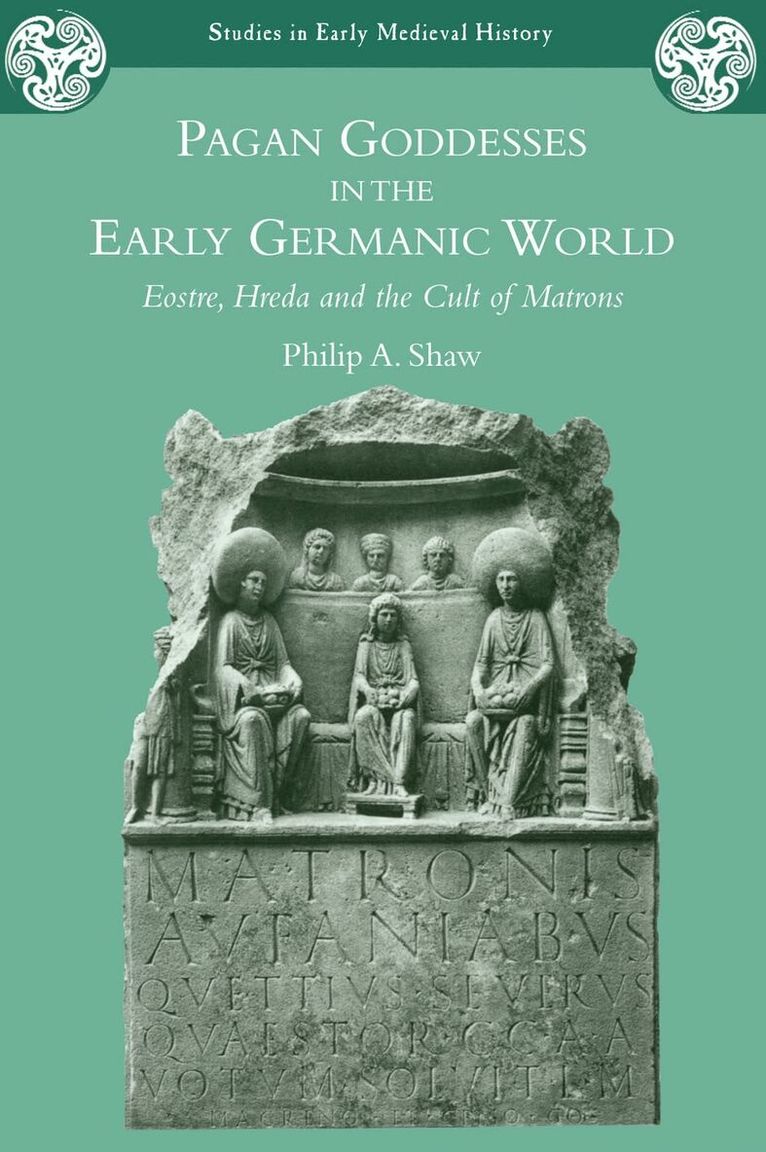
Pagan Goddesses in the Early Germanic World
Eostre, Hreda and the Cult of Matrons
Häftad, 2011
416 kr
Lägg i varukorg
This book considers evidence for Germanic goddesses in England and on the Continent, and argues that modern scholarship has tended to focus too heavily on the notion of divine functions or spheres of activity, such as fertility or warfare, rather than considering the extent to which goddesses are …
English Language
A Historical Introduction
Av Philip A. Shaw, Joan C. Beal m. fl.
E-bok, 2026
386 kr
Lägg i varukorg
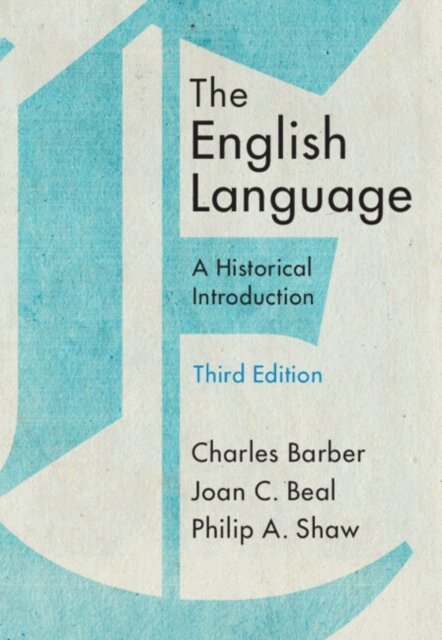
The English Language
A Historical Introduction
Av Charles Barber, Joan C. Beal m. fl.
Häftad, 2026
401 kr
Lägg i varukorg
A comprehensive yet concise history of the English language, this accessible textbook helps those studying the subject to understand the formation of English. It tells the story of the language from its remote ancestry to the present day, especially the effects of globalisation and the spread of, …
The English Language
A Historical Introduction
Av Charles Barber, Joan C. Beal m. fl.
Inbunden, 2026
951 kr
Lägg i varukorg
A comprehensive yet concise history of the English language, this accessible textbook helps those studying the subject to understand the formation of English. It tells the story of the language from its remote ancestry to the present day, especially the effects of globalisation and the spread of, …
English Language
A Historical Introduction
Av Philip A. Shaw, Joan C. Beal m. fl.
E-bok, 2026
386 kr
Lägg i varukorg
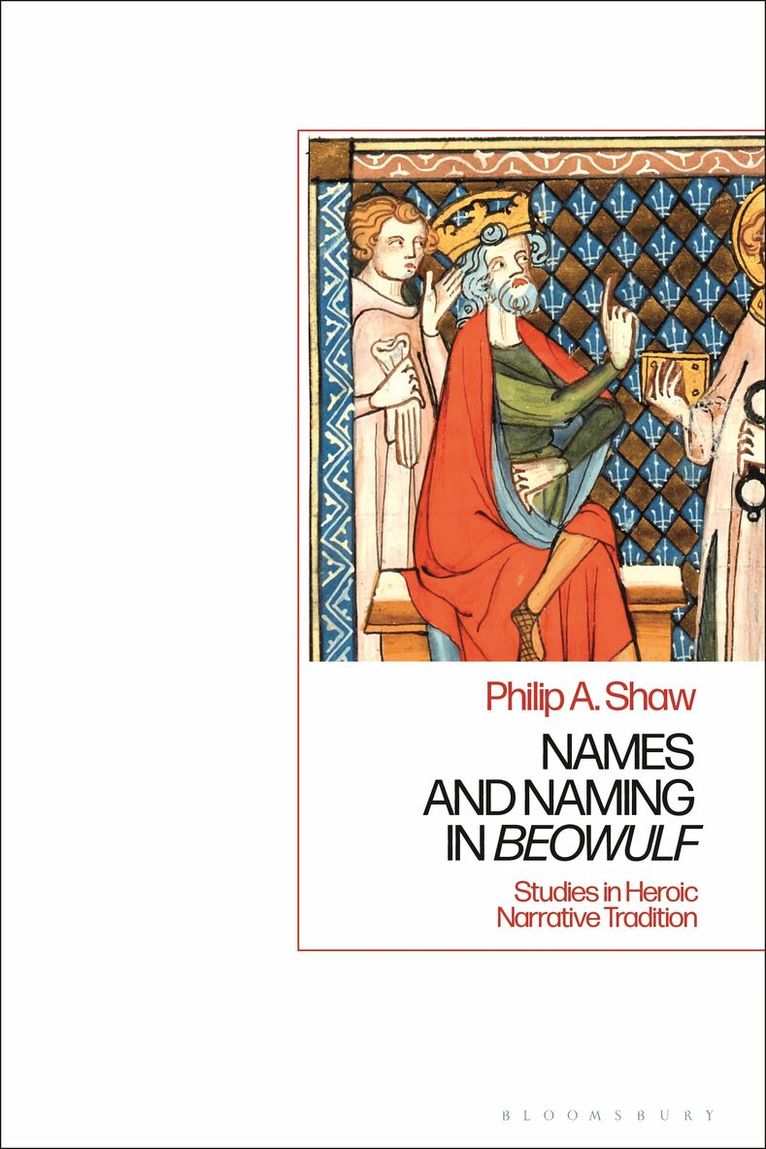
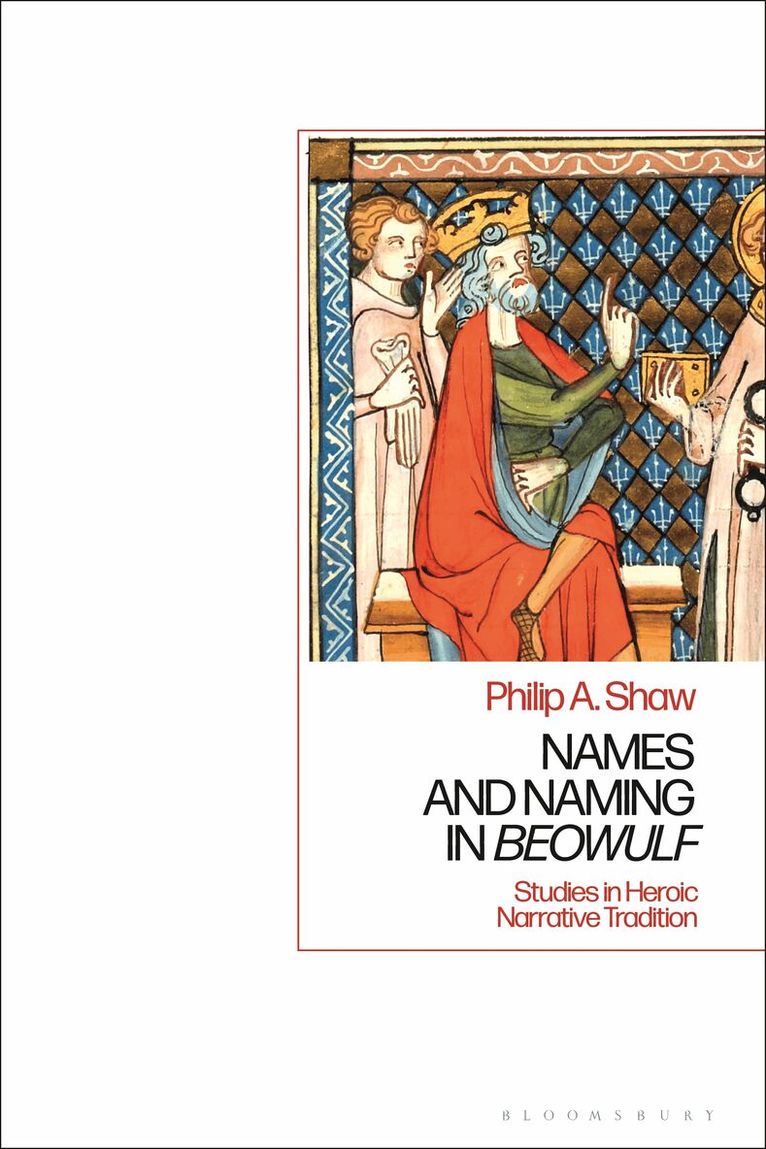
Names and Naming in 'Beowulf'
Studies in Heroic Narrative Tradition
Inbunden, 2020
1800 kr
Lägg i varukorg
‘Beowulf’, one of the earliest poems in the English language, recounts a tale of heroism played out against the backdrop of Scandinavia in the 5th to 6th centuries AD. And yet, this Old English verse narrative set in Scandinavia is – a little surprisingly, perhaps – populated with names of German …
Names and Naming in 'Beowulf'
Studies in Heroic Narrative Tradition
E-bok, 2020
574 kr
Lägg i varukorg
''Beowulf'', one of the earliest poems in the English language, recounts a tale of heroism played out against the backdrop of Scandinavia in the 5th to 6th centuries AD. And yet, this Old English verse narrative set in Scandinavia is – a little surprisingly, perhaps – populated with names of German …
Names and Naming in 'Beowulf'
Studies in Heroic Narrative Tradition
E-bok, 2020
574 kr
Lägg i varukorg
''Beowulf'', one of the earliest poems in the English language, recounts a tale of heroism played out against the backdrop of Scandinavia in the 5th to 6th centuries AD. And yet, this Old English verse narrative set in Scandinavia is – a little surprisingly, perhaps – populated with names of German …
Names and Naming in 'Beowulf'
Studies in Heroic Narrative Tradition
Häftad, 2022
529 kr
Lägg i varukorg
‘Beowulf’, one of the earliest poems in the English language, recounts a tale of heroism played out against the backdrop of Scandinavia in the 5th to 6th centuries AD. And yet, this Old English verse narrative set in Scandinavia is – a little surprisingly, perhaps – populated with names of German …
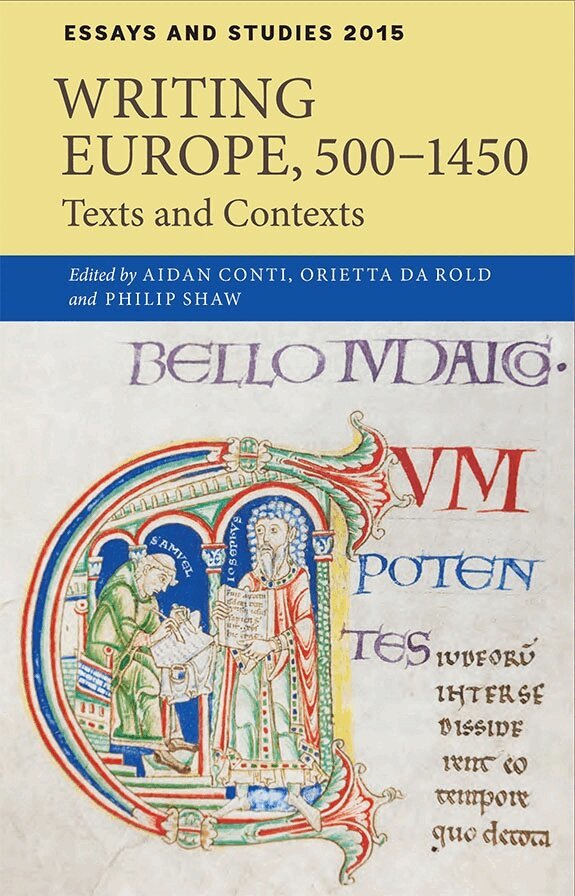
Writing Europe, 500-1450
Texts and Contexts
Av Aidan Conti, Orietta Da Rold m. fl.
Inbunden, 2015
516 kr
Lägg i varukorg
Essays on the writing and textual culture of Europe in the middle ages.Medieval Europe was characterized by a sophisticated market for the production, exchange and sale of written texts. This volume brings together papers on a range of topics, centred on manuscript studies and textual criticism, …