Philip Dorroll - Böcker
Visar alla böcker från författaren Philip Dorroll. Handla med fri frakt och snabb leverans.
6 produkter
6 produkter
2 098 kr
Kommande
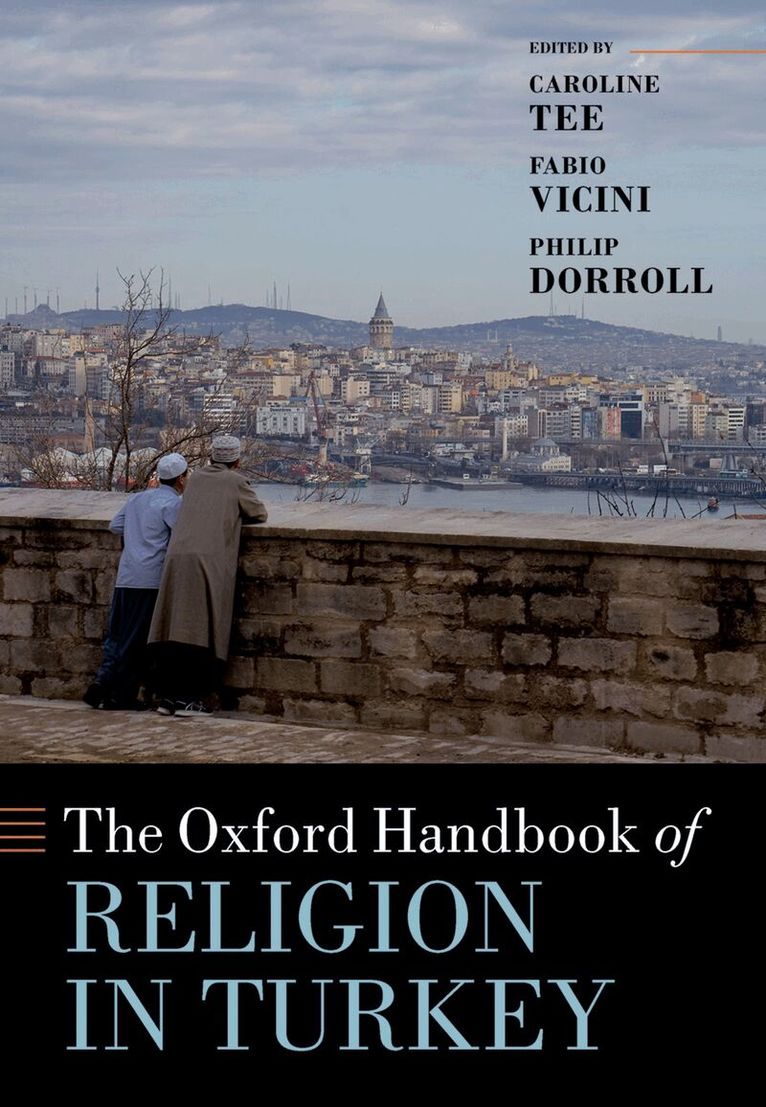
Since its foundation in 1923, the Republic of Turkey has had a complex and often misunderstood relationship with religion. The constitutional laïcité implemented by its founders is unique in a Muslim context, and although the majority of the population identifies as Muslim, the state recognizes no official religion. Despite this secular stance, Islam has been resurgent in Turkey in the 21st century. Moreover, the relative openness of Turkish society has cultivated vibrant religious (and non-religious) minority communities, placing it at the forefront of global demographic changes in religion. As a result, Turkey has fostered a perennial dynamism among expressions of religious practice, belief, and identity. The Oxford Handbook of Religion in Turkey offers a comprehensive analysis of the ways in which religion is understood, experienced, and contested in contemporary Turkey. The Handbook is arranged into thematic sections dealing with religion and the origin of the state, theological trends in the early republic, Islam in rural and urban settings, religious minorities, religion and culture, religion and politics, and modern intellectual and religious trends. Though this is a seemingly narrow topic, the subject of religion in Turkey attracts considerable interest both within and outside of the academy. Paradoxically, the study of modern Turkish theology is still in its infancy in the Western academy, not only because of the inaccessibility of the sources to non-Turkish speakers, but also because of an over-emphasis on the study of Turkish secularism, to the detriment of the study of religion itself. The Handbook thus represents an important intervention by presenting themes from modern Turkish theology, while opening the field of religious and Islamic studies to include more voices from Turkey. With co-editors in chief specializing in religious studies, theology, and anthropology, the Handbook provides the definitive reference work in this growing field.
1 203 kr
Skickas inom 7-10 vardagar
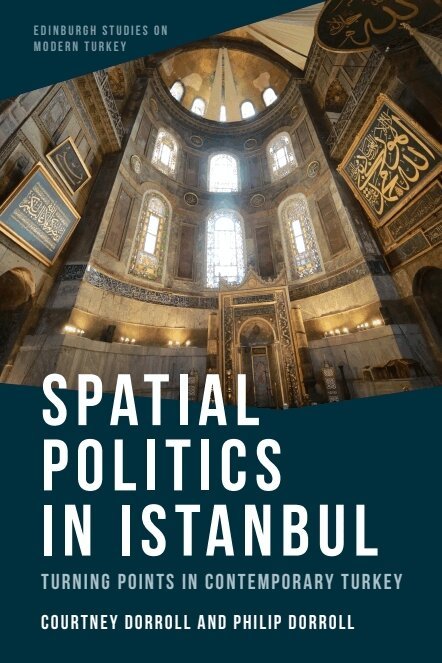
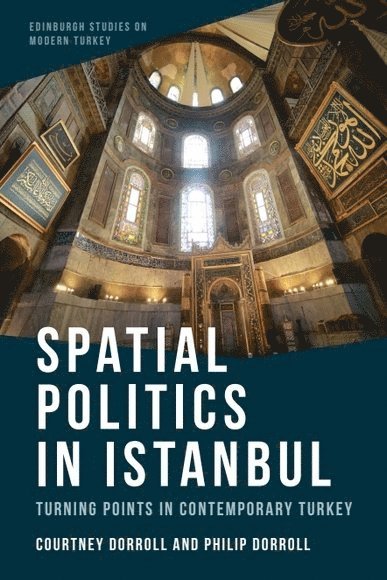
Analyses contemporary Turkish social and political transformation from 2010 to 2020 through the urban landscape of IstanbulAnalyses contemporary Turkey through the series of these key events, especially as they relate to the recent history of IstanbulUses an interdisciplinary perspective that incorporates the intersection of religion, politics and space through attention to architecture and the urban landscapeAdopts an accessible but rich interpretive method that covers a wide range of political and religious issues crucial to understanding Turkey's most recent historyProvides an original analysis of the decade of 2010-2020 in contemporary Turkish history through a series of case studies of the decade's key eventsUses an interdisciplinary perspective that incorporates the intersection of religion, politics and space through attention to architecture and the urban landscapeUtilises an accessible but rich interpretive method that covers a wide range of political and religious issues crucial to understanding Turkey's most recent historyOver the past decade, the AKP, under the leadership of Recep Tayyip Erdogan, has decisively turned Turkish politics in the direction of conservative Turkish Islamic national identity. Through an analysis of four case studies - the 2010 designation of Istanbul as the European Capital of Culture, the 2013 Gezi Park protests, the association of the first Bosphorus bridge with the 2016 coup attempt, and the transition of Hagia Sophia from museum to mosque in 2020 - the book identifies key moments of change and describes how the AKP has restructured public spaces in Istanbul to reflect its values.This book explores the momentous shifts in power during a crucial decade in Turkish history, 2010-2020, by analyzing how these events have produced shifts in the physical landscape of Istanbul. Through an analysis of four case studies, the book focuses on the role of the Turkish state under the AKP in the restoration of conservative Islamic and Neo-Ottoman imagery and iconography in public space through the intentional transformation of architecture and the built environment. A specific ideological framework undergirded the AKP's conception of the built environment, the plans it implemented to transform it, and the forms of resistance that these plans generated. This specific ideological framework is here termed Erdo?anian Neo-Ottomanism, which describes AKP's use of the power of the state to shape the urban landscape in their social and ideological image. This phenomenon is the subject of this book's analysis.
496 kr
Skickas inom 3-6 vardagar
Over the past decade, the AKP, under the leadership of Recep Tayyip Erdo?an, has decisively turned Turkish politics in the direction of conservative Islamic national identity. A specific ideological framework undergirded the AKP's conception of the built environment, the plans it implemented to transform it and the forms of resistance that these plans generated. This framework is termed Erdo?anian Neo-Ottomanism and describes AKP's use of the power of the state to shape public surroundings in their social and ideological image. By utilising an interdisciplinary approach that incorporates religion, politics and space, Courtney Dorroll and Philip Dorroll focus on the role of the Turkish state under the AKP in the restoration of traditional Islamic and Neo-Ottoman imagery and iconography.This book explores the momentous shifts in power during this crucial decade in Turkish history through an analysis of four case studies. The 2010 designation of Istanbul as the European Capital of Culture, the 2013 Gezi Park protests, the Monument to the Martyrs of July 15 and associated memorial practices related to the 2016 coup attempt and the transition of Hagia Sophia from museum to mosque in 2020 these are identified as the most prominent ways in which the AKP has restructured public spaces in Istanbul to reflect its values. The authors scrutinise this phenomenon and intentional transformation of the physical landscape through an accessible but interpretive method that uncovers issues crucial to understanding Turkey's most recent history.
1 266 kr
Skickas inom 7-10 vardagar
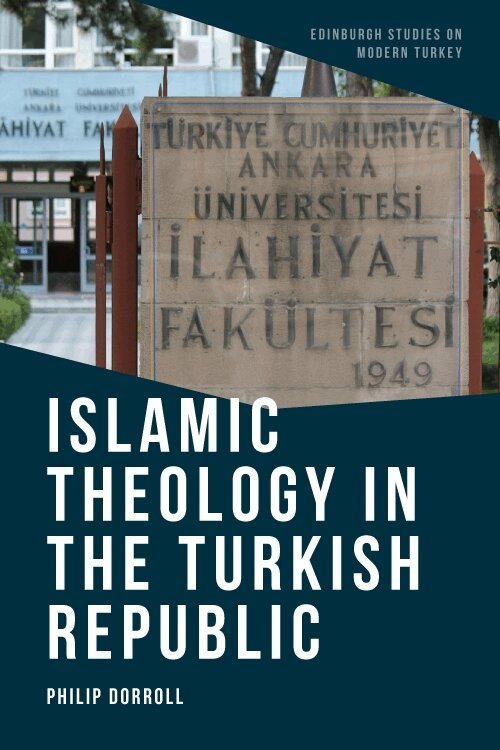
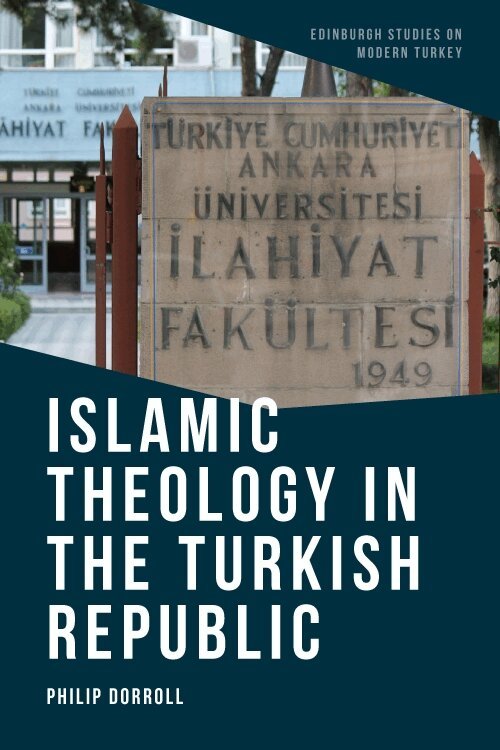
Philip Dorroll argues that Turkish Islamic theology is in fact a distinct tradition of Islamic theological thought, shaped by the unique social conditions of the Turkish Republic. Tracking the emergence and development of this tradition over time, Dorroll examines the key themes of theology in the Turkish Republic; themes such as nationalism and democracy; conceptions of God and humanity; the definition of religion itself and theological arguments for secularism; and theologies of human rights, gender and sexuality. In doing so, he provides an important historical and conceptual map to the vast territory of modern Turkish theology.
496 kr
Skickas inom 3-6 vardagar
Examines key themes in Turkish Islamic theology, from nationalism to religion and from democracy to gender identityExtensively analyses numerous late-Ottoman and modern Turkish Muslim theologians, such as ?smail Hakk? ?zmirli, Bekir Topalo?lu, H seyin Atay, Hayrettin Karaman, S nmez Kutlu, Hidayet ?efkatli Tuksal, H lya Alper and Emine ? kExplores how modern Turkish theologians have grappled with issues such as nationalism and democracy; conceptions of God and humanity; the definition of religion itself and theological arguments for secularism; and theologies of human rights, gender and sexualityBased on a range of Turkish language theological sources not available in English and never before analysed in EnglishPhilip Dorroll argues that Turkish Islamic theology is in fact a distinct tradition of Islamic theological thought, shaped by the unique social conditions of the Turkish Republic. Tracking the emergence and development of this tradition over time, Dorroll examines the key themes of theology in the Turkish Republic. In doing so, he provides an important historical and conceptual map to the vast territory of modern Turkish theology.
1 870 kr
Skickas inom 11-20 vardagar
Trotz ihres Status als eine der großen Traditionen des islamischen Denkens sind die Māturīdī-Schule und ihre wichtigsten Texte für ein westliches Publikum weitgehend unzugänglich geblieben. Als erster Reader zu māturīdischer Theologie in westlicher Sprache, bietet dieser Band ausgewählte māturīdische Texte zu klassischen Fragen islamischer systematischer Theologie, vom Gründer dieser wichtigen sunnitischen Tradition bis ins 18. Jahrhundert.