Philip Esler - Böcker
Visar alla böcker från författaren Philip Esler. Handla med fri frakt och snabb leverans.
11 produkter
11 produkter
538 kr
Skickas inom 5-8 vardagar
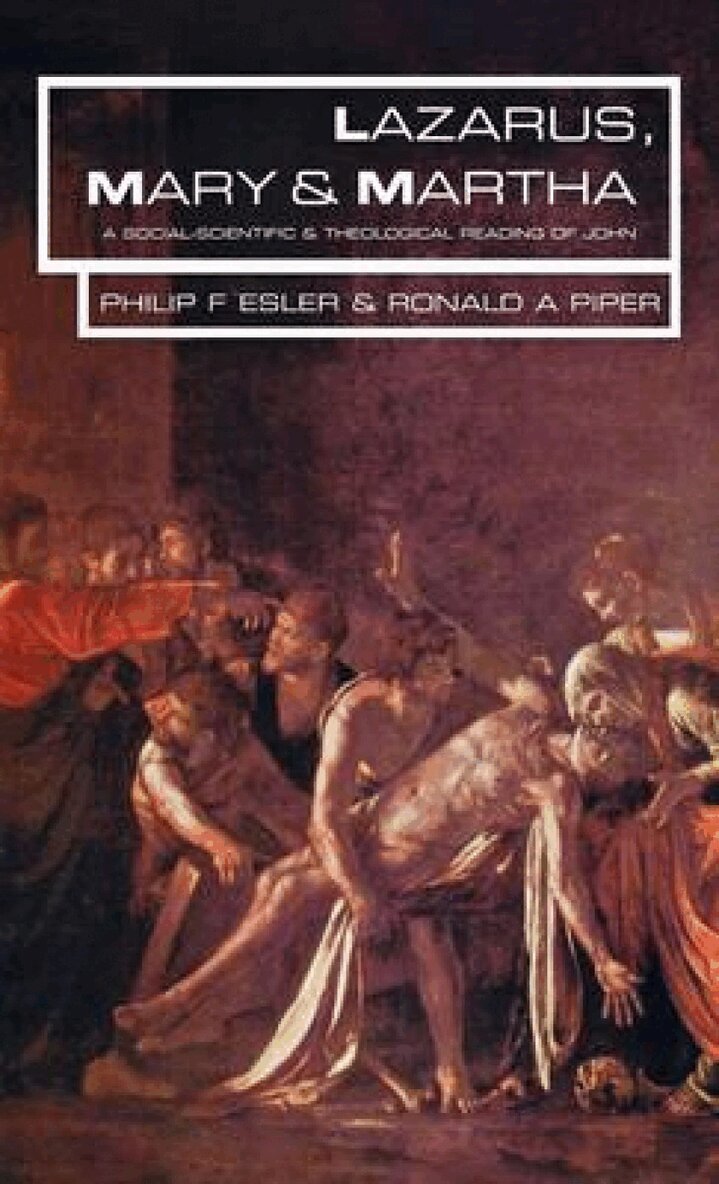
The story of Lazarus in John 11-12 typically has been understood by scholars to act as a prototype for what was to follow in the form of the resurrection of Christ. In this book, Esler and Piper examine the raising of Lazarus, the relationship between him and his two sisters Mary and Martha, and examine the theological implications of a social scientific critique of this relationship and the Lazarus story in general. By this we mean that the authors examine the story using social identity theory, an approach that forms part of the flourishing field of social psychology. The authors set out what social identity theory actually means, how it works, with specific reference to group identity, and they apply it to John's Gospel. In addition, the authors have taken examinations of the catacomb art from Rome to provide empirical confirmation of their argument. The book concludes by setting out some of the theological dimensions of the investigation, and ultimately provides fresh theological insight into this New Testament text.
450 kr
Skickas inom 5-8 vardagar
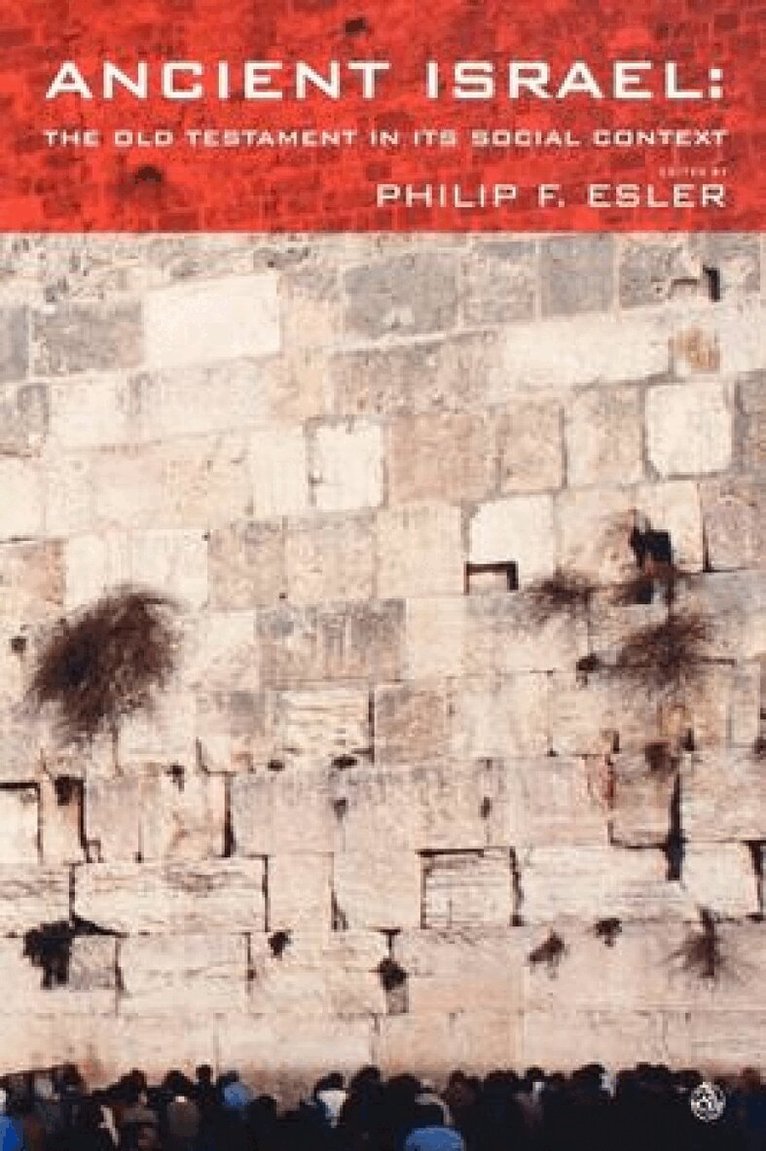
The book begins by providing a brief history and overview of social scientific analysis of the Old Testament, to bring the reader up to speed with the current scholarship. The remaining chapters are divided into three parts. The first part of the book, chapters 3-9, apply social-scientific models to general issues in Old Testament research, issues such as tribalism, polygamy, rituals and in particular sacrifice, the practice of exchange and the acquisition of wealth in the biblical world. Three models of patron and client, limited wealth, and honour and shame are used. The second part, chapters 10-16, apply social-scientific models to particular texts, including Micah 1-3 and Micah 6: 9-15 on economic states, the use of euphemisms for male genetalia in Deuteronomy 25: 11-12 using cross-cultural sociolinguistc research, the sacrifice of Jephthah's daughter is examined in an honour and shame framework, examining Judges 10 to 11, and in 2 Samuels 10-13, the social dynamic of challenge and response is examined in relation to David's sacking of Rabbah. Chapter 14 looks at Ezekiel and the call to be a prophet, and uses the social-scientific disciplines of cultural anthropology and cognitive neuroscience to analyse the call, to better understand and appreciate this event. Symbols of war are examined in the final chapter in this part, in Maccabees 1, applying anthropological theories of war. The third part of the book, chapters 18-20, focuses on hermeneutical issues, looking first at psychological interpretations, then identity theory and political interpretations and finally at the role of social sciences as a whole in biblical interpretation.
Modelling Early Christianity
Social-Scientific Studies of the New Testament in its Context
Inbunden, Engelska, 1995
2 088 kr
Skickas inom 10-15 vardagar
Modelling Early Christianity explores the intriguing foreign social context of first century Palestine and the Greco-Roman East, in which the Christian faith was first proclaimed and the New Testament documents were written. It demonstrates that a sophisticated analysis of the context is essential in order to understand the original meaning of the texts.The contributors examine social themes such as early Christian group formation, the centrality of kinship and honour and the economic setting. They offer a wealth of novel and socially realistic interpretations which make sense of the texts. At the same time, Modelling Early Christianity contains significant new ideas on the relationship between social-scientific and literary-critical analysis, the theoretical justification for model-use and the way these new approaches can fertilise contemporary Christian theology.
Modelling Early Christianity
Social-Scientific Studies of the New Testament in its Context
Häftad, Engelska, 1995
657 kr
Skickas inom 10-15 vardagar
Modelling Early Christianity explores the intriguing foreign social context of first century Palestine and the Greco-Roman East, in which the Christian faith was first proclaimed and the New Testament documents were written. It demonstrates that a sophisticated analysis of the context is essential in order to understand the original meaning of the texts.The contributors examine social themes such as early Christian group formation, the centrality of kinship and honour and the economic setting. They offer a wealth of novel and socially realistic interpretations which make sense of the texts. At the same time, Modelling Early Christianity contains significant new ideas on the relationship between social-scientific and literary-critical analysis, the theoretical justification for model-use and the way these new approaches can fertilise contemporary Christian theology.
634 kr
Skickas inom 5-8 vardagar
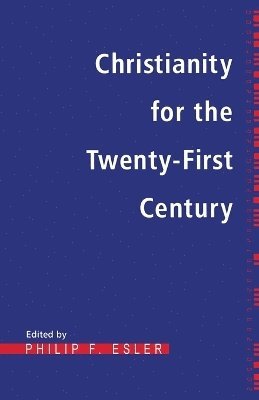
As we enter the twenty-first century after Christ's birth, does Christianity have a clear future? Does it have the resources to meet the challenges of the new millennium thrown up in a world grown increasingly secular and pluralist? Can its theological and moral vision help build a future which is more informed, more compassionate, more just?Philip F. Esler and a team of expert contributors provide a basis for saying 'yes' to these questions. By looking at how Chrstianity has responded to various challenges and at many strands in its rich ethical tradition, they show that Christians could have an important voice in the future.In a spirit of open engagement with concerns central to our age, such as the role of science, the environment, poverty and riches, gender issues and war and peace, the contributors consider the continuing importance and vitality of the Christian tradition and demonstrate how its nature and insights might enrich the next millennium.The team of contributors comprises Ian Bradley, Philip F. Esler, Tim Gorringe, Michael Keeling, James P. Mackey, Steven G. Mackie, George M. Newlands, Ruth Page and Keith Whitelam.Introduction: Christianity for the Twenty-First CenturyPart OneChristianity: Critiques and ChallengesChristianity and ScienceChristianity and Secular HumanismChristianity and MarxismPart TwoChristian Ethics in a Secular ContextPoverty and Riches in the Bible and the Third WorldWomen and ReligionChristianity, Ecology and the EnvironmentChristianity, War and PeaceEpilogueAfter Christianity?
1 564 kr
Skickas inom 5-8 vardagar
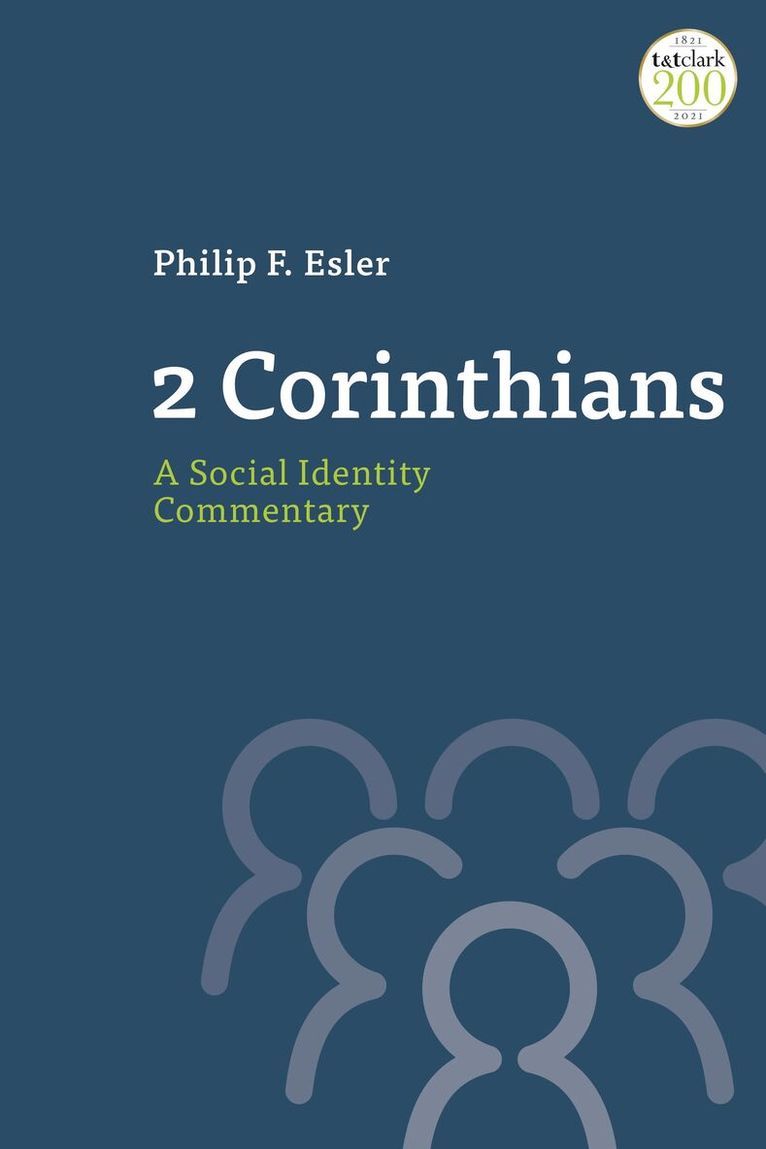
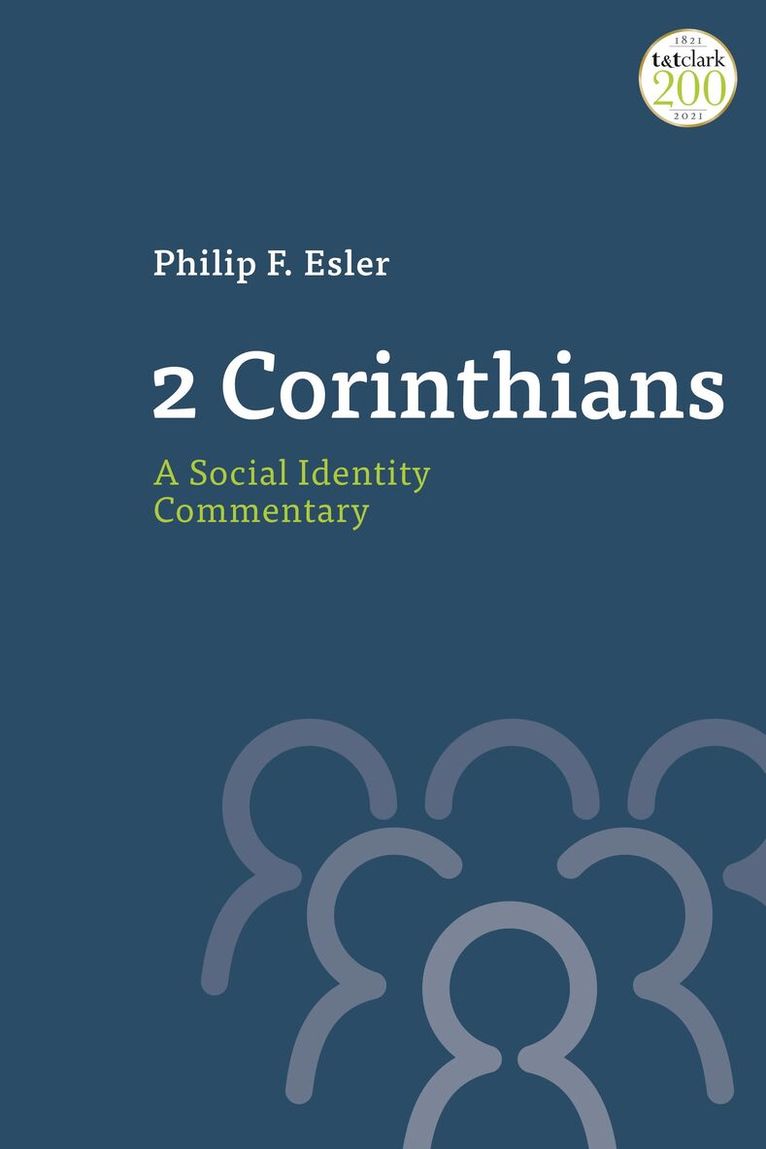
Philip F. Esler provides a comprehensive coverage of the issues in 2 Corinthians from the perspective of social identity, with a focus on Paul’s leadership.Esler enlists social identity theory—in critical dialogue with existing scholarship—to show how Paul sought to persuade the Corinthian Christ-followers to adopt certain views on four critical issues that had arisen in his relationship with them, with his discourse demonstrably reflecting the ancient Mediterranean culture they shared. Two introductory chapters set out those four issues, summarise the events reflected in 1 and 2 Corinthians, make an initial case for the integrity of the letter against partition theories, explain and defend the use of social identity theory in biblical interpretation, and describe the social identity approach to leadership. In the commentary, Esler explores how Paul re-establishes his leadership role by reconnecting with the Corinthians, urges their participation in the collection for Jerusalem, and defends his position against recently arrived opponents, all the while reinforcing his addressees’ social identity as Christ-followers. Prominent features of the commentary fostered by its social identity perspective include its cumulative case for the letter’s unity, for Paul’s opponents being similar to those in Galatia, and for the interweaving of social and theological dimensions in the text.
479 kr
Skickas inom 5-8 vardagar
Philip F. Esler provides a comprehensive coverage of the issues in 2 Corinthians from the perspective of social identity, with a focus on Paul’s leadership.Esler enlists social identity theory—in critical dialogue with existing scholarship—to show how Paul sought to persuade the Corinthian Christ-followers to adopt certain views on four critical issues that had arisen in his relationship with them, with his discourse demonstrably reflecting the ancient Mediterranean culture they shared. Two introductory chapters set out those four issues, summarise the events reflected in 1 and 2 Corinthians, make an initial case for the integrity of the letter against partition theories, explain and defend the use of social identity theory in biblical interpretation, and describe the social identity approach to leadership. In the commentary, Esler explores how Paul re-establishes his leadership role by reconnecting with the Corinthians, urges their participation in the collection for Jerusalem, and defends his position against recently arrived opponents, all the while reinforcing his addressees’ social identity as Christ-followers. Prominent features of the commentary fostered by its social identity perspective include its cumulative case for the letter’s unity, for Paul’s opponents being similar to those in Galatia, and for the interweaving of social and theological dimensions in the text.
572 kr
Skickas inom 5-8 vardagar
William S. Campbell provides a comprehensive commentary on Paul’s most challenging letter. In conversation with reception history and previous scholarship, he emphasizes the contextuality of Romans as a letter to Rome, using social identity theory combined with historical, literary and theological perspectives to arrive at a coherent reading of the entire letter. Because Paul has never visited Rome and is not the founder of the Christ-movement there, Campbell argues that his guidance and teaching are formulated more cautiously than in his other letters. Yet the long list of people who had previous links with him and his mission to the ‘gentiles’ demonstrates that Paul is well-informed about the situation in Rome and addresses issues that have arisen.With Christ the Messianic Time is beginning, but there was some lack of clarity in Rome about the implications of this for Jews and gentiles. Rather than ethne in Christ replacing Israel, as some in Rome possibly concluded, Campbell stresses that Paul affirms the irrevocable calling of Israel, and that simultaneously the identity of ethne in Christ is also called alongside the people Israel; thus, the integrity of the identity of both is affirmed as indispensable for God’s purpose now revealed in Christ. Campbell fully demonstrates how Paul in Romans achieves this by the social and theological intertwining of the message of the gospel.
649 kr
Kommande
Paul’s first letter to the Corinthians deals with key aspects of the formation of the Christian community at Corinth. Paul uses his correspondence with the Corinthians to address issues of morality, of community structure, of ritual and of religious behaviour. The letter is a key document for understanding the development of Christianity and for understanding Christianity in its earliest context.In this Social Identity Commentary, J. Brian Tucker provides a comprehensive coverage of the issues and concerns related to 1 Corinthians from the perspective of social identity. Tucker outlines his interpretation of the theoretical issues concerned, and then applies this to provide a clear overview of historical and critical issues related to the study of 1 Corinthians. This provides a clear engagement with the text that will serve as a useful resource for scholars, students, clergy, and people interested in the formation and purpose of the letter.
1 555 kr
Skickas inom 10-15 vardagar
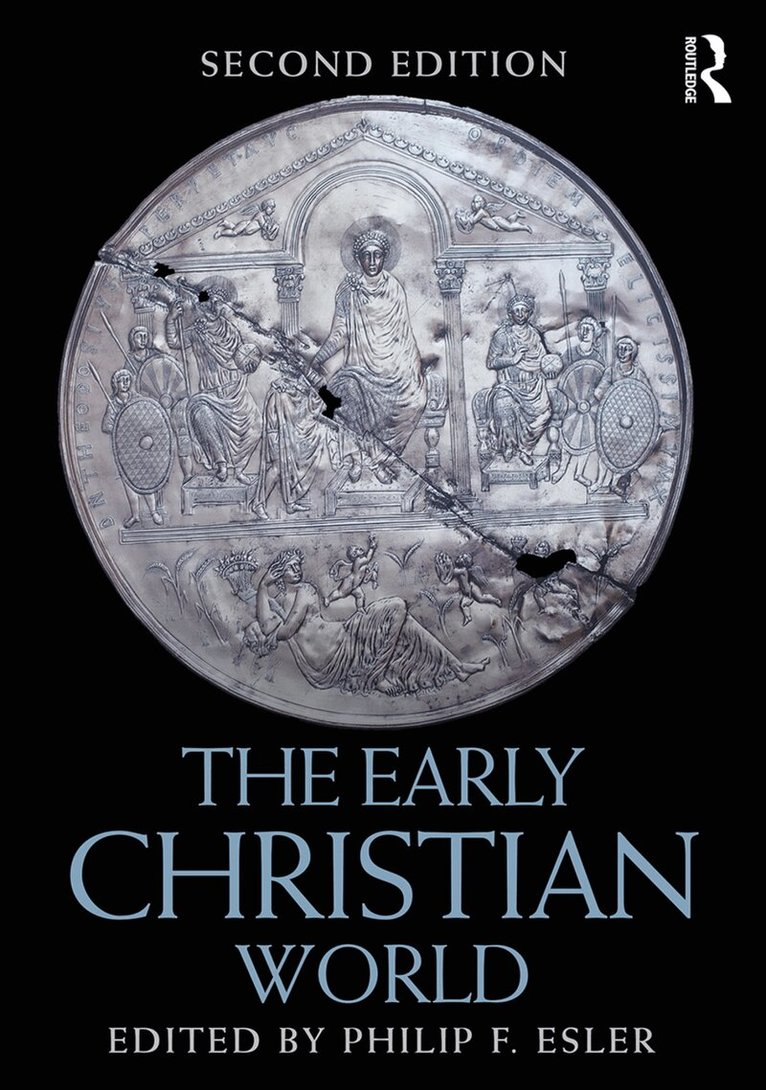
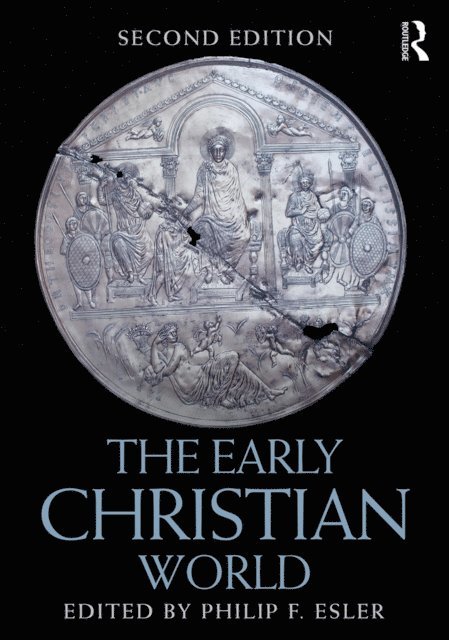
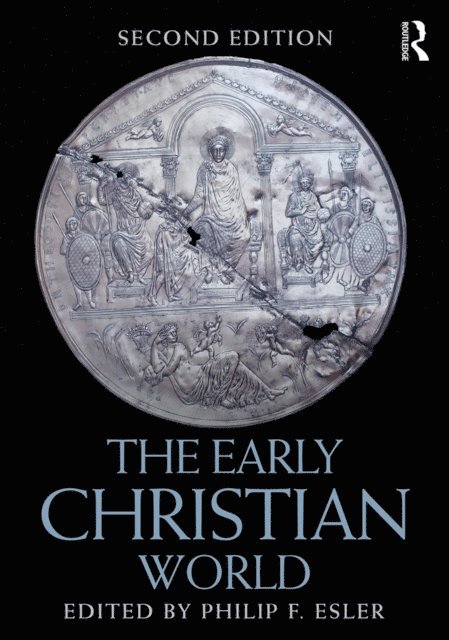
Since its publication in 2000, The Early Christian World has come to be regarded by scholars, students and the general reader as one of the most informative and accessible works in English on the origins, development, character and major figures of early Christianity. In this new edition, the strengths of the first edition are retained. These include the book’s attractive architecture that initially takes a reader through the context and historical development of early Christianity; the essays in critical areas such as community formation, everyday experience, the intellectual and artistic heritage, and external and internal challenges; and the profiles on the most influential early Christian figures. The book also preserves its strong stress on the social reality of early Christianity and continues its distinctive use of hundreds of illustrations and maps to bring that world to life. Yet the years that have passed since the first edition was published have seen great advances made in our understanding of early Christianity in its world. This new edition fully reflects these developments and provides the reader with authoritative, lively and up-to-date access to the early Christian world. A quarter of the text is entirely new and the remaining essays have all been carefully revised and updated by their authors. Some of the new material relates to Christian culture (including book culture, canonical and non-canonical scriptures, saints and hagiography, and translation across cultures). But there are also new essays on: Jewish and Christian interaction in the early centuries; ritual; the New Testament in Roman Britain; Manichaeism; Pachomius the Great and Gregory of Nyssa. This new edition will serve its readers for many years to come.
3 256 kr
Skickas inom 7-10 vardagar
Since its publication in 2000, The Early Christian World has come to be regarded by scholars, students and the general reader as one of the most informative and accessible works in English on the origins, development, character and major figures of early Christianity. In this new edition, the strengths of the first edition are retained. These include the book’s attractive architecture that initially takes a reader through the context and historical development of early Christianity; the essays in critical areas such as community formation, everyday experience, the intellectual and artistic heritage, and external and internal challenges; and the profiles on the most influential early Christian figures. The book also preserves its strong stress on the social reality of early Christianity and continues its distinctive use of hundreds of illustrations and maps to bring that world to life. Yet the years that have passed since the first edition was published have seen great advances made in our understanding of early Christianity in its world. This new edition fully reflects these developments and provides the reader with authoritative, lively and up-to-date access to the early Christian world. A quarter of the text is entirely new and the remaining essays have all been carefully revised and updated by their authors. Some of the new material relates to Christian culture (including book culture, canonical and non-canonical scriptures, saints and hagiography, and translation across cultures). But there are also new essays on: Jewish and Christian interaction in the early centuries; ritual; the New Testament in Roman Britain; Manichaeism; Pachomius the Great and Gregory of Nyssa. This new edition will serve its readers for many years to come.