Philip Gavitt – författare
Visar alla böcker från författaren Philip Gavitt. Handla med fri frakt och snabb leverans.
6 produkter
Charity and Children in Renaissance Florence
The Ospedale degli Innocenti, 1410-1536
Inbunden, 1990
1443 kr
Lägg i varukorg
Alongside the architectural splendor and intellectual brilliance of early Renaissance Florence there existed a second world of poverty, misery, social despair, and child abandonment. The Ospedale degli Innocenti (Hospital of the Innocents), designed and built between 1419 and 1445 by the renowned …
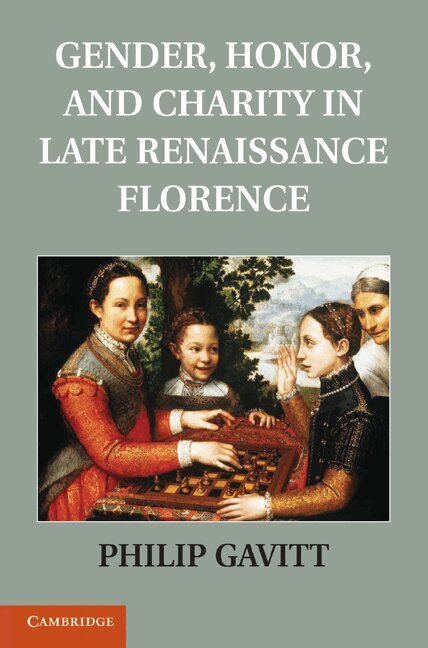
Gender, Honor, and Charity in Late Renaissance Florence
Inbunden, 2011
1610 kr
Lägg i varukorg
This book examines the important social role of charitable institutions for women and children in late Renaissance Florence. Wars, social unrest, disease and growing economic inequality on the Italian peninsula displaced hundreds of thousands of families during this period. In order to handle the …
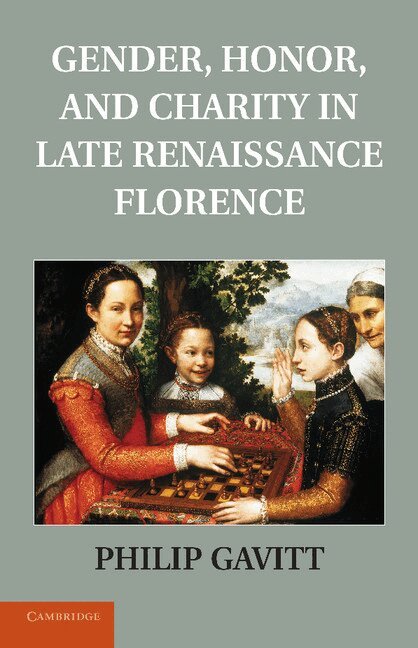
Gender, Honor, and Charity in Late Renaissance Florence
Häftad, 2013
720 kr
Lägg i varukorg
This book examines the important social role of charitable institutions for women and children in late Renaissance Florence. Wars, social unrest, disease and growing economic inequality on the Italian peninsula displaced hundreds of thousands of families during this period. In order to handle the …
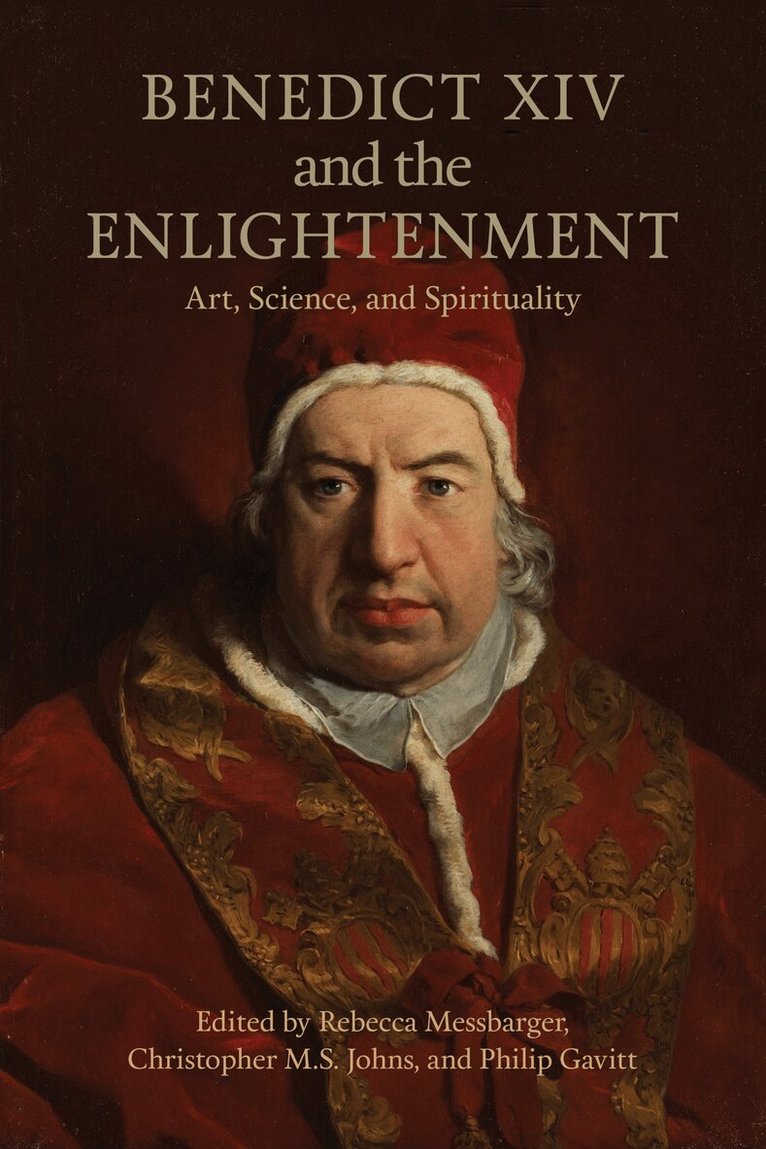
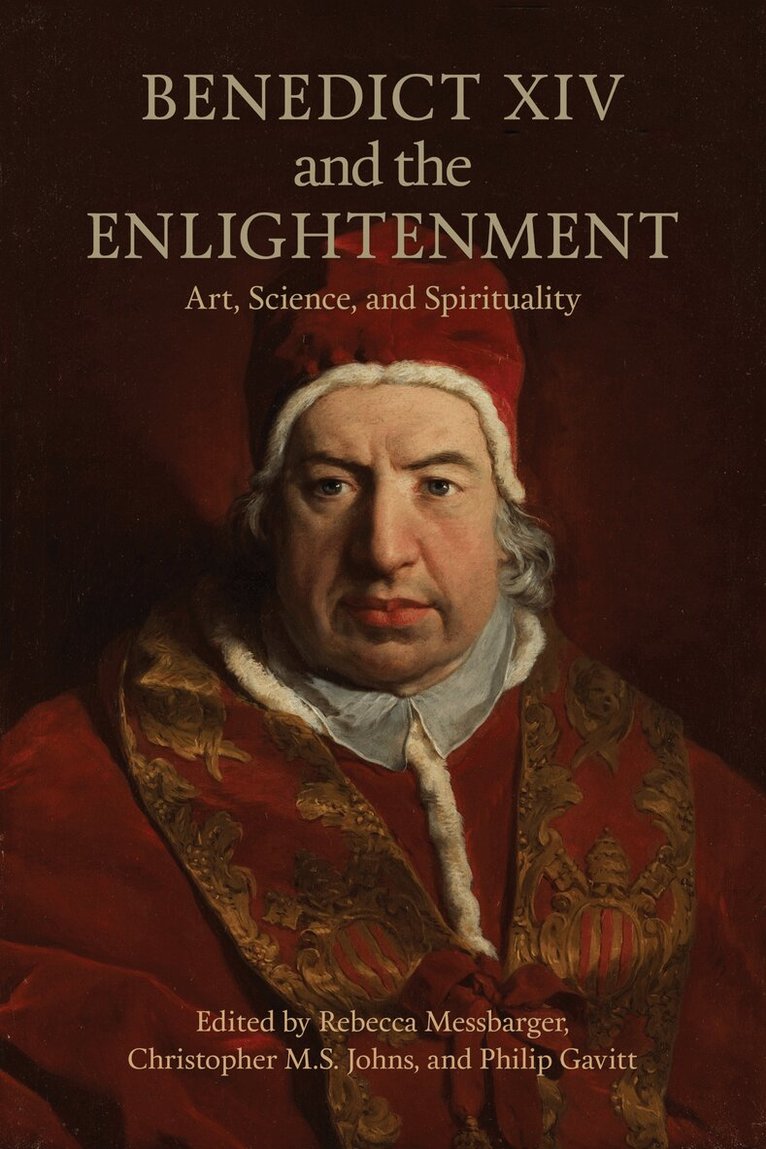
Benedict XIV and the Enlightenment
Art, Science, and Spirituality
Av Rebecca Messbarger, Christopher Johns m. fl.
E-bok, 2016
1043 kr
Lägg i varukorg
Pope Benedict XIV Lambertini (r. 1740–58) was one of the driving forces behind the Italian Enlightenment of the eighteenth century. His campaign to reconcile faith and empirical science, re-launch a dialogue between the Church and the European intellectual community, and expand papal patronage of …
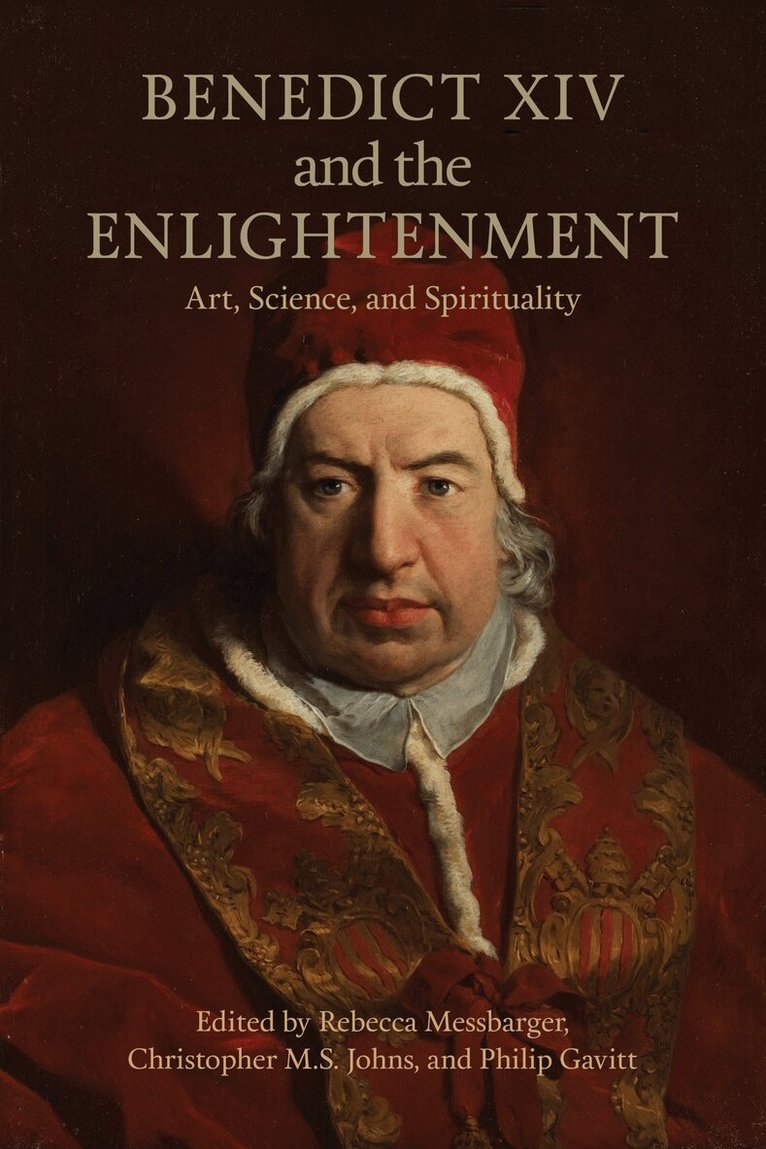
Benedict XIV and the Enlightenment
Art, Science, and Spirituality
Av Rebecca Messbarger, Christopher Johns m. fl.
E-bok, 2016
1141 kr
Lägg i varukorg
Pope Benedict XIV Lambertini (r. 1740–58) was one of the driving forces behind the Italian Enlightenment of the eighteenth century. His campaign to reconcile faith and empirical science, re-launch a dialogue between the Church and the European intellectual community, and expand papal patronage of …
Benedict XIV and the Enlightenment
Art, Science, and Spirituality
Av Rebecca Messbarger, Christopher Johns m. fl.
Inbunden, 2016
900 kr
Lägg i varukorg
Pope Benedict XIV Lambertini (r. 1740–58) was one of the driving forces behind the Italian Enlightenment of the eighteenth century. His campaign to reconcile faith and empirical science, re-launch a dialogue between the Church and the European intellectual community, and expand papal patronage of …