Philip J. Carr - Böcker
Visar alla böcker från författaren Philip J. Carr. Handla med fri frakt och snabb leverans.
5 produkter
5 produkter
481 kr
Skickas inom 7-10 vardagar
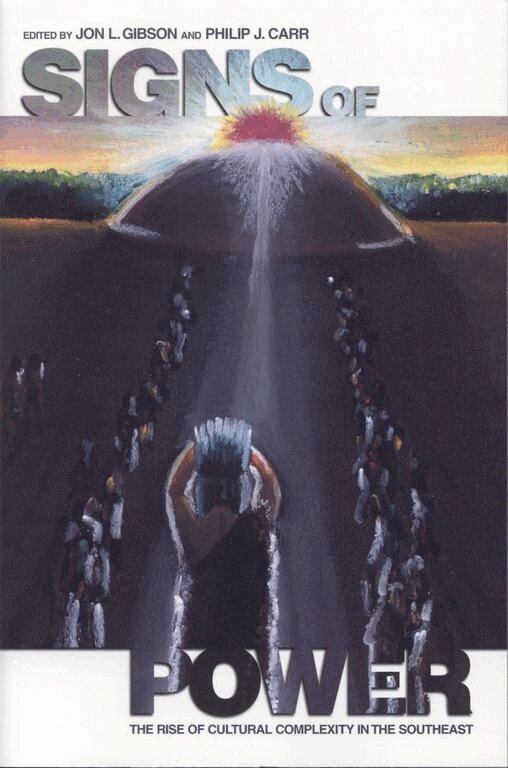
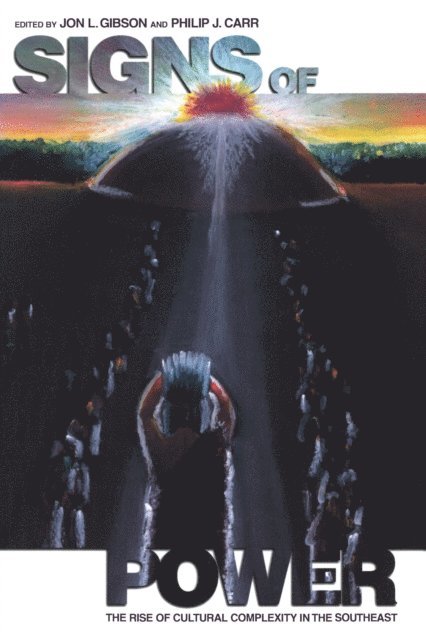
By focusing on the first instances of mound building, pottery making, fancy polished stone and bone, as well as specialized chipped stone, artifacts, and their widespread exchange, this book explores the sources of power and organization among Archaic societies. It investigates the origins of these technologies and their effects on long-term (evolutionary) and short-term (historical) change. The characteristics of first origins in social complexity belong to 5,000- to 6,000-year-old Archaic groups who inhabited the southeastern United States. In Signs of Power, regional specialists identify the conditions, causes, and consequences that define organization and social complexity in societies. Often termed ""big mound power,"" these considerations include the role of demography, kinship, and ecology in sociocultural change; the meaning of geometry and design in sacred groupings; the degree of advancement in stone tool technologies; and differentials in shell ring sizes that reflect social inequality.
319 kr
Skickas inom 7-10 vardagar
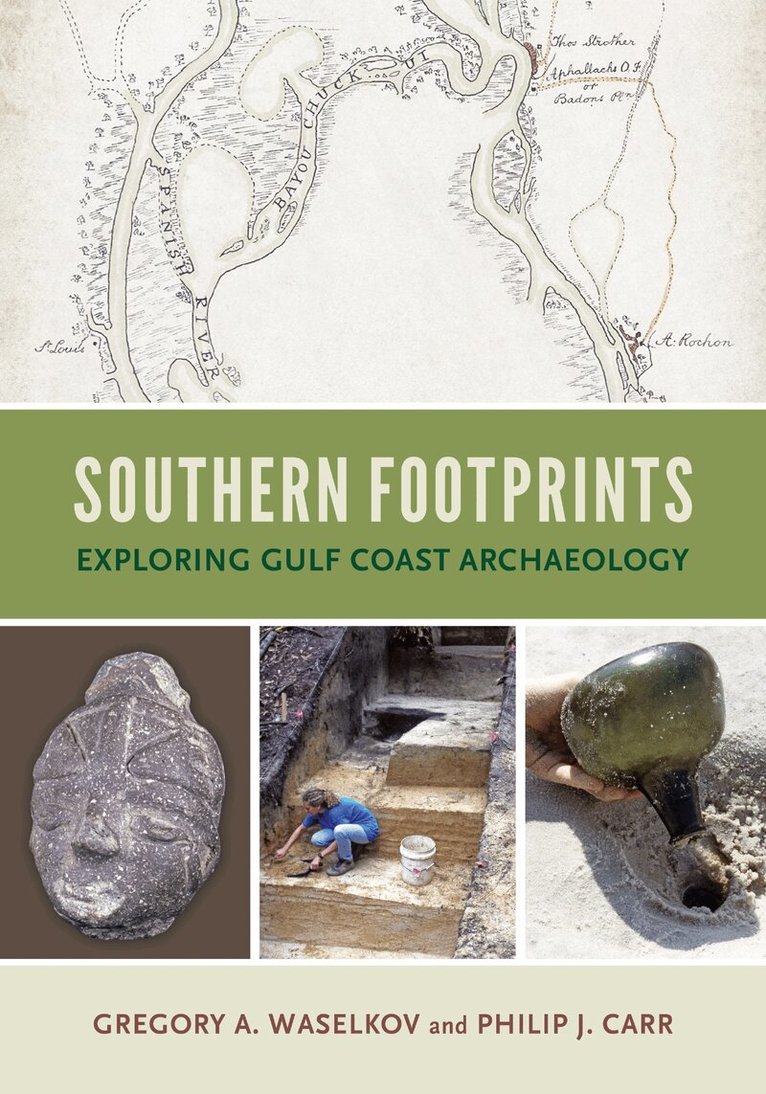
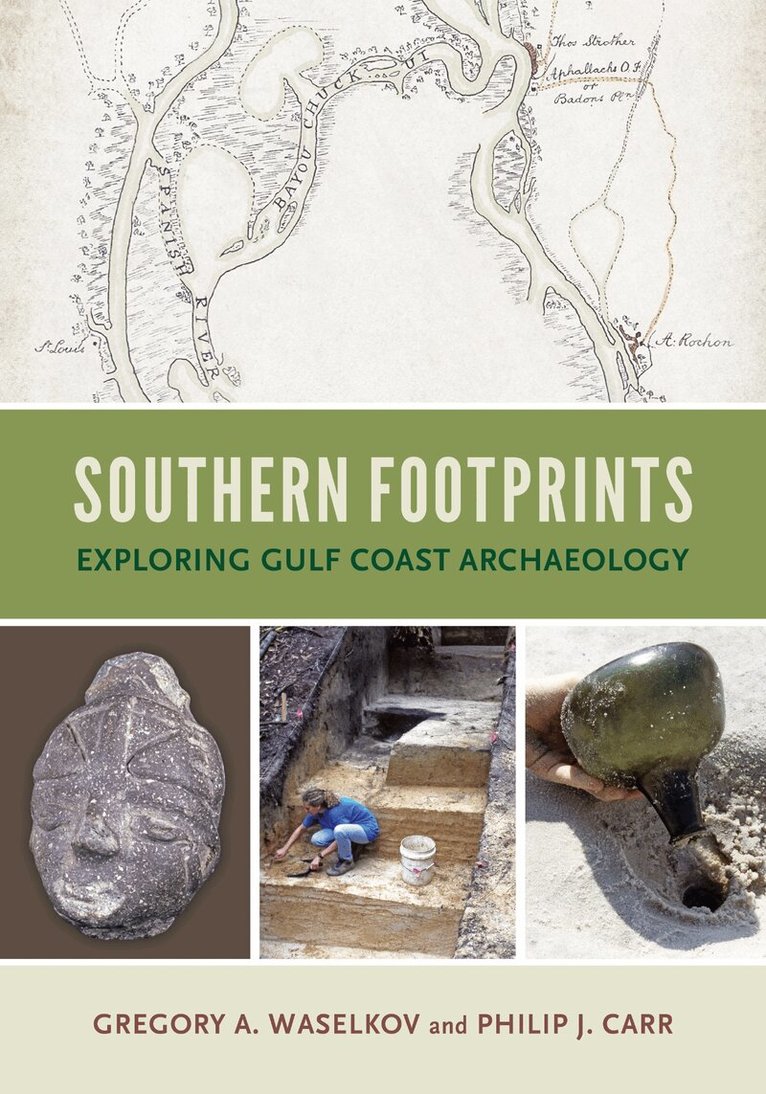
A “greatest hits” of archaeological research that has transformed knowledge of human historySouthern Footprints celebrates more than fifty years of archaeological research along the Gulf Coast by the University of South Alabama and the Center for Archaeological Studies. Archaeologists Gregory A. Waselkov and Philip J. Carr, the former and current directors of the center, present the “greatest hits” that have transformed knowledge of human history on the Alabama and Mississippi Gulf Coast from the Ice Age until recently. Each archaeological site, from surface collections to premiere archaeological preserves, such as Old Mobile and Holy Gorund, offers clues to the past. The chapters in this collection are arranged chronologically and survey the history and archaeology of a wide range of significant sites, including the Gulf Shores canoe canal, Bottle Creek Mounds, Old Mobile, Fort Mims, Spanish Fort, Spring Hill College, and Mobile River Bridge. Waselkov and Carr take care to acknowledge in these stories populations who have been historically underdocumented, now recognizing the contributions of Native Americans and African Americans that have been uncovered through archaeology. The authors reveal the dire impacts of climate change, environmental disasters, development, and neglect—and convey their urgency to protect these areas of shared history—as a result of the meticulous excavation, analyzation, and preservation of artifacts from these sites. Color photographs showcase the archaeology as it unfolds, often with the help of dedicated volunteers. Southern Footprints will serve as an indispensable reference on the rich Gulf Coast heritage for all to appreciate.
427 kr
Skickas inom 7-10 vardagar
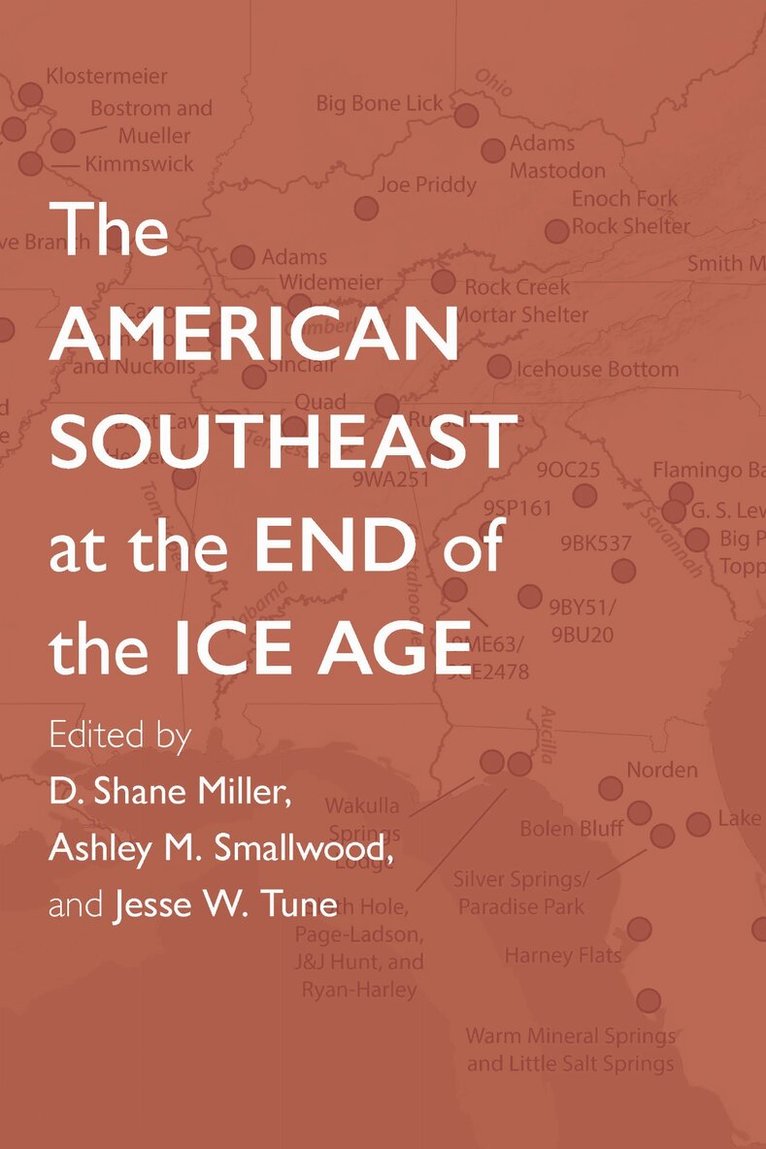
The definitive book on what is known about the Late Pleistocene and Early Holocene archaeological record in the SoutheastThe 1996 benchmark volume The Paleoindian and Early Archaic Southeast, edited by David G. Anderson and Kenneth E. Sassaman, was the first study to summarize what was known of the peoples who lived in the Southeast when ice sheets covered the northern part of the continent and mammals such as mammoths, saber-toothed cats, and ground sloths roamed the landscape.The American Southeast at the End of the Ice Age provides an updated, definitive synthesis of current archaeological research gleaned from an array of experts in the region. It is organized in three parts: state records, the regional perspective, and reflections and future directions. Chapters survey a diversity of topics including the distribution of the earliest archaeological sites in the region, chipped-stone tool technology, the expanding role of submerged archaeology, hunter-gatherer lifeways, past climate changes and the extinction of megafauna on the transitional landscape, and evidence of demographic changes at the end of the Ice Age. Discussion of the ethical responsibilities regarding the use of private collections and the relationship of archaeologists and the avocational community, insight from outside the Southeast, and considerations for future research round out the volume.
941 kr
Skickas inom 10-15 vardagar
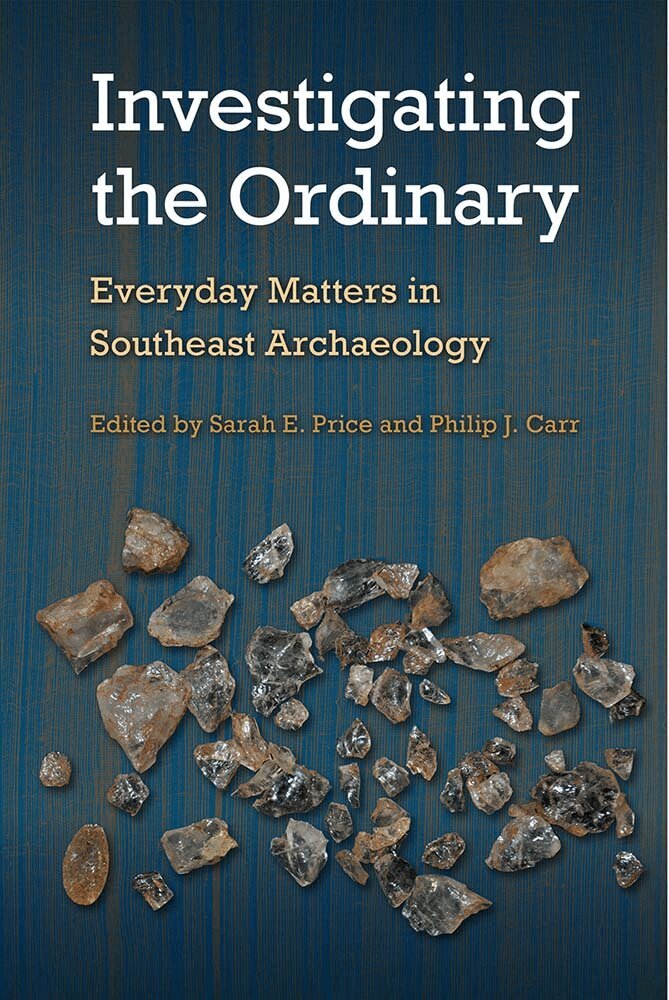
Focusing on the daily concerns and routine events of people in the past, Investigating the Ordinary argues for a paradigm shift in the way southeastern archaeologists operate. Instead of dividing archaeological work by time periods or artifact types, the essays in this volume unite separate areas of research through the theme of the everyday.Ordinary activities studied here range from flint-knapping to ceremonial crafting, from subsistence to social gatherings, and from the Paleoindian period to the nineteenth century. Contributors demonstrate that attention to everyday life can help researchers avoid overemphasizing data and jargon and instead discover connections between the people of different eras. This approach will also inspire archaeologists with ways to engage the public with their work and with the deep history of the southeastern United States.
323 kr
Skickas inom 10-15 vardagar
Shifting the focus to everyday life in the archaeology of the Southeast USFocusing on the daily concerns, activities, and routine events of people in the past, Investigating the Ordinary argues for a paradigm shift in the way southeastern archaeologists operate and urges them to think of the archaeological record in new ways. Instead of dividing archaeological work by time periods or artifact types, the essays in this volume unite separate areas of research through the theme of the everyday.The contributors to this volume bring together case studies detailing ordinary people and their lives, spanning the Paleoindian period to the nineteenth century. The essays include an examination of how the white-tailed deer was entangled in the lives of Middle Archaic people not only as a food source but as a social and spiritual creature, as well as a look at the domestic lives of those who made exotic goods for the political and social elites in the Middle Woodland period. Cooking vessels in the Late Archaic period help trace the daily lives of the many people involved in their production, use, and eventual deposition. Mound sites are reconsidered in light of the everyday--assessing not only the meaning of the sites but the mobilization of labor and the deployment of resources that went into creating them.Taken together, these essays demonstrate that attention to everyday life can help researchers avoid overemphasizing data and jargon and instead discover connections between the people of different eras. This approach will also inspire archaeologists with ways to humanize their research and engage the public with their work and with the deep history of the southeastern United States.A volume in the Florida Museum of Natural History: Ripley P. Bullen Series Contributors: Philip J. Carr; Sarah E. Price; D. Shane Miller; Jesse Tune; Christopher B. Rodning; Jayur M. Mehta; Bryan S. Haley; Lance Greene; Kandace D. Hollenbach; Stephen B. Carmody; Ashley A. Dumas; Christopher R. Moore; Richard W. Jeffries; Asa R. Randall