Philip S. Bagwell – författare
Visar alla böcker från författaren Philip S. Bagwell. Handla med fri frakt och snabb leverans.
16 produkter
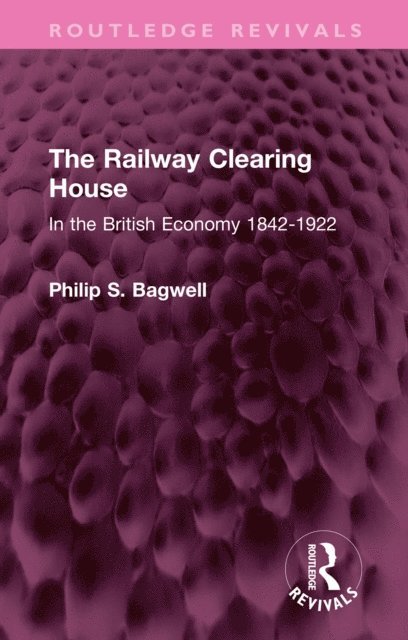
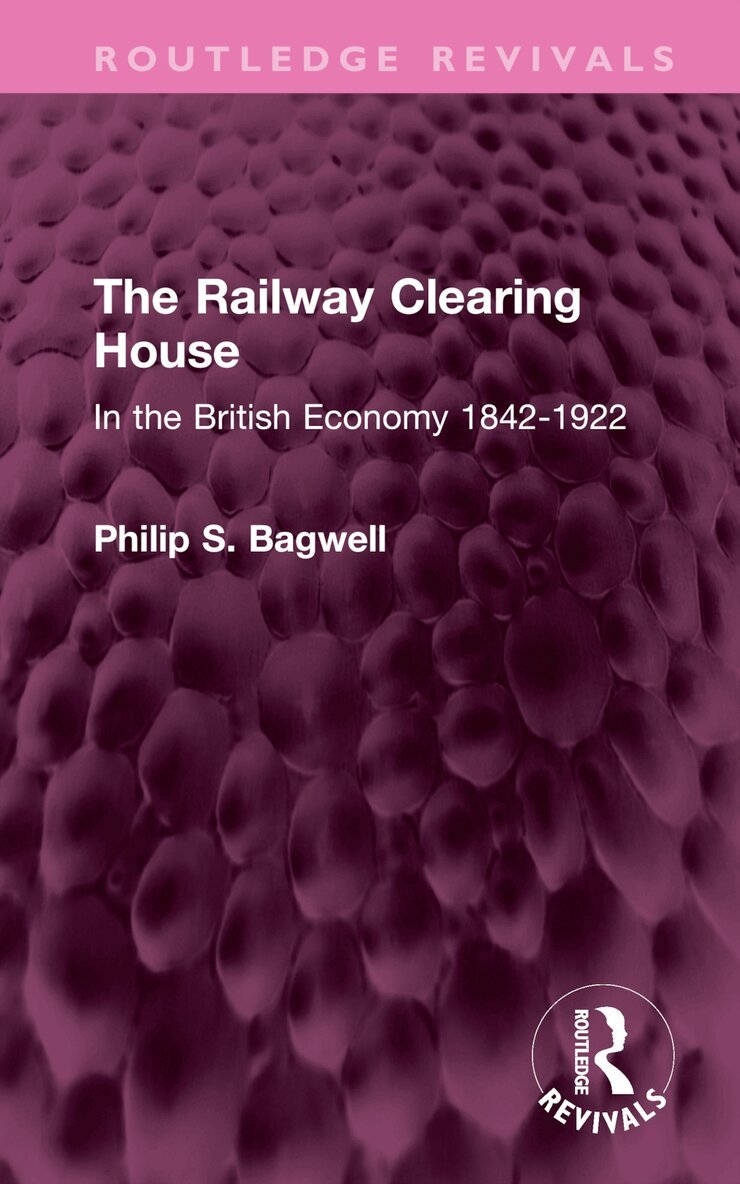
Railway Clearing House
In the British Economy 1842-1922
E-bok, 2022
571 kr
Lägg i varukorg
Originally published in 1968, and using official records, this book charts the history of the Railway Clearing House and shows the vital role it played in the development of British railways and the growth of the economy. The Clearing House established a common classification of goods; standardized …
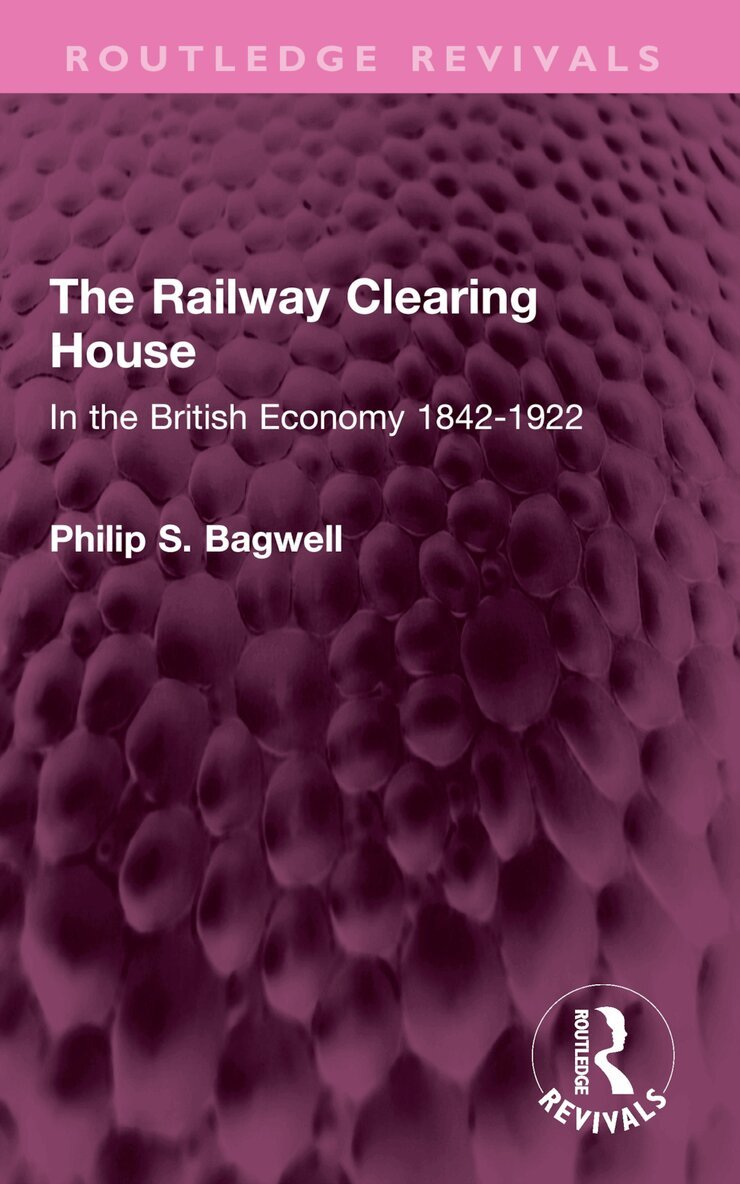
Railway Clearing House
In the British Economy 1842-1922
E-bok, 2022
571 kr
Lägg i varukorg
Originally published in 1968, and using official records, this book charts the history of the Railway Clearing House and shows the vital role it played in the development of British railways and the growth of the economy. The Clearing House established a common classification of goods; standardized …
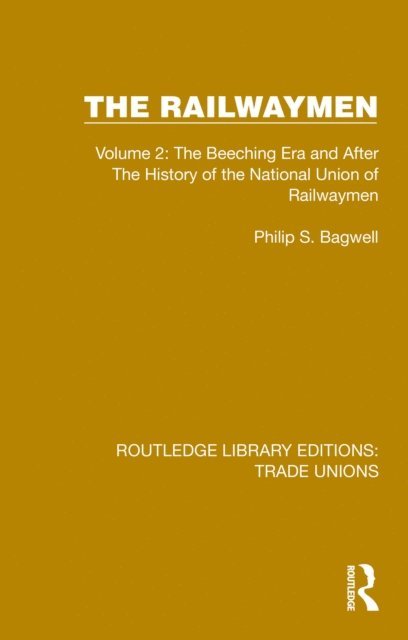
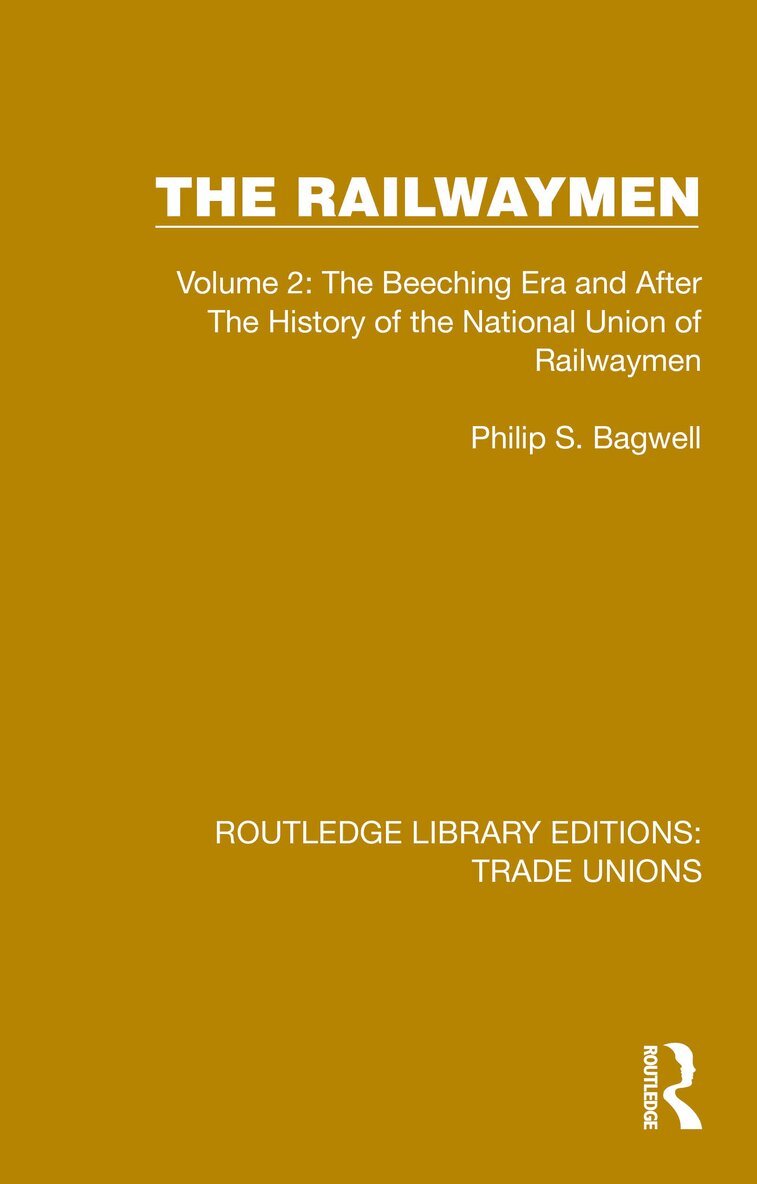
Railwaymen
Volume 2: The Beeching Era and After The History of the National Union of Railwaymen
E-bok, 2022
553 kr
Lägg i varukorg
Originally published in 1982, The Railwaymen examines the impact of the transformation which took place in the British Railways in the second half of the 20th Century on the people who maintained British railway services and reveals the change which took place in the union to which most of them …
Railwaymen
Volume 2: The Beeching Era and After The History of the National Union of Railwaymen
E-bok, 2022
559 kr
Lägg i varukorg
Originally published in 1982, The Railwaymen examines the impact of the transformation which took place in the British Railways in the second half of the 20th Century on the people who maintained British railway services and reveals the change which took place in the union to which most of them …
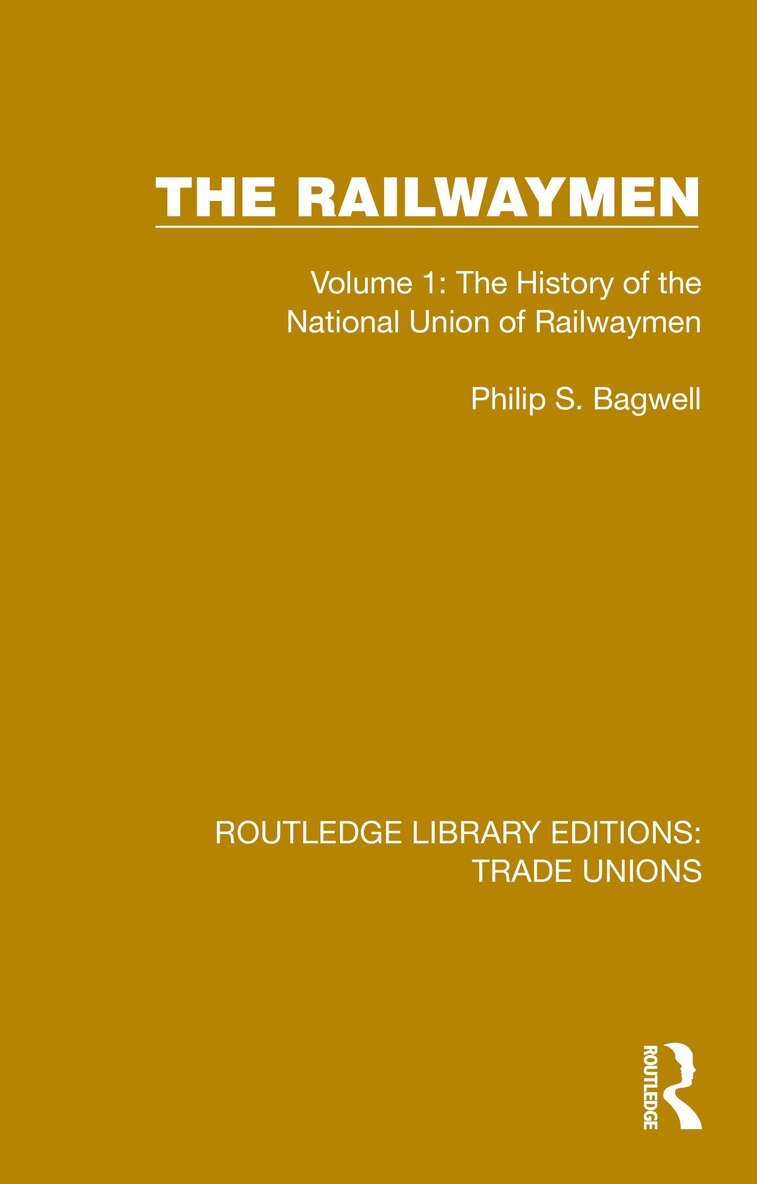
Railwaymen
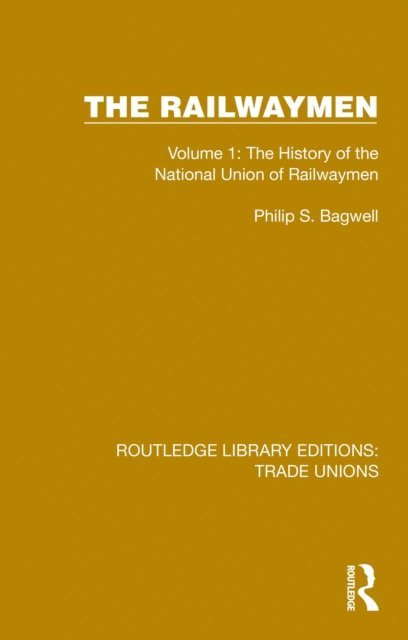
Volume 1: The History of the National Union of Railwaymen
E-bok, 2022
571 kr
Lägg i varukorg
Originally published in 1963, The Railwaymen recounts the struggle of the Amalgamated Society of Railway Servants from its foundation in 1872 until the first national railway strike in 1911 to gain recognition from the companies and a reduction in the excessive hours of labour and the scandalously …
Railwaymen
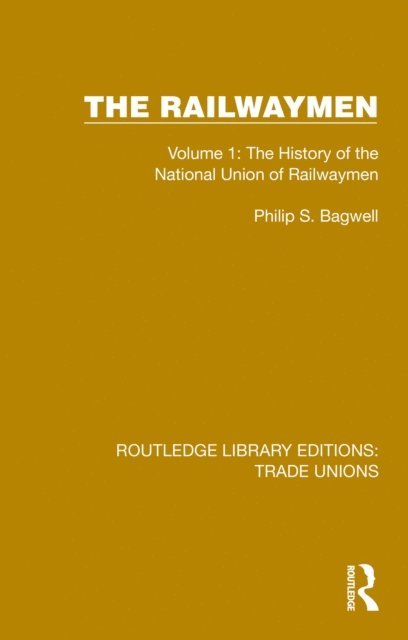
Volume 1: The History of the National Union of Railwaymen
E-bok, 2022
553 kr
Lägg i varukorg
Originally published in 1963, The Railwaymen recounts the struggle of the Amalgamated Society of Railway Servants from its foundation in 1872 until the first national railway strike in 1911 to gain recognition from the companies and a reduction in the excessive hours of labour and the scandalously …
Railway Clearing House
In the British Economy 1842-1922
Inbunden, 2022
1571 kr
Lägg i varukorg
Originally published in 1968, and using official records, this book charts the history of the Railway Clearing House and shows the vital role it played in the development of British railways and the growth of the economy. The Clearing House established a common classification of goods; standardized …
Railway Clearing House
In the British Economy 1842-1922
Häftad, 2024
488 kr
Lägg i varukorg
Originally published in 1968, and using official records, this book charts the history of the Railway Clearing House and shows the vital role it played in the development of British railways and the growth of the economy. The Clearing House established a common classification of goods; standardized …
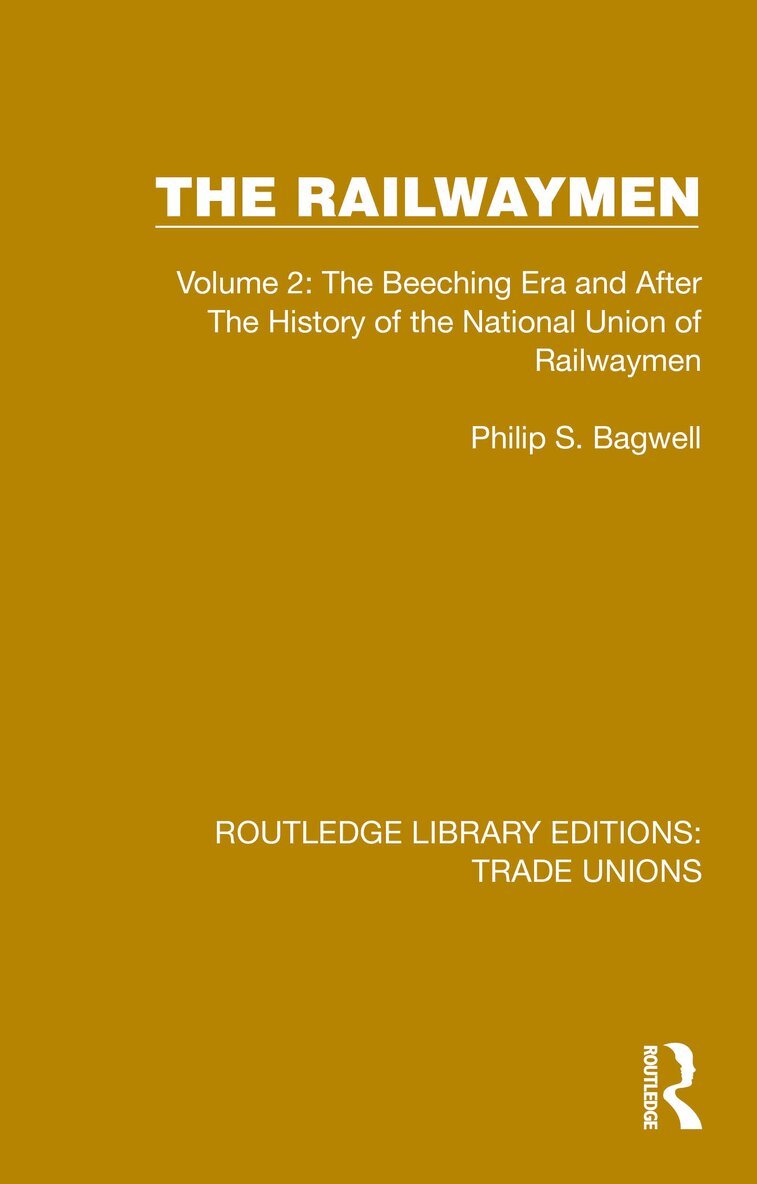
Railwaymen
Volume 2: The Beeching Era and After The History of the National Union of Railwaymen
Inbunden, 2022
1571 kr
Lägg i varukorg
Originally published in 1982, The Railwaymen examines the impact of the transformation which took place in the British Railways in the second half of the 20th Century on the people who maintained British railway services and reveals the change which took place in the union to which most of them …
Railwaymen
Volume 2: The Beeching Era and After The History of the National Union of Railwaymen
Häftad, 2024
488 kr
Lägg i varukorg
Originally published in 1982, The Railwaymen examines the impact of the transformation which took place in the British Railways in the second half of the 20th Century on the people who maintained British railway services and reveals the change which took place in the union to which most of them …
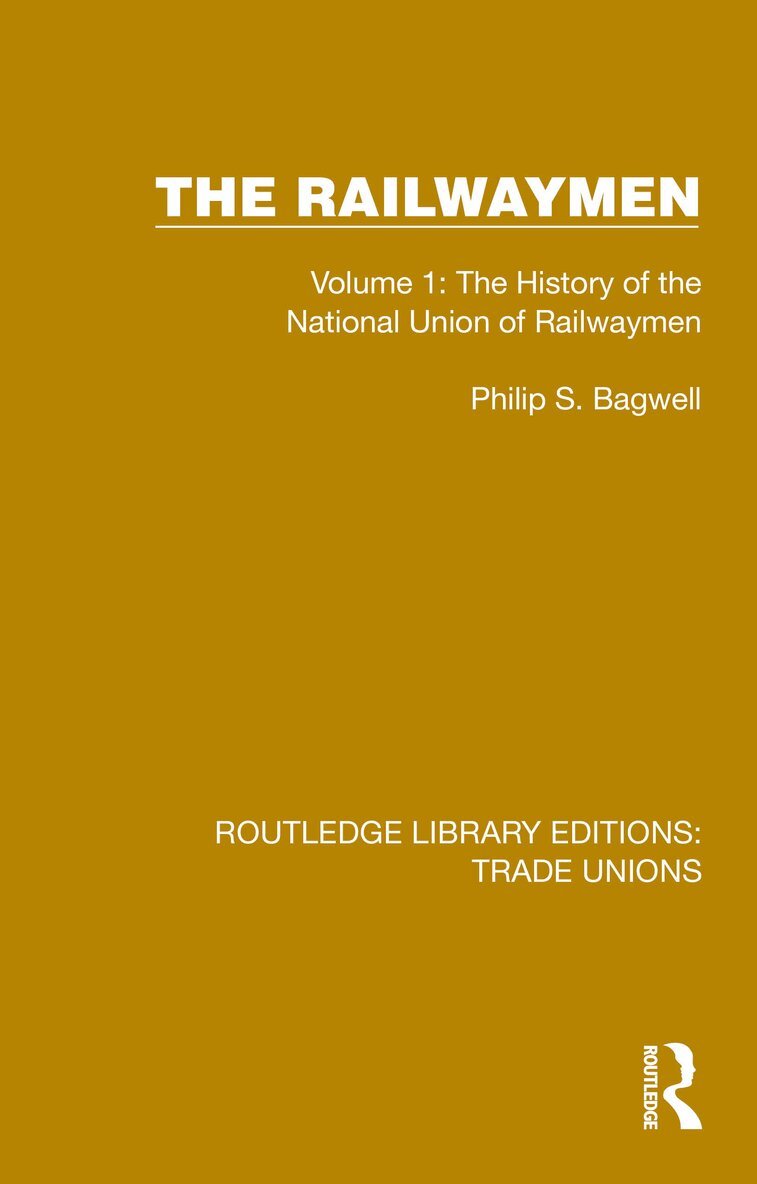
Railwaymen
Volume 1: The History of the National Union of Railwaymen
Inbunden, 2022
1571 kr
Lägg i varukorg
Originally published in 1963, The Railwaymen recounts the struggle of the Amalgamated Society of Railway Servants from its foundation in 1872 until the first national railway strike in 1911 to gain recognition from the companies and a reduction in the excessive hours of labour and the scandalously …
Railwaymen
Volume 1: The History of the National Union of Railwaymen
Häftad, 2024
488 kr
Lägg i varukorg
Originally published in 1963, The Railwaymen recounts the struggle of the Amalgamated Society of Railway Servants from its foundation in 1872 until the first national railway strike in 1911 to gain recognition from the companies and a reduction in the excessive hours of labour and the scandalously …
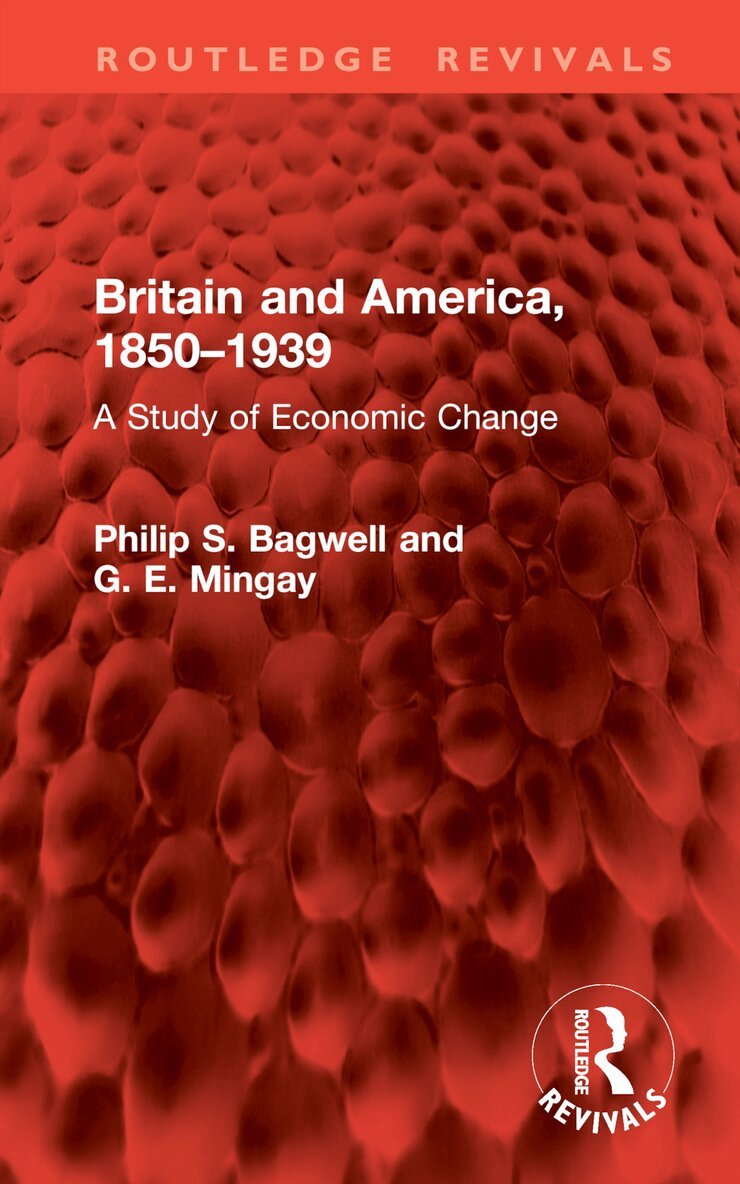
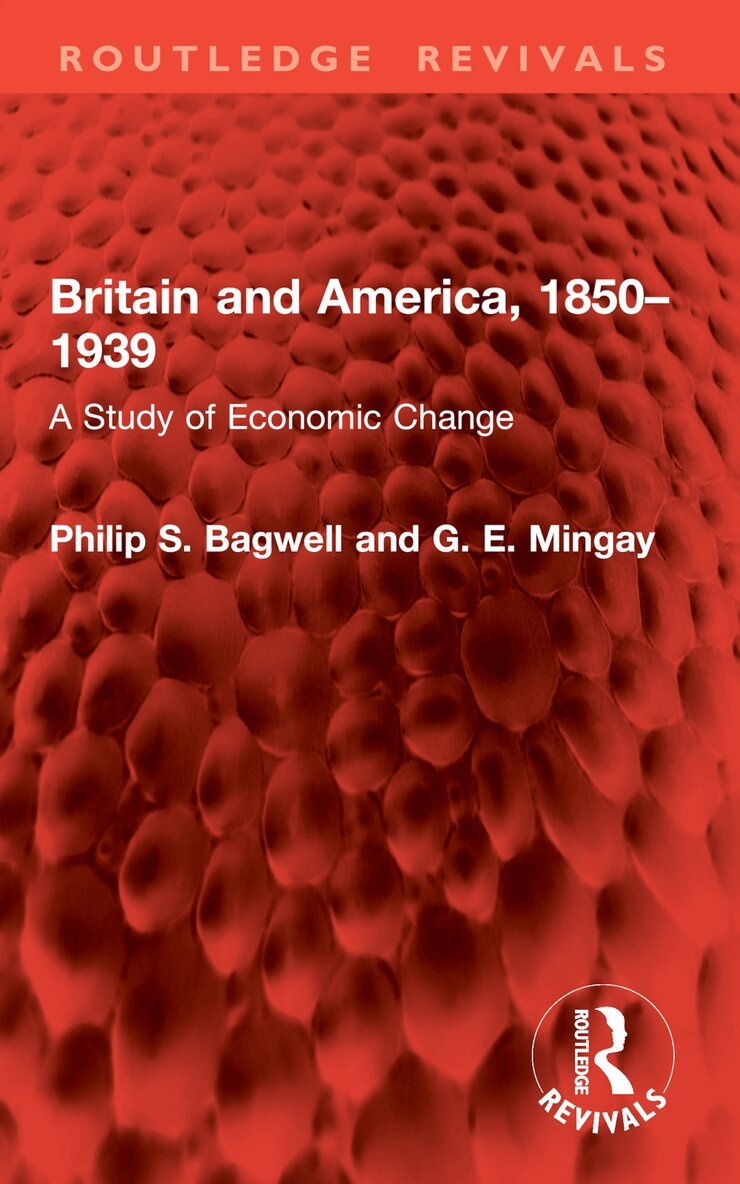
Britain and America, 1850–1939
A Study of Economic Change
Av Philip S. Bagwell, G. E. Mingay
Inbunden, 2024
1887 kr
Lägg i varukorg
First published in 1970, Britain and America 1850–1939 is a key text for anyone seeking to trace and interpret the development of the two great trans-Atlantic economies.The authors present a comparative survey of the economic development of Britain and America. The book compares and contrasts the …
Britain and America, 1850–1939
A Study of Economic Change
Av Philip S. Bagwell, G. E. Mingay
Häftad, 2026
518 kr
Lägg i varukorg
First published in 1970, Britain and America 1850–1939 is a key text for anyone seeking to trace and interpret the development of the two great trans-Atlantic economies.The authors present a comparative survey of the economic development of Britain and America. The book compares and contrasts the …
Britain and America, 1850-1939
A Study of Economic Change
Av G. E. Mingay, Philip S. Bagwell
E-bok, 2024
607 kr
Lägg i varukorg
First published in 1970, Britain and America 1850–1939 is a key text for anyone seeking to trace and interpret the development of the two great trans-Atlantic economies. The authors present a comparative survey of the economic development of Britain and America. The book compares and contrasts the …
Britain and America, 1850-1939
A Study of Economic Change
Av G. E. Mingay, Philip S. Bagwell
E-bok, 2024
607 kr
Lägg i varukorg
First published in 1970, Britain and America 1850–1939 is a key text for anyone seeking to trace and interpret the development of the two great trans-Atlantic economies. The authors present a comparative survey of the economic development of Britain and America. The book compares and contrasts the …