885 kr
Skickas inom 5-8 vardagar
885 kr
Skickas inom 5-8 vardagar
394 kr
Skickas inom 11-20 vardagar
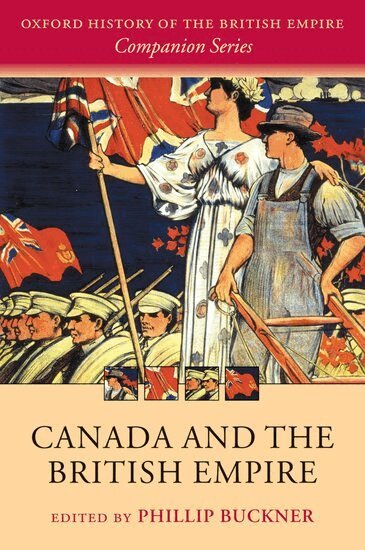
Sir John Seeley once wrote that the British Empire was acquired in "a fit of absence of mind." Whatever the truth of this comment, it is certainly arguable that the Empire was dismantled in such a fit. This collection deals with a neglected subject in post-Confederation Canadian history – the implications to Canada and Canadians of British decolonization and the end of empire.
Canada and the End of Empire looks at Canadian diplomatic relations with the United Kingdom and the United States, the Suez crisis, the changing economic relationship with Great Britain in the 1950s and 1960s, the role of educational and cultural institutions in maintaining the British connection, the royal tour of 1959, the decision to adopt a new flag in 1964, the efforts to find a formula for repatriating the constitution, the Canadianization of the Royal Canadian Navy, and the attitude of First Nations to the changed nature of the Anglo-Canadian relationship. Historians in Commonwealth countries tend to view the end of British rule from a nationalist perspective. Canada and the End of Empire challenges this view and demonstrates the centrality of imperial history in Canadian historiography.
An important addition to the growing canon of empire studies and imperial history, this book will be of interest to historians of the Commonwealth, and to scholars and students interested in the relationship between colonialism and nationalism.
1 209 kr
Skickas inom 5-8 vardagar
422 kr
Skickas inom 5-8 vardagar
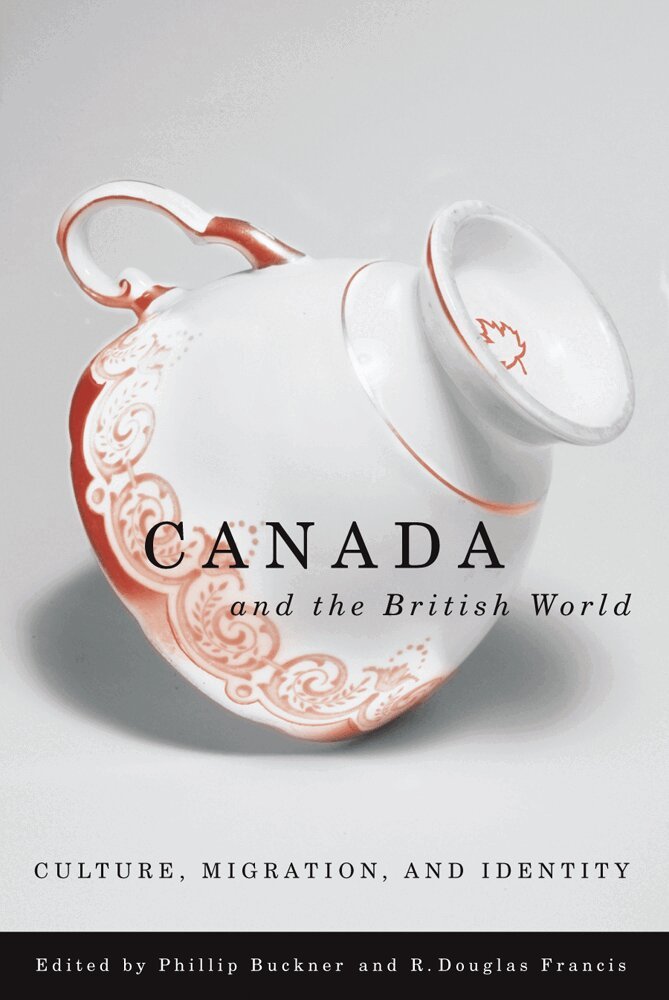
In the decades following the Second World War, a revolutionary change took place in the Canadian national identity. The English-Canadian majority entered this period identifying themselves as British and emerged from it with a new, independent sense of themselves as purely Canadian. Assured of their unique place in the world, Canadians can now reflect on the legacies and lessons of their British colonial past.
Canada and the British World surveys Canada's national history through a British lens. In a series of essays focusing on the social, cultural, and intellectual aspects of Canadian identity over more than a century, the complex and evolving relationship between Canada and the larger British World is revealed. Examining the transition from the strong belief of nineteenth-century Canadians in the British character of their country to the realities of modern multicultural Canada, this book eschews nostalgia in its endeavour to understand the dynamic and complicated society in which Canadians did and do live.
Candid and ambitious, Canada and the British World is recommended reading for historians and scholars of colonialism and nationalism, as well as anyone interested in what it really means to be Canadian.
351 kr
Skickas inom 5-8 vardagar
367 kr
Skickas
408 kr
Skickas inom 5-8 vardagar
569 kr
Läs direkt efter köp
427 kr
Läs direkt efter köp
766 kr
Skickas inom 5-8 vardagar
657 kr
Läs direkt efter köp
394 kr
Läs direkt efter köp
476 kr
Läs direkt efter köp
476 kr
Läs direkt efter köp
509 kr
Läs direkt efter köp
509 kr
Läs direkt efter köp
494 kr
Skickas inom 5-8 vardagar
641 kr
Läs direkt efter köp
Nearly thirty years ago W.S. MacNutt published the first general history of the Atlantic provinces before Confederation. An outstanding scholarly achievement, that history inspired much of the enormous growth of research and writing on Atlantic Canada in the succeeding decades. Now a new effort is required, to convey the state of our knowledge in the 1990s. Many of the themes important to today''s historians, notably those relating to social class, gender, and ethnicity, have been fully developed only since 1970. Important advances have been made in our understanding of regional economic developments and their implications for social, cultural, and political life.
This book is intended to fill the need for an up-to-date overview of emerging regional themes and issues. Each of the sixteen chapters, written by a distinguished scholar, covers a specific chronological period and has been carefully integrated into the whole. The history begins with the evolution of Native cultures and the impact of the arrival of Europeans on those cultures, and continues to the formation of Confederation. The goal has been to provide a synthesis that not only incorporates the most recent scholarship but is accessible to the general reader. The book re-assesses many old themes from a new perspective, and seeks to broaden the focus of regional history to include those groups whom the traditional historiography ignored or marginalized.