David J. Bercuson - Böcker
Visar alla böcker från författaren David J. Bercuson. Handla med fri frakt och snabb leverans.
4 produkter
4 produkter
433 kr
Skickas inom 10-15 vardagar
Why was Winnipeg the scene of the longest and most complete general strike in North American history? Bercuson answers this question by examining the development of union labour and the impact of depression and war in the two decades preceding the strike.
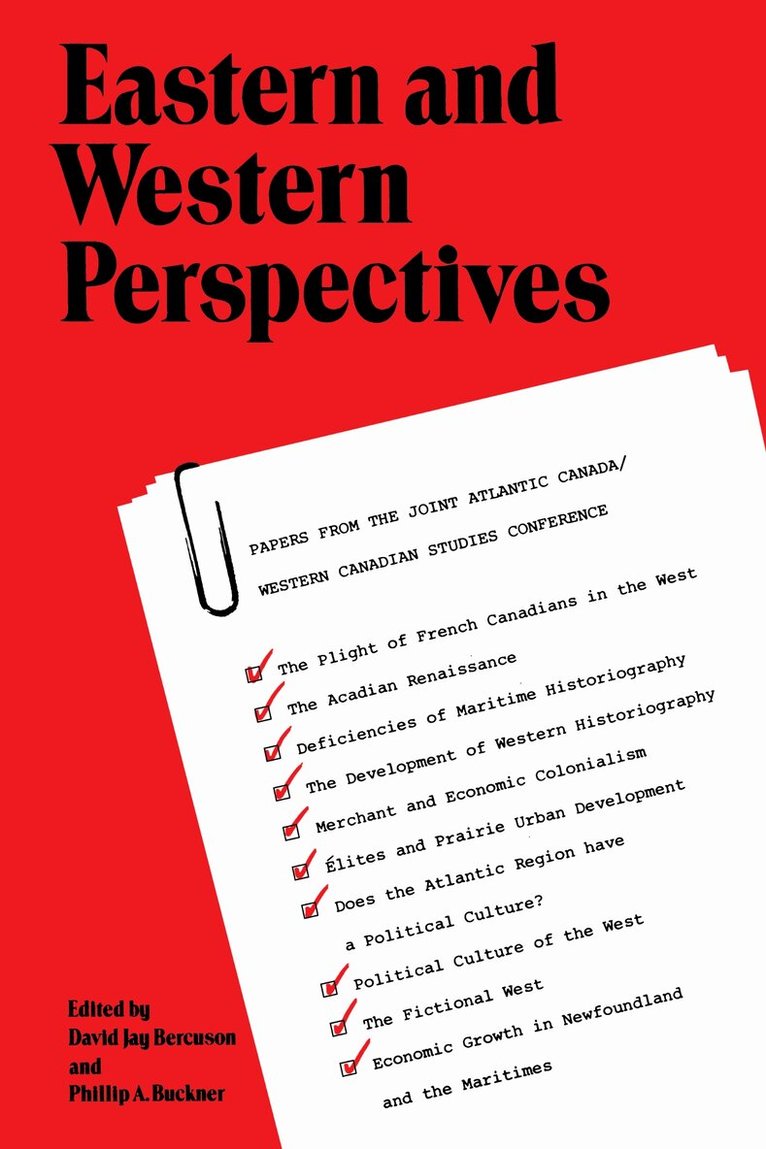
Eastern and Western Perspectives
Papers from the Joint Atlantic Canada/Western Canadian Studies Conference
Häftad, Engelska, 1981
332 kr
Skickas inom 7-10 vardagar
The Atlantic Canada and Western Canada Studies Conferences have focused attention in recent years on the culture and development of two widely separated regions which have been frequently ignored in studies of the Canadian nation. The Atlantic Canada Studies Conference, meeting in 1974 and 1976 at the University of New Brunswick, and the Western Canadian Studies Conference, meeting annually since 1968 at the University of Calgary, have brought together scholars from a variety of disciplines to study the identities and characteristics of these two hinterlands. In 1978 the two conferences met jointly, in a session in Fredericton and one at Calgary with a core of speakers and papers common to both. The purpose was to compare and contrast subjects and experiences of interest and concern in the west and in Atlantic Canada. The ten papers which comprise Eastern and Western Perspectives are selected from twenty-seven presented at the joint conference.The topic chosen not only illustrate some of the preoccupations of regional historians and political scientists, but also echo many of the concerns of Canadians in general. The plight of islands and francophone culture in the midst of an overwhelmingly Anglo-American society, the search for identities in the face of persisting stereotypes, the effects of economic and urban development, the distinctiveness of local political cultures-all are subjects whose study enriches both regional and national history. This volume brings together explorations of these themes from eastern and western points of view and makes a unique contribution to a greater understanding and awareness of the regional dimension in Canadian life.
375 kr
Skickas inom 7-10 vardagar
Canadian Zionists of the 1930s were anxious to involve their government in the Palestine question. The pressure they brought to bear was fuelled by a new urgency when British policy in Palestine denied entry to Jewish refugees from the Nazi terror. Today there is a widely held impression that the Canadian government responded quickly and sympathetically to that pressure. Jews and Arabs alike, each for their own purposes, have created the image of a Canada friendly to Zionism, and of Canadian policy directed by such pro-Zionists as Lester Pearson.But as David Bercuson demonstrates, the truth is far more complex. In fact, Zionist efforts to involve Canada in the Palestine question met with considerable resistance from Ottawa, even when Canada was elected to membership on the United Nations Special Committee on Palestine in 1947. The partition of Palestine was eventually supported by Canada, but begrudgingly. Ottawa viewed partition as the ‘least lousy’ solution to a problem that was acutely sensitive both diplomatically and politically.Hardly the champions of Zionism that it has generally been considered, Canada is revealed in Bercuson’s study as having established a middle east policy, not on moral or ideological grounds, but on the basis of the politicians’ view of its own national interests.
435 kr
Skickas inom 10-15 vardagar
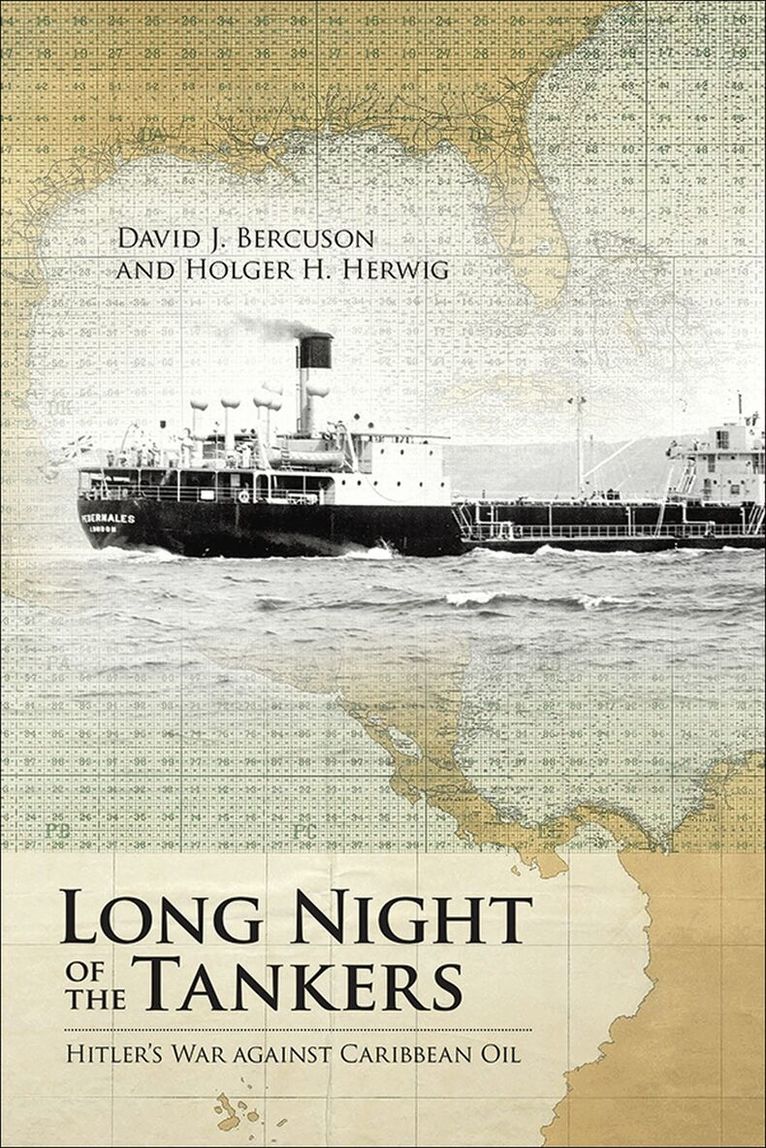
Long Night of the Tankers presents a fresh account of a lesser-known but critical component of the Atlantic naval theatre during World War II. Using war diaries, after-action reports, and first-hand accounts, authors Bercuson and Herwig examine the story behind Operation Neuland, the German plan to interrupt vital oil supplies from reaching the United States and the United Kingdom by preventing Allied oil tankers from leaving refineries in the Caribbean.The story begins in February 1942 and follows this German attempt to scuttle the Allied war machine through to the end of the war. Told largely from the German perspective, it details the planning and execution of the Germans and the diplomatic, political, and military responses of the Allies, particularly the United States, to overcome the German effort.