Pierre Charbonnier – författare
Visar alla böcker från författaren Pierre Charbonnier. Handla med fri frakt och snabb leverans.
9 produkter
War Ecology
An Environmental History of Peace
Inbunden, 2026
748 kr
Kommande
For nature and the climate, the only thing more dangerous than war is peace – this is the startling claim made by the French philosopher Pierre Charbonnier in his new book War Ecology. Charbonnier shows that we are the heirs of an intellectual and political history which maintained that creating …
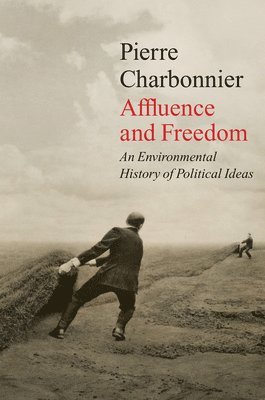
Affluence and Freedom
An Environmental History of Political Ideas
Inbunden, 2021
800 kr
Lägg i varukorg
In this pathbreaking book, Pierre Charbonnier opens up a new intellectual terrain: an environmental history of political ideas. His aim is not to locate the seeds of ecological thought in the history of political ideas as others have done, but rather to show that all political ideas, whether or not …
Affluence and Freedom
An Environmental History of Political Ideas
Häftad, 2021
328 kr
Lägg i varukorg
In this pathbreaking book, Pierre Charbonnier opens up a new intellectual terrain: an environmental history of political ideas. His aim is not to locate the seeds of ecological thought in the history of political ideas as others have done, but rather to show that all political ideas, whether or not …
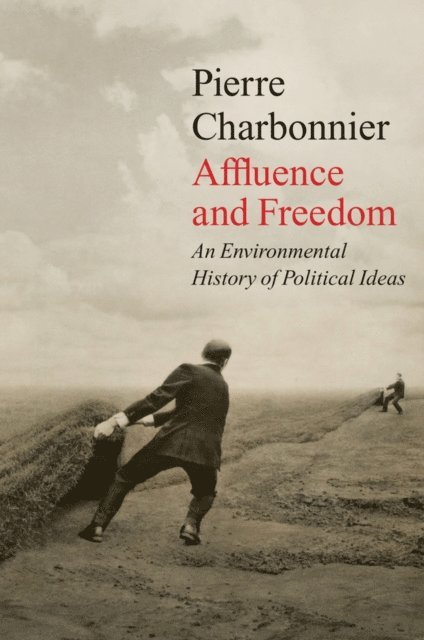
Affluence and Freedom
An Environmental History of Political Ideas
E-bok, 2021
375 kr
Lägg i varukorg
In this pathbreaking book, Pierre Charbonnier opens up a new intellectual terrain: an environmental history of political ideas. His aim is not to locate the seeds of ecological thought in the history of political ideas as others have done, but rather to show that all political ideas, whether or not …
War Ecology
An Environmental History of Peace
Häftad, 2026
272 kr
Kommande
For nature and the climate, the only thing more dangerous than war is peace – this is the startling claim made by the French philosopher Pierre Charbonnier in his new book War Ecology. Charbonnier shows that we are the heirs of an intellectual and political history which maintained that creating …
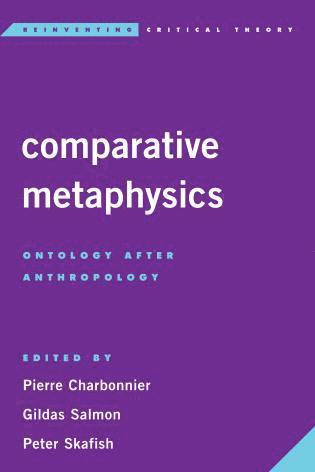
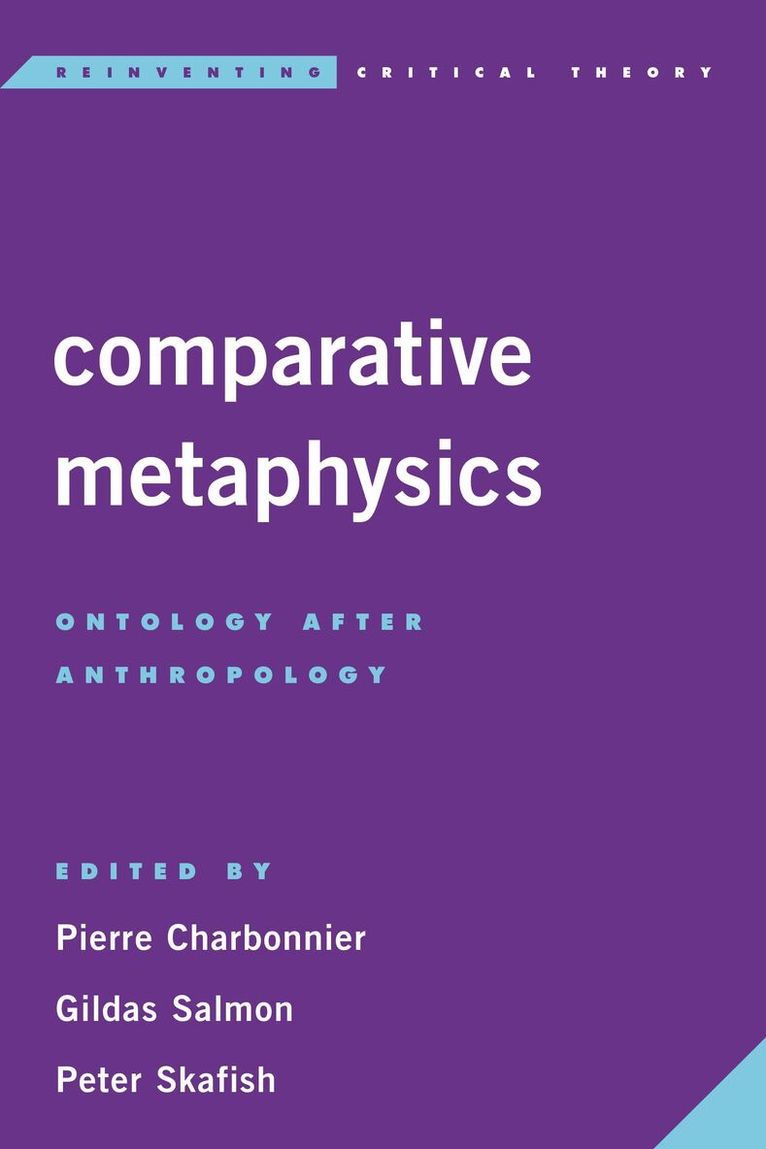
Comparative Metaphysics
Ontology After Anthropology
Av Pierre Charbonnier, Gildas Salmon m. fl.
Inbunden, 2016
2007 kr
Lägg i varukorg
How does the ontological turn in anthropology redefine what modern, Western ontology is in practice, and offer the beginnings of a new ontological pluralism? On a planet that is increasingly becoming a single, metaphysically homogeneous world, anthropology remains one of the few disciplines that …
Comparative Metaphysics
Ontology After Anthropology
Av Pierre Charbonnier, Gildas Salmon m. fl.
Häftad, 2016
711 kr
Lägg i varukorg
How does the ontological turn in anthropology redefine what modern, Western ontology is in practice, and offer the beginnings of a new ontological pluralism? On a planet that is increasingly becoming a single, metaphysically homogeneous world, anthropology remains one of the few disciplines that …
Comparative Metaphysics
Ontology After Anthropology
Av Pierre Charbonnier, Gildas Salmon m. fl.
E-bok, 2016
779 kr
Lägg i varukorg
How does the ontological turn in anthropology redefine what modern, Western ontology is in practice, and offer the beginnings of a new ontological pluralism? On a planet that is increasingly becoming a single, metaphysically homogeneous world, anthropology remains one of the few disciplines that …
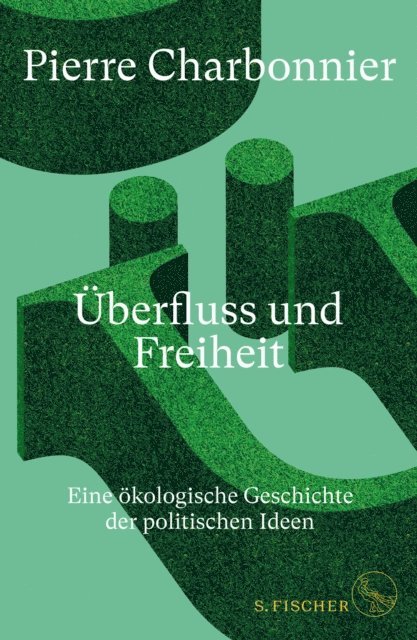
Überfluss und Freiheit
Eine ökologische Geschichte der politischen Ideen
E-bok, 2022
317 kr
Lägg i varukorg
Ein augenöffnender philosophischer Beitrag zur Debatte um Umwelt und Kapitalismus: Der französische Philosoph Pierre Charbonnier gilt als »der neue philosophische Kopf einer politischen Ökologie« (so die französische Zeitschrift Libération). In »Überfluss und Freiheit« entwirft er die erste …