Piotr Wisniewski – författare
Visar alla böcker från författaren Piotr Wisniewski. Handla med fri frakt och snabb leverans.
5 produkter
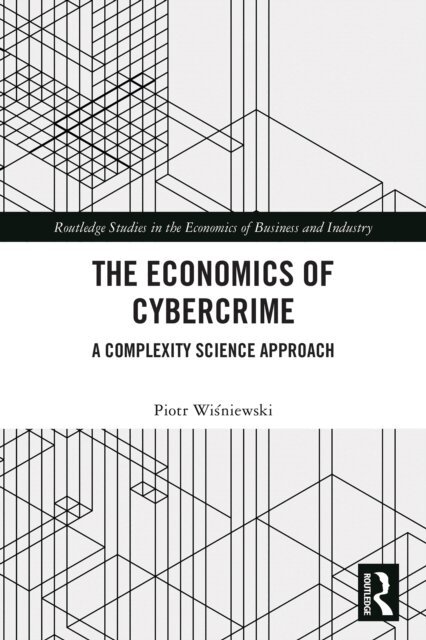
Economics of Cybercrime
A Complexity Science Approach
E-bok, 2026
831 kr
Lägg i varukorg
Cybercrime is a multi-level phenomenon that affects various industries and aspects of life. Economic research in this field requires stepping beyond a mainstream economic approach. Complexity economics shows that every economic phenomenon is influenced by a plethora of factors rooted in various …
Economics of Cybercrime
A Complexity Science Approach
E-bok, 2026
813 kr
Lägg i varukorg
Cybercrime is a multi-level phenomenon that affects various industries and aspects of life. Economic research in this field requires stepping beyond a mainstream economic approach. Complexity economics shows that every economic phenomenon is influenced by a plethora of factors rooted in various …
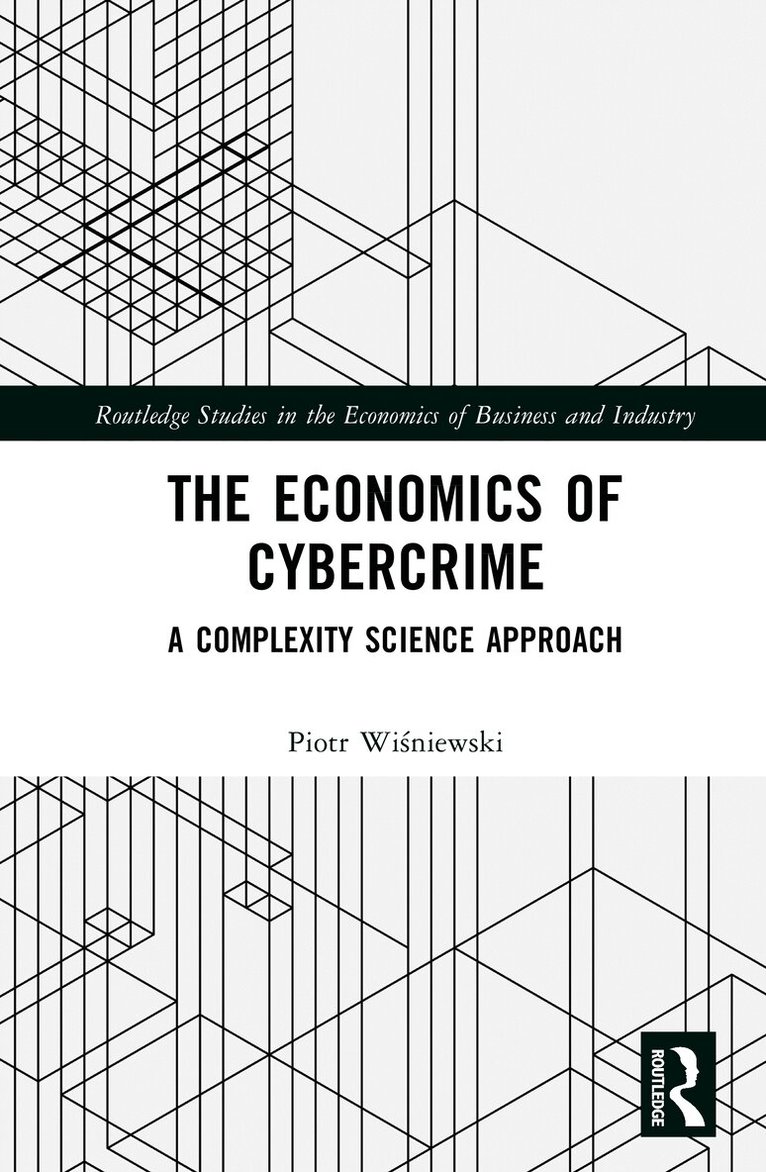
Economics of Cybercrime
A Complexity Science Approach
Inbunden, 2026
2504 kr
Lägg i varukorg
Cybercrime is a multi-level phenomenon that affects various industries and aspects of life. Economic research in this field requires stepping beyond a mainstream economic approach. Complexity economics shows that every economic phenomenon is influenced by a plethora of factors rooted in various …
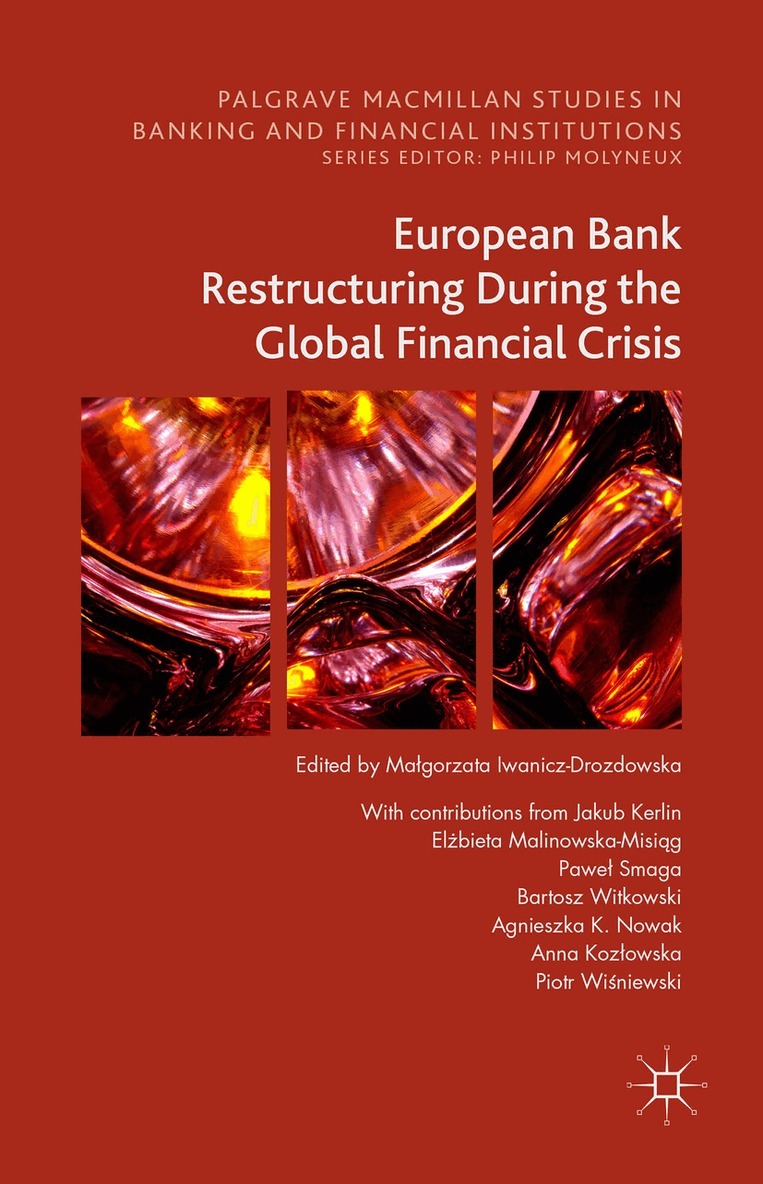
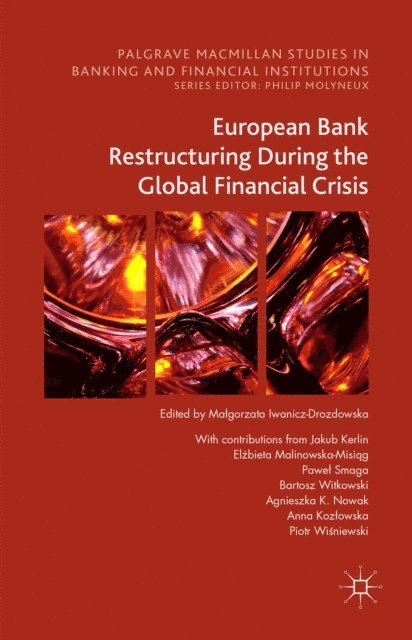
European Bank Restructuring During the Global Financial Crisis
Av Jakub Kerlin, Elżbieta Malinowska-Misiąg m. fl.
Inbunden, 2015
1128 kr
Lägg i varukorg
This book explores the diversity of restructuring instruments applied to financial institutions in EU countries during the Global Financial Crisis. It investigates the cost of that support before evaluating its effects, as well as providing an extensive analysis of the measures undertaken. The …
European Bank Restructuring During the Global Financial Crisis
Av Piotr Wisniewski, Anna Kozlowska m. fl.
E-bok, 2016
1562 kr
Lägg i varukorg
This book explores the diversity of restructuring instruments applied to financial institutions in EU countries during the Global Financial Crisis. It investigates the cost of that support before evaluating its effects, as well as providing an extensive analysis of the measures undertaken. The …