Poorna Mysoor – författare
Visar alla böcker från författaren Poorna Mysoor. Handla med fri frakt och snabb leverans.
6 produkter
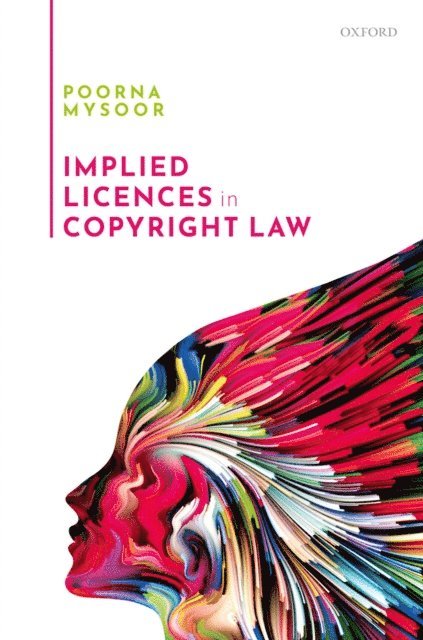
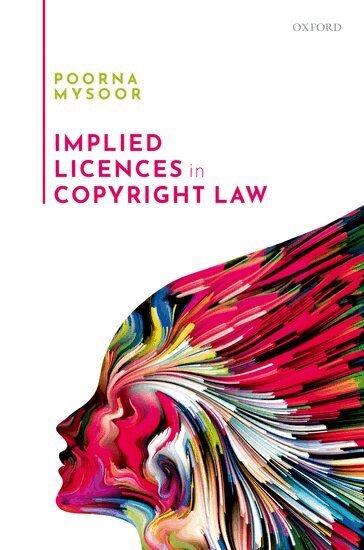
Implied Licences in Copyright Law
E-bok, 2021
1518 kr
Lägg i varukorg
A person can lawfully engage in an act restricted by copyright if they have the licence of the copyright owner or if their actions are covered by a statutory exception. However, if a person has the benefit of neither of these, it may still be possible to imply a copyright licence to respond to …
Implied Licences in Copyright Law
E-bok, 2021
1518 kr
Lägg i varukorg
A person can lawfully engage in an act restricted by copyright if they have the licence of the copyright owner or if their actions are covered by a statutory exception. However, if a person has the benefit of neither of these, it may still be possible to imply a copyright licence to respond to …
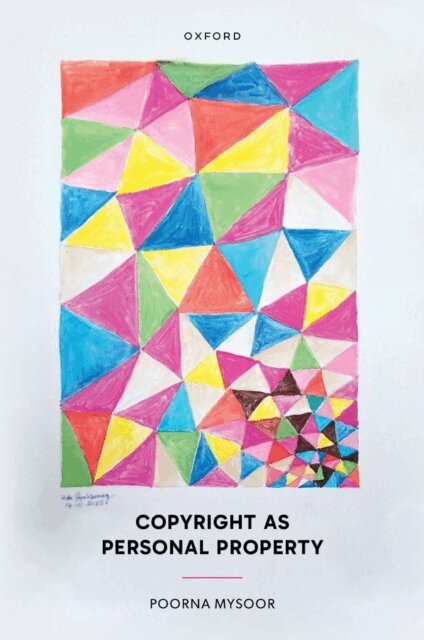
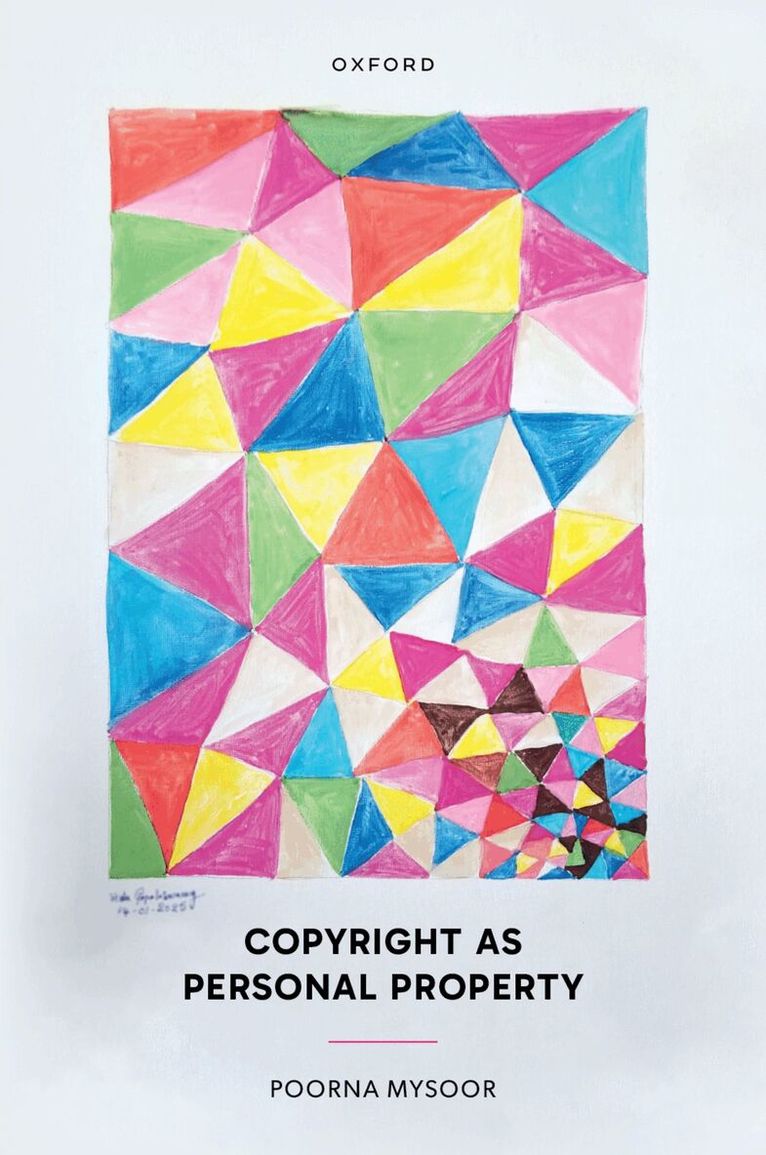
Copyright as Personal Property
E-bok, 2025
1125 kr
Lägg i varukorg
Copyright statutes in many jurisdictions clearly state that copyright is a property right. However, it''s not always clear exactly how. Some see it as no more than a statutory right, while others think of it as a chose in action, like debts or shares. Copyright as Personal Property demonstrates why …
Copyright as Personal Property
E-bok, 2025
1125 kr
Lägg i varukorg
Copyright statutes in many jurisdictions clearly state that copyright is a property right. However, it''s not always clear exactly how. Some see it as no more than a statutory right, while others think of it as a chose in action, like debts or shares. Copyright as Personal Property demonstrates why …
Copyright as Personal Property
Inbunden, 2025
1318 kr
Lägg i varukorg
Copyright statutes in many jurisdictions clearly state that copyright is a property right. However, it's not always clear exactly how. Some see it as no more than a statutory right, while others think of it as a chose in action, like debts or shares. Copyright as Personal Property demonstrates why …
Implied Licences in Copyright Law
Inbunden, 2021
1745 kr
Lägg i varukorg
A person can lawfully engage in an act restricted by copyright if they have the licence of the copyright owner or if their actions are covered by a statutory exception. However, if a person has the benefit of neither of these, it may still be possible to imply a copyright licence to respond to …