Priscilla Solis Ybarra - Böcker
Visar alla böcker från författaren Priscilla Solis Ybarra. Handla med fri frakt och snabb leverans.
3 produkter
3 produkter
369 kr
Skickas inom 7-10 vardagar
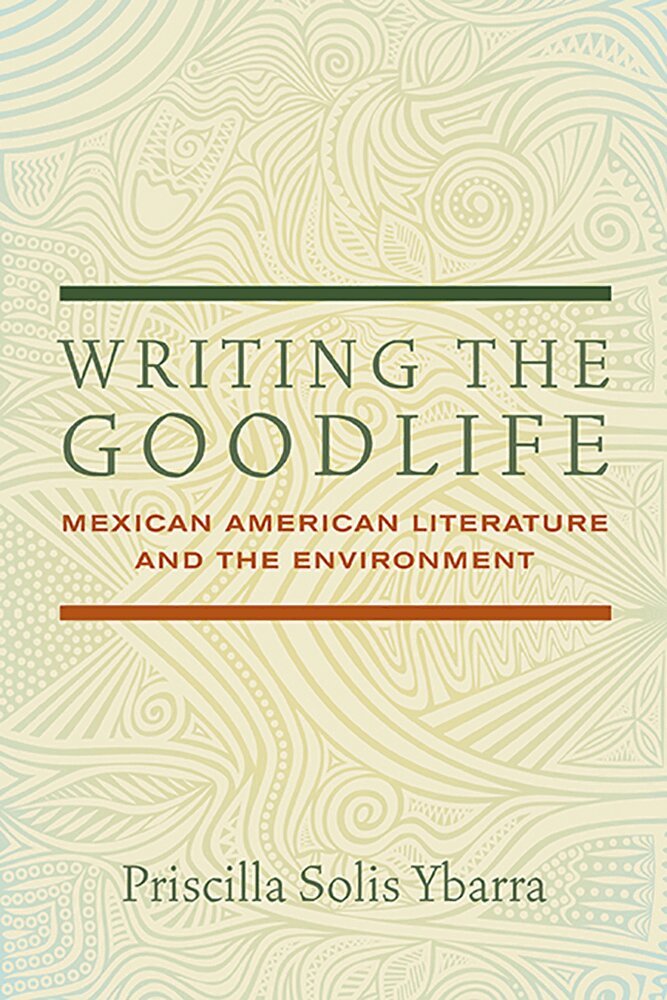
Mexican American literature brings a much-needed approach to the increasingly urgent challenges of climate change and environmental injustice. Although current environmental studies work to develop new concepts, Writing the Goodlife looks to long-established traditions of thought that have existed in Mexican American literary history for the past century and a half. During that time period, Mexican American writing consistently shifts the focus from the environmentally destructive settler values of individualism, domination, and excess toward the more beneficial refrains of community, non-possessiveness, and humility. The decolonial approaches found in these writings provide rich examples of mutually respectful relations between humans and nature, an approach that Priscilla Solis Ybarra calls ""goodlife"" writing. Goodlife writing has existed for at least the past century, Ybarra contends, but Chicana/o literary history's emphasis on justice and civil rights eclipsed this tradition and hidden it from the general public's view. Likewise, in ecocriticism, the voices of people of color most often appear in deliberations about environmental justice. The quiet power of goodlife writing certainly challenges injustice, to be sure, but it also brings to light the decolonial environmentalism heretofore obscured in both Chicana/o literary history and environmental literary studies. Ybarra's book takes on two of today's most discussed topics—the worsening environmental crisis and the rising Latino population in the United States—and puts them in literary-historical context from the U.S.-Mexico War up to today's controversial policies regarding climate change, immigration, and ethnic studies. This book uncovers 150 years' worth of Mexican American and Chicana/o knowledge and practices that inspire hope in the face of some of today's biggest challenges.
1 391 kr
Skickas inom 7-10 vardagar
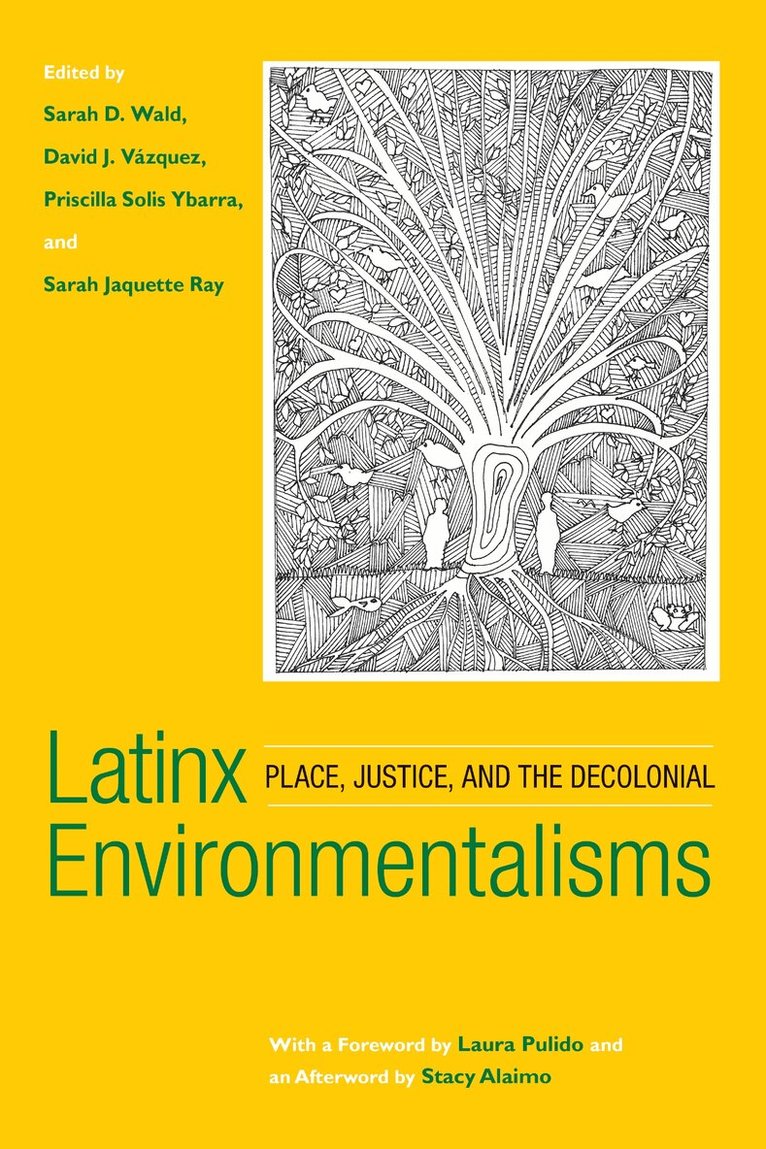
The whiteness of mainstream environmentalism often fails to account for the richness and variety of Latinx environmental thought. Building on insights of environmental justice scholarship as well as critical race and ethnic studies, the editors and contributors to Latinx Environmentalisms map the ways Latinx cultural texts integrate environmental concerns with questions of social and political justice. Original interviews with creative writers, including CherrÍe Moraga, Helena MarÍa Viramontes, and HÉctor Tobar, as well as new essays by noted scholars of Latinx literature and culture, show how Latinx authors and cultural producers express environmental concerns in their work. These chapters, which focus on film, visual art, and literature-and engage in fields such as disability studies, animal studies, and queer studies-emphasize the role of racial capitalism in shaping human relationships to the more-than-human world and reveal a vibrant tradition of Latinx decolonial environmentalism.Latinx Environmentalisms accounts for the ways Latinx cultures are environmental, but often do not assume the mantle of “environmentalism.”
474 kr
Skickas inom 7-10 vardagar
The whiteness of mainstream environmentalism often fails to account for the richness and variety of Latinx environmental thought. Building on insights of environmental justice scholarship as well as critical race and ethnic studies, the editors and contributors to Latinx Environmentalisms map the ways Latinx cultural texts integrate environmental concerns with questions of social and political justice. Original interviews with creative writers, including CherrÍe Moraga, Helena MarÍa Viramontes, and HÉctor Tobar, as well as new essays by noted scholars of Latinx literature and culture, show how Latinx authors and cultural producers express environmental concerns in their work. These chapters, which focus on film, visual art, and literature-and engage in fields such as disability studies, animal studies, and queer studies-emphasize the role of racial capitalism in shaping human relationships to the more-than-human world and reveal a vibrant tradition of Latinx decolonial environmentalism.Latinx Environmentalisms accounts for the ways Latinx cultures are environmental, but often do not assume the mantle of “environmentalism.”