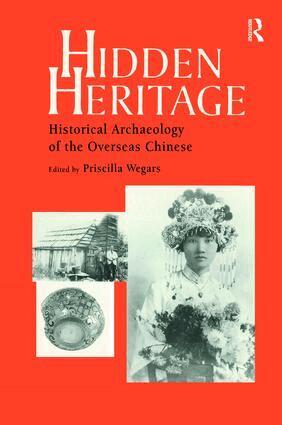
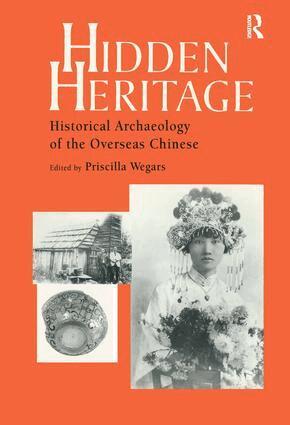
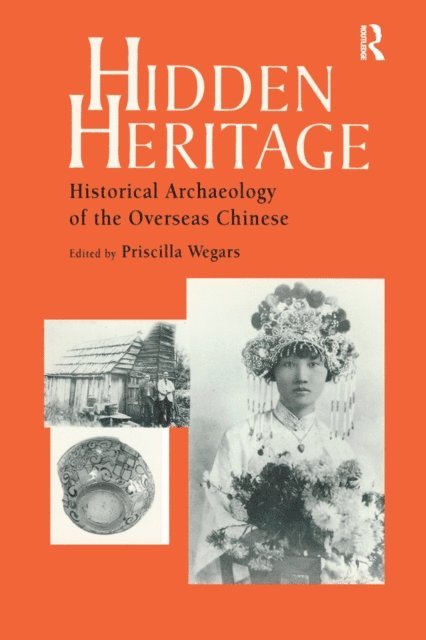
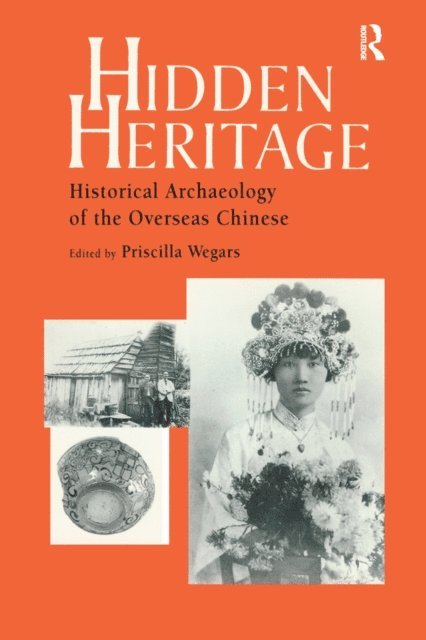
Beginning in the mid-nineteenth century, large numbers of people from mainland China emigrated to the United States and other countries seeking employment. Termed "overseas Chinese," they made lasting contributions to the development of early communities, an impact which has only begun to be recognized in recent years. "Chinatowns," rural mining claims, work camps for railroad and other construction activities, salmon canneries and shrimp camps, laundries, stores, cook shacks, cemeteries, and temples are only some of the sites where traces of their presence can be found. In recent years, numerous archaeological and historical investigations of the overseas Chinese have taken place, and "Hidden Heritage" presents the results of some of those studies.
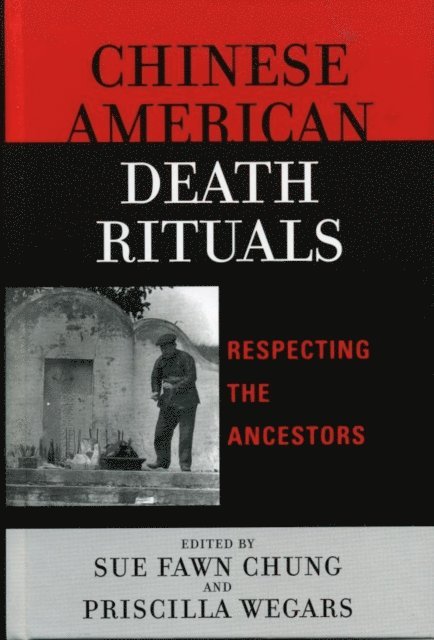
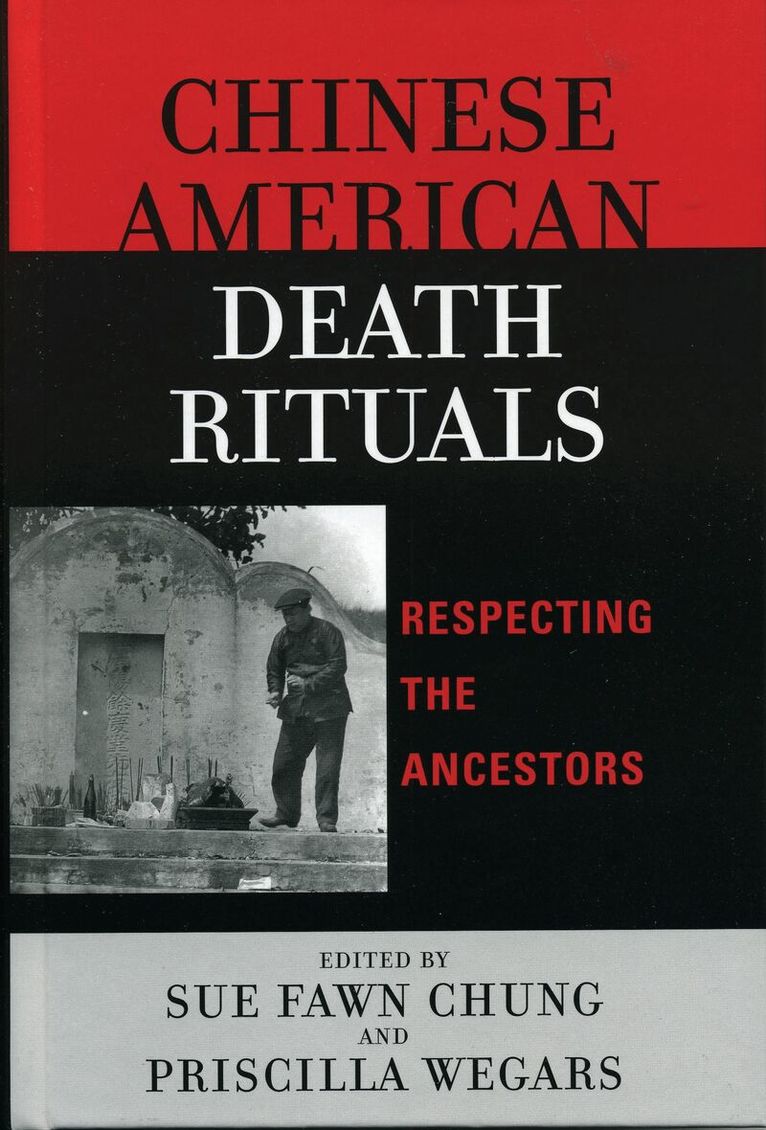
Death is a topic that has fascinated people for centuries. In the English-speaking world, eulogies in poetic form could be traced back to the 1640s, but gained prominence with the "graveyard school" of poets in the eighteenth century often stressing the finality of death. Chinese American Death Rituals examines Chinese American funerary rituals and cemeteries from the late nineteenth century until the present in order to understand the importance of Chinese funerary rites and their transformation through time. The authors in this volume discuss the meaning of funerary rituals and their normative dimension and the social practices that have been influenced by tradition. Shaped by individual beliefs, customs, religion, and environment, Chinese Americans have resolved the tensions between assimilation into the mainstream culture and their strong Chinese heritage in a variety of ways. This volume expertly describes and analyzes Chinese American cultural retention and transformation in rituals after death.
Beginning in the mid-nineteenth century, large numbers of people from mainland China emigrated to the United States and other countries seeking employment. Termed "overseas Chinese," they made lasting contributions to the development of early communities, an impact which has only begun to be recognized in recent years. "Chinatowns," rural mining claims, work camps for railroad and other construction activities, salmon canneries and shrimp camps, laundries, stores, cook shacks, cemeteries, and temples are only some of the sites where traces of their presence can be found. In recent years, numerous archaeological and historical investigations of the overseas Chinese have taken place, and "Hidden Heritage" presents the results of some of those studies.
Death is a topic that has fascinated people for centuries. In the English-speaking world, eulogies in poetic form could be traced back to the 1640s, but gained prominence with the "graveyard school" of poets in the eighteenth century often stressing the finality of death. Chinese American Death Rituals examines Chinese American funerary rituals and cemeteries from the late nineteenth century until the present in order to understand the importance of Chinese funerary rites and their transformation through time. The authors in this volume discuss the meaning of funerary rituals and their normative dimension and the social practices that have been influenced by tradition. Shaped by individual beliefs, customs, religion, and environment, Chinese Americans have resolved the tensions between assimilation into the mainstream culture and their strong Chinese heritage in a variety of ways. This volume expertly describes and analyzes Chinese American cultural retention and transformation in rituals after death.