Prit Buttar - Böcker
Visar alla böcker från författaren Prit Buttar. Handla med fri frakt och snabb leverans.
19 produkter
19 produkter
285 kr
Tillfälligt slut
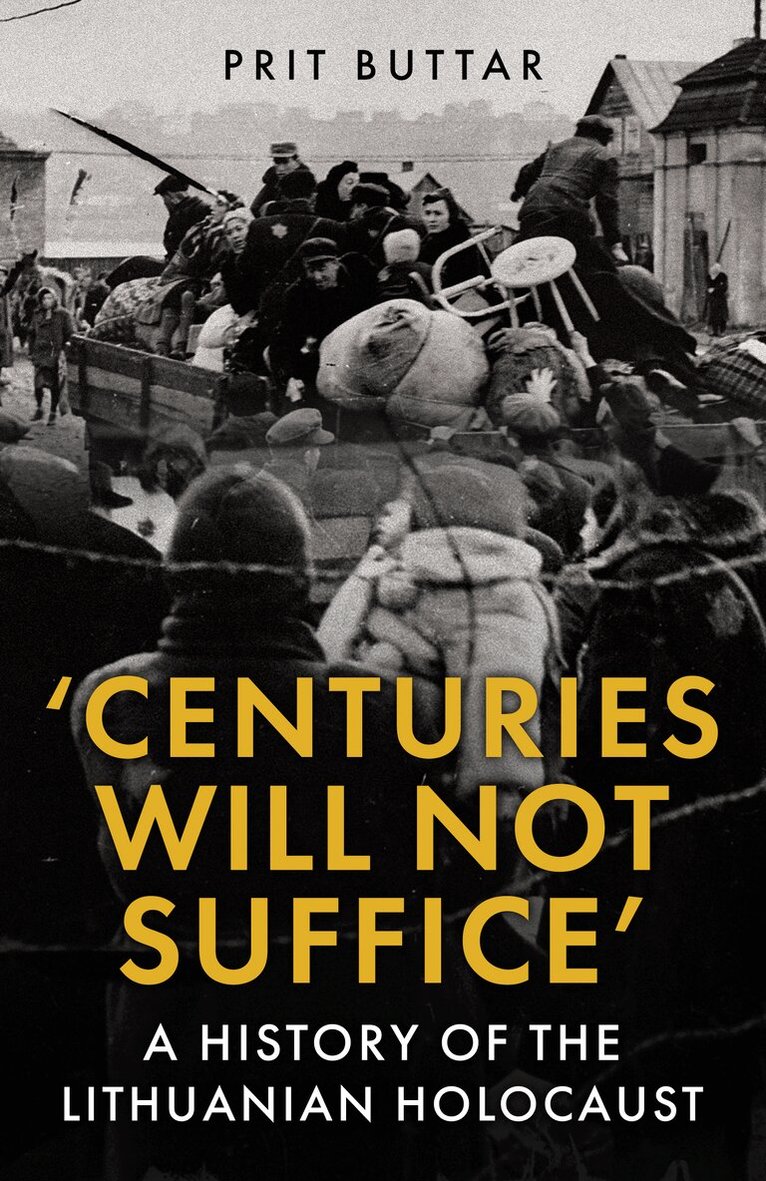
'Centuries Will Not Suffice' explores how different people responded to the Lithuanian Holocaust and the roles that they played. It considers the past history of the perpetrators and those who took great risks to save Jews, as well as describing the experiences of many who were caught up in the maelstrom.Unlike the figures at the top of the Nazi hierarchy, the men who were responsible for these killings have been largely forgotten. Karl Jäger was a senior SS figure who was in charge of the units that carried out most of them. He complained that his experiences caused him to suffer nightmares but continued to order his units to carry on and refused offers of sick leave on the grounds that he regarded it as his duty to remain in his post. He took refuge in compiling painstakingly detailed reports of the killings, listing the numbers executed at every location and breaking them down into men, women and children. The roles played by other figures, from Himmler and Heydrich at the summit, through the ranks of men down to Martin Weiss and Bruno Kittel who were personally responsible for carrying out Nazi policies, are all described.Before the German invasion of Lithuania, two diplomats – Chiune Sugihara from Japan and Jan Zwartendijk from the Netherlands – recognised the great danger that lay ahead for the Jews of the Baltic region and did what they could to help them escape. Karl Plagge, a major in the army, did all he could to save Jews. What perhaps make the terrible story of the Baltic genocide unique is that the Nazi regime was able to rely upon collaboration by convincing the populace that the Soviet invasion of the area was the responsibility of the Jews.
163 kr
Skickas
Centuries Will Not Suffice explores how different people responded to the Lithuanian Holocaust and the roles that they played. It considers the past history of the perpetrators and those who took great risks to save Jews, as well as describing the experiences of many who were caught up in the maelstrom.Unlike the figures at the top of the Nazi hierarchy, the men who were responsible for these killings have been largely forgotten. Karl Jäger was a senior SS figure who was in charge of the units that carried out most of them. He complained that his experiences caused him to suffer nightmares but continued to order his units to carry on and refused offers of sick leave on the grounds that he regarded it as his duty to remain in his post. He took refuge in compiling painstakingly detailed reports of the killings, listing the numbers executed at every location and breaking them down into men, women and children. The roles played by other figures, from Himmler and Heydrich at the summit, through the ranks of men down to Martin Weiss and Bruno Kittel who were personally responsible for carrying out Nazi policies, are all described.Before the German invasion of Lithuania, two diplomats – Chiune Sugihara from Japan and Jan Zwartendijk from the Netherlands – recognised the great danger that lay ahead for the Jews of the Baltic region and did what they could to help them escape. Karl Plagge, a major in the army, did all he could to save Jews. What perhaps make the terrible story of the Baltic genocide unique is that the Nazi regime was able to rely upon collaboration by convincing the populace that the Soviet invasion of the area was the responsibility of the Jews.
194 kr
Skickas inom 7-10 vardagar
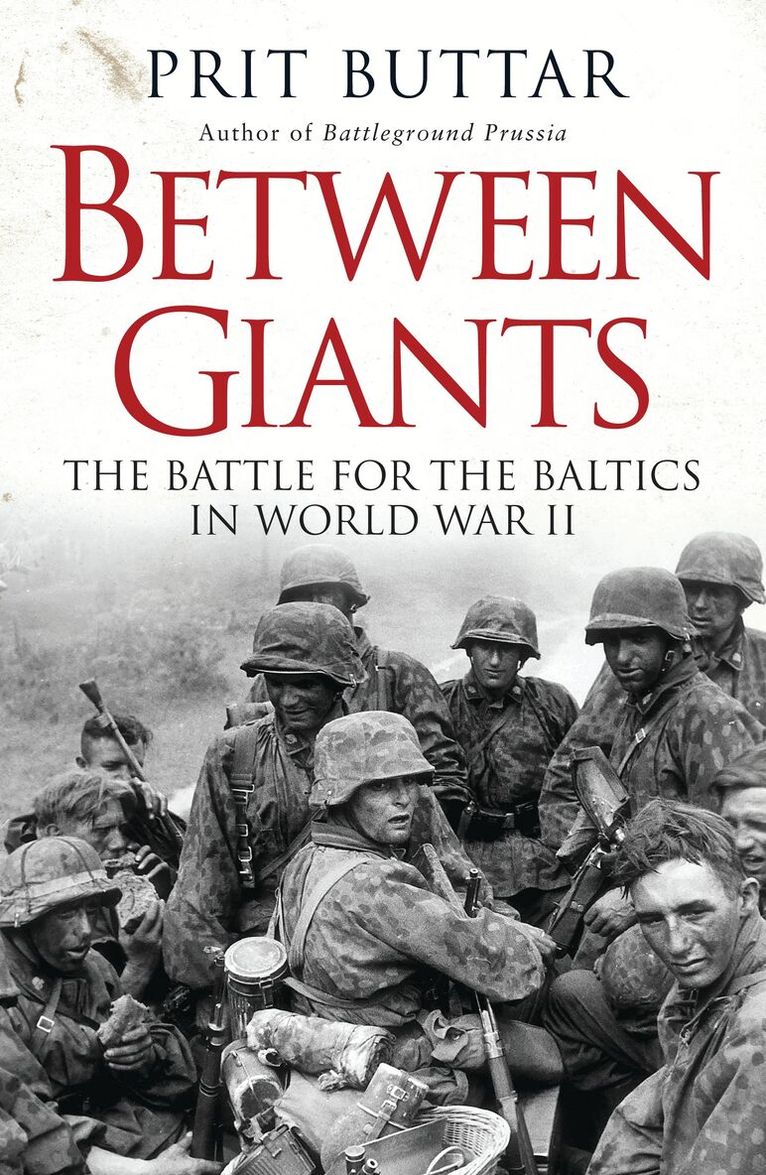
From an expert on the Eastern Front of World War II, this book chronicles the cataclysmic experience of the region that includes modern-day Lithuania, Estonia and Latvia.The Baltic States suffered more than almost any other territory during World War II, caught on the front-line of some of the war’s most vicious battles and squeezed between the vast military might of the German Wehrmacht and the Soviet Red Army. Combining new archival research and numerous first-hand accounts, this is a magisterial description of conquest and exploitation, of death and deportation and the fight for survival both by countries and individuals.
243 kr
Tillfälligt slut
Collision of Empires is the first major historical work on the Eastern Front during World War I since the 1970s.One of the primary triggers of the outbreak of World War I was undoubtedly the myriad alliances and suspicions that existed between the Russian, German, and Austro-Hungarian empires in the early 20th century. Yet much of the actual fighting between these nations has been largely forgotten in the West. Driven by first-hand accounts and detailed archival research, Collision of Empires seeks to correct this imbalance. The first in a four-book series on the Eastern Front in World War I, Prit Buttar's dynamic retelling examines the tumultuous events of the first year of the war and reveals the chaos and destruction that reigned when three powerful empires collided.A war that was initially seen by all three powers as a welcome opportunity to address both internal and external issues would ultimately bring about the downfall of them all.
194 kr
Skickas inom 7-10 vardagar
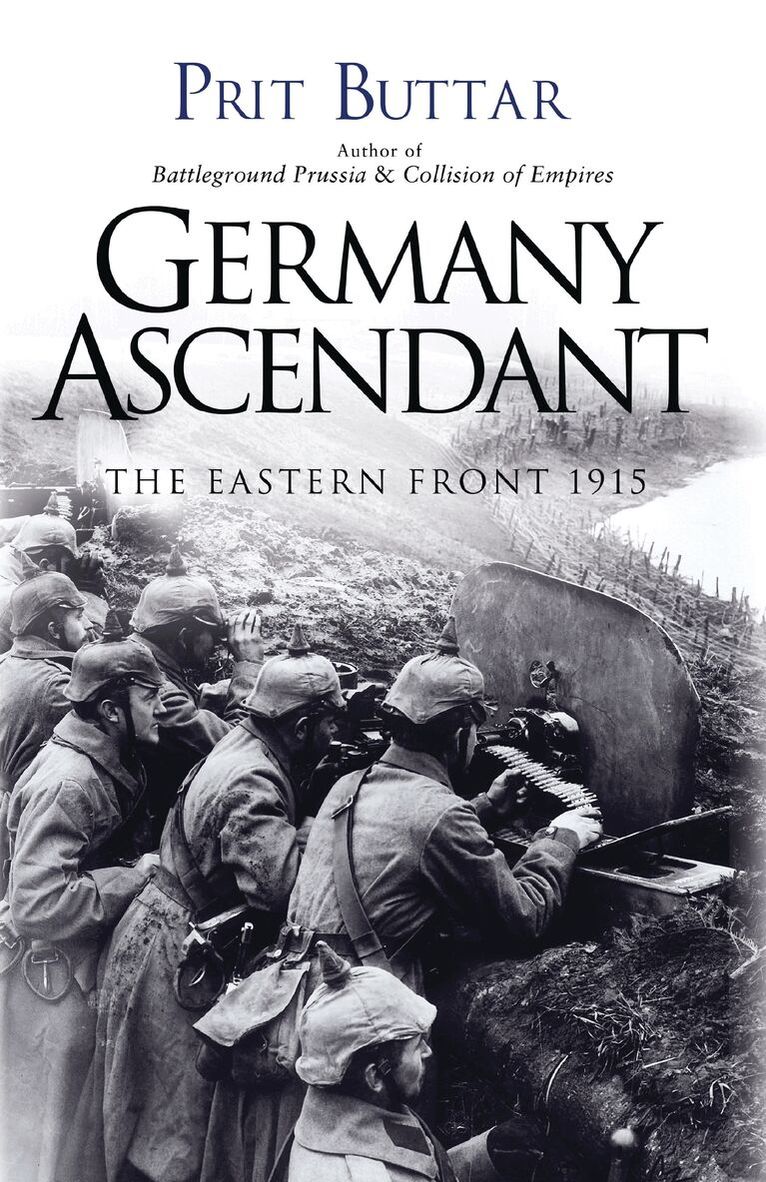
A detailed and absorbing narrative of the campaigns fought on the 'forgotten' Eastern Front of the Great War, vividly illustrating that these campaigns were no less costly, tragic and important than the catastrophes of the Somme, Verdun and Passchendaele.The massive offensives on the Eastern Front during 1915 are too often overshadowed by the events in Western Europe, but the scale and ferocity of the clashes between Imperial Germany, Habsburg Austria-Hungary and Tsarist Russia were greater than anything seen on the Western Front and ultimately as important to the final outcome of the war.With the Russians hamstrung by weak supply lines and the Austro-Hungarian leadership committed to a strategy of offensive drives despite diminishing manpower and adverse terrain, the fighting in early 1915 was a costly and futile exercise. By the summer, the Central Powers, increasingly dominated by Germany, had begun to gain the advantage, but even the Gorlice–Tarnów Offensive of 1915 – which ultimately resulted in the retreat of Russian forces from Poland – failed to bring the conflict to a conclusion.Now with the work of internationally renowned Eastern Front expert Prit Buttar, this fascinating story is finally being told. From the bitter fighting in the Carpathian Mountains, to the sweeping advances through Serbia and the almost medieval battle for the fortress of Przemysl, this is a staggeringly ambitious history of some of the most important moments of the First World War.
190 kr
Tillfälligt slut
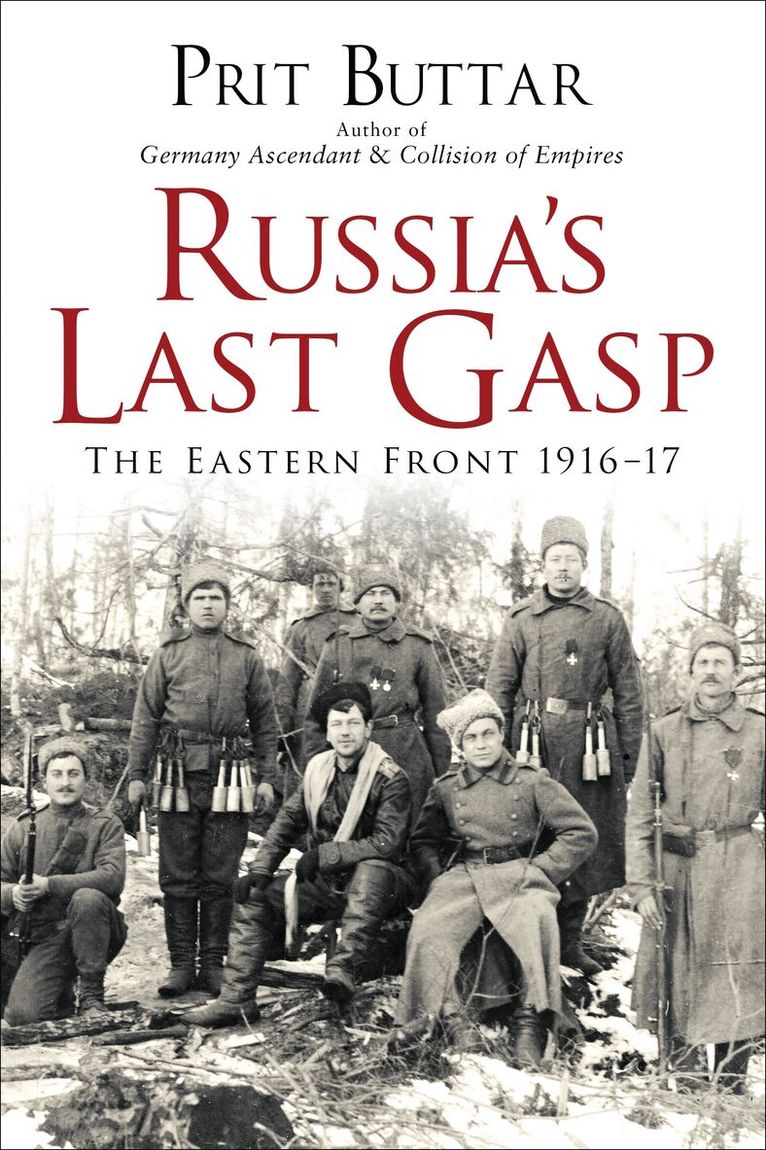
Despite the increasingly futile, bloody struggles for territory that had characterised the Eastern Front the previous year, the German and Austro-Hungarian commands held high hopes for 1916.After the success of the 1915 Gorlice–Tarnów Offensive, which had driven Russia out of Galicia and Poland, Germany was free to renew its efforts in the west. Austria-Hungary, meanwhile, turned its attention to defeating Italy.In an attempt to relieve pressure on their British and French allies at the Somme and Verdun, Russia launched one of the bloodiest campaigns in the history of warfare. General Brusilov’s June advance was quickly characterised by innovative tactics, including the use of shock troops – a tactic that German armies would later adapt to great effect. The momentum continued with Romania’s entry into the war and the declaration by the Central Powers of a Kingdom of Poland – two events which would radically transform the borders of post-war Europe.Drawing on first-hand accounts and archival research, internationally renowned historian Prit Buttar presents a dramatic account of an explosive year on the Eastern Front, one that gave Russia its greatest success on the battlefield but plunged the nation into revolution at home.
197 kr
Skickas
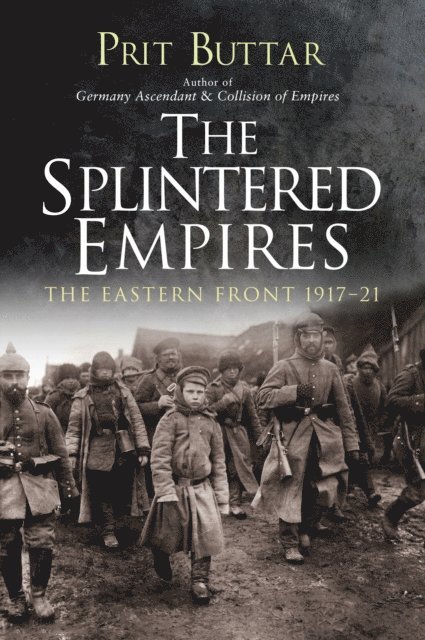
The last volume of Prit Buttar's best-selling series on the Eastern Front in World War I in paperback.At the beginning of 1917, the three empires fighting on the Eastern Front were reaching their breaking points, but none was closer than Russia. After the February Revolution, Russia’s ability to wage war faltered and her last desperate gamble, the Kerensky Offensive, saw the final collapse of her army. This helped trigger the Bolshevik Revolution and a crippling peace, but the Central Powers had no opportunity to exploit their gains and, a year later, both the German and Austro-Hungarian empires surrendered and disintegrated.Concluding his acclaimed series on the Eastern Front in World War I, Prit Buttar comprehensively details not only these climactic events, but also the ‘successor wars’ that raged long after the armistice of 1918. New states rose from the ashes of empire, and war raged as German forces sought to keep them under the aegis of the Fatherland. These unresolved tensions between the former Great Powers and the new states would ultimately lead to the rise of Hitler and a new, terrible world war only two decades later.
194 kr
Skickas inom 7-10 vardagar
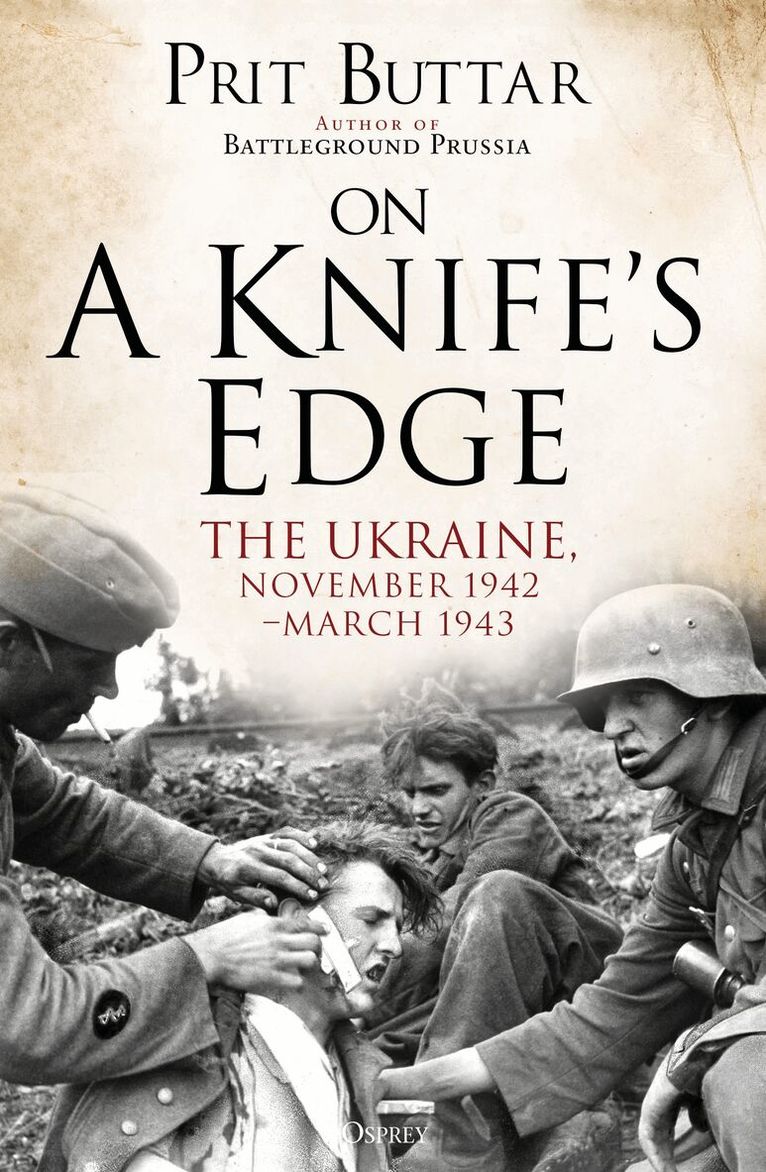
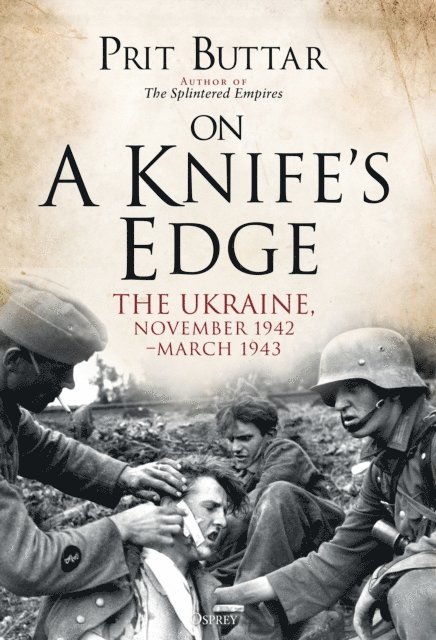
From critically acclaimed Eastern Front expert Prit Buttar, this is the engrossing story of the often-overlooked German counteroffensive post-Stalingrad, and how it prevented the whole Axis front line from collapsing.The battle of Stalingrad was the turning point of World War II. The German capture of the city, their encirclement by Soviet forces shortly afterwards, and the hard-fought but futile attempts to relieve them, saw bitter attritional fighting and extremes of human misery inflicted on both sides. The war was not over. The surrender of General Friedrich von Paulus’s army left Germany’s eastern armies severely weakened, but the Red Army had suffered enormous losses as it overreached itself in trying to exploit its great victory. Germany would continue the fight, and the battles that took place in the winter of 1942/43 would show the tactical and operational skill of Erich von Manstein and the Wehrmacht as they attempted to avert total disaster.Drawing on first-hand accounts, On a Knife's Edge is a story of brilliant generalship, lost opportunities and survival in the harshest theatre of war.
238 kr
Skickas inom 7-10 vardagar
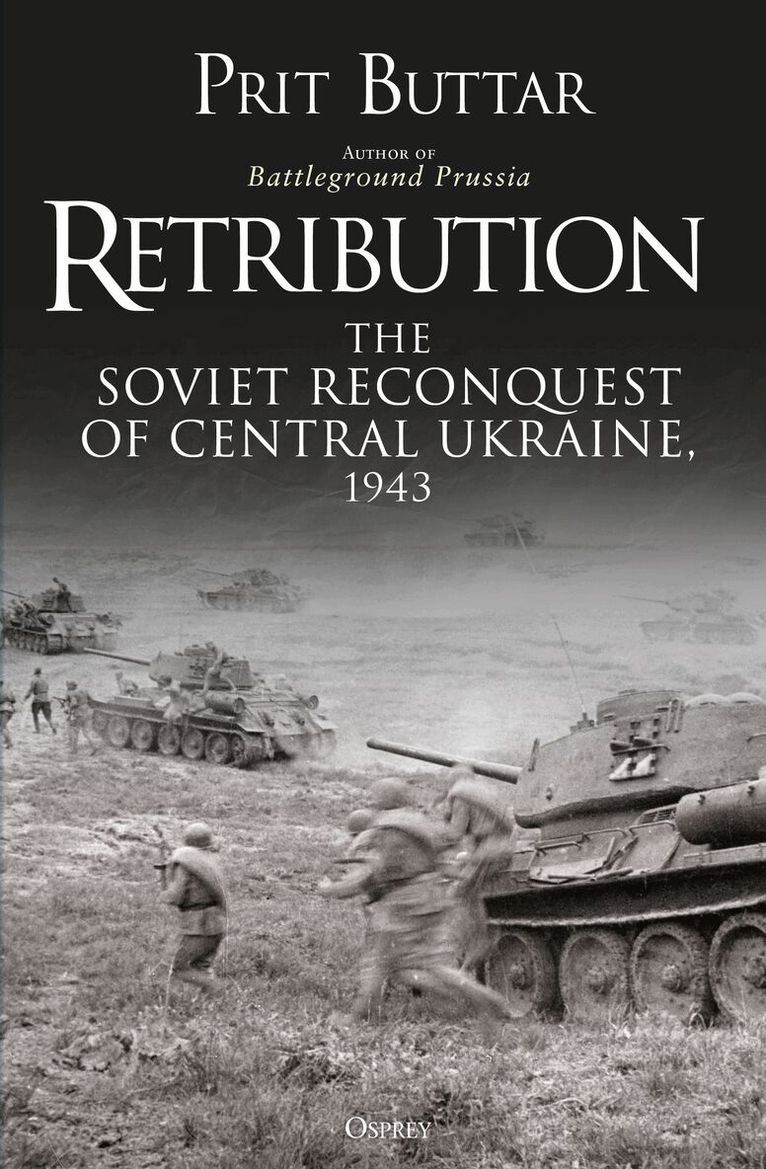
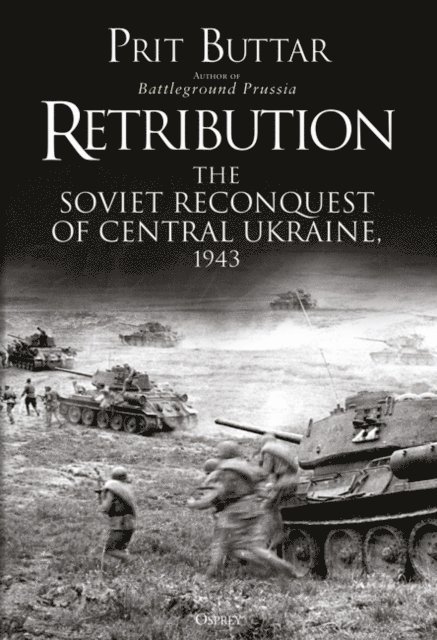
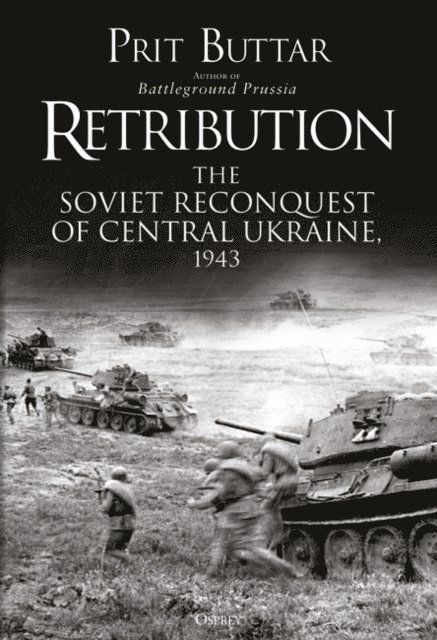
From critically acclaimed Eastern Front expert Prit Buttar comes this paperback edition of his detailed and engrossing account of the World War II’s Eastern Front as German forces were driven back following the Battle of Kursk.Making use of the extensive memoirs of German and Russian soldiers to bring this story to life, Retribution follows on from On A Knife’s Edge, which described the encirclement and destruction of the German Sixth Army at Stalingrad and the offensives and counteroffensives that followed throughout the winter of 1942–43. Beginning towards the end of the Battle of Kursk, Retribution tells the story of the massive Soviet offensive that followed the end of Operation Zitadelle, which saw depleted and desperate German troops forced out of Western Ukraine. This title describes in detail the little-known series of near-constant battles that saw a weakened German army confronted by a tactically sophisticated force of over six million Soviet troops.As a result, the Wehrmacht was driven back to the Dnepr and German forces remaining in the Kuban Peninsula south of Rostov were forced back into the Crimea, a retreat which would become one of many in the months that followed.
194 kr
Skickas inom 7-10 vardagar
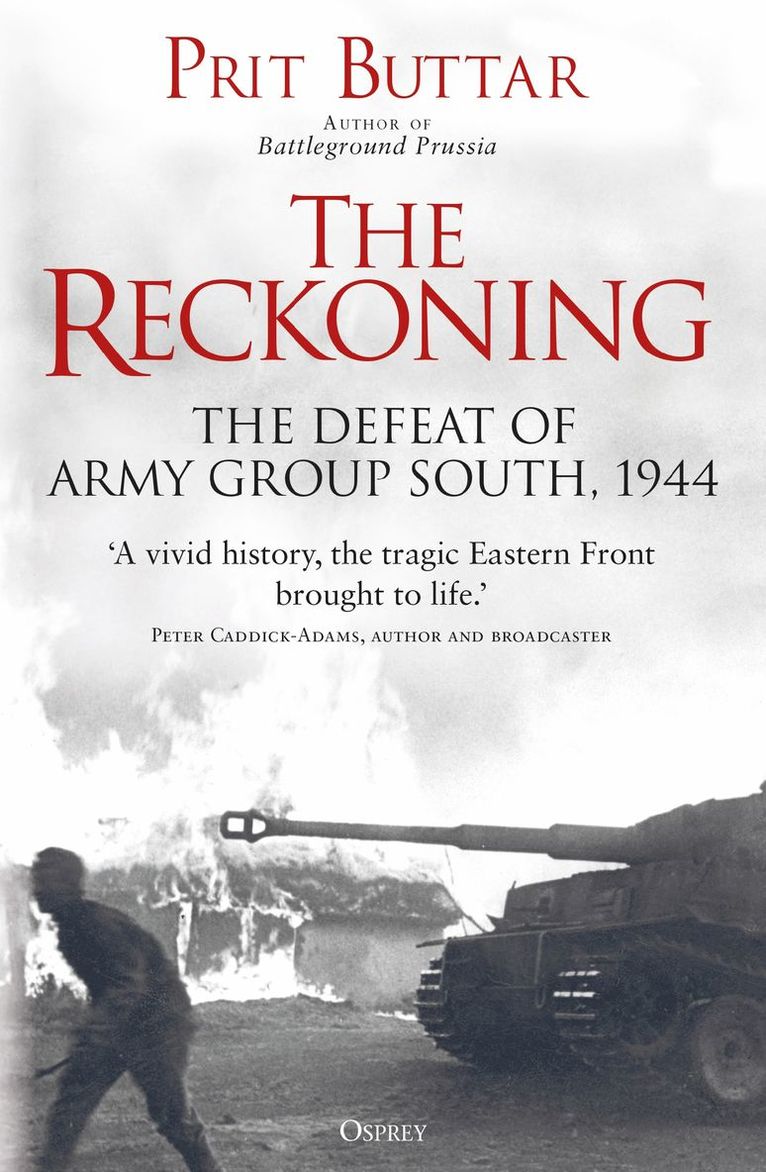
'The Reckoning is vivid history, the tragic Eastern Front brought to life through the widest range of Russian and German sources I've ever read. Bravo.' – Peter Caddick-Adams, author and broadcasterFrom critically acclaimed Eastern Front expert Prit Buttar, The Reckoning is a masterful re-evaluation of the fateful year of 1944, and how the Red Army irrevocably turned the tide of war until the final defeat within the heart of Germany itself was guaranteed.The fighting throughout the Ukraine and Romania was brutal, with the German defence dogged and desperate. But for too long the Wehrmacht had relied on the superior combat prowess of its fighting men. What had not been taken into account, however, was that the Red Army would not only rely on its sheer size, but would fine-tune its fighting performance from its senior commanders right down to the individual soldier battling both fear and the elements to take each line, each trench, each inch of land. Ultimately it is a story not of how the Germans lost, as is all too often told, but of how the Russians increasingly learned how to win.
194 kr
Skickas inom 7-10 vardagar
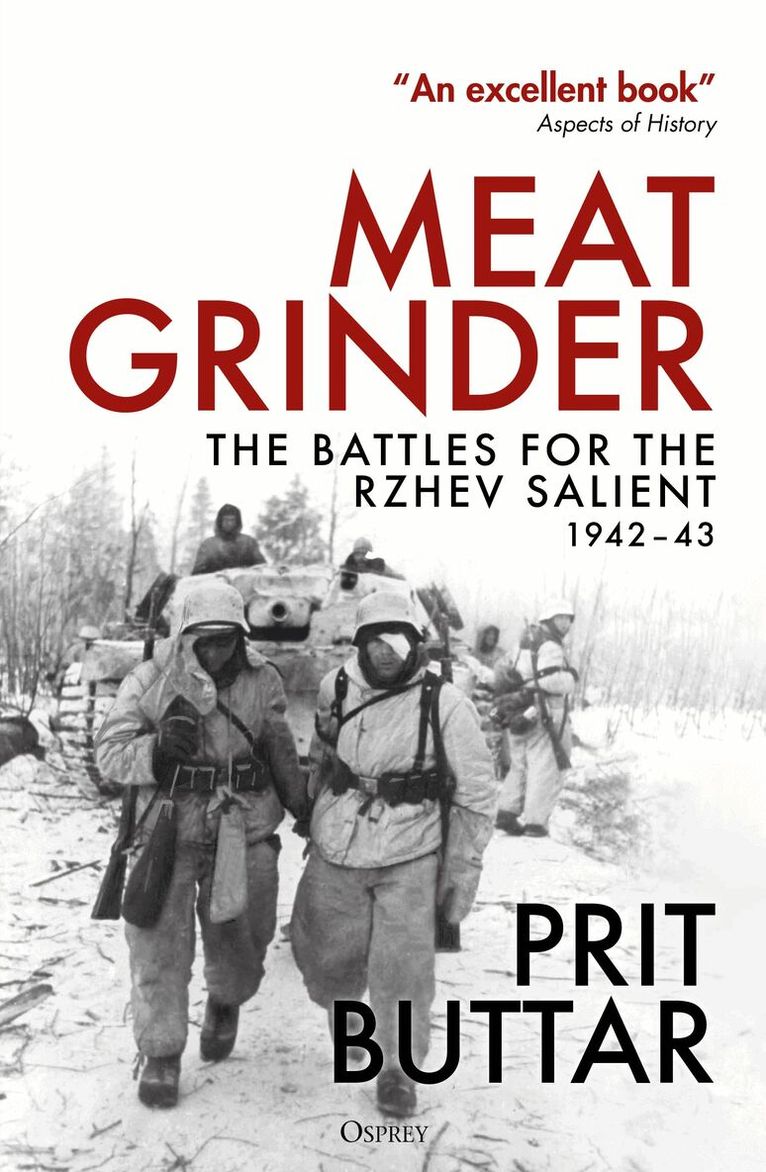
An engrossing history of the desperate battles for the Rzhev Salient, a forgotten story brought to life by the harrowing memoirs of German and Russian soldiers.The fighting between the German and Russian armies in the Rzhev Salient during World War II was so grisly, so murderous, and saw such vast losses that the troops called the campaign 'The Meat Grinder'. Though millions of men would fight and die there, the Rzhev Salient does not have the name recognition of Leningrad or Moscow. It has been largely ignored by Western historians – until now.In this book, Prit Buttar, a leading expert on the Eastern Front, reveals the depth and depravity of the bitter fighting. He details how the region held the promise of a renewed drive on Moscow for the German Army – a chance to turn the tide of war. Using German and Russian first-hand accounts, Buttar examines the major offensives launched by the Red Army against the salient, all of which were defeated with losses exceeding two million killed, wounded or missing, until eventually, the Germans were forced to evacuate the salient in March 1943.Drawing on the latest research, Meat Grinder provides a study of these horrific battles but also examines how the Red Army did learn from its colossal failures and how its timely analysis of these failures helped pave the way for the eventual Soviet victory against Army Group Centre in the summer of 1944, leaving the road to Berlin clear.
194 kr
Skickas inom 7-10 vardagar
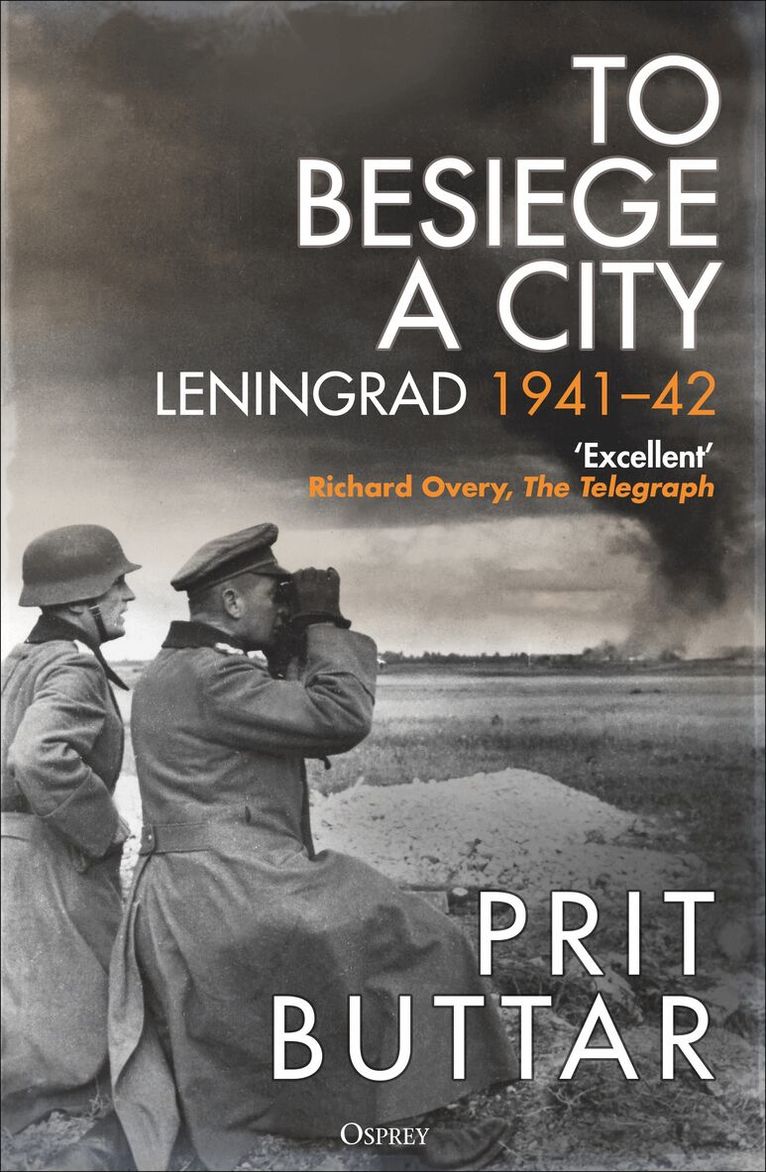
'[An] excellent account.' - Richard Overy, The TelegraphShortlisted for the Military History Matters Book of the Year Award 2024A ground-breaking history of the siege of Leningrad, masterfully brought to life by a leading expert using original Russian and German source material.Starting in September 1941, the Red Army and the civilian population of Leningrad endured a bitter 900-day siege, struggling against constant bombing, shelling, and starvation inflicted by the encircling Axis forces. The Soviets made repeated, but unsuccessful, bids to break German lines and reach the city, failing to end the siege but nevertheless defying the odds to construct and defend the ‘Road to Life’ over the frozen Lake Ladoga, across which meager supplies were transported to the embattled garrison. Although they defeated Russia’s Second Shock Army twice over, the German infantry divisions were also steadily eroded, their resources and morale depleted under the pressure of near-constant assaults and battles.With To Besiege a City, Eastern Front historian Prit Buttar interweaves first-hand accounts with revelatory research to deliver the first major history of the siege of Leningrad in over a decade, expertly analyzing strategic failings on both sides while simultaneously detailing the horrific realities of daily life during a merciless war.
336 kr
Skickas
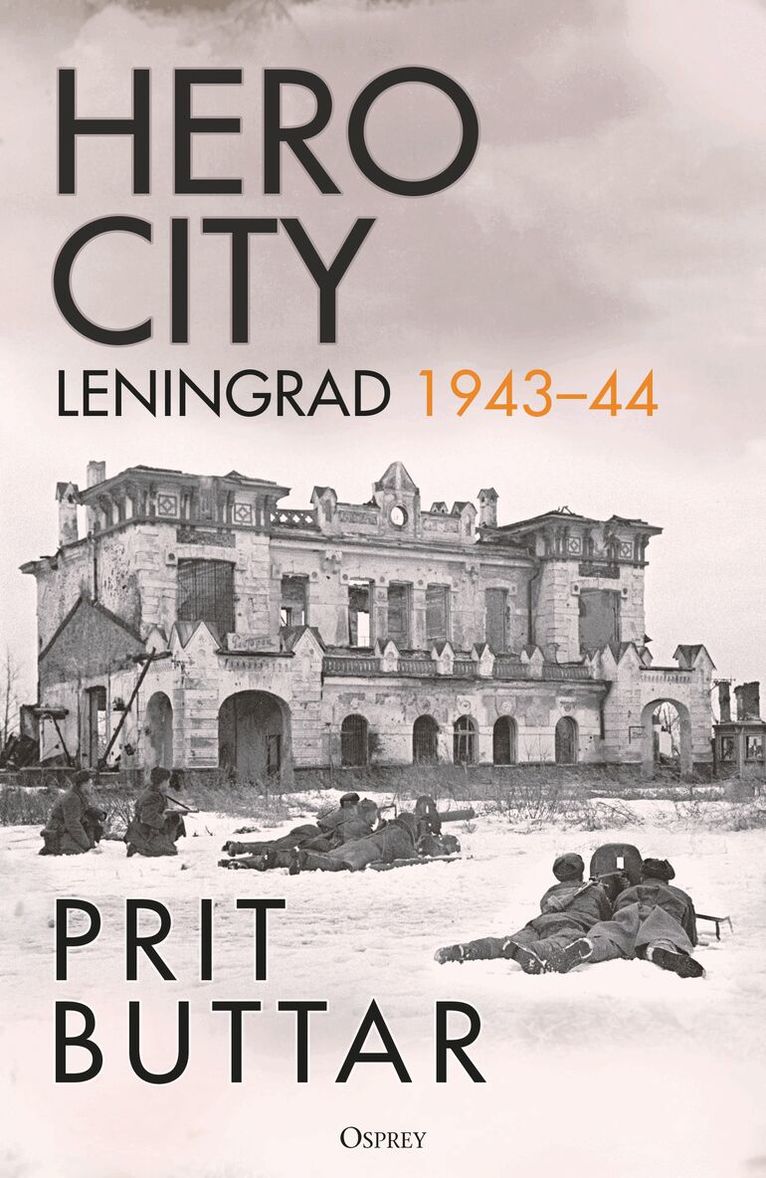
'An impressive patch in the tapestry of written history that points toward the truth.' The SpectatorOne of the greatest ever sieges is masterfully brought to life by a leading expert on the Eastern Front.At the height of World War II the people of Leningrad endured a bitter 900-day siege, struggling against bombing, shelling, and starvation. Prit Buttar tells the story of how the siege was finally broken. The Red Army had suffered multiple setbacks in the preceding two years but achieved a partial success by breaking the blockage in early 1943. However, this was followed by further failed attempts to lift the siege. But by simply enduring the siege in the face of impossible odds, Russian soldiers and civilians beat the Germans. By the end of 1943 the German forces, broken by deprivations and extreme weather, began to pull back. Here was the opportunity the Soviet forces had been waiting for. The Red Army launched a decisive attack that broke through and ended the siege. Their determination to hold out has become a hugely significant part of Russian history, the echoes of the battle helping to define both a country and its politics.This compelling history uses original source material to describe the experiences of those trapped. It also details the tactical successes and strategic failures of both sides and the appalling war crimes that have forever stained the ground in and around this historic city.
194 kr
Kommande
'An impressive patch in the tapestry of written history that points toward the truth.' The SpectatorOne of the greatest ever sieges is masterfully brought to life by a leading expert on the Eastern Front.At the height of World War II the people of Leningrad endured a bitter 900-day siege, struggling against bombing, shelling, and starvation. Prit Buttar tells the story of how the siege was finally broken. The Red Army had suffered multiple setbacks in the preceding two years but achieved a partial success by breaking the blockage in early 1943. However, this was followed by further failed attempts to lift the siege. But by simply enduring the siege in the face of impossible odds, Russian soldiers and civilians beat the Germans. By the end of 1943 the German forces, broken by deprivations and extreme weather, began to pull back. Here was the opportunity the Soviet forces had been waiting for. The Red Army launched a decisive attack that broke through and ended the siege. Their determination to hold out has become a hugely significant part of Russian history, the echoes of the battle helping to define both a country and its politics.This compelling history uses original source material to describe the experiences of those trapped. It also details the tactical successes and strategic failures of both sides and the appalling war crimes that have forever stained the ground in and around this historic city.
194 kr
Kommande
A fascinating history of the great summer offensive launched by the Red Army in 1944 which turned the tide of the war.Throughout the war on the Eastern Front, there were two consistent trends. The Red Army battled to learn how to win, while involved in a struggle for its very survival. But by 1944 it had a leadership that was able to wield it with lethal effect and with far better equipment than before. By contrast, the Wehrmacht had commenced a slow process of decline after the invasion of the Soviet Union. Hitler became increasingly unwilling to delegate decision-making to commanders in the field, which had been crucial to earlier success. The long years of fighting had also taken a heavy toll. Thousands of irreplaceable junior officers and NCOs were dead, wounded or prisoners.Renowned Eastern Front expert Prit Buttar expertly brings these contrasting fortunes to life, trends which culminated in the huge battles of Bagration. As this masterful study conclusively shows, in 1944 the Red Army finally put together a campaign that utterly destroyed Army Group Centre. The Wehrmacht suffered the loss of over 300,000 men killed, wounded or taken prisoner and the Red Army rolled forward across Belarus to the outskirts of Warsaw. The end of the war was still many months away, and the Germans managed to reconstruct their line on the Eastern Front, but final victory for the Soviet Union was now only a matter of time as a direct consequence of Bagration.
365 kr
Skickas
Enriched by extraordinary first-hand accounts, this is a fascinating history of the dying days of the Third Reich as Stalin sought to consolidate his own empire. In January 1945, the Red Army launched a powerful offensive across the Vistula River to drive the Wehrmacht out of Poland, with the intention of securing a start line for an operation that would ultimately result in the capture of Berlin and the end of the war. But, as Prit Buttar expertly reveals, there were other issues at play. Stalin was determined to push the boundaries of the Soviet Union further west, restoring land lost by the tsars and securing vast industrial and mineral wealth. While negotiations took place between the Allied powers regarding the fate of Poland, the Red Army burst through the German lines, liberating Auschwitz even as the SS drove concentration camp inmates onto frozen roads in a series of death marches.The Wehrmacht staged a desperate fight back with their last major armoured offensive on the Eastern Front. Launched in February 1945 from the German-Polish border, it forced a halt to the Soviet forces on the banks of the Oder before the rush to Berlin. Written by an acknowledged expert on the Eastern Front and packed with first-hand accounts, this is the definitive account of the strategic goals, both military and political, of Stalin, his generals, and their armies as they raced into the Reich, and of the German forces who stood in the way.
342 kr
Kommande
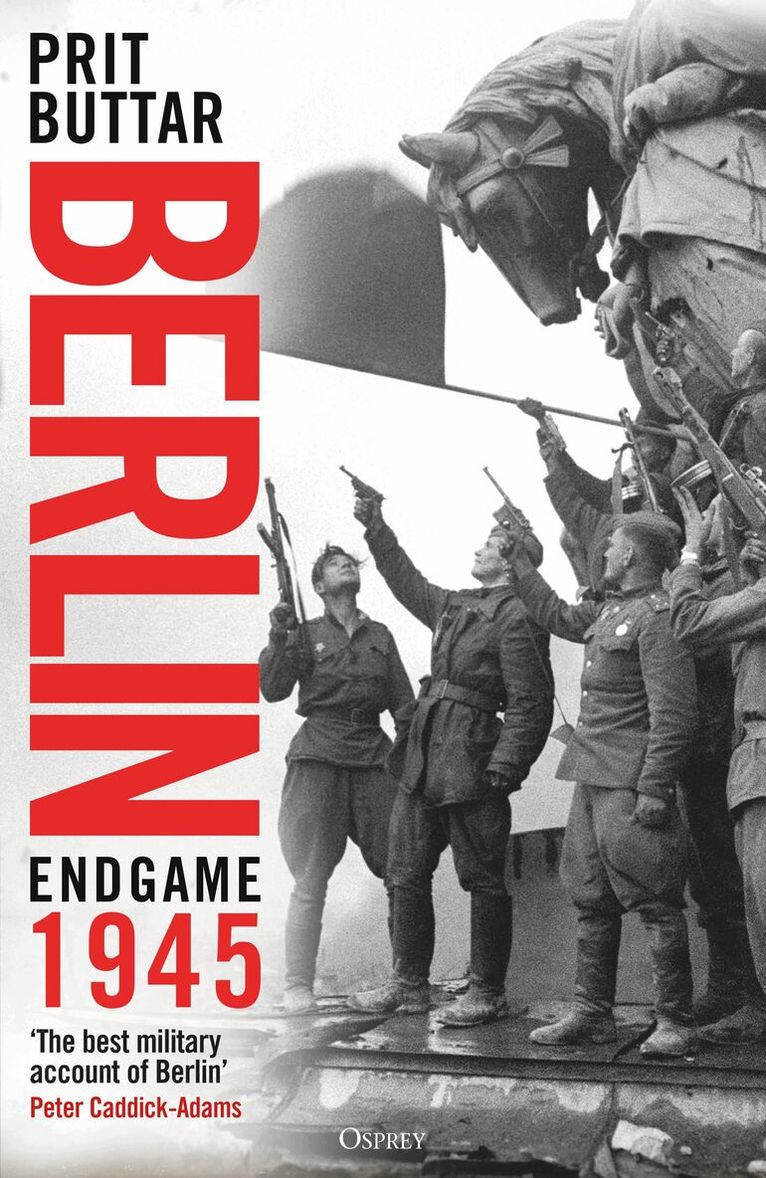
Written by one of the world's leading experts on the Eastern Front, this captivating history explores the final battle for Berlin and the heart of Germany. This sweeping saga takes us from the banks of the River Oder as the Red Army begins it relentless drive towards the still beating heart of the Third Reich: Berlin. Only the Seelow Heights stood between the Soviet forces and the capital. Over the course of three days in May 1945 almost one million Soviet troops would attack these final entrenched positions. Once these defences were breached it was guaranteed that a bitter street-by-street battle would take place in the city itself between a vengeful Red Army and desperate, fanatical Nazis until final capitulation. Using vivid first-hand accounts, Prit Buttar reveals the brutal combat that defined the final death throes of the Third Reich.Not only was the outcome of the war at stake. As the Red Army rolled into Berlin this was already a foregone conclusion even if it would take its toll in blood. Already battle lines for the forthcoming Cold War were being drawn. Stalin, fearful that the Western Powers would not honour their agreements, was determined to have boots on the ground to ensure his control of what would become the Soviet occupation zone. Berlin: Endgame 1945 is the brilliant account of the ferocious climax to World War II and a chilling prologue to the Cold War.
342 kr
Kommande
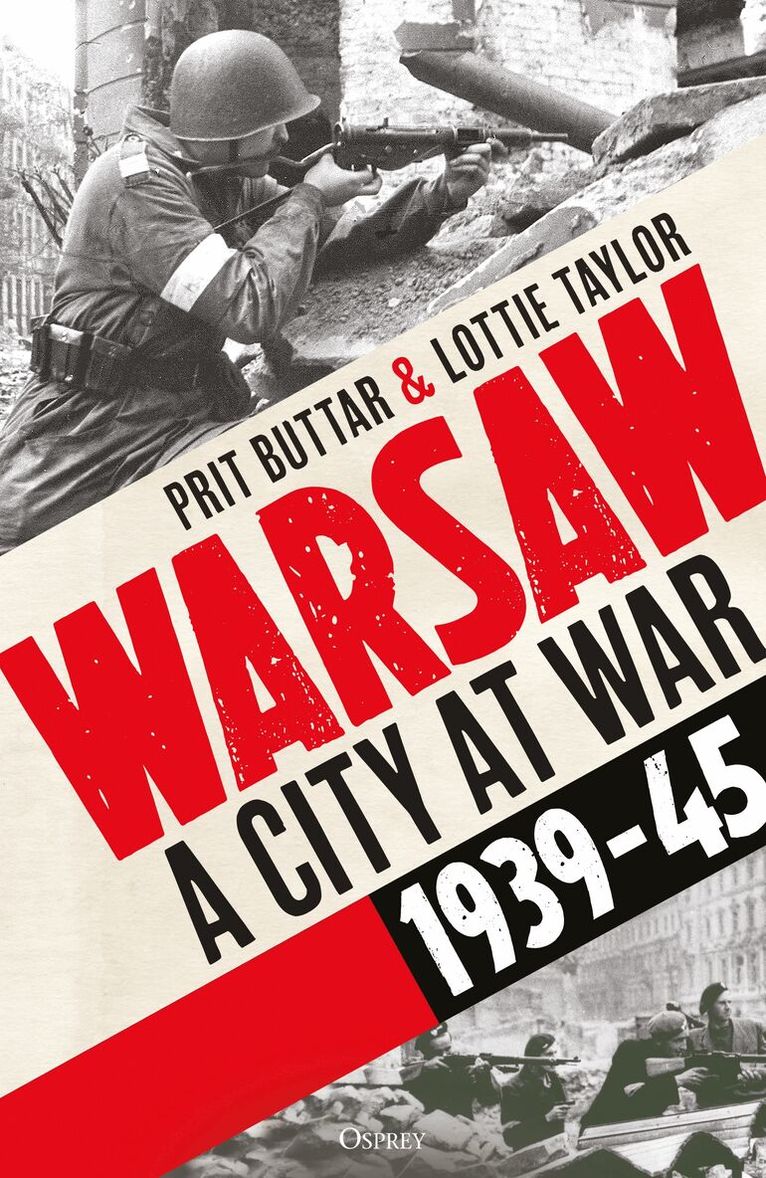
For the first time in English, discover the history of Warsaw’s six-year struggle through the devastation of war and the city’s enduring spirit.In Warsaw: A City at War 1939–45, historians Prit Buttar and Lottie Taylor bring to light the unparalleled experience of a city caught between two invading powers, Nazi Germany and the Soviet Union, and the resilience of its citizens. This fascinating history illuminates how Warsaw’s centuries-old fight for identity shaped the course of its wartime experience. For a mere 21 years, Warsaw thrived as the proud capital of an independent Poland, only to be betrayed when Nazi Germany invaded in 1939. Yet the heart of the city – its people – refused to surrender. From the tragic Ghetto Uprising to the heroic city-wide revolt, Warsaw's resistance was fierce as it faced the systematic attempt to erase it from the map. The story does not end with the conclusion of the war, as Warsaw found itself trapped behind the Iron Curtain. This compelling narrative is not just about battles – it’s about a city and its inhabitants, whose unwavering spirit defined them in the darkest of times. Drawing from rare archival material including countless first-hand accounts, Warsaw’s wartime years are majestically brought to life.
194 kr
Skickas inom 7-10 vardagar
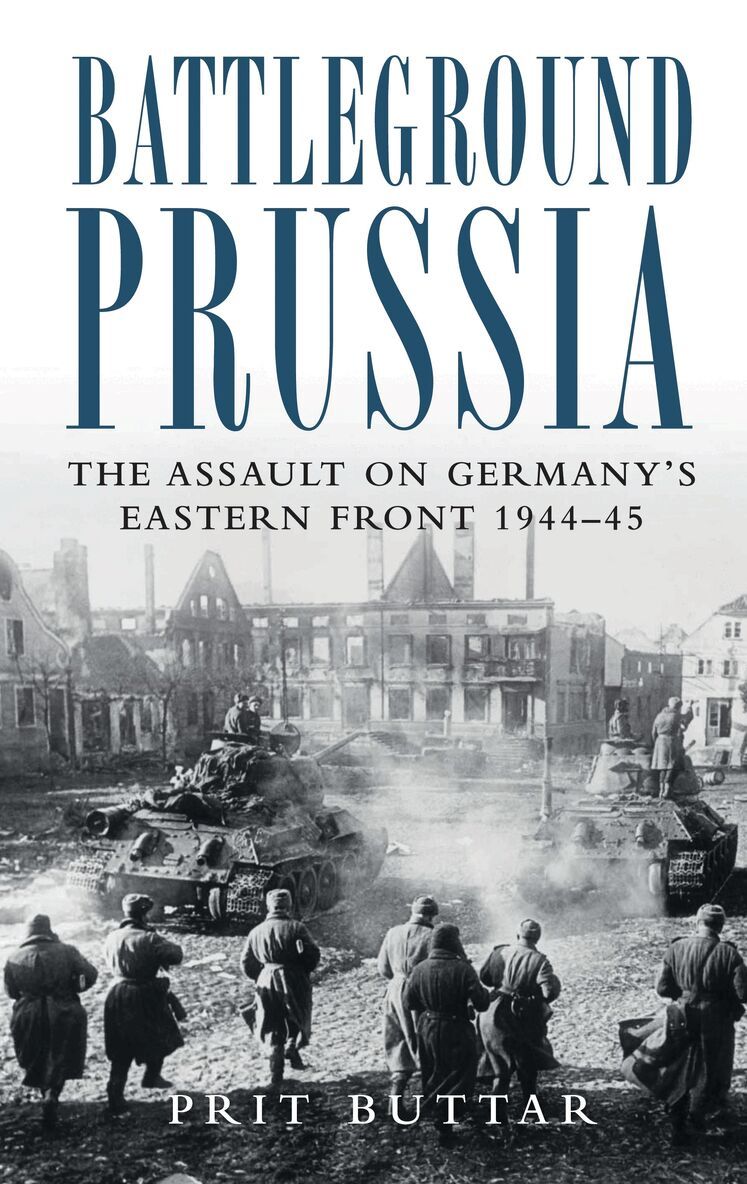
An engrossing history of the last year of the Second World War, charting the battles fought between the Soviet Red Army and the Nazis across German soil.The terrible months between the arrival of the Red Army on German soil and the final collapse of Hitler's regime were like no other in the Second World War. The Soviet Army's intent to take revenge for the horror that the Nazis had wreaked on their people produced a conflict of implacable brutality in which millions perished.From the great battles that marked the Soviet conquest of East and West Prussia to the final surrender in the Vistula estuary, this book recounts in chilling detail the desperate struggle of soldiers and civilians alike.These brutal campaigns are brought vividly to life by a combination of previously untold testimony and astute strategic analysis recognising a conflict of unprecedented horror and suffering.