Prue Holmes - Böcker
Visar alla böcker från författaren Prue Holmes. Handla med fri frakt och snabb leverans.
13 produkter
13 produkter
2 103 kr
Skickas inom 10-15 vardagar
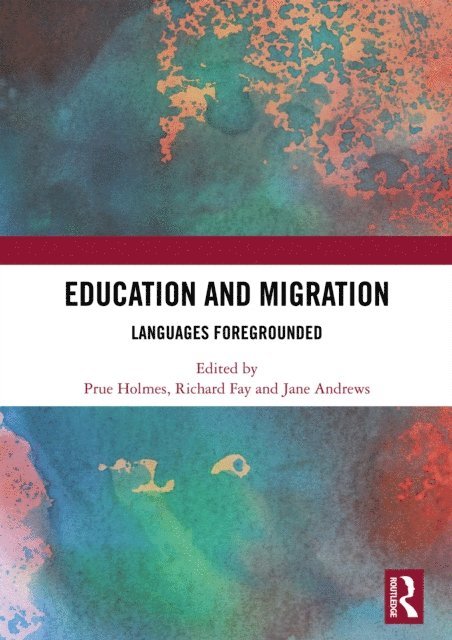
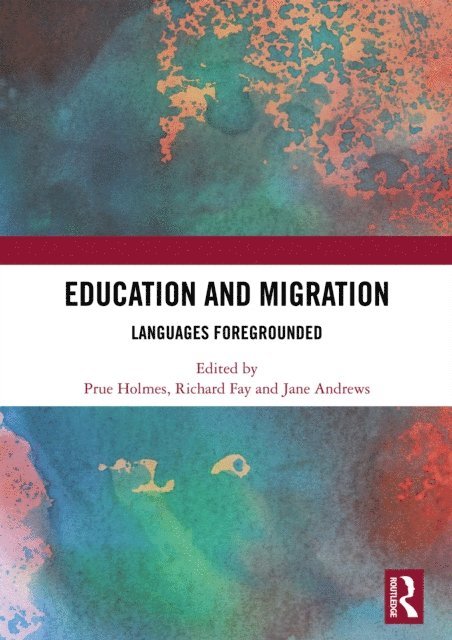
From an international, research-led perspective, this book explores how languages are foregrounded in education in different countries and educational sectors, and among different groups of people in contexts of migration. It is concerned with the movement of people and their languages as they migrate across borders, and as languages—and their speakers—are under threat, pressure and pain, even to the point of being silenced.The contributors explore the multilingual possibilities and opportunities that these situations present. For example: where children’s education is neglected because of displacement or exclusion; or in classrooms where teachers and educational leaders seek to meet the needs of all learners, including those who are new citizens, refugees, or asylum seekers. Together, the findings and conclusions emerging from these studies open up a timely space for interdisciplinary, inter-practitioner, and comparative researcher dialogue concerning languages and intercultural education in times of migration.Originating from an Arts and Humanities Research Council funded project "Researching multilingually at the borders of language, the body, law and the state", this book provides readers with a natural impetus for exploring how languages and their speakers create new imaginaries and new possibilities in educational contexts and communities, as people engage with one another in and through these languages. This book was originally published as a special issue of Language and Intercultural Communication.
621 kr
Skickas inom 10-15 vardagar
From an international, research-led perspective, this book explores how languages are foregrounded in education in different countries and educational sectors, and among different groups of people in contexts of migration. It is concerned with the movement of people and their languages as they migrate across borders, and as languages—and their speakers—are under threat, pressure and pain, even to the point of being silenced.The contributors explore the multilingual possibilities and opportunities that these situations present. For example: where children’s education is neglected because of displacement or exclusion; or in classrooms where teachers and educational leaders seek to meet the needs of all learners, including those who are new citizens, refugees, or asylum seekers. Together, the findings and conclusions emerging from these studies open up a timely space for interdisciplinary, inter-practitioner, and comparative researcher dialogue concerning languages and intercultural education in times of migration.Originating from an Arts and Humanities Research Council funded project "Researching multilingually at the borders of language, the body, law and the state", this book provides readers with a natural impetus for exploring how languages and their speakers create new imaginaries and new possibilities in educational contexts and communities, as people engage with one another in and through these languages. This book was originally published as a special issue of Language and Intercultural Communication.
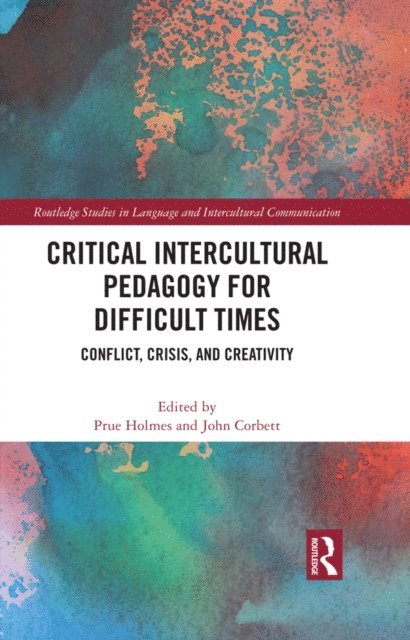
Critical Intercultural Pedagogy for Difficult Times
Conflict, Crisis, and Creativity
Inbunden, Engelska, 2022
2 044 kr
Skickas inom 10-15 vardagar
This collection lends a critical decolonising lens to intercultural communication research, bringing together perspectives on how forms of education embedded in the arts and humanities can open up intercultural understanding among young people in conditions of conflict and protracted crises.The book draws on case studies from a range of educational contexts in the Global South which engage in creative arts methodologies to foreground decolonising approaches to intercultural communication in which researchers question their own power in the research process. The volume offers intercultural resources that can be used by researchers and community support groups to foster active intercultural communication, dialogue, participation, and responsibility among young people in these settings and those who may be marginalised from them. The collection also highlights the reflexive accounts of researchers working in a transnational, interdisciplinary, and multilingual research network and the subsequent opportunities and challenges of working in such networks.Advocating for intercultural understanding among young people in higher education and a greater focus on social justice in intercultural communication research, this book will be of interest to students and researchers in applied linguistics, language education, intercultural education, and multilingualism.
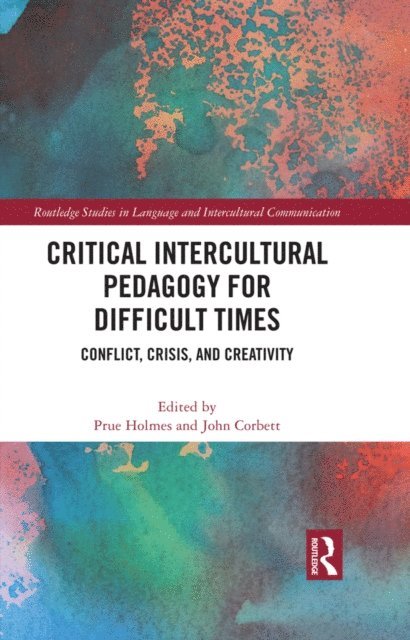
Critical Intercultural Pedagogy for Difficult Times
Conflict, Crisis, and Creativity
Häftad, Engelska, 2024
564 kr
Skickas inom 10-15 vardagar
This collection lends a critical decolonising lens to intercultural communication research, bringing together perspectives on how forms of education embedded in the arts and humanities can open up intercultural understanding among young people in conditions of conflict and protracted crises.The book draws on case studies from a range of educational contexts in the Global South which engage in creative arts methodologies to foreground decolonising approaches to intercultural communication in which researchers question their own power in the research process. The volume offers intercultural resources that can be used by researchers and community support groups to foster active intercultural communication, dialogue, participation, and responsibility among young people in these settings and those who may be marginalised from them. The collection also highlights the reflexive accounts of researchers working in a transnational, interdisciplinary, and multilingual research network and the subsequent opportunities and challenges of working in such networks.Advocating for intercultural understanding among young people in higher education and a greater focus on social justice in intercultural communication research, this book will be of interest to students and researchers in applied linguistics, language education, intercultural education, and multilingualism.
703 kr
Skickas inom 10-15 vardagar
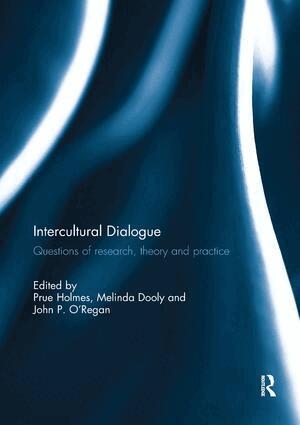
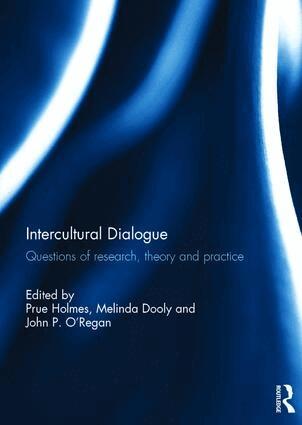
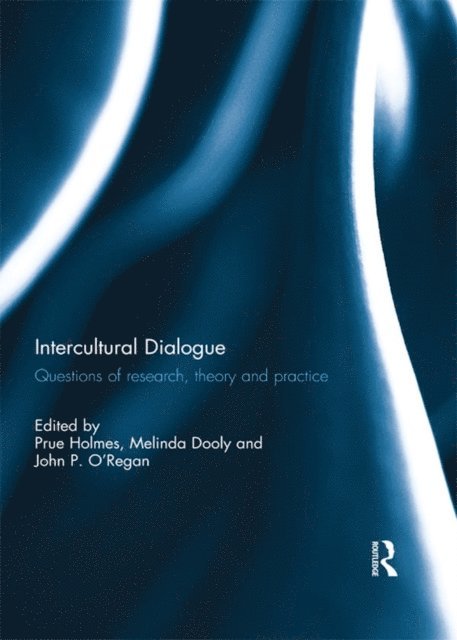
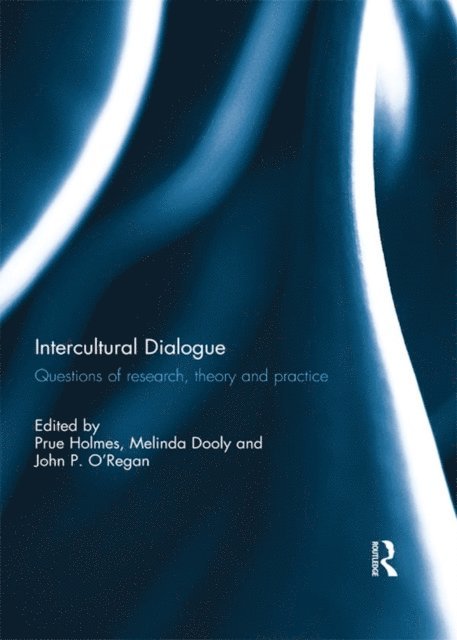
‘Intercultural dialogue’, as a concept and ideology in the European Union, stimulates a rational 21st century society where people can engage in (intercultural) communication on a global scale, and can do so openly and freely in conditions of security and mutual respect. Intercultural dialogue connotes dialogic communication that is peaceful, reconciliatory, and democratic. Yet the term and its accompanying rhetoric belie the intercultural communicative undercurrents and their manifestations that people encounter in their daily lives. The research-informed chapters in this book, which are situated in international contexts, provide more nuanced understandings, and many even challenge this non-critical ideology by suggesting that the concept of intercultural dialogue is inoperable and problematic under the present conditions of globalisation and migration, where there exists conflict, vulnerability, and instability. The different theoretical perspectives and analyses presented by the authors are a reminder that researchers in the field of intercultural communication require robust and appropriate theories, methods, and pedagogies in order to research these complex conditions and contexts, particularly where different languages and identities are present. The book is also a reminder of how context and power both (re)shape and contest the central tenets of intercultural dialogue—in particular, of who speaks for whom, when, how, and under what circumstances and conditions. This book was originally published as a special issue of Language and Intercultural Communication.
2 035 kr
Skickas inom 10-15 vardagar
‘Intercultural dialogue’, as a concept and ideology in the European Union, stimulates a rational 21st century society where people can engage in (intercultural) communication on a global scale, and can do so openly and freely in conditions of security and mutual respect. Intercultural dialogue connotes dialogic communication that is peaceful, reconciliatory, and democratic. Yet the term and its accompanying rhetoric belie the intercultural communicative undercurrents and their manifestations that people encounter in their daily lives. The research-informed chapters in this book, which are situated in international contexts, provide more nuanced understandings, and many even challenge this non-critical ideology by suggesting that the concept of intercultural dialogue is inoperable and problematic under the present conditions of globalisation and migration, where there exists conflict, vulnerability, and instability. The different theoretical perspectives and analyses presented by the authors are a reminder that researchers in the field of intercultural communication require robust and appropriate theories, methods, and pedagogies in order to research these complex conditions and contexts, particularly where different languages and identities are present. The book is also a reminder of how context and power both (re)shape and contest the central tenets of intercultural dialogue—in particular, of who speaks for whom, when, how, and under what circumstances and conditions. This book was originally published as a special issue of Language and Intercultural Communication.
Del 29 - Languages for Intercultural Communication and Education
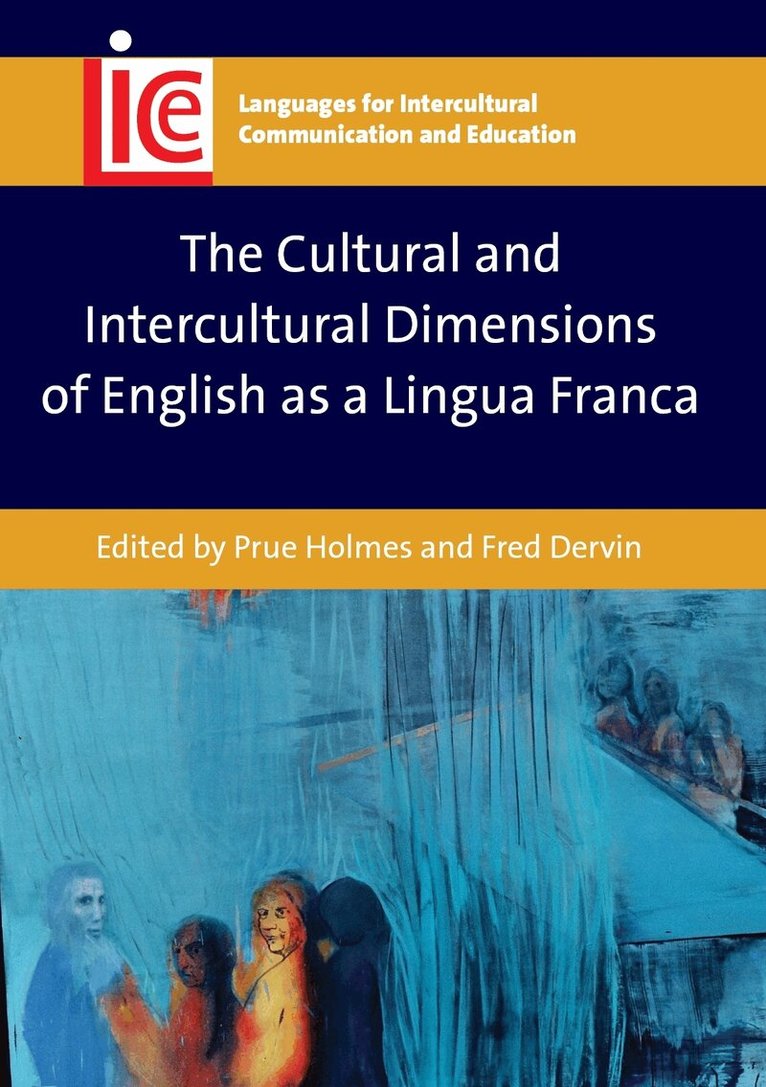
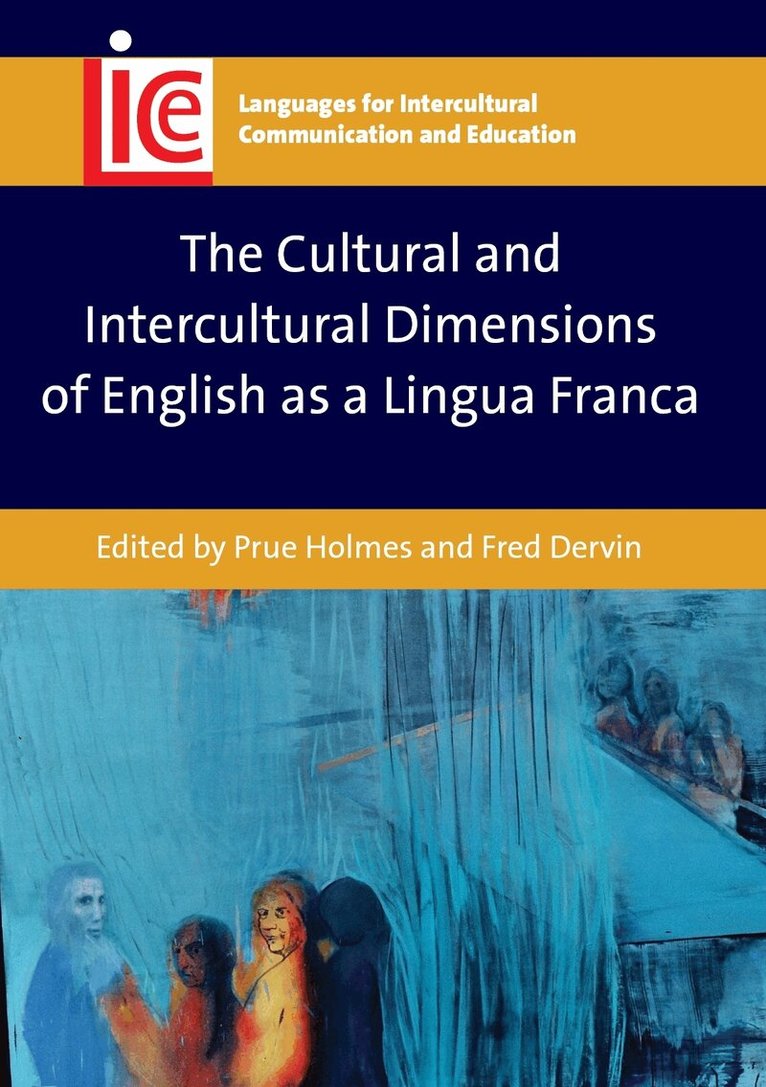
Cultural and Intercultural Dimensions of English as a Lingua Franca
Häftad, Engelska, 2016
475 kr
Skickas inom 5-8 vardagar
This book investigates the cultural and intercultural aspects of English as a Lingua Franca (ELF). Authors discuss how ‘culture’ and the ‘intercultural’ can be understood, theorised and operationalised in ELF, and how the concepts can be integrated into formats of ELF-oriented learning and teaching. The various cultural connotations are also discussed (ideological, political, religious and historical) and whether it is possible to use and/or teach a lingua franca as if it were culturally neutral. The chapters consider the communication and pedagogical implications of the cultural and intercultural dimensions of ELF and offer suggestions for new directions in ELF research, pedagogy and curriculum development.
Del 29 - Languages for Intercultural Communication and Education
Cultural and Intercultural Dimensions of English as a Lingua Franca
Inbunden, Engelska, 2016
1 245 kr
Tillfälligt slut
This book investigates the cultural and intercultural aspects of English as a Lingua Franca (ELF). Authors discuss how ‘culture’ and the ‘intercultural’ can be understood, theorised and operationalised in ELF, and how the concepts can be integrated into formats of ELF-oriented learning and teaching. The various cultural connotations are also discussed (ideological, political, religious and historical) and whether it is possible to use and/or teach a lingua franca as if it were culturally neutral. The chapters consider the communication and pedagogical implications of the cultural and intercultural dimensions of ELF and offer suggestions for new directions in ELF research, pedagogy and curriculum development.
2 082 kr
Tillfälligt slut
624 kr
Skickas inom 5-8 vardagar
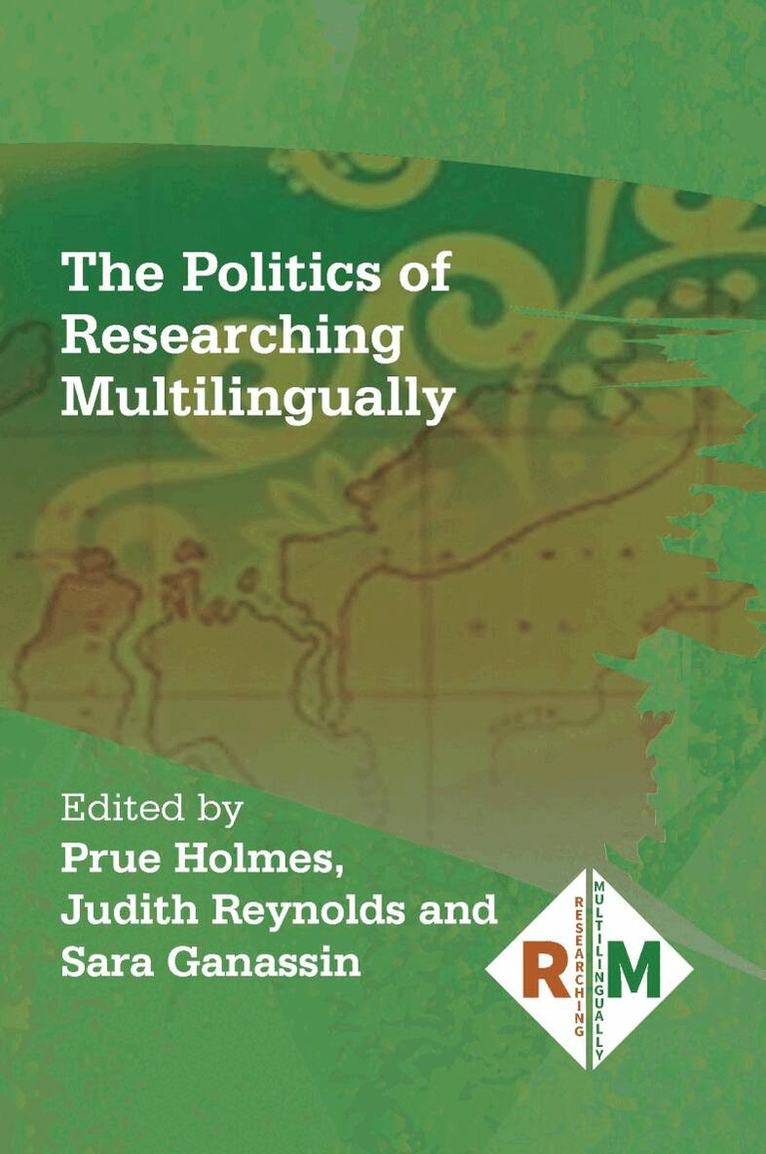
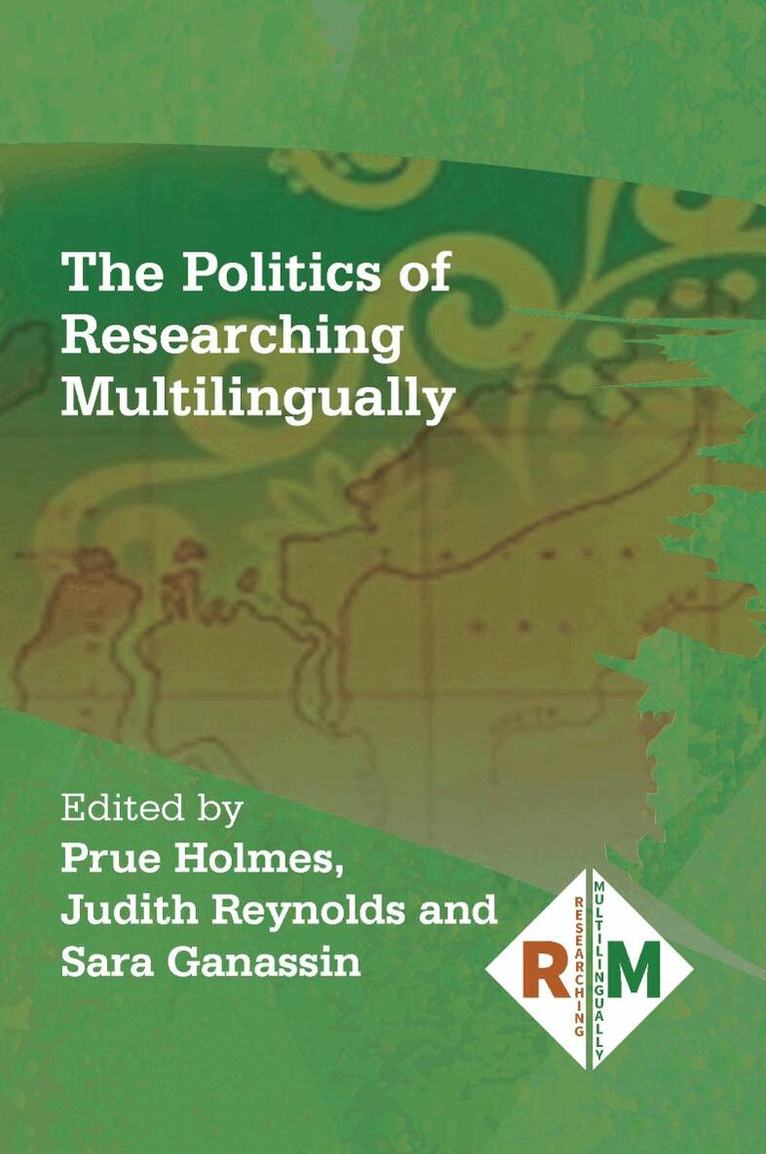
This book offers a unique understanding of how researchers’ linguistic resources, and the languages they use in the research process, are often politically and structurally shaped and constrained, with implications for the reliability of the research. The chapters are written by both experienced and novice researchers, who examine how they negotiated the use of their own, and others’, linguistic and communicative resources when undertaking their research in politically-charged, and linguistically and culturally diverse contexts. The contributing authors are either from the Global South, or engaged in work which is contextualised within the Global South; or they face linguistic structural hegemonies in the Global North which challenge their research processes. They utilise diverse theoretical, methodological and disciplinary approaches to produce a collection of engaging and accessible accounts of researching multilingually in their contexts. These accounts will help readers to make theoretically and methodologically informed choices about the political dimensions of languages in their own research when researching multilingually.
1 912 kr
Skickas inom 5-8 vardagar
This book offers a unique understanding of how researchers’ linguistic resources, and the languages they use in the research process, are often politically and structurally shaped and constrained, with implications for the reliability of the research. The chapters are written by both experienced and novice researchers, who examine how they negotiated the use of their own, and others’, linguistic and communicative resources when undertaking their research in politically-charged, and linguistically and culturally diverse contexts. The contributing authors are either from the Global South, or engaged in work which is contextualised within the Global South; or they face linguistic structural hegemonies in the Global North which challenge their research processes. They utilise diverse theoretical, methodological and disciplinary approaches to produce a collection of engaging and accessible accounts of researching multilingually in their contexts. These accounts will help readers to make theoretically and methodologically informed choices about the political dimensions of languages in their own research when researching multilingually.
2 499 kr
Tillfälligt slut
2 499 kr
Tillfälligt slut