Rachael K. Hinkle – författare
Visar alla böcker från författaren Rachael K. Hinkle. Handla med fri frakt och snabb leverans.
8 produkter
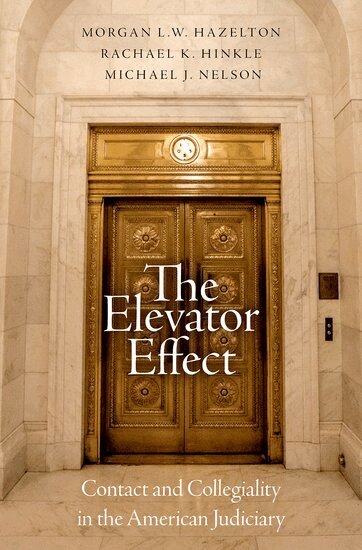
The Elevator Effect
Contact and Collegiality in the American Judiciary
Av Morgan L.W. Hazelton, Rachael K. Hinkle m. fl.
Inbunden, 2023
1043 kr
Lägg i varukorg
Appellate judges wield enormous influence in the United States. Their decisions define the scope of legislative and executive power, adjudicate relationships between the federal government and the states, and determine the breadth of individuals' rights and liberties. But, compared to their …
Elevator Effect
Contact and Collegiality in the American Judiciary
Av Michael J. Nelson, Rachael K. Hinkle m. fl.
E-bok, 2023
928 kr
Lägg i varukorg
Appellate judges wield enormous influence in the United States. Their decisions define the scope of legislative and executive power, adjudicate relationships between the federal government and the states, and determine the breadth of individuals'' rights and liberties. But, compared to their …
Elevator Effect
Contact and Collegiality in the American Judiciary
Av Michael J. Nelson, Rachael K. Hinkle m. fl.
E-bok, 2023
928 kr
Lägg i varukorg
Appellate judges wield enormous influence in the United States. Their decisions define the scope of legislative and executive power, adjudicate relationships between the federal government and the states, and determine the breadth of individuals'' rights and liberties. But, compared to their …
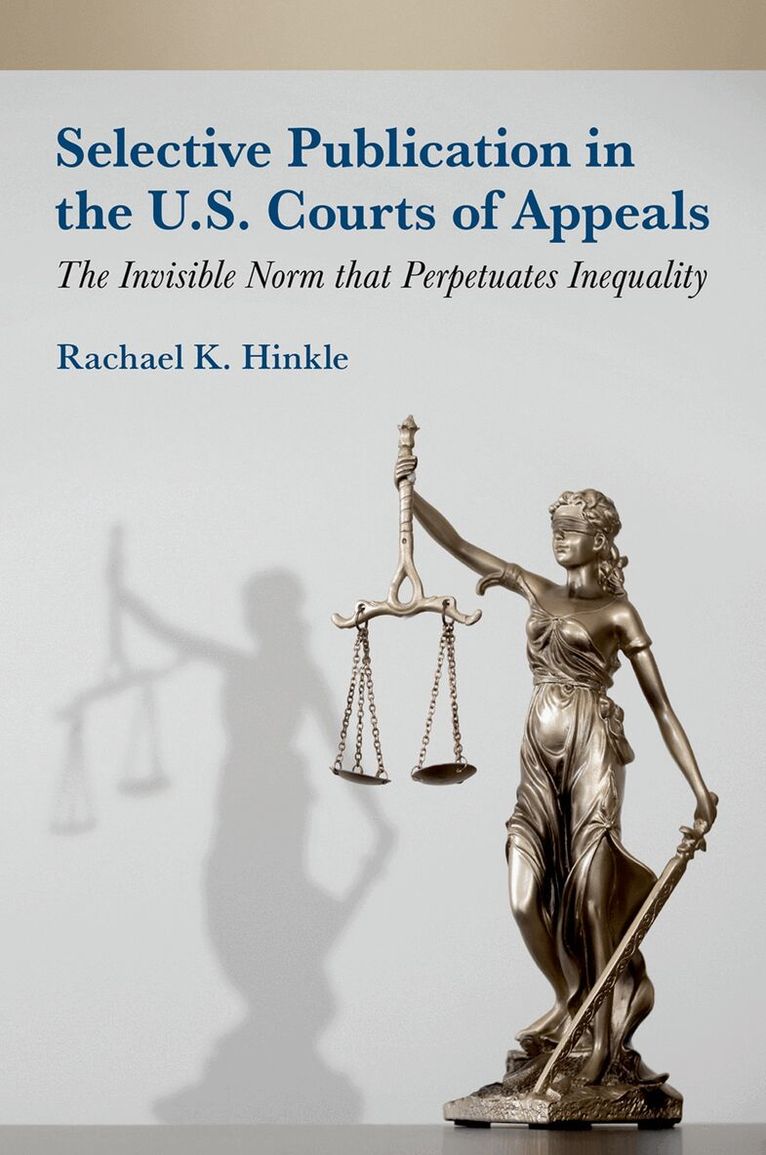
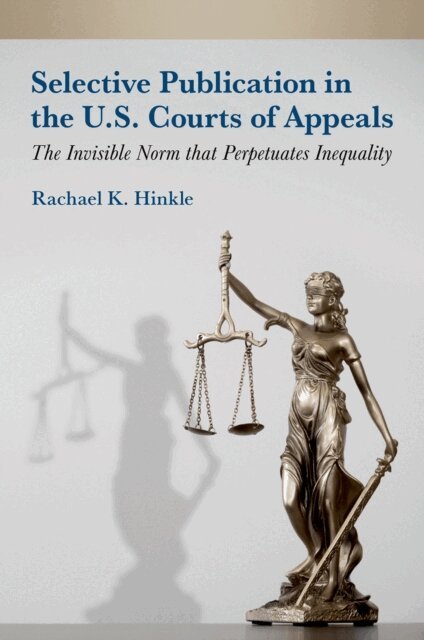
Selective Publication in the U.S. Courts of Appeals
The Invisible Norm that Perpetuates Inequality
Inbunden, 2024
1110 kr
Lägg i varukorg
Since the 1970s, federal circuit courts have designated some decisions as unpublished as a means of keeping up with an increasing number of appeals, yet still providing quality legal analysis. These unpublished opinions declare that they will only resolve the dispute in question rather than have …
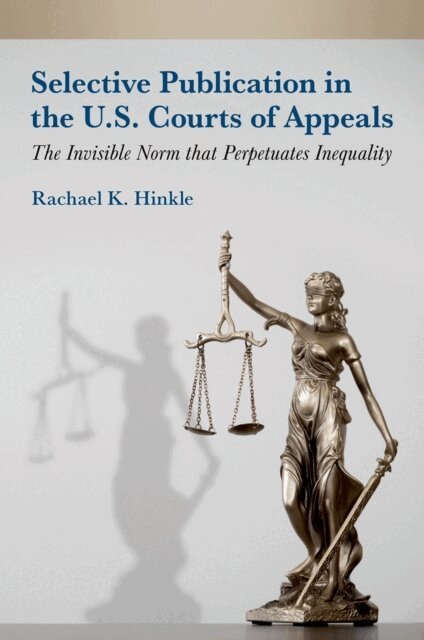
Selective Publication in the U.S. Courts of Appeals
The Invisible Norm that Perpetuates Inequality
E-bok, 2024
1147 kr
Lägg i varukorg
Since the 1970s, federal circuit courts have designated some decisions as unpublished as a means of keeping up with an increasing number of appeals, yet still providing quality legal analysis. These unpublished opinions declare that they will only resolve the dispute in question rather than have …
Selective Publication in the U.S. Courts of Appeals
The Invisible Norm that Perpetuates Inequality
E-bok, 2024
1147 kr
Lägg i varukorg
Since the 1970s, federal circuit courts have designated some decisions as unpublished as a means of keeping up with an increasing number of appeals, yet still providing quality legal analysis. These unpublished opinions declare that they will only resolve the dispute in question rather than have …
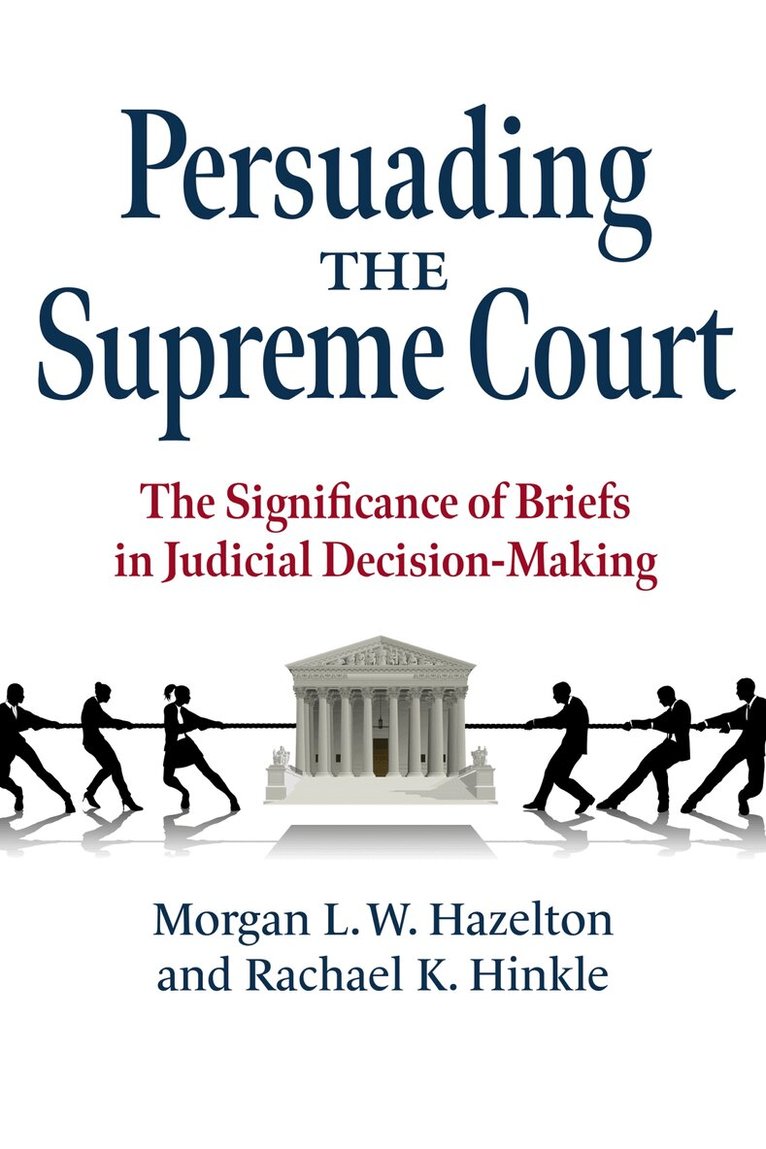
Persuading the Supreme Court
The Significance of Briefs in Judicial Decision-Making
Av Morgan L. W. Hazelton, Rachael K. Hinkle
Häftad, 2022
303 kr
Lägg i varukorg
Each year the public, media, and government wait in anticipation for the Supreme Court to announce major decisions. These opinions have shaped legal policy in areas as important as healthcare, marriage, abortion, and immigration. It is not surprising that parties and outside individuals and …
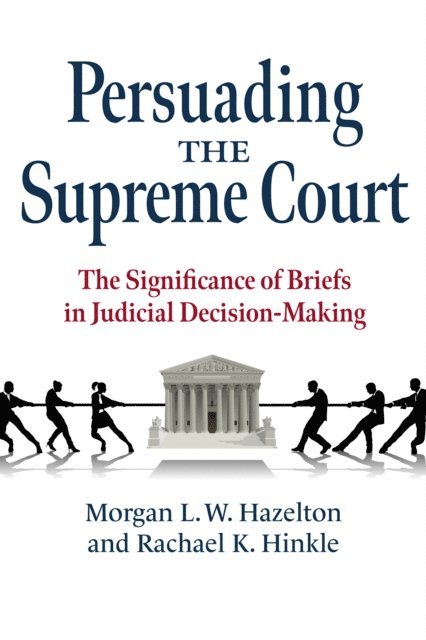
Persuading the Supreme Court
The Significance of Briefs in Judicial Decision-Making
Av Rachael K. Hinkle, Morgan L. W. Hazelton
E-bok, 2022
359 kr
Lägg i varukorg
Each year the public, media, and government wait in anticipation for the Supreme Court to announce major decisions. These opinions have shaped legal policy in areas as important as healthcare, marriage, abortion, and immigration. It is not surprising that parties and outside individuals and …