Rachael Lorna Johnstone - Böcker
Visar alla böcker från författaren Rachael Lorna Johnstone. Handla med fri frakt och snabb leverans.
3 produkter
3 produkter
1 935 kr
Skickas inom 10-15 vardagar
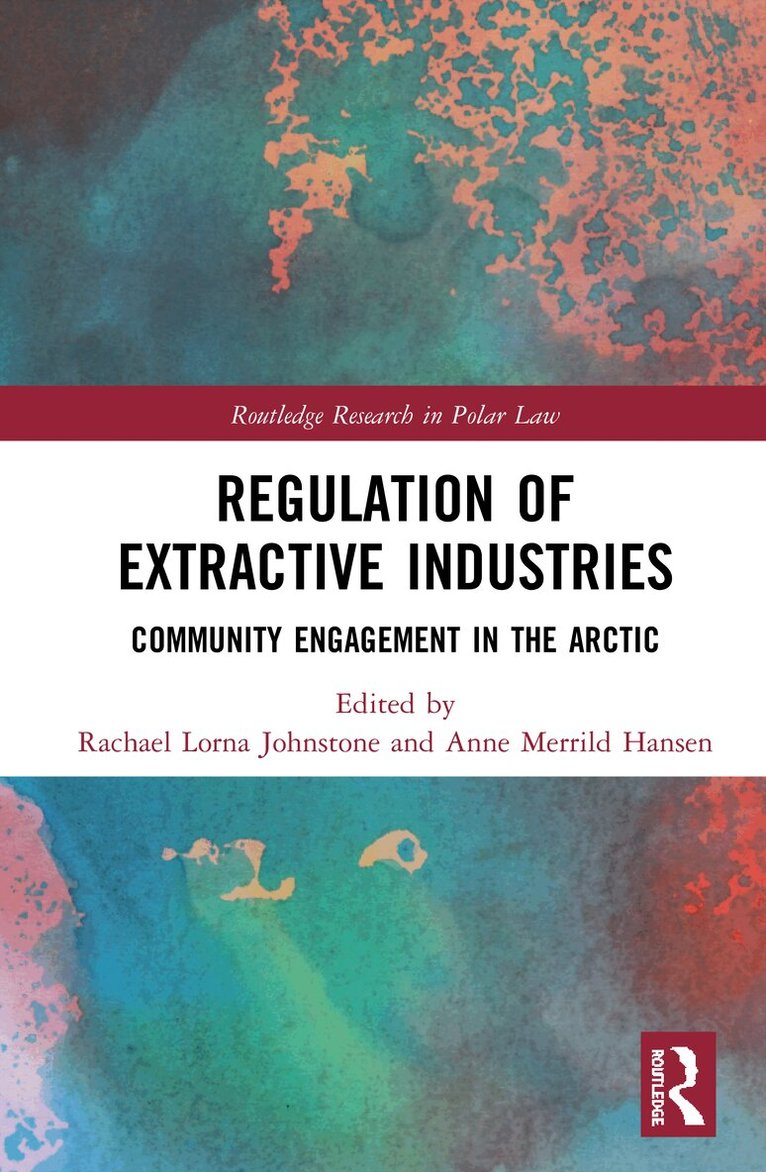
This book intends to inform the key participants in extractive projects – namely, the communities, the host governments and the investors – about good practice for effective community engagement, based on analysis of international standards and expectations, lessons from selected case-studies and innovations in public participation. The extent of extractive industries varies widely around the Arctic as do governmental and social attitudes towards resource development. Whilst most Arctic communities are united in seeking investment to fund education, healthcare, housing, transport and other essential services, as well as wanting to benefit from improved employment and business opportunities, they have different views as to the role that extractive industries should play in this. Within each community, there are multiple perspectives and the goal of public participation is to draw out these perspectives and seek consensus. Part I of the book analyses the international standards that have emerged in recent years regarding public participation, in particular, in respect of indigenous peoples. Part II presents six case studies that aim to identify both good and bad practices and to reflect upon the distinct conditions, needs, expectations, strategies and results for each community examined. Part III explores the importance of meaningful participation from a corporate perspective and identifies some common themes that require consideration if Arctic voices are to shape extractive industries in Arctic communities. In drawing together international law and standards, case studies and examples of good practice, this anthology is a timely and invaluable resource for academics, legal advisors and those working in resource development and public policy.
566 kr
Skickas inom 10-15 vardagar
This book intends to inform the key participants in extractive projects – namely, the communities, the host governments and the investors – about good practice for effective community engagement, based on analysis of international standards and expectations, lessons from selected case-studies and innovations in public participation. The extent of extractive industries varies widely around the Arctic as do governmental and social attitudes towards resource development. Whilst most Arctic communities are united in seeking investment to fund education, healthcare, housing, transport and other essential services, as well as wanting to benefit from improved employment and business opportunities, they have different views as to the role that extractive industries should play in this. Within each community, there are multiple perspectives and the goal of public participation is to draw out these perspectives and seek consensus. Part I of the book analyses the international standards that have emerged in recent years regarding public participation, in particular, in respect of indigenous peoples. Part II presents six case studies that aim to identify both good and bad practices and to reflect upon the distinct conditions, needs, expectations, strategies and results for each community examined. Part III explores the importance of meaningful participation from a corporate perspective and identifies some common themes that require consideration if Arctic voices are to shape extractive industries in Arctic communities. In drawing together international law and standards, case studies and examples of good practice, this anthology is a timely and invaluable resource for academics, legal advisors and those working in resource development and public policy.
486 kr
Skickas inom 10-15 vardagar
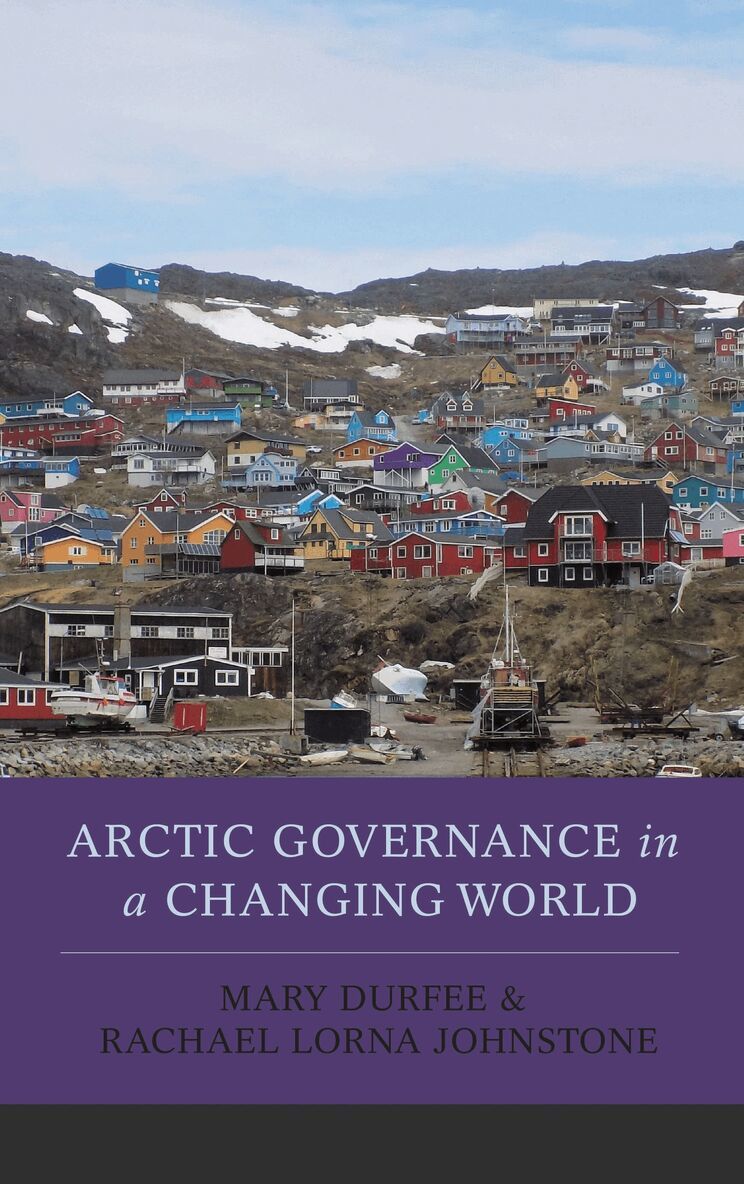
This comprehensive text explains the relationship between the Arctic and the wider world through the lenses of international relations, international law, and political economy. It is an essential resource for any student or scholar seeking a clear and succinct account of a region of ever-growing importance to the international community. Highlights include:•Broad coverage of national and human security, Arctic economies, international political economy, human rights, the rights of indigenous people, the law of the sea, navigation, and environmental governance•A clear review of current climate-related change•Emphasis on the sources of cooperation in the Arctic through international relations theory and law•Examination of the Arctic in the broader global context, illustrating its inextricable links to global processes