Rachel Jean-Baptiste - Böcker
Visar alla böcker från författaren Rachel Jean-Baptiste. Handla med fri frakt och snabb leverans.
4 produkter
4 produkter
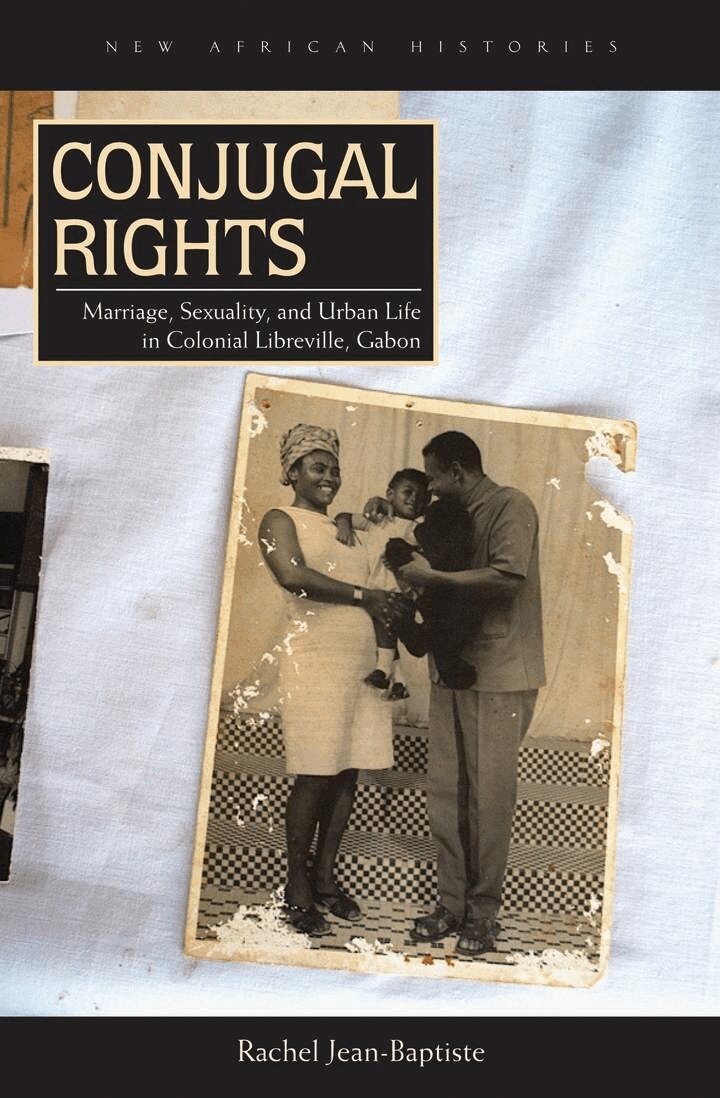
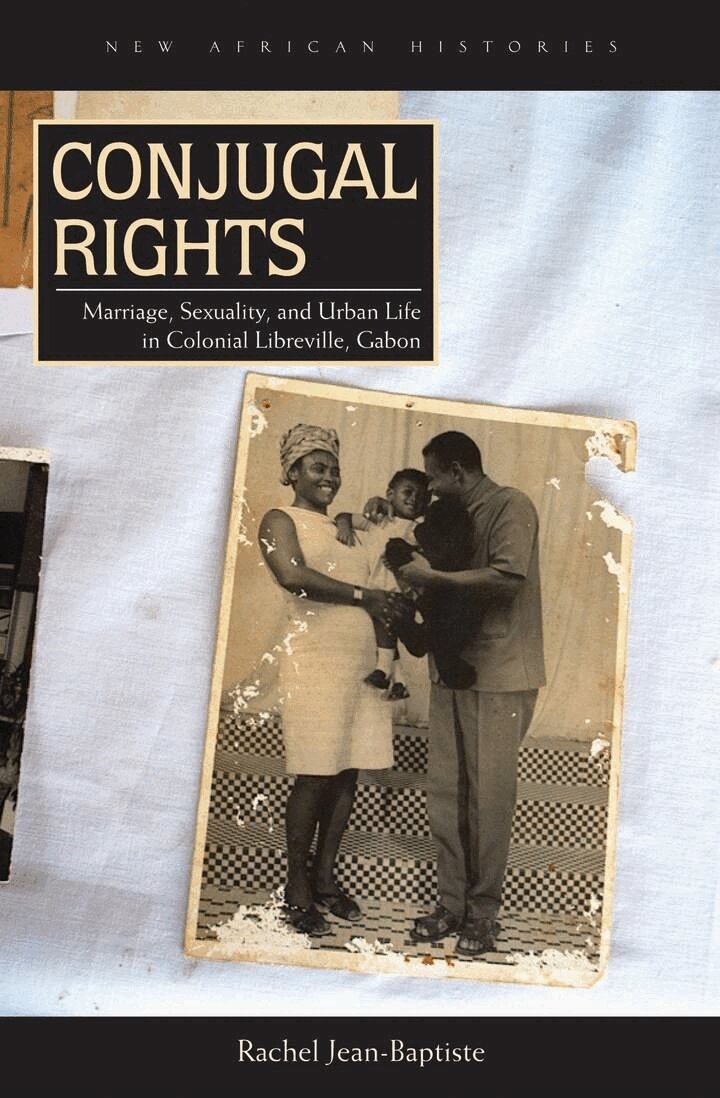
Conjugal Rights
Marriage, Sexuality, and Urban Life in Colonial Libreville, Gabon
Inbunden, Engelska, 2014
888 kr
Skickas inom 10-15 vardagar
Conjugal Rights is a history of the role of marriage and other arrangements between men and women in Libreville, Gabon, during the French colonial era, from the mid–nineteenth century through 1960. Conventional historiography has depicted women as few in number and of limited influence in African colonial towns, but this book demonstrates that a sexual economy of emotional, social, legal, and physical relationships between men and women indelibly shaped urban life.Bridewealth became a motor of African economic activity, as men and women promised, earned, borrowed, transferred, and absconded with money to facilitate interpersonal relationships. Colonial rule increased the fluidity of customary marriage law, as chiefs and colonial civil servants presided over multiple courts, and city residents strategically chose the legal arena in which to arbitrate a conjugal-sexual conflict. Sexual and domestic relationships with European men allowed some African women to achieve a greater degree of economic and social mobility. An eventual decline of marriage rates resulted in new sexual mores, as women and men sought to rebalance the roles of pleasure, respectability, and legality in having sex outside of kin-sanctioned marriage.Rachel Jean-Baptiste expands the discourse on sexuality in Africa and challenges conventional understandings of urban history beyond the study of the built environment. Marriage and sexual relations determined how people defined themselves as urbanites and shaped the shifting physical landscape of Libreville. Conjugal Rights takes a fresh look at questions of the historical construction of race and ethnicity. Despite the efforts of the French colonial government and society to enforce boundaries between black and white, interracial sexual and domestic relationships persisted. Black and métisse women gained economic and social capital from these relationships, allowing some measure of freedom in the colonial capital city.
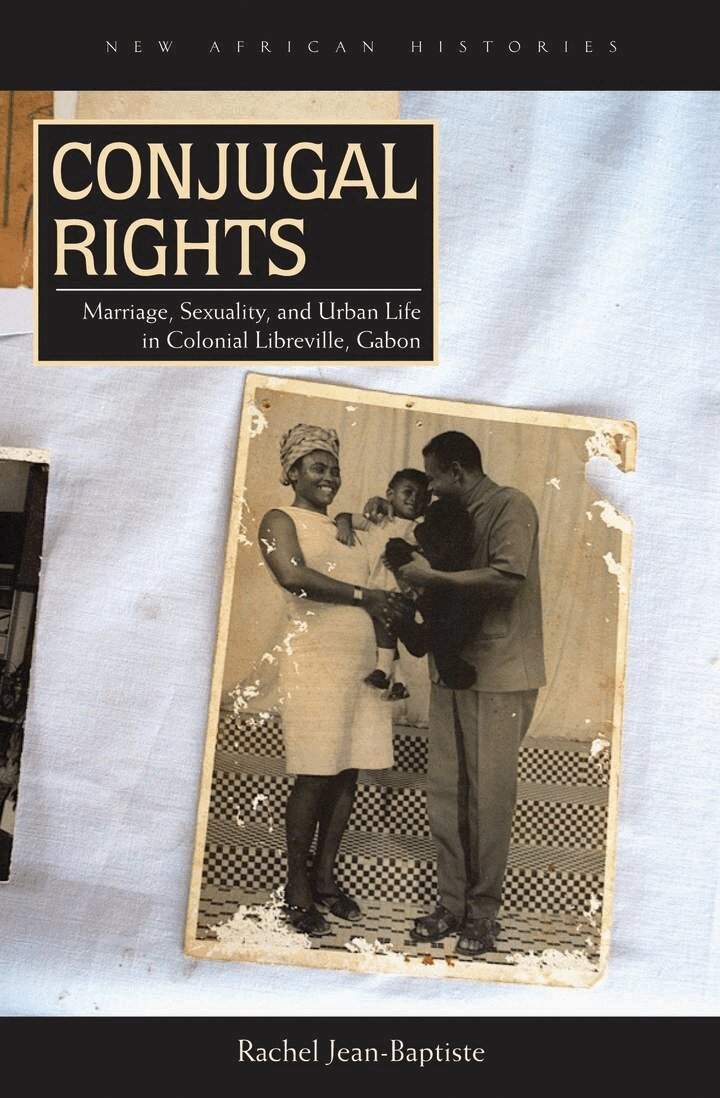
Conjugal Rights
Marriage, Sexuality, and Urban Life in Colonial Libreville, Gabon
Häftad, Engelska, 2014
374 kr
Skickas inom 7-10 vardagar
Conjugal Rights is a history of the role of marriage and other arrangements between men and women in Libreville, Gabon, during the French colonial era, from the mid–nineteenth century through 1960. Conventional historiography has depicted women as few in number and of limited influence in African colonial towns, but this book demonstrates that a sexual economy of emotional, social, legal, and physical relationships between men and women indelibly shaped urban life.Bridewealth became a motor of African economic activity, as men and women promised, earned, borrowed, transferred, and absconded with money to facilitate interpersonal relationships. Colonial rule increased the fluidity of customary marriage law, as chiefs and colonial civil servants presided over multiple courts, and city residents strategically chose the legal arena in which to arbitrate a conjugal-sexual conflict. Sexual and domestic relationships with European men allowed some African women to achieve a greater degree of economic and social mobility. An eventual decline of marriage rates resulted in new sexual mores, as women and men sought to rebalance the roles of pleasure, respectability, and legality in having sex outside of kin-sanctioned marriage.Rachel Jean-Baptiste expands the discourse on sexuality in Africa and challenges conventional understandings of urban history beyond the study of the built environment. Marriage and sexual relations determined how people defined themselves as urbanites and shaped the shifting physical landscape of Libreville. Conjugal Rights takes a fresh look at questions of the historical construction of race and ethnicity. Despite the efforts of the French colonial government and society to enforce boundaries between black and white, interracial sexual and domestic relationships persisted. Black and métisse women gained economic and social capital from these relationships, allowing some measure of freedom in the colonial capital city.
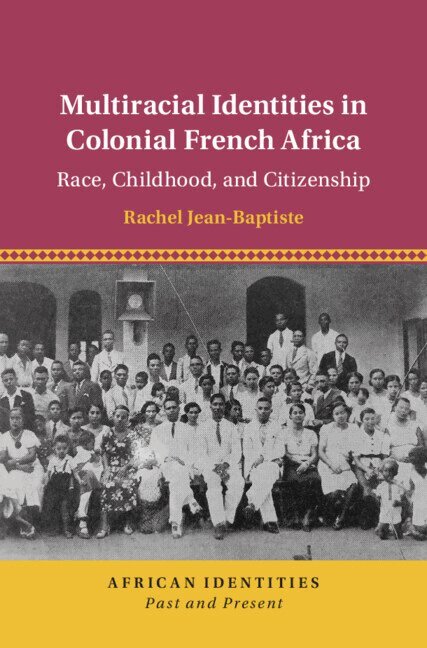
Multiracial Identities in Colonial French Africa
Race, Childhood, and Citizenship
Inbunden, Engelska, 2023
1 160 kr
Skickas inom 7-10 vardagar
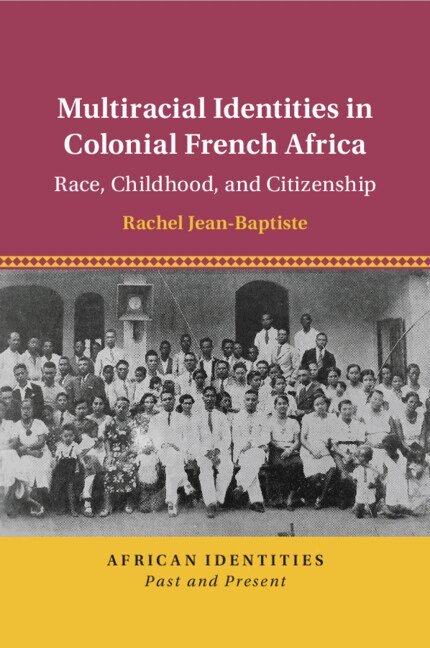
Despite increasingly hardened visions of racial difference in colonial governance in French Africa after World War I, interracial sexual relationships persisted, resulting in the births of thousands of children. These children, mostly born to African women and European men, sparked significant debate in French society about the status of multiracial people, debates historians have termed 'the métis problem.' Drawing on extensive archival and oral history research in Gabon, Republic of Congo, Senegal, and France, Rachel Jean-Baptiste investigates the fluctuating identities of métis. Crucially, she centres claims by métis themselves to access French social and citizenship rights amidst the refusal by fathers to recognize their lineage, and in the context of changing African racial thought and practice. In this original history of race-making, belonging, and rights, Jean-Baptiste demonstrates the diverse ways in which métis individuals and collectives carved out visions of racial belonging as children and citizens in Africa, Europe, and internationally.
Multiracial Identities in Colonial French Africa
Race, Childhood, and Citizenship
Häftad, Engelska, 2025
414 kr
Skickas inom 7-10 vardagar
Despite increasingly hardened visions of racial difference in colonial governance in French Africa after World War I, interracial sexual relationships persisted, resulting in the births of thousands of children. These children, mostly born to African women and European men, sparked significant debate in French society about the status of multiracial people, debates historians have termed 'the métis problem.' Drawing on extensive archival and oral history research in Gabon, Republic of Congo, Senegal, and France, Rachel Jean-Baptiste investigates the fluctuating identities of métis. Crucially, she centres claims by métis themselves to access French social and citizenship rights amidst the refusal by fathers to recognize their lineage, and in the context of changing African racial thought and practice. In this original history of race-making, belonging, and rights, Jean-Baptiste demonstrates the diverse ways in which métis individuals and collectives carved out visions of racial belonging as children and citizens in Africa, Europe, and internationally.