Rachel Newcomb - Böcker
Visar alla böcker från författaren Rachel Newcomb. Handla med fri frakt och snabb leverans.
4 produkter
4 produkter
285 kr
Skickas inom 7-10 vardagar
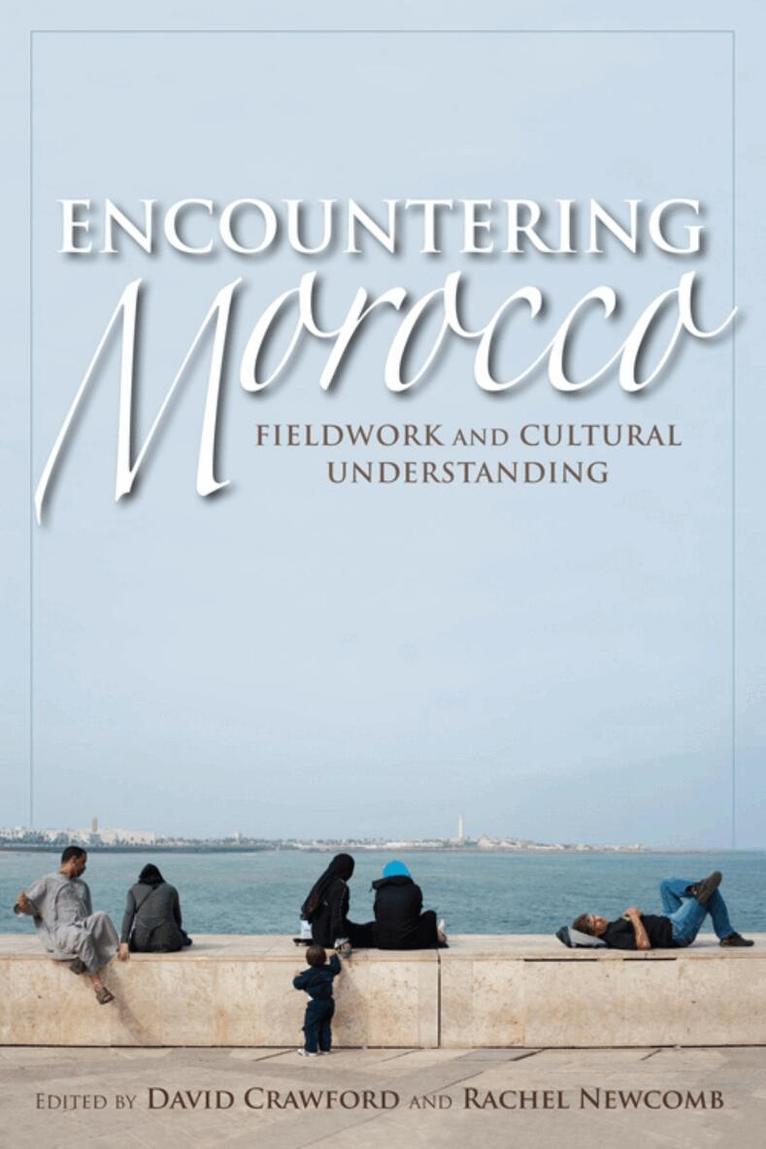
Encountering Morocco introduces readers to life in this North African country through vivid accounts of fieldwork as personal experience and intellectual journey. We meet the contributors at diverse stages of their careers–from the unmarried researcher arriving for her first stint in the field to the seasoned fieldworker returning with spouse and children. They offer frank descriptions of what it means to take up residence in a place where one is regarded as an outsider, learn the language and local customs, and struggle to develop rapport. Moving reflections on friendship, kinship, and belief within the cross-cultural encounter reveal why study of Moroccan society has played such a seminal role in the development of cultural anthropology.
652 kr
Skickas inom 10-15 vardagar
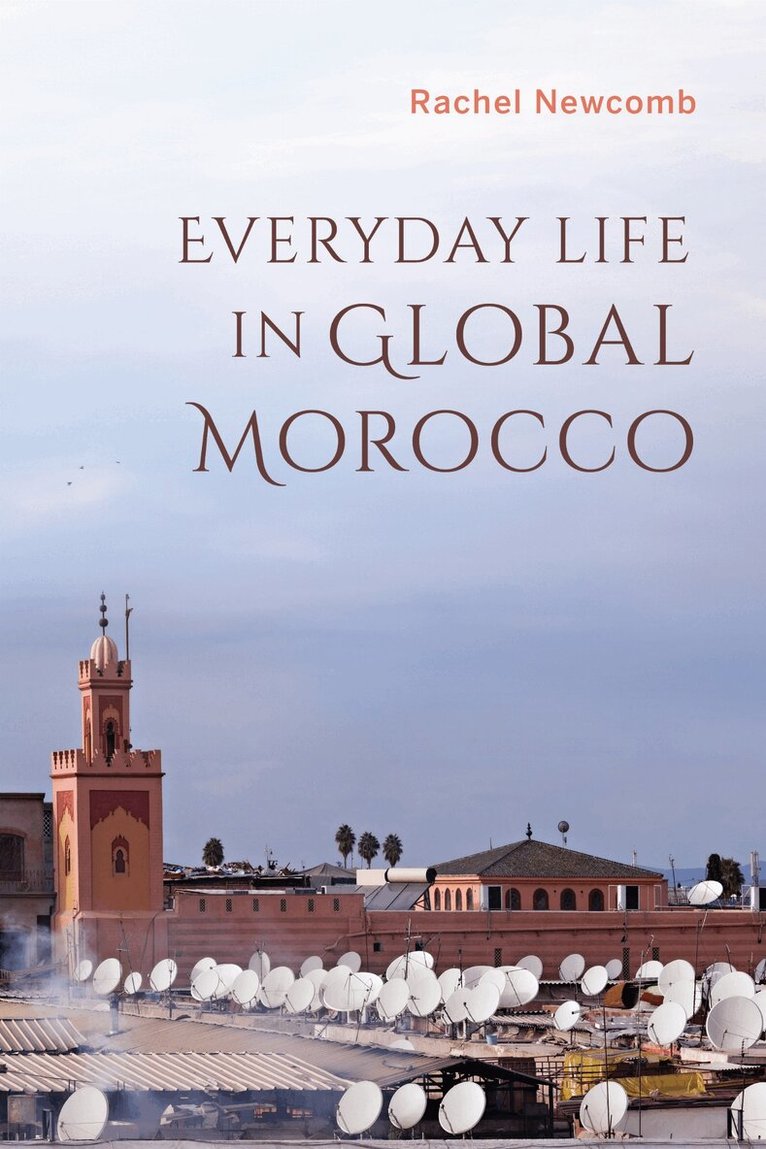
Following the story of one middle class family as they work, eat, love, and grow, Everyday Life in Global Morocco provides a moving and engaging exploration of how world issues impact lives. Rachel Newcomb shows how larger issues like gentrification, changing diets, and nontraditional approaches to marriage and fertility are changing what the everyday looks and feels like in Morocco. Newcomb's close engagement with the Benjelloun family presents a broad range of responses to the multifaceted effects of globalization. The lived experience of the modern family is placed in contrast with the traditional expectation of how this family should operate. This juxtaposition encourages new ways of thinking about how modern the notion of globalization really is.
316 kr
Skickas inom 10-15 vardagar
Following the story of one middle class family as they work, eat, love, and grow, Everyday Life in Global Morocco provides a moving and engaging exploration of how world issues impact lives. Rachel Newcomb shows how larger issues like gentrification, changing diets, and nontraditional approaches to marriage and fertility are changing what the everyday looks and feels like in Morocco. Newcomb's close engagement with the Benjelloun family presents a broad range of responses to the multifaceted effects of globalization. The lived experience of the modern family is placed in contrast with the traditional expectation of how this family should operate. This juxtaposition encourages new ways of thinking about how modern the notion of globalization really is.
316 kr
Skickas inom 10-15 vardagar
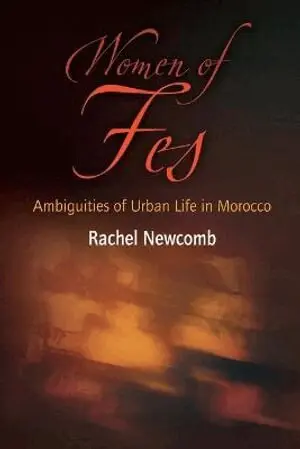
Throughout its history, Morocco has maintained a distinctive sense of identity. Its name conjures up visions of carpets and Casablanca, mint tea and the Marrakech Express, associations that are not entirely dispelled by visits to the country. However, in recent years Morocco has faced challenges to its stability. The advent of new technologies, such as satellite communications and the Internet, has enhanced the public's access to information and led to greater demands for human rights and government accountability. At the same time, Islamist influences are on the rise, with criticism from some that current structures of governance are not Islamic enough.As different factions assert competing visions for the identity of the Moroccan state, the status of women is frequently invoked as a barometer of the country's progress. The nation-state has characterized the Moroccan female citizen as simultaneously modern, secular, and Islamic, while religious discourse has framed the nationalist vision as hopelessly enslaved to Western secularism, suggesting that the Moroccan woman needs to "return" to an authentic Muslim identity.Based on two years of fieldwork conducted in the city of Fes, Rachel Newcomb's Women of Fes offers valuable insights into the everyday lives of Moroccan women. Newcomb evokes the struggles middle-class women face as they challenge and modify competing ideologies to create new forms of identity in work, family, and urban space. Simultaneously, the book situates women's lives within larger processes, such as globalization, human rights, and the construction of national identity.