R.A.H. King – författare
Visar alla böcker från författaren R.A.H. King. Handla med fri frakt och snabb leverans.
6 produkter
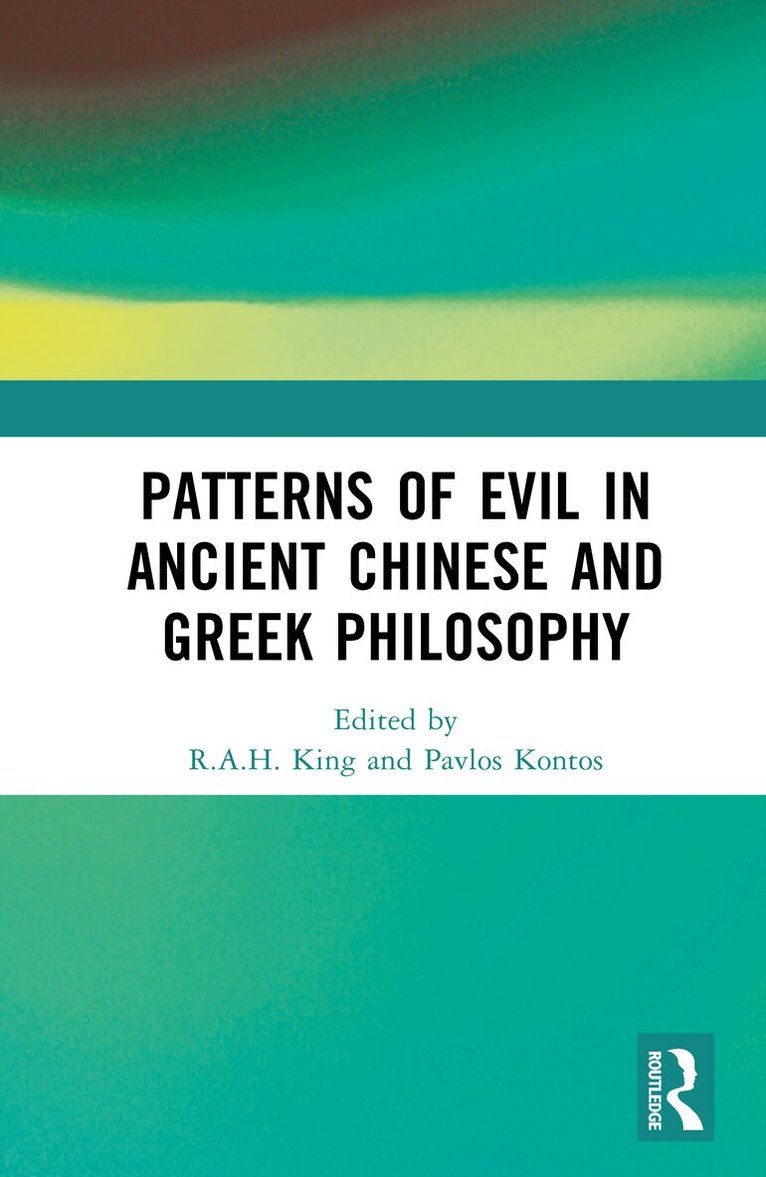
Patterns of Evil in Ancient Chinese and Greek Philosophy
Inbunden, 2025
2504 kr
Lägg i varukorg
The roots of evil are often held to be Biblical, but philosophers in ancient China and Greece were thoroughly conversant with both the phenomena and the languages of evil. This volume provides a comparative examination of patterns of evil in ancient Chinese and Greek philosophy.With no genealogical …
Patterns of Evil in Ancient Chinese and Greek Philosophy
E-bok, 2025
805 kr
Lägg i varukorg
The roots of evil are often held to be Biblical, but philosophers in ancient China and Greece were thoroughly conversant with both the phenomena and the languages of evil. This volume provides a comparative examination of patterns of evil in ancient Chinese and Greek philosophy.With no genealogical …
Patterns of Evil in Ancient Chinese and Greek Philosophy
E-bok, 2025
813 kr
Lägg i varukorg
The roots of evil are often held to be Biblical, but philosophers in ancient China and Greece were thoroughly conversant with both the phenomena and the languages of evil. This volume provides a comparative examination of patterns of evil in ancient Chinese and Greek philosophy.With no genealogical …
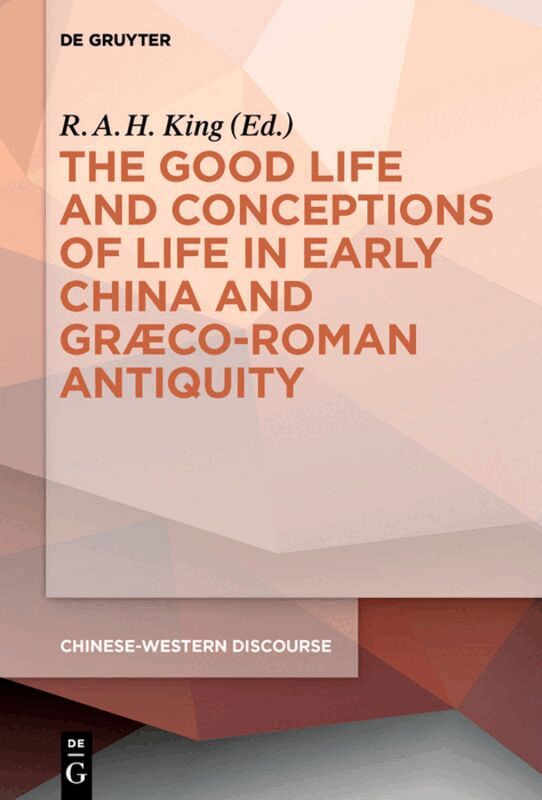
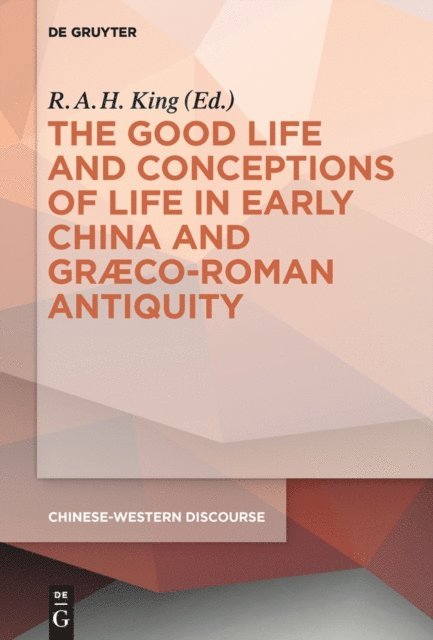
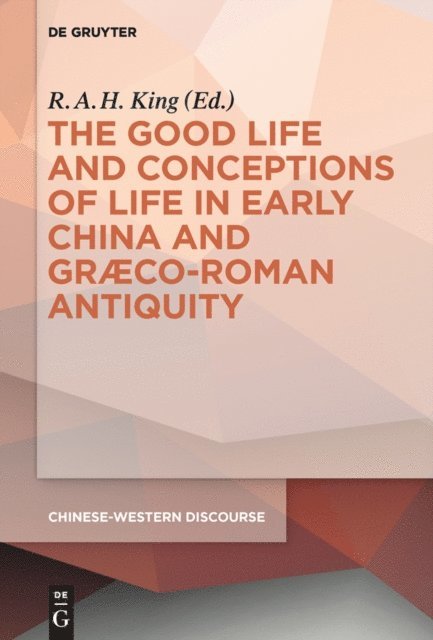
Good Life and Conceptions of Life in Early China and Graeco-Roman Antiquity
Av R.A.H. King
Inbunden, 2015
1962 kr
Lägg i varukorg
Chinese and Greek ethics remain influential in modern philosophy, yet it is unclear how they can be compared to one another. This volume, following its predecssor 'How should one live?' (DeGruyter 2011), is a contribution to comparative ethics, loosely centered on the concepts of life and the good …
Good Life and Conceptions of Life in Early China and Graeco-Roman Antiquity
Av R.A.H. King
E-bok, 2015
1982 kr
Lägg i varukorg
Chinese and Greek ethics remain influential in modern philosophy, yet it is unclear how they can be compared to one another. This volume, following its predecssor ''How should one live?'' (DeGruyter 2011), is a contribution to comparative ethics, loosely centered on the concepts of life and the …
Good Life and Conceptions of Life in Early China and Graeco-Roman Antiquity
Av R.A.H. King
E-bok, 2015
1982 kr
Lägg i varukorg
Chinese and Greek ethics remain influential in modern philosophy, yet it is unclear how they can be compared to one another. This volume, following its predecssor ''How should one live?'' (DeGruyter 2011), is a contribution to comparative ethics, loosely centered on the concepts of life and the …