Ralph E. Rodriguez - Böcker
Visar alla böcker från författaren Ralph E. Rodriguez. Handla med fri frakt och snabb leverans.
3 produkter
3 produkter
269 kr
Skickas inom 10-15 vardagar
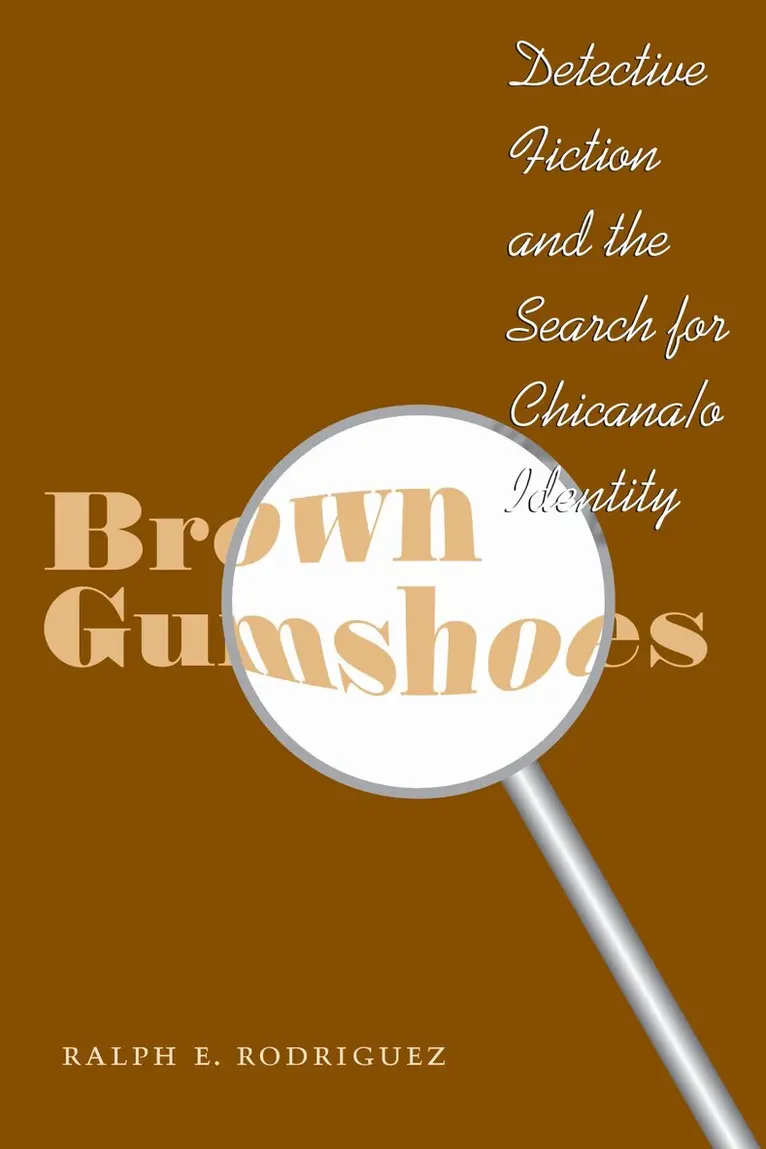
Winner, Modern Language Association Prize in United States Latina and Latino and Chicana and Chicano Literary and Cultural Studies, 2006Popular fiction, with its capacity for diversion, can mask important cultural observations within a framework that is often overlooked in the academic world. Works thought to be merely "escapist" can often be more seriously mined for revelations regarding the worlds they portray, especially those of the disenfranchised. As detective fiction has slowly earned critical respect, more authors from minority groups have chosen it as their medium. Chicana/o authors, previously reluctant to write in an underestimated genre that might further marginalize them, have only entered the world of detective fiction in the past two decades.In this book, the first comprehensive study of Chicano/a detective fiction, Ralph E. Rodriguez examines the recent contributions to the genre by writers such as Rudolfo Anaya, Lucha Corpi, Rolando Hinojosa, Michael Nava, and Manuel Ramos. Their works reveal the struggles of Chicanas/os with feminism, homosexuality, familia, masculinity, mysticism, the nationalist subject, and U.S.-Mexico border relations. He maintains that their novels register crucial new discourses of identity, politics, and cultural citizenship that cannot be understood apart from the historical instability following the demise of the nationalist politics of the Chicana/o movement of the 1960s and 1970s. In contrast to that time, when Chicanas/os sought a unified Chicano identity in order to effect social change, the 1980s, 1990s, and 2000s have seen a disengagement from these nationalist politics and a new trend toward a heterogeneous sense of self. The detective novel and its traditional focus on questions of knowledge and identity turned out to be the perfect medium in which to examine this new self.
1 300 kr
Skickas inom 10-15 vardagar
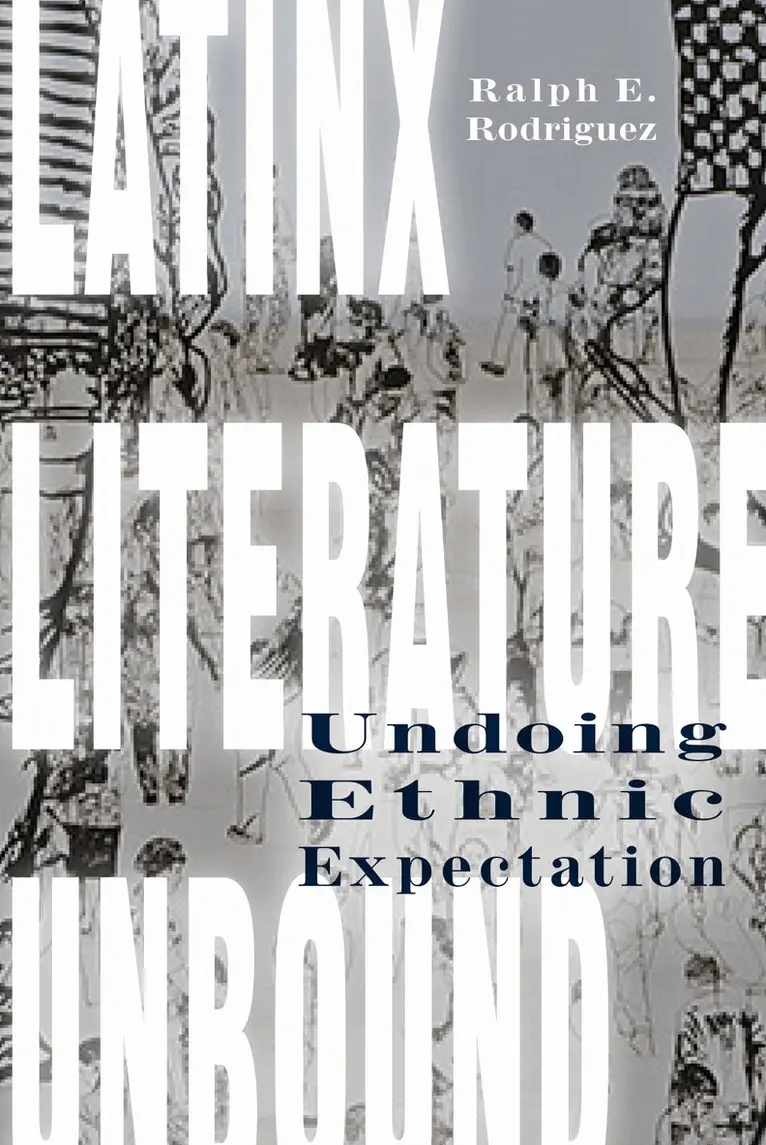
Since the 1990s, there has been unparalleled growth in the literary output from an ever more diverse group of Latinx writers. Extant criticism, however, has yet to catch up with the diversity of writers we label Latinx and the range of themes about which they write. Little sustained scholarly attention has been paid, moreover, to the very category under which we group this literature. Latinx Literature Unbound, thus, begins with a fundamental question "What does it mean to label a work of literature or an entire corpus of literature Latinx?" From this question others emerge: What does Latinx allow or predispose us to see, and what does it preclude us from seeing? If the grouping—which brings together a heterogeneous collection of people under a seemingly homogeneous label—tells us something meaningful, is there a poetics we can develop that would facilitate our analysis of this literature?In answering these questions, Latinx Literature Unbound frees Latinx literature from taken-for-granted critical assumptions about identity and theme. It argues that there may be more salubrious taxonomies than Latinx for organizing and analyzing this literature. Privileging the act of reading as a temporal, meaning-making event, Ralph E. Rodriguez argues that genre may be a more durable category for analyzing this literature and suggests new ways we might proceed with future studies of the writing we have come to identify as Latinx.
392 kr
Skickas inom 10-15 vardagar
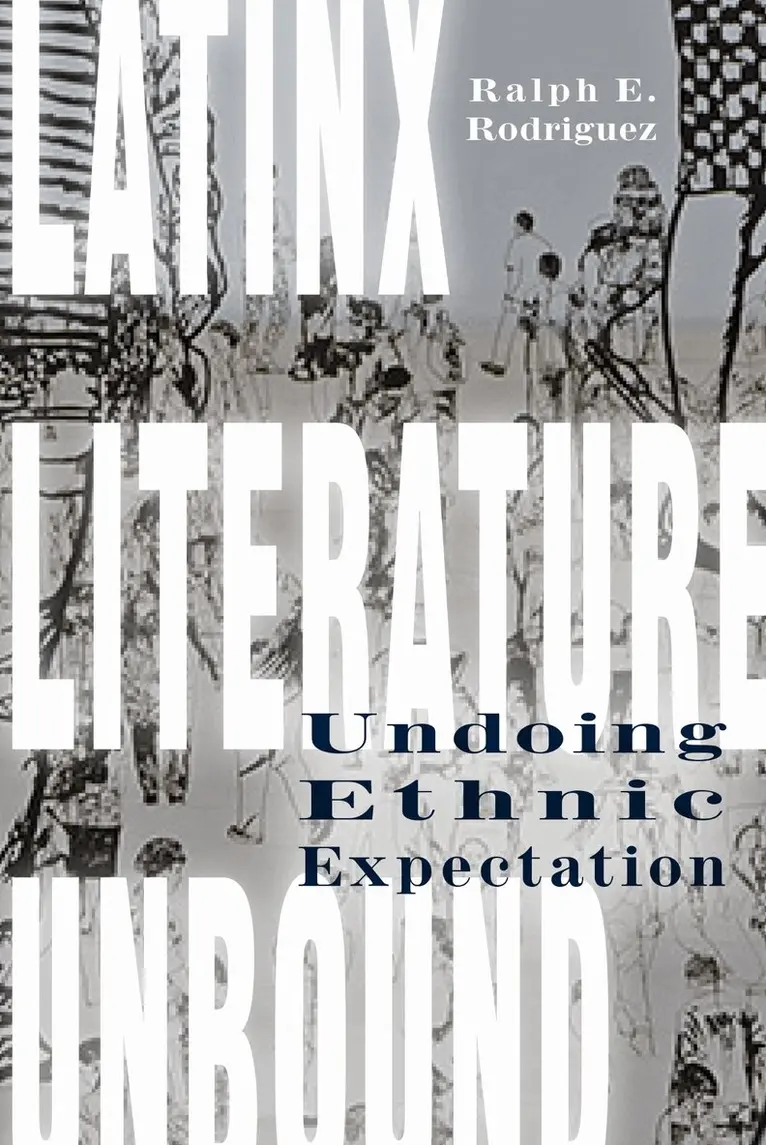
Since the 1990s, there has been unparalleled growth in the literary output from an ever more diverse group of Latinx writers. Extant criticism, however, has yet to catch up with the diversity of writers we label Latinx and the range of themes about which they write. Little sustained scholarly attention has been paid, moreover, to the very category under which we group this literature. Latinx Literature Unbound, thus, begins with a fundamental question "What does it mean to label a work of literature or an entire corpus of literature Latinx?" From this question others emerge: What does Latinx allow or predispose us to see, and what does it preclude us from seeing? If the grouping—which brings together a heterogeneous collection of people under a seemingly homogeneous label—tells us something meaningful, is there a poetics we can develop that would facilitate our analysis of this literature?In answering these questions, Latinx Literature Unbound frees Latinx literature from taken-for-granted critical assumptions about identity and theme. It argues that there may be more salubrious taxonomies than Latinx for organizing and analyzing this literature. Privileging the act of reading as a temporal, meaning-making event, Ralph E. Rodriguez argues that genre may be a more durable category for analyzing this literature and suggests new ways we might proceed with future studies of the writing we have come to identify as Latinx.