Rashid Pervez – författare
1 700 kr
Skickas inom 10-15 vardagar
909 kr
Läs direkt efter köp
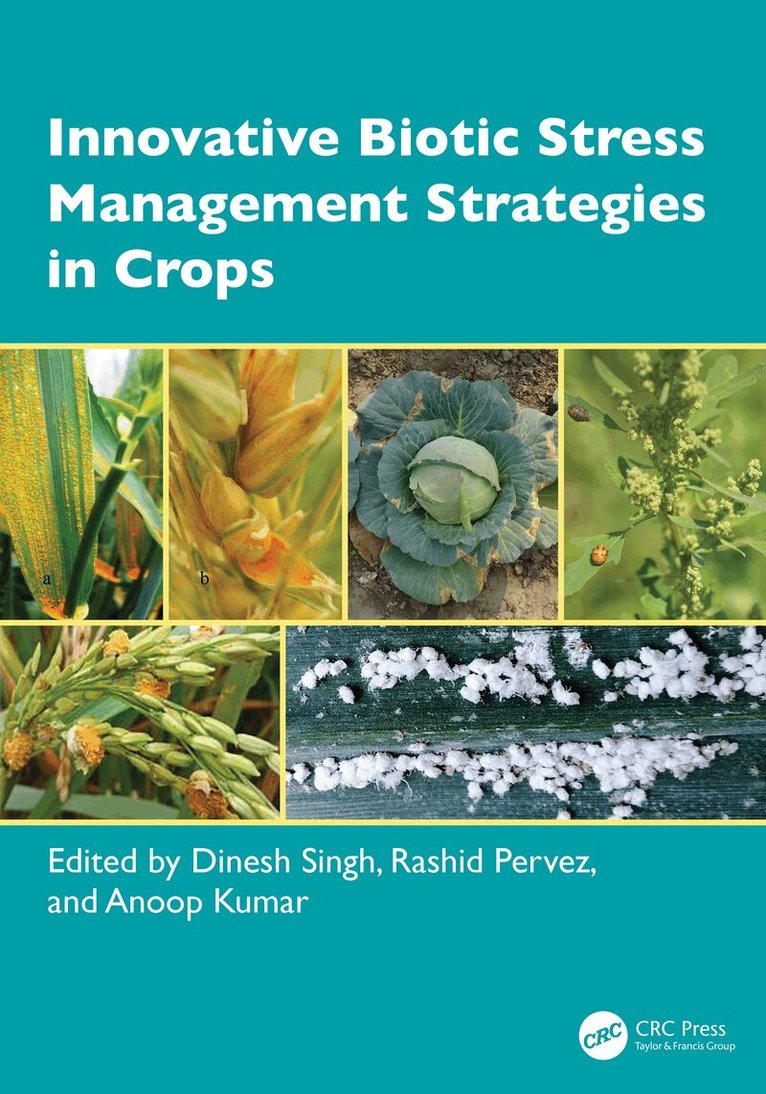
Crops suffer from biotic and abiotic stress during their growing period. Biotic stress in crops is caused by living organisms, specifically viruses, bacteria, fungi, nematodes, insects, arachnids, phanerogamic plants, and weeds. They directly deprive their host of its nutrients leading to reduced plant vigor and, in extreme cases, death of the host plant causing up to 40% yield losses and significantly reducing the quality of the produce annually. This has led to increased concern over food safety and nutritional security in India as well as abroad. Climate change and human interventions have altered ecosystems, reducing biodiversity and creating new niches where pests and pathogens can thrive, and new pests and diseases of crops. The integrative strategies for the management of biotic stresses of crops include managing pests by enhancing the resistance of host plants. Biological, cultural, physical, and chemical methods are needed.
In this book, 29 chapters are included covering the general topic and specific crop-based strategies to manage the stresses caused by insect pests and diseases of different crops such as cereals, pulses, oilseeds, vegetables, fruits, cash crops, medicinal and aromatic plants, spices, and plantation crops by using different approaches with the latest information. At the end of each chapter, references are cited which may facilitate the reader to get more detailed information. The book also focuses more on diagnosis of biotic stresses and management by adding recent information, which has practical utility.
The purpose of this book is to provide recent information in the field of biotic stress management in crops to students, researchers, teachers, extension workers and farmers, and those who deal with crops that are vulnerable to biotic stress.
942 kr
Läs direkt efter köp
Crops suffer from biotic and abiotic stress during their growing period. Biotic stress in crops is caused by living organisms, specifically viruses, bacteria, fungi, nematodes, insects, arachnids, phanerogamic plants, and weeds. They directly deprive their host of its nutrients leading to reduced plant vigor and, in extreme cases, death of the host plant causing up to 40% yield losses and significantly reducing the quality of the produce annually. This has led to increased concern over food safety and nutritional security in India as well as abroad. Climate change and human interventions have altered ecosystems, reducing biodiversity and creating new niches where pests and pathogens can thrive, and new pests and diseases of crops. The integrative strategies for the management of biotic stresses of crops include managing pests by enhancing the resistance of host plants. Biological, cultural, physical, and chemical methods are needed.
In this book, 29 chapters are included covering the general topic and specific crop-based strategies to manage the stresses caused by insect pests and diseases of different crops such as cereals, pulses, oilseeds, vegetables, fruits, cash crops, medicinal and aromatic plants, spices, and plantation crops by using different approaches with the latest information. At the end of each chapter, references are cited which may facilitate the reader to get more detailed information. The book also focuses more on diagnosis of biotic stresses and management by adding recent information, which has practical utility.
The purpose of this book is to provide recent information in the field of biotic stress management in crops to students, researchers, teachers, extension workers and farmers, and those who deal with crops that are vulnerable to biotic stress.
3 610 kr
Läs direkt efter köp
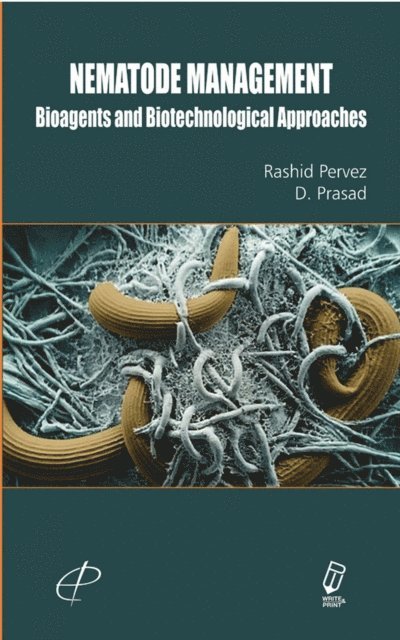
The book Nematode Management: Bioagents and Biotechnological Approaches carries 16 chapters viz., Biology of plant parasitic nematodes and its importance in management; Plant resistance in nematode management; Resistant genes in vegetables infesting nematode management; Precision farming technologies in phytonematodes management; Ecological strategies for management of phytonematodes; Application of remote sensing technology in nematode damage assessment and management; Newer molecules for nematode management; Botanical compounds for nematode management; Antagonistic plants for nematode management ; Bacterial antagonists for nematode management; Nematophagous fungi for nematode management; Predatory nematode for nematode management; Antimicrobial peptides in nematode innate immunity; Biotechnological approaches for nematode management; Barcoding and its utility in nematode management and Pristionchus pacificus - New Model Nematode for biotechnological studies and covers most of the bioagents and biotechnological based management tools and technology developed by distinguished scientists. This book will be helpful to planters, farmers, researchers, students and entrepreneurs and also show the new path of our future budding scientist, researchers, policy makers for the exploration and development of newly plant parasitic nematode management tools and techniques in the frontier area for the social welfare.