Dinesh Singh – författare
Visar alla böcker från författaren Dinesh Singh. Handla med fri frakt och snabb leverans.
12 produkter
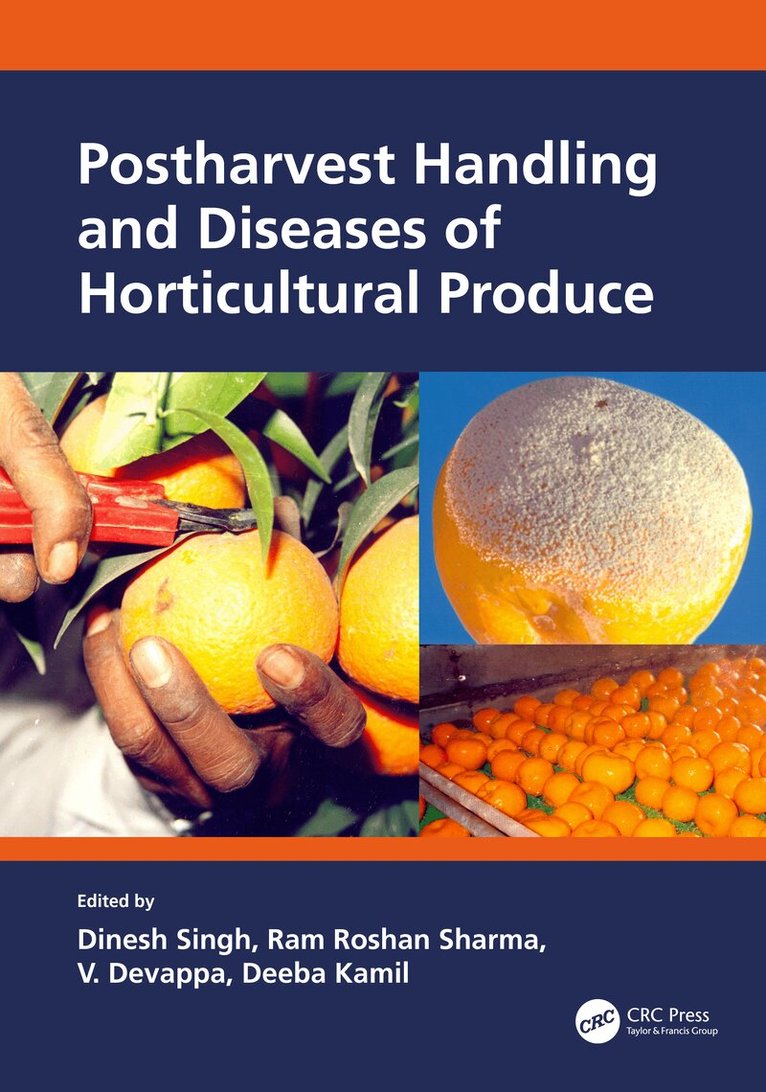
Postharvest Handling and Diseases of Horticultural Produce
Av Dinesh Singh, Ram Roshan Sharma m. fl.
Inbunden, 2021
3431 kr
Lägg i varukorg
Postharvest Handling and Diseases of Horticultural Produce describes all the postharvest techniques, handling, pre-cooling, postharvest treatment, edible coating and storage of the horticultural produce available to handle perishable horticultural food commodities, covering the areas of …
Postharvest Handling and Diseases of Horticultural Produce
Av Deeba Kamil, V. Devappa m. fl.
E-bok, 2021
3255 kr
Lägg i varukorg
Postharvest Handling and Diseases of Horticultural Produce describes all the postharvest techniques, handling, pre-cooling, postharvest treatment, edible coating and storage of the horticultural produce available to handle perishable horticultural food commodities, covering the areas of …
Postharvest Handling and Diseases of Horticultural Produce
Av Deeba Kamil, V. Devappa m. fl.
E-bok, 2021
3255 kr
Lägg i varukorg
Postharvest Handling and Diseases of Horticultural Produce describes all the postharvest techniques, handling, pre-cooling, postharvest treatment, edible coating and storage of the horticultural produce available to handle perishable horticultural food commodities, covering the areas of …
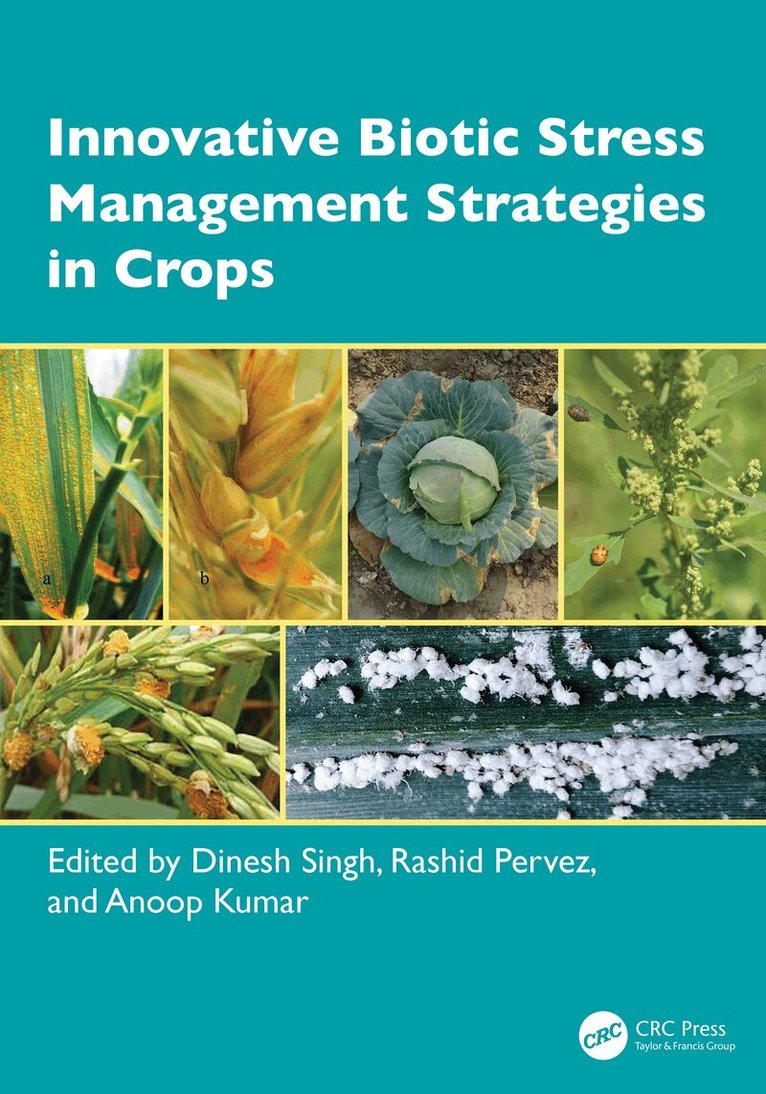
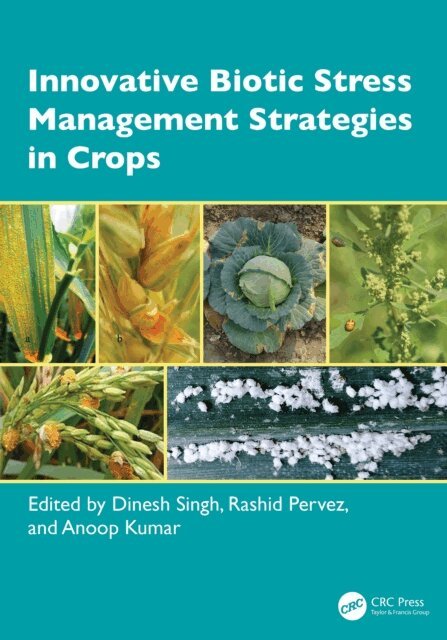
Innovative Biotic Stress Management Strategies in Crops
Av Dinesh Singh, Rashid Pervez m. fl.
Inbunden, 2025
1826 kr
Lägg i varukorg
Crops suffer from biotic and abiotic stress during their growing period. Biotic stress in crops is caused by living organisms, specifically viruses, bacteria, fungi, nematodes, insects, arachnids, phanerogamic plants, and weeds. They directly deprive their host of its nutrients leading to reduced …
Innovative Biotic Stress Management Strategies in Crops
Av Anoop Kumar, Rashid Pervez m. fl.
E-bok, 2025
1022 kr
Lägg i varukorg
Crops suffer from biotic and abiotic stress during their growing period. Biotic stress in crops is caused by living organisms, specifically viruses, bacteria, fungi, nematodes, insects, arachnids, phanerogamic plants, and weeds. They directly deprive their host of its nutrients leading to reduced …
Innovative Biotic Stress Management Strategies in Crops
Av Anoop Kumar, Rashid Pervez m. fl.
E-bok, 2025
1022 kr
Lägg i varukorg
Crops suffer from biotic and abiotic stress during their growing period. Biotic stress in crops is caused by living organisms, specifically viruses, bacteria, fungi, nematodes, insects, arachnids, phanerogamic plants, and weeds. They directly deprive their host of its nutrients leading to reduced …
Love Makes the Dead Alive: Journey to a Gothic Romance
Av Dinesh Singh
Häftad, 2018
225 kr
Lägg i varukorg
Asia Sales Mastery
Unlocking Business Success in the East: Unlocking Business Success in the East
Av Dinesh Singh
Häftad, 2025
341 kr
Lägg i varukorg
Distributed Computing and Intelligent Technology
22nd International Conference, ICDCIT 2026, Bhubaneswar, India, January 16–19, 2026, Proceedings
Av Bapi Chatterjee, Kishore Kothapalli m. fl.
Häftad, 2026
899 kr
Lägg i varukorg
This book constitutes the refereed proceedings of the 22nd International Conference on Distributed Computing and Intelligent Technology, ICDCIT 2026, held in Bhubaneswar, India during January 16–19, 2026.The 34 full papers included in this volume were carefully reviewed and selected from 143 …
Distributed Computing and Intelligent Technology
22nd International Conference, ICDCIT 2026, Bhubaneswar, India, January 16-19, 2026, Proceedings
Av Dinesh Singh, Arul Murugan Natarajan m. fl.
E-bok, 2026
1116 kr
Lägg i varukorg
This book constitutes the refereed proceedings of the 22nd International Conference on Distributed Computing and Intelligent Technology, ICDCIT 2026, held in Bhubaneswar, India during January 16–19, 2026.The 34 full papers included in this volume were carefully reviewed and selected from 143 …
Bacterial Diseases of Plants and their Management (Edition1st)
Av M R Ravikumar, Shamarao Jahagirdar m. fl.
Inbunden, 2023
728 kr
Lägg i varukorg
101 Twisted Tales
Av Dinesh Singh
Häftad, 2025
222 kr
Lägg i varukorg
In 101 Twisted Tales , Dinesh Singh introduces a new genre into storytelling which he terms as a 'prosaic version of the haiku'. Each story fits inside a single tweet and each tale ends with a twistwhich adds a special and surprising punch. This shall doubtless endear the form and the contentto the …