Ray Jureidini - Böcker
Visar alla böcker från författaren Ray Jureidini. Handla med fri frakt och snabb leverans.
2 produkter
2 produkter
1 954 kr
Skickas inom 7-10 vardagar
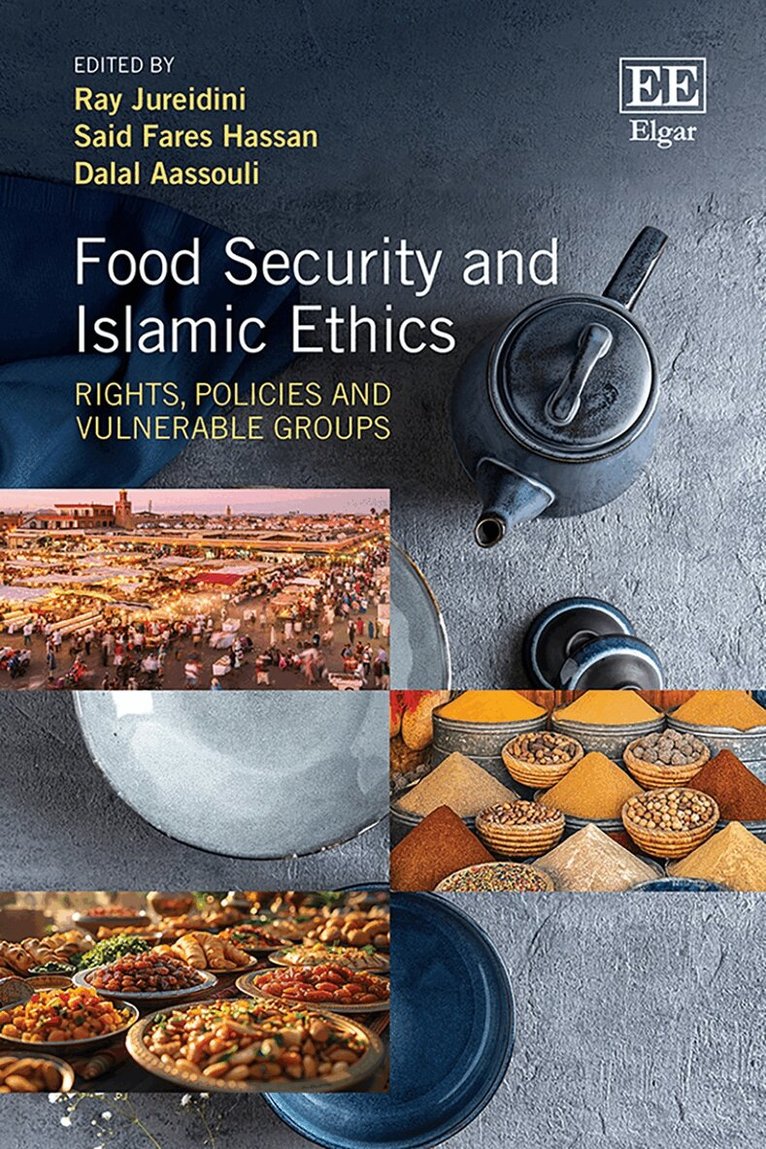
Bringing together an array of esteemed scholars, this insightful book considers how Islamic ethics influences responses to the pressing challenge of global sustainable food security.Food Security and Islamic Ethics explores three overarching areas: the world response to the challenge of sustainable food security; the Islamic perspective on addressing food security issues; and concerns for the most vulnerable groups facing this crisis, including women, children, migrants and the displaced. Chapters present in-depth case studies from locations across the globe, including Africa, Asia and North America. Ultimately, the book addresses how Islamic ethics can and does inform policy and practice in order to secure adequate food and nutrition for populations in the Muslim world and Muslims in non-Muslim countries.This incisive book is a crucial resource for students and academics concerned with ethics and Islam, development studies, agricultural economics and food security, sociology and anthropology. Infusing case studies with practical applications, it is also useful for think tank and NGO policymakers, alongside professionals specialising in food security in efforts to meet the second Sustainable Development Goal: zero hunger.
Del 2 - Studies in Islamic Ethics
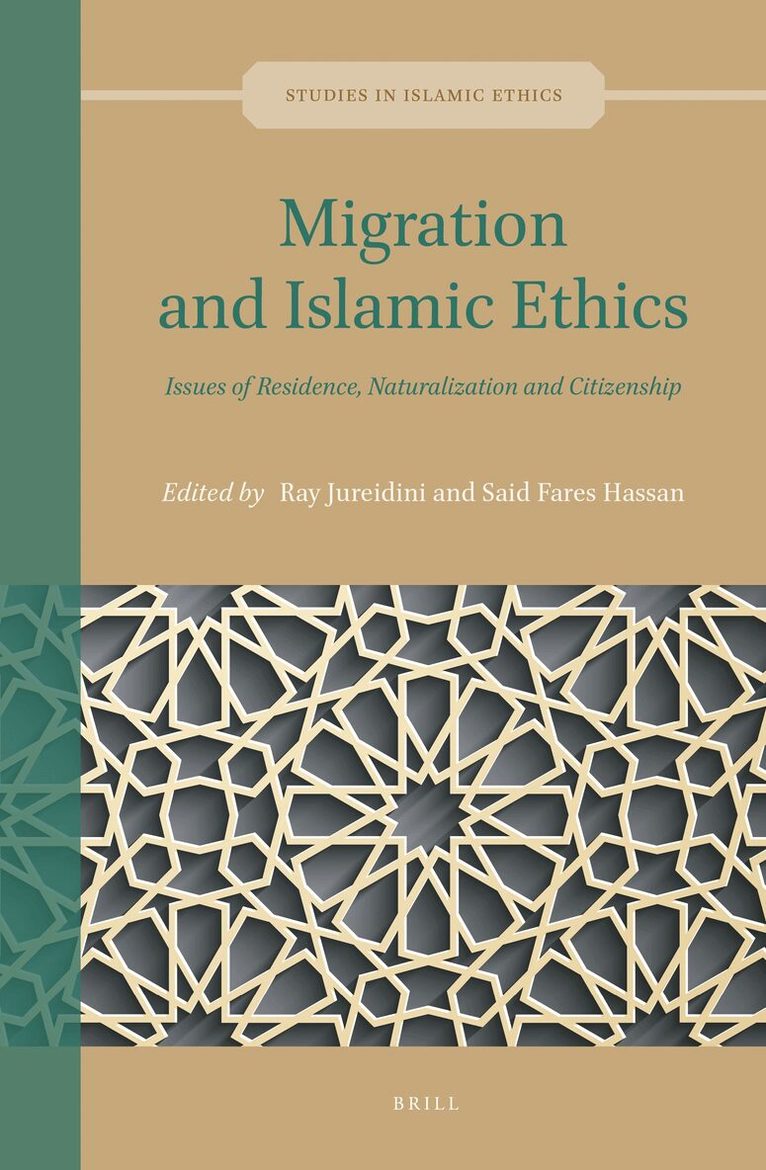
Migration and Islamic Ethics
Issues of Residence, Naturalization and Citizenship
Inbunden, Engelska, 2019
1 316 kr
Skickas inom 5-8 vardagar
Migration and Islamic Ethics, Issues of Residence, Naturalization and Citizenship addresses how Islamic ethical and legal traditions can contribute to current global debates on migration and displacement; how Islamic ethics of muʾakha, ḍiyāfa, ijāra, amān, jiwār, sutra, kafāla, among others, may provide common ethical grounds for a new paradigm of social and political virtues applicable to all humanity, not only Muslims. The present volume more broadly defines the Islamic tradition to cover not only theology but also to encompass ethics, customs and social norms, as well as modern political, humanitarian and rights discourses. The first section addresses theorizations and conceptualizations using contemporary Islamic examples, mainly in the treatment of asylum-seekers and refugees; the second, contains empirical analyses of contemporary case studies; the third provides historical accounts of Muslim migratory experiences.Contributors are: Abbas Barzegar, Abdul Jaleel, Dina Taha, Khalid Abou El Fadl, Mettursun Beydulla, Radhika Kanchana, Ray Jureidini, Rebecca Gould, Said Fares Hassan, Sari Hanafi, Tahir Zaman.