Raz Yosef – författare
Visar alla böcker från författaren Raz Yosef. Handla med fri frakt och snabb leverans.
12 produkter
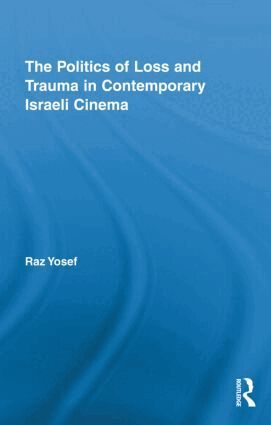
Politics of Loss and Trauma in Contemporary Israeli Cinema
Av Raz Yosef
Inbunden, 2011
2512 kr
Lägg i varukorg
The last decade has marked the growing visibility and worldwide interest in Israeli cinema. Films such as Walk on Water, Or, My Treasure, Beaufort and Waltz with Bashir have been commercially and critically successful both in Europe and the United States and have won a number of prestigious …
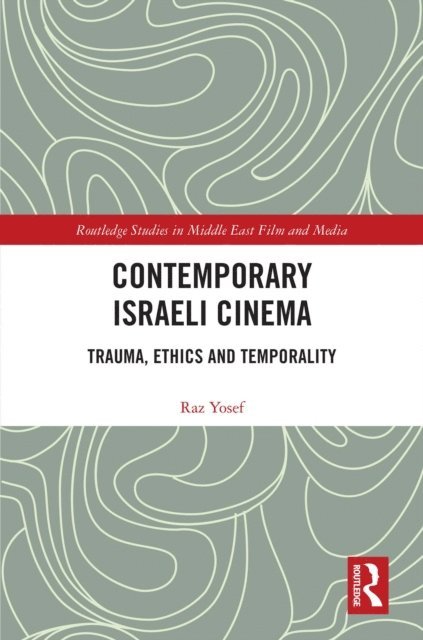
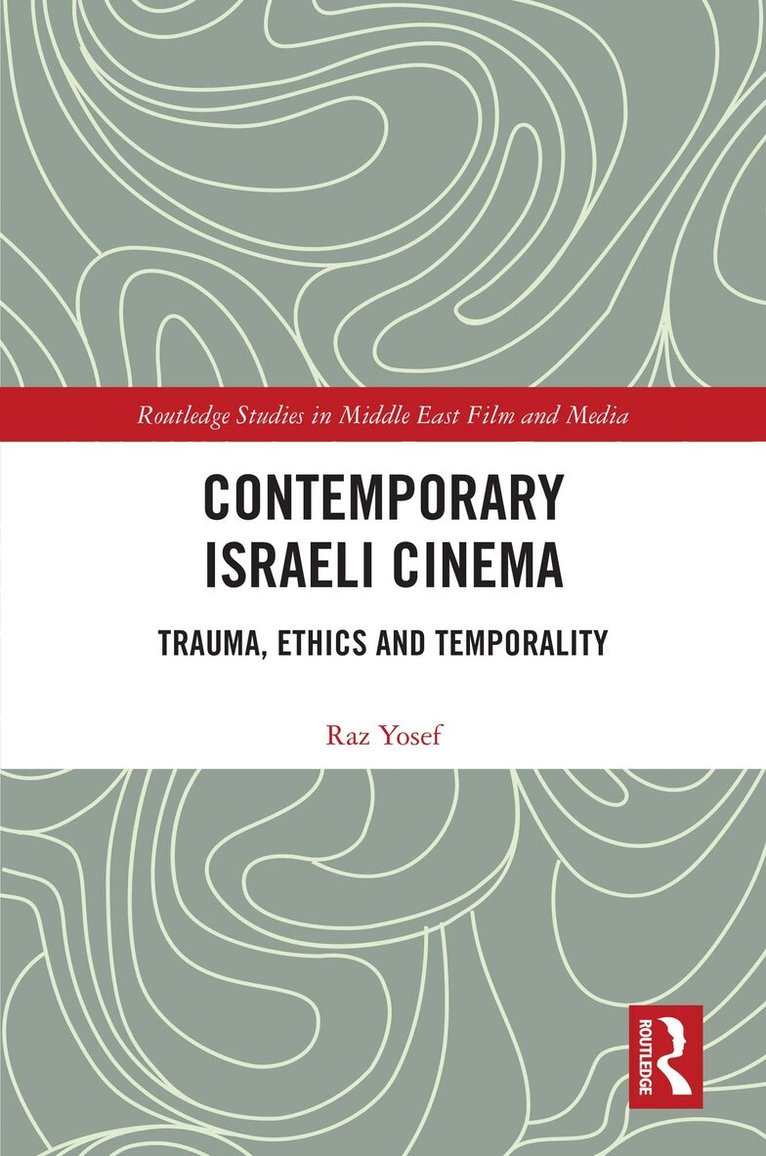
Contemporary Israeli Cinema
Trauma, Ethics and Temporality
Av Raz Yosef
E-bok, 2022
712 kr
Lägg i varukorg
Through analysis of the complex discourse surrounding trauma and loss, this book provides a necessary examination of temporality and ethics in Israeli film and television since the turn of the millennium. The author examines posttraumatic idioms of fragmentation and incoherence, highlighting the …
Contemporary Israeli Cinema
Trauma, Ethics and Temporality
Av Raz Yosef
E-bok, 2022
727 kr
Lägg i varukorg
Through analysis of the complex discourse surrounding trauma and loss, this book provides a necessary examination of temporality and ethics in Israeli film and television since the turn of the millennium. The author examines posttraumatic idioms of fragmentation and incoherence, highlighting the …
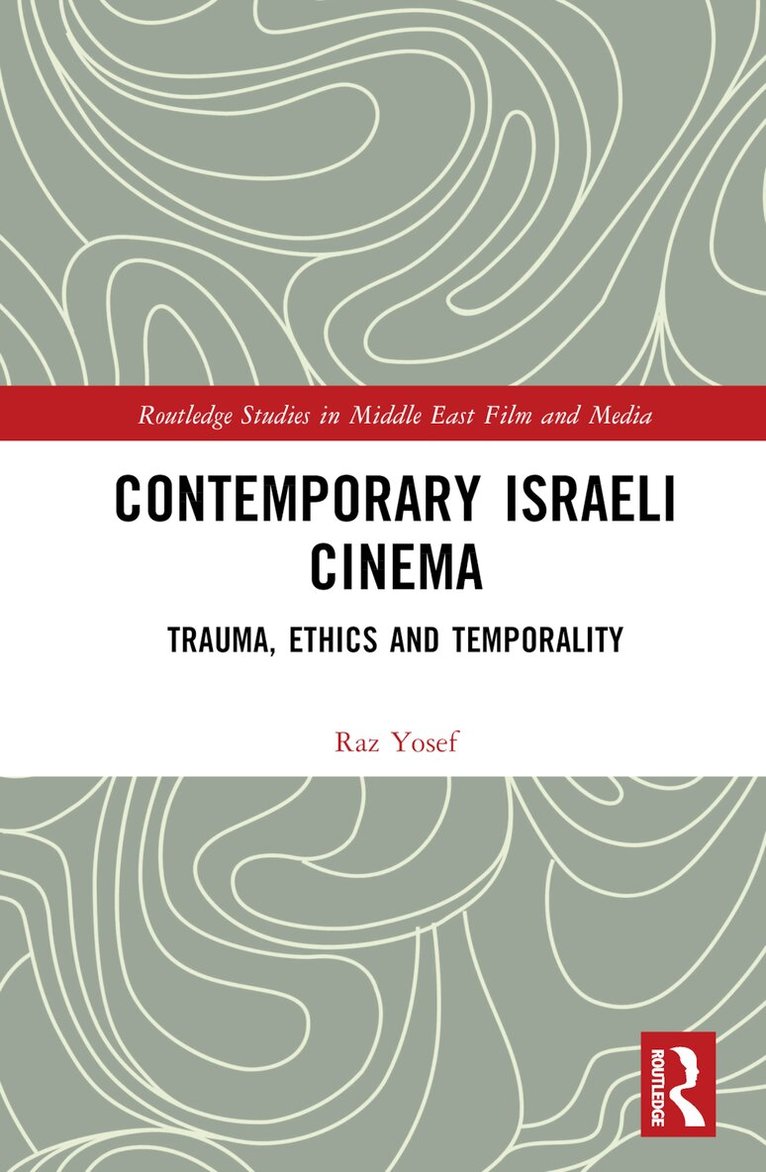
Contemporary Israeli Cinema
Trauma, Ethics and Temporality
Av Raz Yosef
Inbunden, 2022
2133 kr
Lägg i varukorg
Through analysis of the complex discourse surrounding trauma and loss, this book provides a necessary examination of temporality and ethics in Israeli film and television since the turn of the millennium. The author examines posttraumatic idioms of fragmentation and incoherence, highlighting the …
Contemporary Israeli Cinema
Trauma, Ethics and Temporality
Av Raz Yosef
Häftad, 2022
619 kr
Lägg i varukorg
Through analysis of the complex discourse surrounding trauma and loss, this book provides a necessary examination of temporality and ethics in Israeli film and television since the turn of the millennium. The author examines posttraumatic idioms of fragmentation and incoherence, highlighting the …
Politics of Loss and Trauma in Contemporary Israeli Cinema
Av Raz Yosef
E-bok, 2012
831 kr
Lägg i varukorg
The last decade has marked the growing visibility and worldwide interest in Israeli cinema. Films such as Walk on Water , Or , My Treasure , Beaufort and Waltz with Bashir have been commercially and critically successful both in Europe and the United States and have won a number of prestigious …
Politics of Loss and Trauma in Contemporary Israeli Cinema
Av Raz Yosef
E-bok, 2012
813 kr
Lägg i varukorg
The last decade has marked the growing visibility and worldwide interest in Israeli cinema. Films such as Walk on Water , Or , My Treasure , Beaufort and Waltz with Bashir have been commercially and critically successful both in Europe and the United States and have won a number of prestigious …
Politics of Loss and Trauma in Contemporary Israeli Cinema
Av Raz Yosef
Häftad, 2015
706 kr
Lägg i varukorg
The last decade has marked the growing visibility and worldwide interest in Israeli cinema. Films such as Walk on Water, Or, My Treasure, Beaufort and Waltz with Bashir have been commercially and critically successful both in Europe and the United States and have won a number of prestigious …
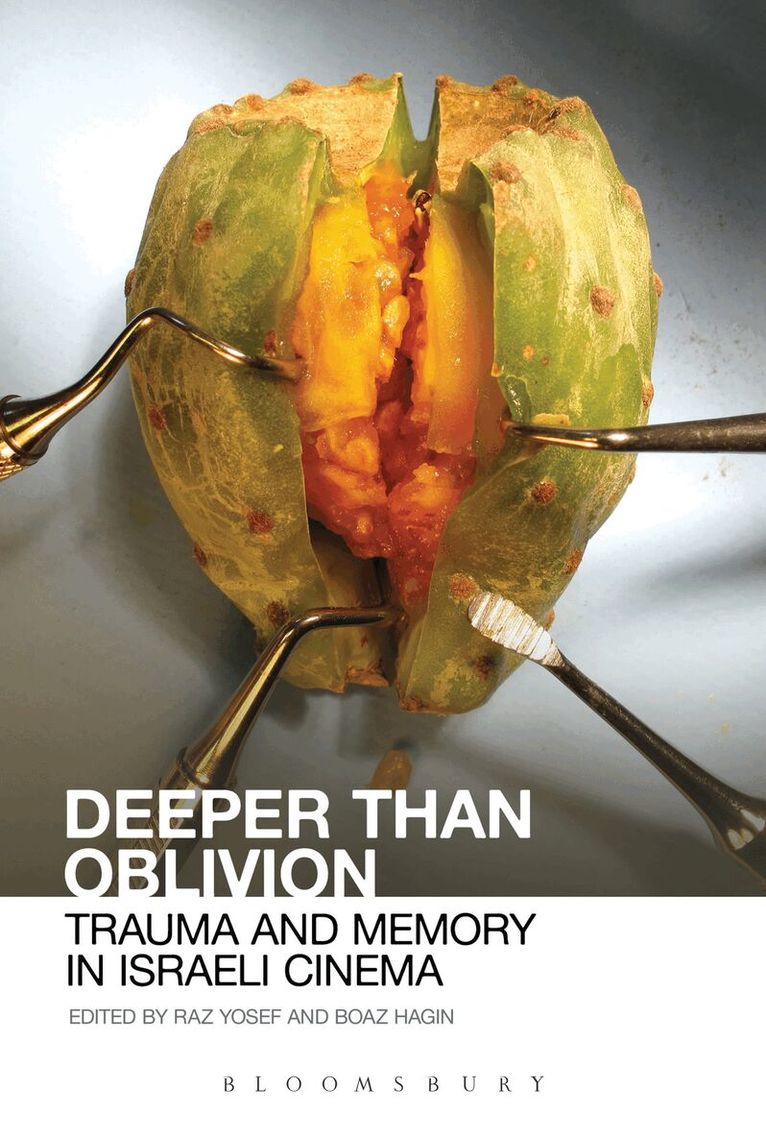
Deeper than Oblivion
Trauma and Memory in Israeli Cinema
Av Raz Yosef, Boaz Hagin
Inbunden, 2013
2100 kr
Lägg i varukorg
In this collection, leading scholars in both film studies and Israeli studies show that beyond representing familiar historical accounts or striving to offer a more complete and accurate depiction of the past, Israeli cinema has innovatively used trauma and memory to offer insights about Israeli …
Deeper than Oblivion
Trauma and Memory in Israeli Cinema
Av Raz Yosef, Boaz Hagin
E-bok, 2013
645 kr
Lägg i varukorg
In this collection, leading scholars in both film studies and Israeli studies show that beyond representing familiar historical accounts or striving to offer a more complete and accurate depiction of the past, Israeli cinema has innovatively used trauma and memory to offer insights about Israeli …
Deeper than Oblivion
Trauma and Memory in Israeli Cinema
Av Raz Yosef, Boaz Hagin
E-bok, 2013
608 kr
Lägg i varukorg
In this collection, leading scholars in both film studies and Israeli studies show that beyond representing familiar historical accounts or striving to offer a more complete and accurate depiction of the past, Israeli cinema has innovatively used trauma and memory to offer insights about Israeli …
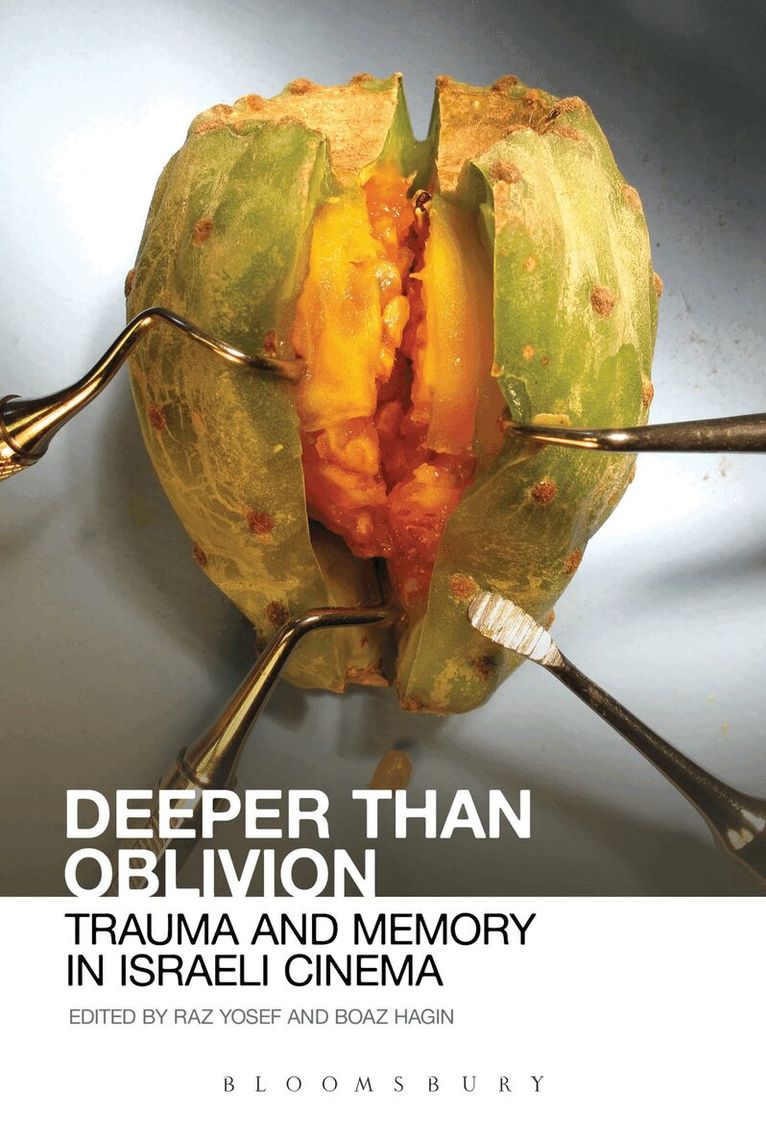
Deeper than Oblivion
Trauma and Memory in Israeli Cinema
Av Raz Yosef, Boaz Hagin
Häftad, 2016
556 kr
Lägg i varukorg
In this collection, leading scholars in both film studies and Israeli studies show that beyond representing familiar historical accounts or striving to offer a more complete and accurate depiction of the past, Israeli cinema has innovatively used trauma and memory to offer insights about Israeli …