Rebecca J. Dobkins – författare
Visar alla böcker från författaren Rebecca J. Dobkins. Handla med fri frakt och snabb leverans.
6 produkter
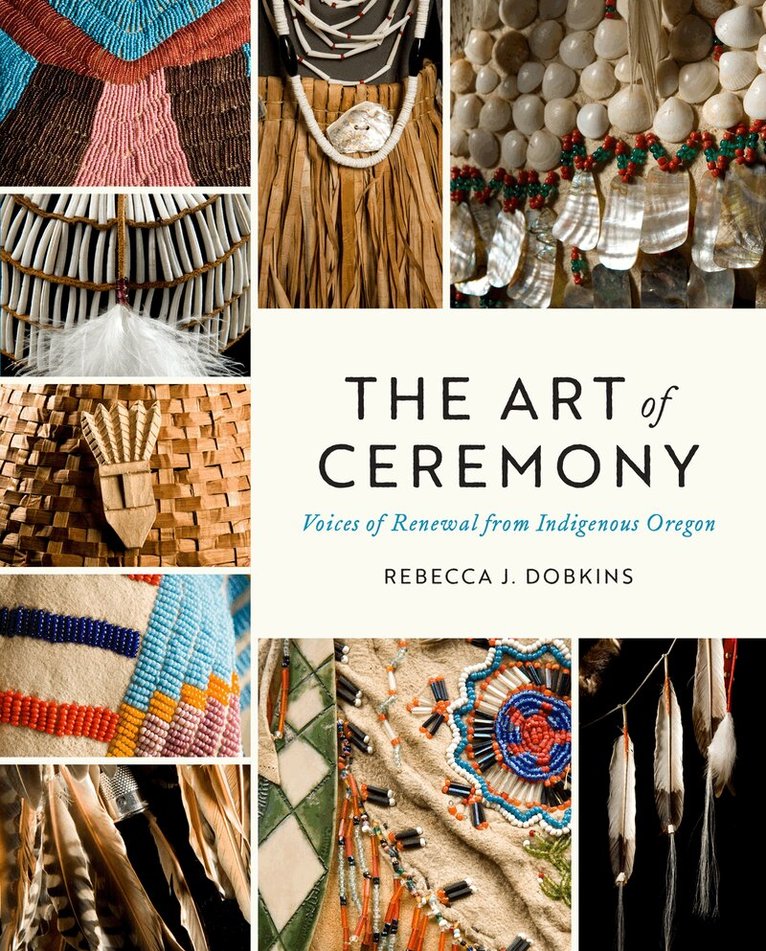
Art of Ceremony
Voices of Renewal from Indigenous Oregon
Häftad, 2022
594 kr
Lägg i varukorg
Celebrates Indigenous renewal through ceremony, understanding the impact of the past and the possibilities for the futureThe practice of ceremony offers ways to build relationships between the land and its beings, reflecting change while drawing upon deep relationships going back millennia. …
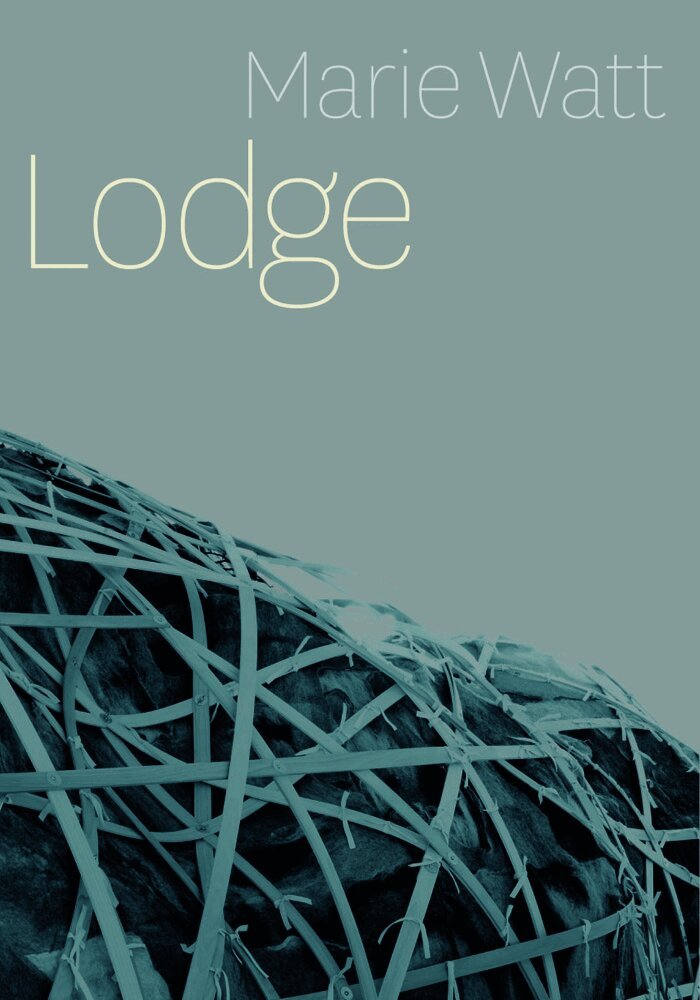
Marie Watt
Lodge
Häftad, 2012
394 kr
Lägg i varukorg
Marie Watt is an American artist who lives and works in Brooklyn, New York, and Portland, Oregon. Born in 1967 to the son of Wyoming ranchers and a daughter of the Turtle Clan of the Seneca Nation (Haudenosaunee), she identifies herself as "half cowboy and half Indian." Formally, her work draws …
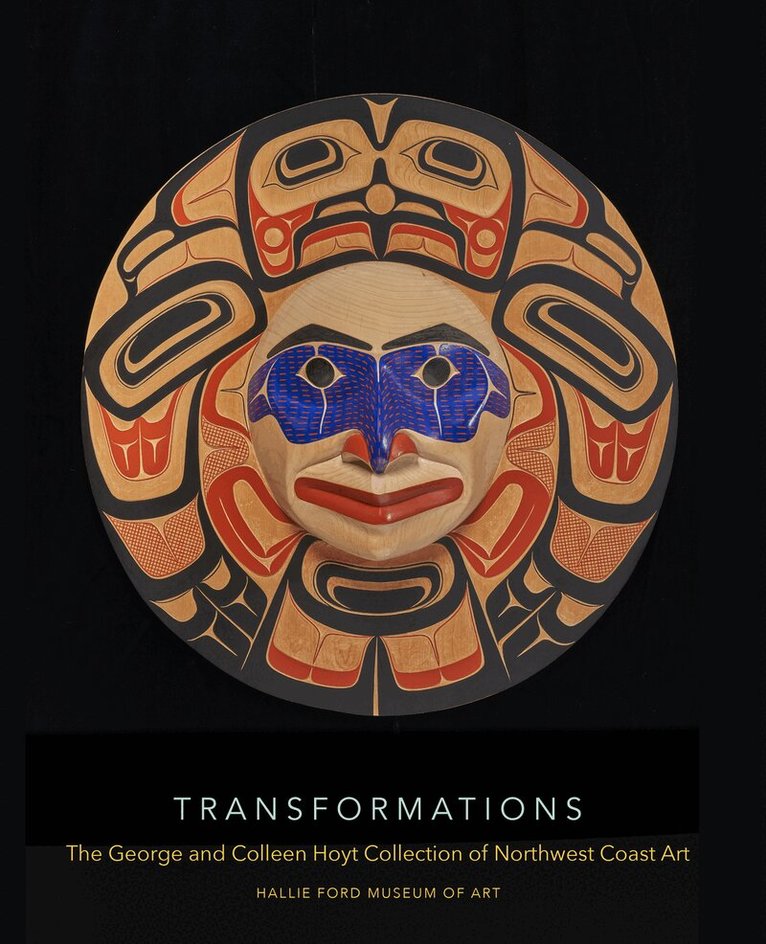
Transformations
The George and Colleen Hoyt Collection of Northwest Coast Art
Av Rebecca J. Dobkins, Tasia D. Riley
Inbunden, 2022
875 kr
Lägg i varukorg
Showcases work by dozens of extraordinary Northwest Coast artists from the 1950s to the presentSince the 1980s, Oregon-based art collectors George and Colleen Hoyt have amassed one of the finest private collections of Northwest Coast art in the United States. Transformations traces the history of …
Art of Ceremony
Voices of Renewal from Indigenous Oregon
Inbunden, 2022
1921 kr
Tillfälligt slut
Celebrates Indigenous renewal through ceremony, understanding the impact of the past and the possibilities for the futureThe practice of ceremony offers ways to build relationships between the land and its beings, reflecting change while drawing upon deep relationships going back millennia. …
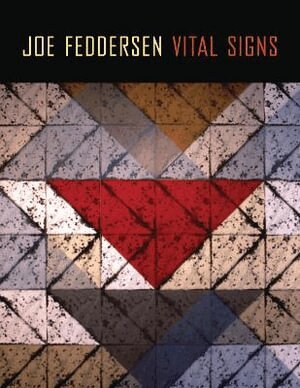
Joe Feddersen
Vital Signs
Av Rebecca J. Dobkins, Barbara Earl Thomas m. fl.
Häftad, 2008
472 kr
Tillfälligt slut
Vital signs, the pulses and patterns of the body, are indicators of essential life functions. The powerful work of Joe Feddersen reveals, like vital signs themselves, the state of the human condition from the vantage point of a contemporary artist who has inherited an ancient aesthetic …
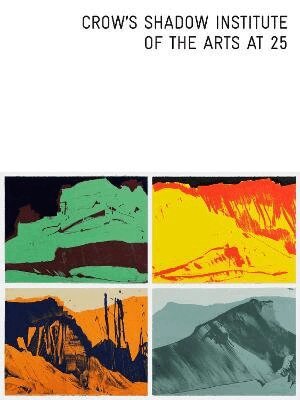
Crow's Shadow Institute of the Arts at 25
Av heather ahtone, Rebecca J. Dobkins m. fl.
Inbunden, 2017
627 kr
Tillfälligt slut
Crow’s Shadow Institute of the Arts at 25 explores the first twenty-five years of a remarkable nonprofit printmaking and traditional arts studio based on the Confederated Tribes of the Umatilla Indian Reservation in eastern Oregon, the only such center located on a reservation community in the …