Rebecca Roach – författare
Visar alla böcker från författaren Rebecca Roach. Handla med fri frakt och snabb leverans.
11 produkter
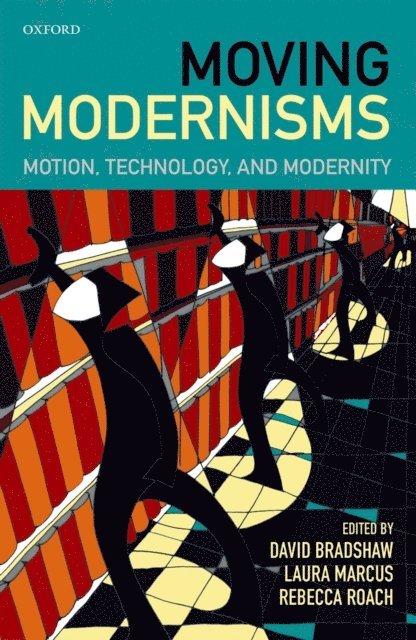
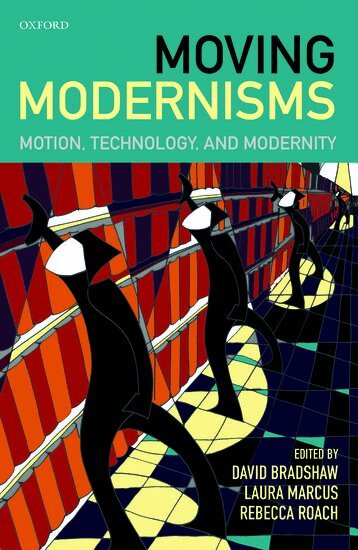
Moving Modernisms
Motion, Technology, and Modernity
Av Rebecca Roach, Laura Marcus m. fl.
E-bok, 2016
1476 kr
Lägg i varukorg
The essays in Moving Modernisms: Motion, Technology, and Modernity , written by renowned international scholars, open up the many dimensions and arenas of modernist movement and movements: spatial, geographical and political: affective and physiological; temporal and epochal; technological, …
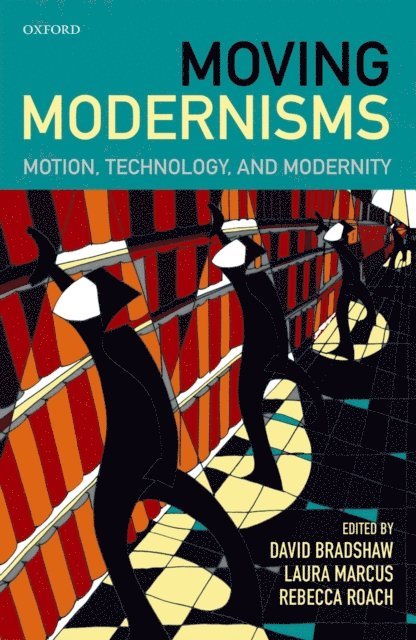
Moving Modernisms
Motion, Technology, and Modernity
Av Rebecca Roach, Laura Marcus m. fl.
E-bok, 2016
1476 kr
Lägg i varukorg
The essays in Moving Modernisms: Motion, Technology, and Modernity , written by renowned international scholars, open up the many dimensions and arenas of modernist movement and movements: spatial, geographical and political: affective and physiological; temporal and epochal; technological, …
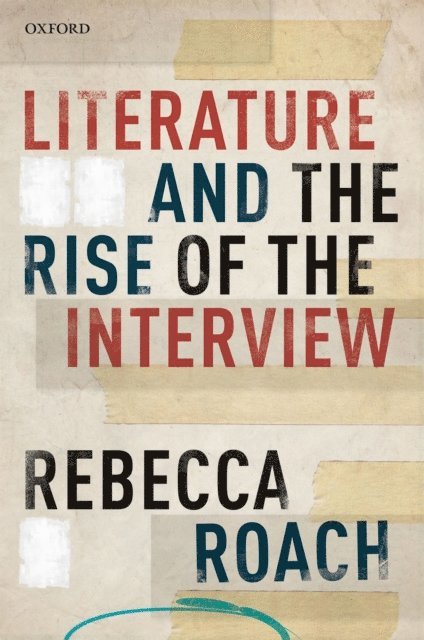
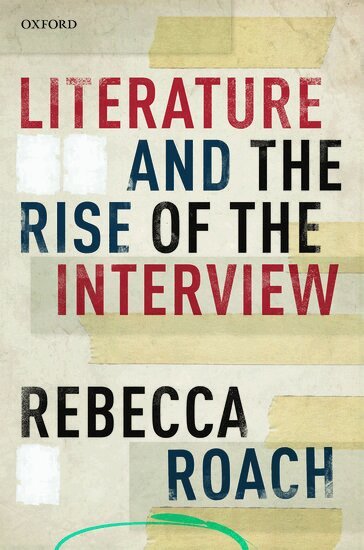
Literature and the Rise of the Interview
E-bok, 2018
1518 kr
Lägg i varukorg
Today interviews proliferate everywhere: in newspapers, on television, and in anthologies; as a method they are a major tool of medicine, the law, the social sciences, oral history projects, and journalism; and in the book trade interviews with authors are a major promotional device. We live in an …
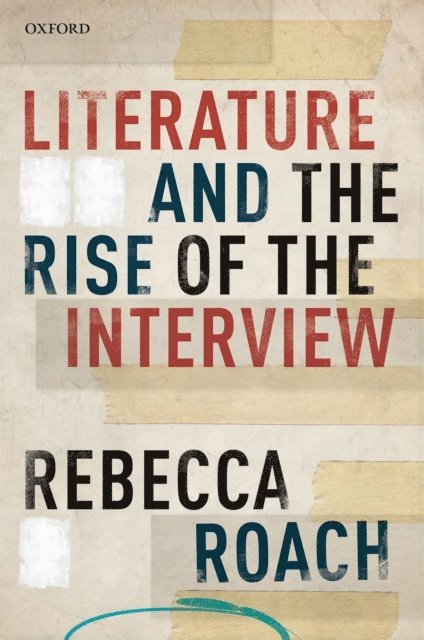
Literature and the Rise of the Interview
E-bok, 2018
1518 kr
Lägg i varukorg
Today interviews proliferate everywhere: in newspapers, on television, and in anthologies; as a method they are a major tool of medicine, the law, the social sciences, oral history projects, and journalism; and in the book trade interviews with authors are a major promotional device. We live in an …
Moving Modernisms
Motion, Technology, and Modernity
Av BRADSHAW ET AL, David Bradshaw m. fl.
Inbunden, 2016
2283 kr
Lägg i varukorg
The essays in Moving Modernisms: Motion, Technology, and Modernity, written by renowned international scholars, open up the many dimensions and arenas of modernist movement and movements: spatial, geographical and political: affective and physiological; temporal and epochal; technological, …
Literature and the Rise of the Interview
Inbunden, 2018
1689 kr
Lägg i varukorg
Today interviews proliferate everywhere: in newspapers, on television, and in anthologies; as a method they are a major tool of medicine, the law, the social sciences, oral history projects, and journalism; and in the book trade interviews with authors are a major promotional device. We live in an …
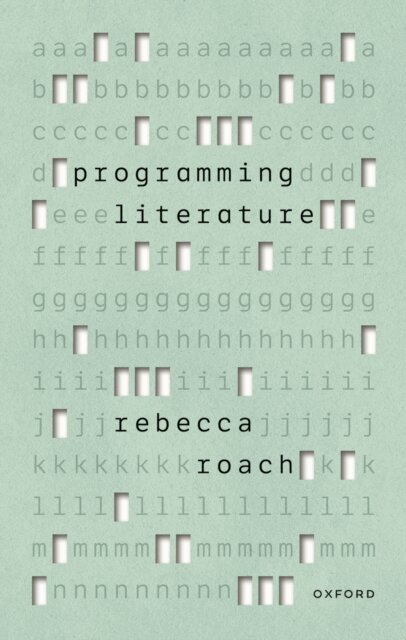
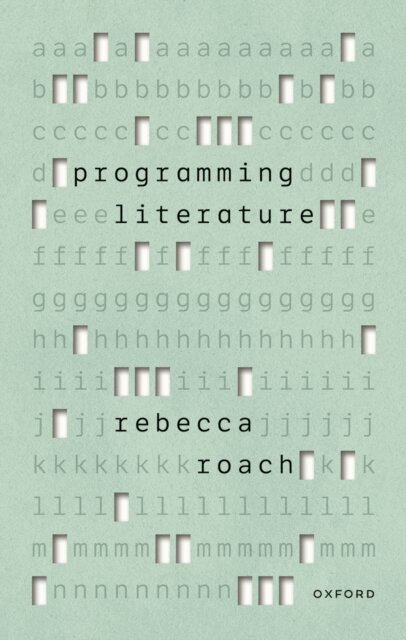
Programming Literature
E-bok, 2025
1139 kr
Lägg i varukorg
This is a book about the messy, archival worlds of literature and computing, and the myriad of relations that have existed between the two. Before J. M. Coetzee was a writer of Nobel-Prize winning novels, the South African was a programmer for one of the most significant Cold War supercomputer …
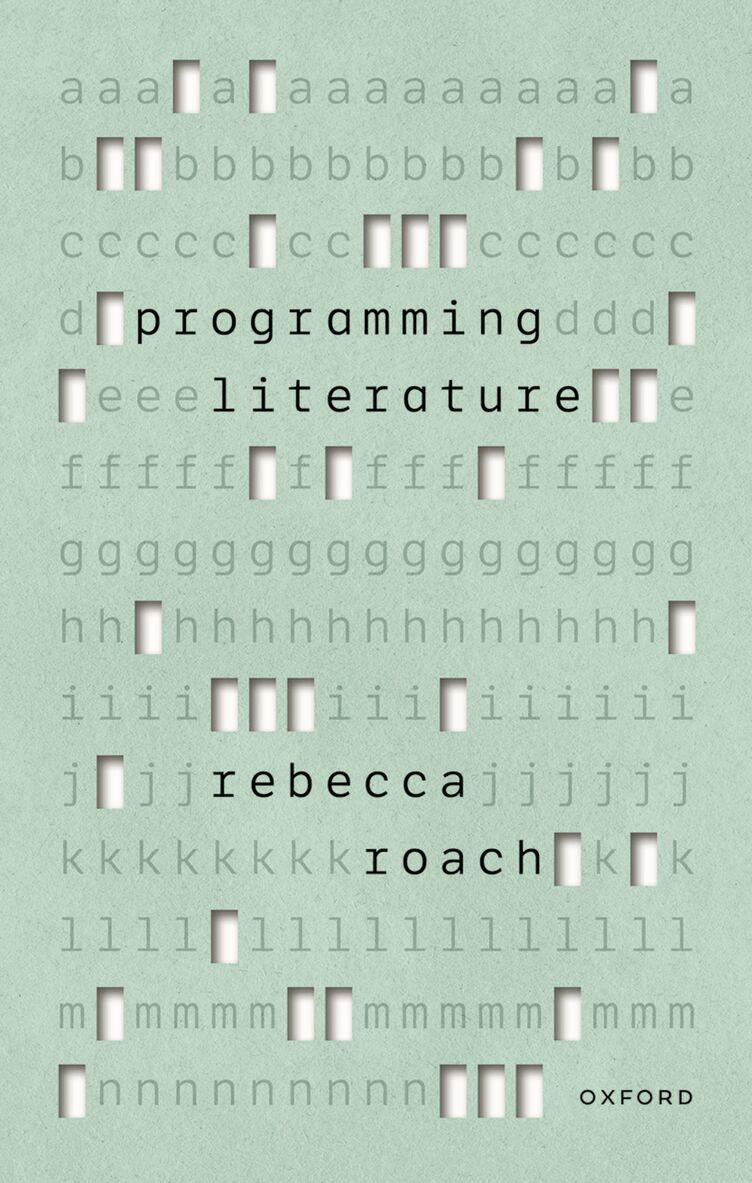
Programming Literature
Inbunden, 2025
1271 kr
Lägg i varukorg
This is a book about the messy, archival worlds of literature and computing, and the myriad of relations that have existed between the two. Before J. M. Coetzee was a writer of Nobel-Prize winning novels, the South African was a programmer for one of the most significant Cold War supercomputer …
Programming Literature
E-bok, 2025
1139 kr
Lägg i varukorg
This is a book about the messy, archival worlds of literature and computing, and the myriad of relations that have existed between the two. Before J. M. Coetzee was a writer of Nobel-Prize winning novels, the South African was a programmer for one of the most significant Cold War supercomputer …
The Social Life of Books
Häftad, 2026
221 kr
Kommande
Books don't exist in a vacuum and reading isn't a solitary activity conducted on the couch. Books have a social life: they are mediated through multiple channels, whether TikTok reviews, prizes, bookseller recommendations, or national curricula. We read in multiple ways: we judge the book by its …
Talking Machines
How Poets and Programmers Invented Conversational Computing
Inbunden, 2027
394 kr
Kommande
While today we ask questions of Alexa, Siri, and ChatGPT, it wasn't always a given that computers would talk—nor that we would evaluate machine intelligence based on their conversational fluency. This book tells the forgotten history of how the dream—and sometimes the nightmare—of talking machines …