Rebecca Tillett - Böcker
Visar alla böcker från författaren Rebecca Tillett. Handla med fri frakt och snabb leverans.
5 produkter
5 produkter
442 kr
Skickas inom 7-10 vardagar
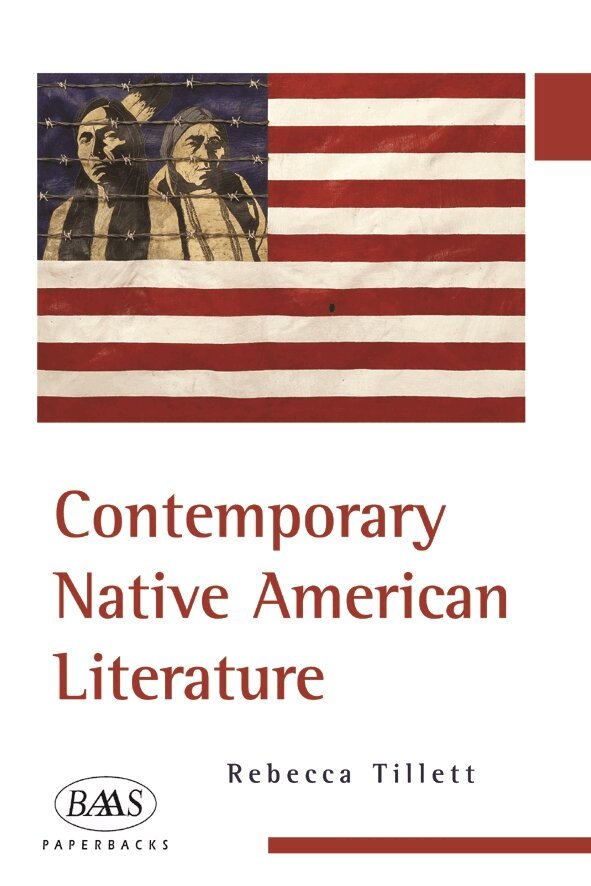
This introduction to contemporary Native American literature is suitable for students with little or no knowledge of the subject, or of Native American culture or history.It examines influential texts in the context of the historical moment of their production, with reference to significant literary developments. Most importantly, Native literature is assessed within the wider socio-political context of American colonialism, the history of Federal-Indian relations and policies, popular perceptions of ‘Indians’, and contemporary Native economic, social, and political realities.A survey of early Native literature provides the framework for considering the development of Native writings throughout the twentieth century. Focusing primarily upon late twentieth-century writings, the study begins with the moment that is widely defined as marking the ‘renaissance’ of contemporary Native American literature: the awarding of the 1969 Pulitzer Prize to the Kiowa writer N. Scott Momaday for his novel House Made of Dawn. The subsequent analysis of key writers and texts includes a biography and brief bibliographical survey of each writer’s work, with a detailed analysis of one text considered to be particularly important in the field, and considerations of significant topics such as cultural translation, humour, gender, and the role of the reader. The study concludes with an overview of current developments and emerging writers. Key Features:* Detailed historical context for writers and texts* Writers and texts situated within developments in Native politics* Inclusion of significant writers often excluded from textbooks* Equal balance between coverage of poetry and prose* Clear discussion of gender issues and importance of the medium of film* Comprehensive analysis of recent developments and emerging writers
394 kr
Tillfälligt slut
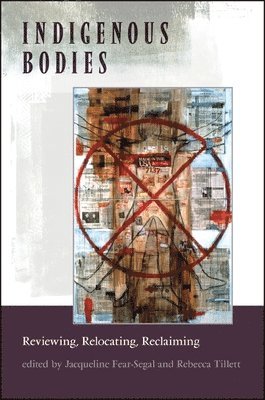
An interdisciplinary exploration of indigenous bodies.This interdisciplinary collection of essays, by both Natives and non-Natives, explores presentations and representations of indigenous bodies in historical and contemporary contexts. Recent decades have seen a wealth of scholarship on the body in a wide range of disciplines. Indigenous Bodies extends this scholarship in exciting new ways, bringing together the disciplinary expertise of Native studies scholars from around the world. The book is particularly concerned with the Native body as a site of persistent fascination, colonial oppression, and indigenous agency, along with the endurance of these legacies within Native communities. At the core of this collection lies a dual commitment to exposing numerous and diverse disempowerments of indigenous peoples, and to recognizing the many ways in which these same people retained and/or reclaimed agency. Issues of reviewing, relocating, and reclaiming bodies are examined in the chapters, which are paired to bring to light juxtapositions and connections and further the transnational development of indigenous studies.
1 088 kr
Tillfälligt slut
An interdisciplinary exploration of indigenous bodies.This interdisciplinary collection of essays, by both Natives and non-Natives, explores presentations and representations of indigenous bodies in historical and contemporary contexts. Recent decades have seen a wealth of scholarship on the body in a wide range of disciplines. Indigenous Bodies extends this scholarship in exciting new ways, bringing together the disciplinary expertise of Native studies scholars from around the world. The book is particularly concerned with the Native body as a site of persistent fascination, colonial oppression, and indigenous agency, along with the endurance of these legacies within Native communities. At the core of this collection lies a dual commitment to exposing numerous and diverse disempowerments of indigenous peoples, and to recognizing the many ways in which these same people retained and/or reclaimed agency. Issues of reviewing, relocating, and reclaiming bodies are examined in the chapters, which are paired to bring to light juxtapositions and connections and further the transnational development of indigenous studies.
546 kr
Skickas inom 10-15 vardagar
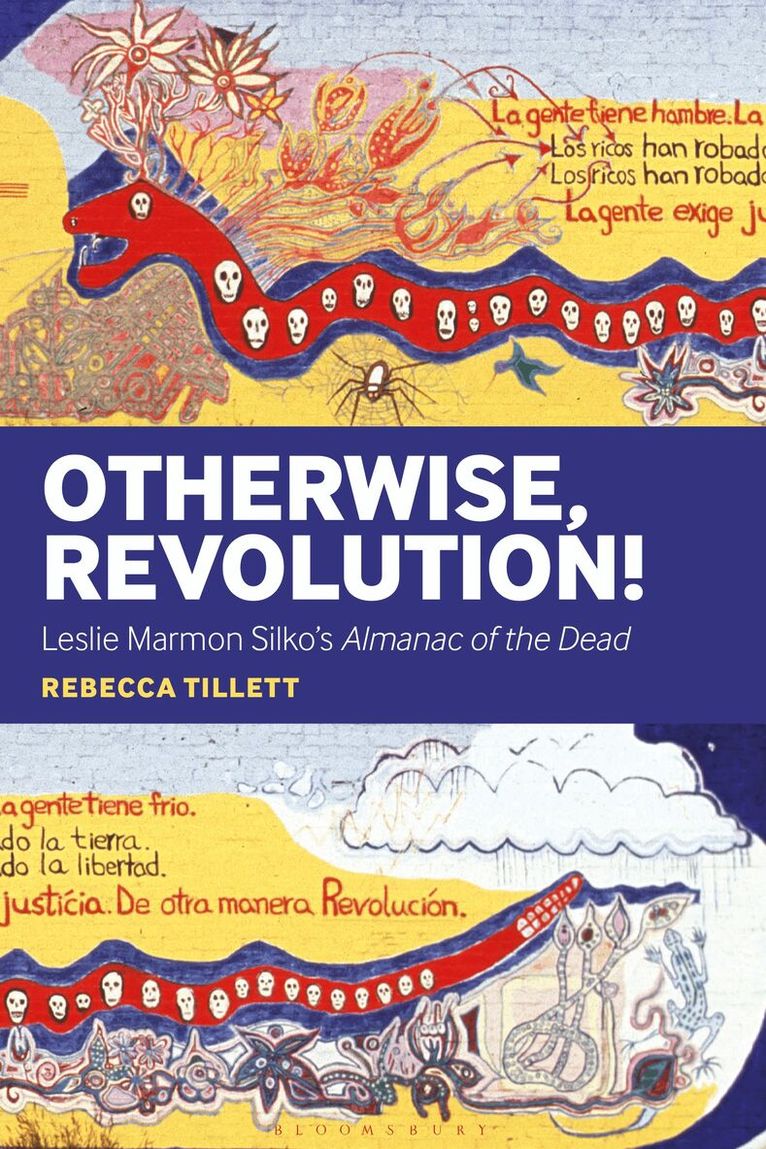
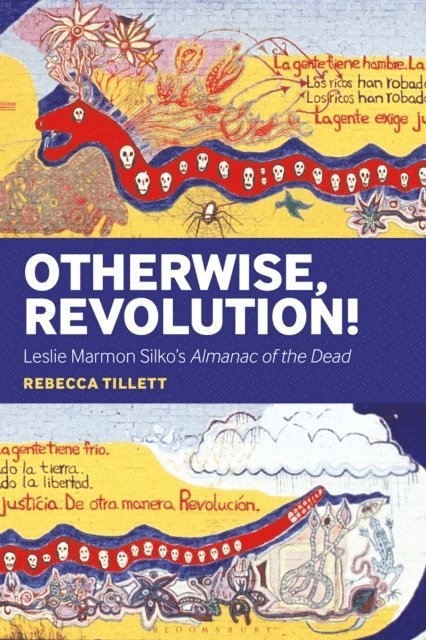
Leslie Marmon Silko’s 1991 novel Almanac of the Dead is a profound and challenging analysis of late capitalist society in America and more widely, and the ways in which powerful minority elites ensure that their power is never challenged nor shared, through the complicit discourses of imperialism, patriarchy, religion, medicine, science and technology. Almanac's exploration of multiple forms of dispossession and resistance is most fully embodied in the two Armies of Justice, who are devoted to overturning oppression in all forms and to the restoration of social and economic justice. Reading Almanac in the light of the global economic recession of 2008, this study assesses the ways in which Almanac's vision of oppressive capitalism continues to have absolute relevance. Perhaps most importantly, this study provides a groundbreaking reading of Almanac for the 21st century, comparing Silko’s activist armies with recent international popular social justice activism such as the Arab Spring, the international Occupy movement, and the Indigenous Idle No More movement.
2 108 kr
Skickas inom 10-15 vardagar
Leslie Marmon Silko’s 1991 novel Almanac of the Dead is a profound and challenging analysis of late capitalist society in America and more widely, and the ways in which powerful minority elites ensure that their power is never challenged nor shared, through the complicit discourses of imperialism, patriarchy, religion, medicine, science and technology. Almanac's exploration of multiple forms of dispossession and resistance is most fully embodied in the two Armies of Justice, who are devoted to overturning oppression in all forms and to the restoration of social and economic justice. Reading Almanac in the light of the global economic recession of 2008, this study assesses the ways in which Almanac's vision of oppressive capitalism continues to have absolute relevance. Perhaps most importantly, this study provides a groundbreaking reading of Almanac for the 21st century, comparing Silko’s activist armies with recent international popular social justice activism such as the Arab Spring, the international Occupy movement, and the Indigenous Idle No More movement.