Jacqueline Fear-Segal - Böcker
Visar alla böcker från författaren Jacqueline Fear-Segal. Handla med fri frakt och snabb leverans.
5 produkter
5 produkter
259 kr
Skickas inom 10-15 vardagar
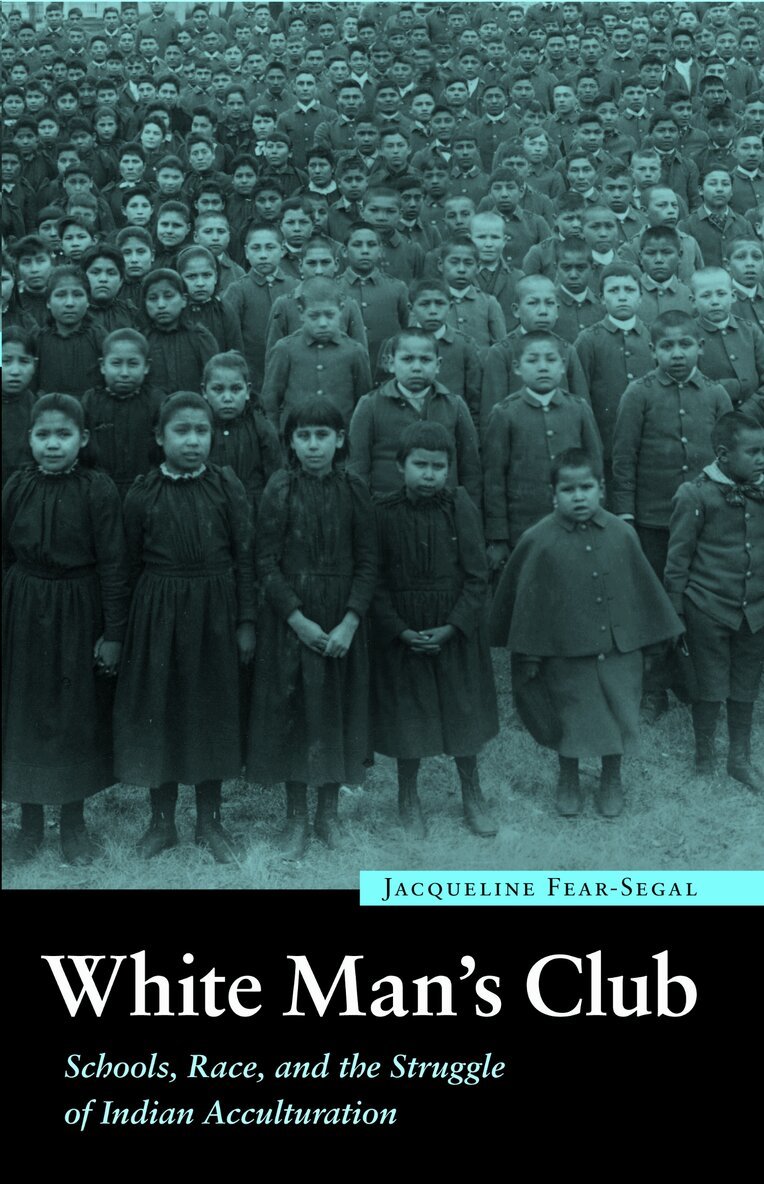
Tens of thousands of Indian children filed through the gates of government schools to be trained as United States citizens. Part of a late-nineteenth-century campaign to eradicate Native cultures and communities, these institutions became arenas where whites debated the terms of Indian citizenship, but also where Native peoples resisted the power of white schooling and claimed new skills to protect and redefine tribal and Indian identities. In White Man's Club, schools for Native children are examined within the broad framework of race relations in the United States for the first time. Jacqueline Fear-Segal analyzes multiple schools and their differing agendas and engages with the conflicting white discourses of race that underlay their pedagogies. She argues that federal schools established to Americanize Native children did not achieve their purpose; instead they progressively racialized American Indians. A far-reaching and bold account of the larger issues at stake, White Man's Club challenges previous studies for overemphasizing the reformers' overtly optimistic assessment of the Indians' capacity for assimilation and contends that a covertly racial agenda characterized this educational venture from the start. Asking the reader to consider the legacy of nineteenth-century acculturation policies, White Man's Club incorporates the life stories and voices of Native students and traces the schools' powerful impact into the twenty-first century. Fear-Segal draws upon a rich array of source material. Traditional archival research is interwoven with analysis of maps, drawings, photographs, the built environment, and supplemented by oral and family histories. Creative use of new theoretical and interpretive perspectives brings fresh insights to the subject matter.
Carlisle Indian Industrial School
Indigenous Histories, Memories, and Reclamations
Inbunden, Engelska, 2016
773 kr
Skickas inom 10-15 vardagar
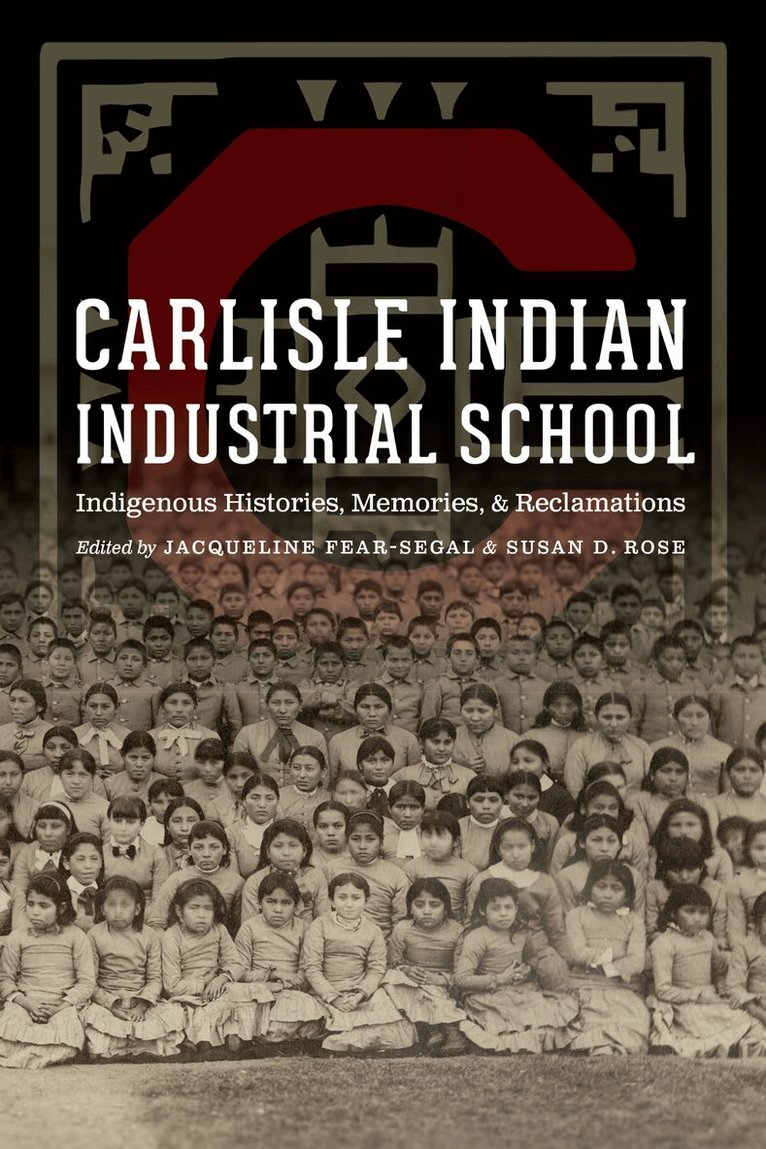
Carlisle Indian Industrial School offers varied perspectives on the school by interweaving the voices of students’ descendants, poets, and activists with cutting-edge research by Native and non-Native scholars. These contributions reveal the continuing impact and vitality of historical and collective memory, as well as the complex and enduring legacies of a school that still affects the lives of many Native Americans.The Carlisle Indian School (1879–1918) was an audacious educational experiment. Lieutenant Richard Henry Pratt, the school’s founder and first superintendent, persuaded the federal government that training Native children to accept the white man’s ways and values would be more efficient than fighting deadly battles. The result was that the last Indian war would be waged against Native children in the classroom.More than 8,500 children from virtually every Native nation in the United States were taken from their homes and transported to Pennsylvania. Carlisle provided a blueprint for the federal Indian school system that was established across the United States and also served as a model for many residential schools in Canada. The Carlisle experiment initiated patterns of dislocation and rupture far deeper and more profound and enduring than its founder and supporters ever grasped.
394 kr
Tillfälligt slut
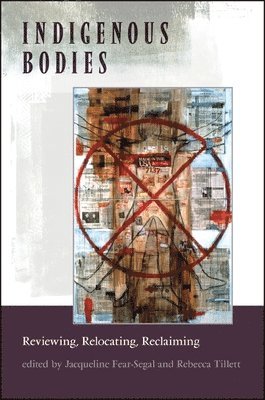
An interdisciplinary exploration of indigenous bodies.This interdisciplinary collection of essays, by both Natives and non-Natives, explores presentations and representations of indigenous bodies in historical and contemporary contexts. Recent decades have seen a wealth of scholarship on the body in a wide range of disciplines. Indigenous Bodies extends this scholarship in exciting new ways, bringing together the disciplinary expertise of Native studies scholars from around the world. The book is particularly concerned with the Native body as a site of persistent fascination, colonial oppression, and indigenous agency, along with the endurance of these legacies within Native communities. At the core of this collection lies a dual commitment to exposing numerous and diverse disempowerments of indigenous peoples, and to recognizing the many ways in which these same people retained and/or reclaimed agency. Issues of reviewing, relocating, and reclaiming bodies are examined in the chapters, which are paired to bring to light juxtapositions and connections and further the transnational development of indigenous studies.
1 088 kr
Tillfälligt slut
An interdisciplinary exploration of indigenous bodies.This interdisciplinary collection of essays, by both Natives and non-Natives, explores presentations and representations of indigenous bodies in historical and contemporary contexts. Recent decades have seen a wealth of scholarship on the body in a wide range of disciplines. Indigenous Bodies extends this scholarship in exciting new ways, bringing together the disciplinary expertise of Native studies scholars from around the world. The book is particularly concerned with the Native body as a site of persistent fascination, colonial oppression, and indigenous agency, along with the endurance of these legacies within Native communities. At the core of this collection lies a dual commitment to exposing numerous and diverse disempowerments of indigenous peoples, and to recognizing the many ways in which these same people retained and/or reclaimed agency. Issues of reviewing, relocating, and reclaiming bodies are examined in the chapters, which are paired to bring to light juxtapositions and connections and further the transnational development of indigenous studies.
Carlisle Indian Industrial School
Indigenous Histories, Memories, and Reclamations
Häftad, Engelska, 2018
431 kr
Skickas inom 10-15 vardagar
Carlisle Indian Industrial School offers varied perspectives on the school by interweaving the voices of students’ descendants, poets, and activists with cutting-edge research by Native and non-Native scholars. These contributions reveal the continuing impact and vitality of historical and collective memory, as well as the complex and enduring legacies of a school that still affects the lives of many Native Americans.The Carlisle Indian School (1879–1918) was an audacious educational experiment. Lieutenant Richard Henry Pratt, the school’s founder and first superintendent, persuaded the federal government that training Native children to accept the white man’s ways and values would be more efficient than fighting deadly battles. The result was that the last Indian war would be waged against Native children in the classroom.More than 8,500 children from virtually every Native nation in the United States were taken from their homes and transported to Pennsylvania. Carlisle provided a blueprint for the federal Indian school system that was established across the United States and also served as a model for many residential schools in Canada. The Carlisle experiment initiated patterns of dislocation and rupture far deeper and more profound and enduring than its founder and supporters ever grasped.