Regine May – författare
Visar alla böcker från författaren Regine May. Handla med fri frakt och snabb leverans.
15 produkter
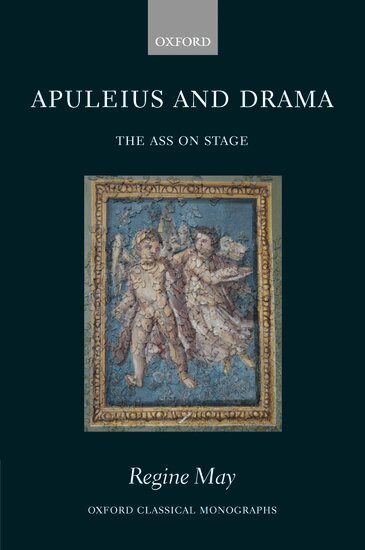
Apuleius and Drama
The Ass on Stage
Av Regine May
E-bok, 2006
1855 kr
Lägg i varukorg
Regine May discusses the use of drama as an intertext in the work of the 2nd century Latin author Apuleius, who wrote the only complete extant Latin novel, the Metamorphoses, in which a young man is turned into a donkey by magic. Apuleius uses drama, especially comedy, as a basic underlying …
Apuleius in European Literature
Cupid and Psyche since 1650
Av Regine May, Stephen Harrison
E-bok, 2024
1476 kr
Lägg i varukorg
The story of Cupid and Psyche is first known through the Latin novel Metamorphoses or The Golden Ass by the second-century AD writer Apuleius--one of the few Latin fictions from Roman antiquity to have survived in its entirety. Apuleius in European Literature: Cupid and Psyche since 1650 examines …
Apuleius in European Literature
Cupid and Psyche since 1650
Av Regine May, Stephen Harrison
E-bok, 2024
1476 kr
Lägg i varukorg
The story of Cupid and Psyche is first known through the Latin novel Metamorphoses or The Golden Ass by the second-century AD writer Apuleius--one of the few Latin fictions from Roman antiquity to have survived in its entirety. Apuleius in European Literature: Cupid and Psyche since 1650 examines …
Apuleius in European Literature
Cupid and Psyche since 1650
Av Stephen Harrison, Regine May
Inbunden, 2024
2186 kr
Lägg i varukorg
The story of Cupid and Psyche is first known through the Latin novel Metamorphoses or The Golden Ass by the second-century AD writer Apuleius--one of the few Latin fictions from Roman antiquity to have survived in its entirety. Apuleius in European Literature: Cupid and Psyche since 1650 examines …
Apuleius and Drama
The Ass on Stage
Av Regine May
Inbunden, 2006
3285 kr
Lägg i varukorg
Regine May discusses the use of drama as an intertext in the work of the 2nd century Latin author Apuleius, who wrote the only complete extant Latin novel, the Metamorphoses, in which a young man is turned into a donkey by magic. Apuleius uses drama, especially comedy, as a basic underlying …
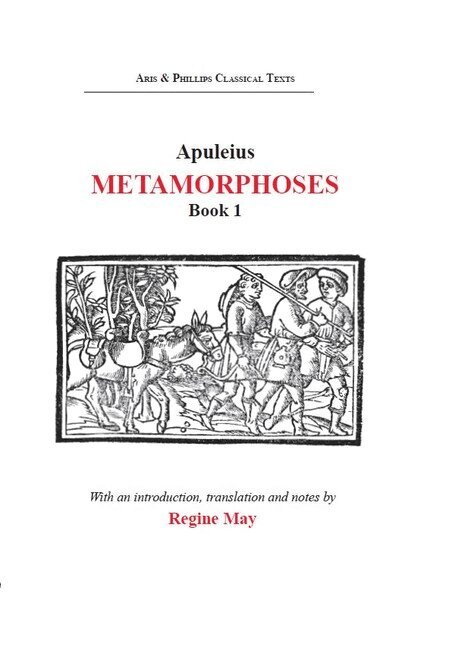
Apuleius: Metamorphoses Book I
Av May, Regine May
Inbunden, 2013
2373 kr
Lägg i varukorg
Apuleius' Metamorphoses or The Golden Ass, our only complete Latin novel, tells the story of Lucius, a young man turned into a donkey by magic because of his unfettered curiosity. After many adventures he is finally saved by the goddess Isis, whose follower he becomes. The famous first book of the …
Apuleius: Metamorphoses Book I
Av May, Regine May
Häftad, 2013
585 kr
Lägg i varukorg
Apuleius' Metamorphoses or The Golden Ass, our only complete Latin novel, tells the story of Lucius, a young man turned into a donkey by magic because of his unfettered curiosity. After many adventures he is finally saved by the goddess Isis, whose follower he becomes. The famous first book of the …
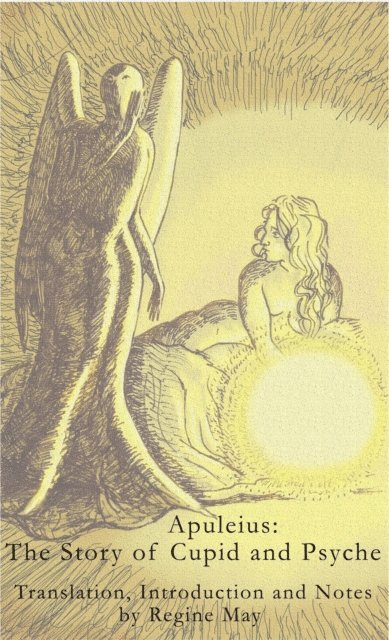
Apuleius
The Story of Cupid and Psyche
Av Regine May
E-bok, 2023
329 kr
Lägg i varukorg
The love story of Cupid and Psyche, the powerful god of love and a human girl, has fascinated readers for centuries, ever since it was written by the Roman author Apuleius in the second century AD. The enchanting story can be read as both the origin of many classic fairy tales like Beauty and the …
Cupid and Psyche
The Reception of Apuleius’ Love Story since 1600
Av Regine May, Stephen J. Harrison
Inbunden, 2020
2086 kr
Lägg i varukorg
No detailed description available for "Cupid and Psyche".
Cupid and Psyche
The Reception of Apuleius’ Love Story since 1600
Av Stephen J. Harrison, Regine May
E-bok, 2020
1983 kr
Lägg i varukorg
Apuleius’ tale of Cupid and Psyche has been popular since it was first written in the second century CE as part of his Latin novel Metamorphoses . Often treated as a standalone text, Cupid and Psyche has given rise to treatments in the last 400 years as diverse as plays, masques, operas, poems, …
Cupid and Psyche
The Reception of Apuleius’ Love Story since 1600
Av Stephen J. Harrison, Regine May
E-bok, 2020
1983 kr
Lägg i varukorg
Apuleius’ tale of Cupid and Psyche has been popular since it was first written in the second century CE as part of his Latin novel Metamorphoses . Often treated as a standalone text, Cupid and Psyche has given rise to treatments in the last 400 years as diverse as plays, masques, operas, poems, …
Cupid and Psyche
The Reception of Apuleius’ Love Story since 1600
Av Regine May, Stephen J. Harrison
Häftad, 2022
430 kr
Lägg i varukorg
Apuleius’ tale of Cupid and Psyche has been popular since it was first written in the second century CE as part of his Latin novel Metamorphoses. Often treated as a standalone text, Cupid and Psyche has given rise to treatments in the last 400 years as diverse as plays, masques, operas, poems, …
Latin Lineages
A Family Tree from Catullus to Today
Av Regine May, Catherine Conybeare
Inbunden, 2025
2126 kr
Lägg i varukorg
This book traces lineages of intertextuality and reception between Latin poets of the first century BC with prose authors of the second century BC and their later reception in English literature. The authors of each chapter explore how writers like Catullus or Vergil, Horace or Apuleius engage …