Reima Välimäki - Böcker
Visar alla böcker från författaren Reima Välimäki. Handla med fri frakt och snabb leverans.
4 produkter
4 produkter
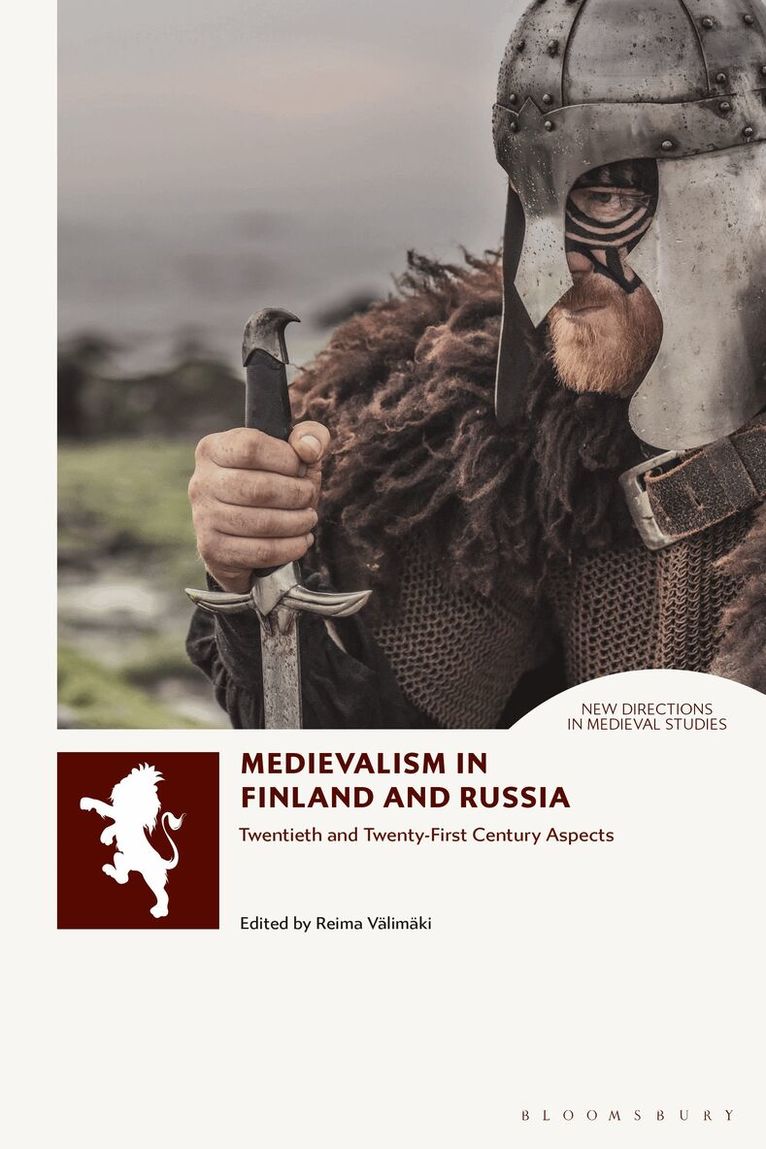
Medievalism in Finland and Russia
Twentieth- and Twenty-First Century Aspects
Inbunden, Engelska, 2022
1 245 kr
Skickas inom 10-15 vardagar
Since the end of the Cold War, the Middle Ages has returned to debates about history, culture, and politics in Northern and Eastern Europe. This volume explores political medievalism in two language areas that are crucial to understanding global medievalism but are, due to language barriers, often inaccessible to the majority of Western scholars and students. The importance of Russian medievalism has been acknowledged, but little analysed until now. Medievalism in Finland and Russia offers a selection of chapters by Russian, Finnish and American scholars covering historiography, presidential speeches, participatory online discussions and the neo-pagan revival in Russia. Finland is currently even more poorly understood than Russia in the discussions about global medievalism. It is usually mentioned only as of the birthplace of the Soldiers of Odin. The street patrol is, however, a marginal phenomenon in Finnish medievalism as this volume demonstrates. Instead of merely adopting the medievalist interpretation of the international alt-right, even the right-wing populists in Finland refer more to the nationalistic medievalist tradition, where crusades do not mark a Western Christian victory over the Muslim East, but a Swedish occupation of Finnish lands. In addition to presenting particular cases of medievalism, the chapters here on Finland challenge and diversify today’s prevailing interpretation of shared online medievalism of European and American right-wing populists. This book reveals that while medievalisms in Finland and Russia share many features with the contemporary Anglo-American medievalist imaginations, they also display many original characteristics due to particular political situations and indigenous medievalist traditions. They have their own meta-medievalisms, cumulative core ideas and interpretations about the medieval past that are thoroughly examined here in English for the very first time.
406 kr
Skickas inom 10-15 vardagar
Since the end of the Cold War, the Middle Ages has returned to debates about history, culture, and politics in Northern and Eastern Europe. This volume explores political medievalism in two language areas that are crucial to understanding global medievalism but are, due to language barriers, often inaccessible to the majority of Western scholars and students. The importance of Russian medievalism has been acknowledged, but little analysed until now. Medievalism in Finland and Russia offers a selection of chapters by Russian, Finnish and American scholars covering historiography, presidential speeches, participatory online discussions and the neo-pagan revival in Russia. Finland is currently even more poorly understood than Russia in the discussions about global medievalism. It is usually mentioned only as of the birthplace of the Soldiers of Odin. The street patrol is, however, a marginal phenomenon in Finnish medievalism as this volume demonstrates. Instead of merely adopting the medievalist interpretation of the international alt-right, even the right-wing populists in Finland refer more to the nationalistic medievalist tradition, where crusades do not mark a Western Christian victory over the Muslim East, but a Swedish occupation of Finnish lands. In addition to presenting particular cases of medievalism, the chapters here on Finland challenge and diversify today’s prevailing interpretation of shared online medievalism of European and American right-wing populists. This book reveals that while medievalisms in Finland and Russia share many features with the contemporary Anglo-American medievalist imaginations, they also display many original characteristics due to particular political situations and indigenous medievalist traditions. They have their own meta-medievalisms, cumulative core ideas and interpretations about the medieval past that are thoroughly examined here in English for the very first time.
Del 6 - Heresy and Inquisition in the Middle Ages
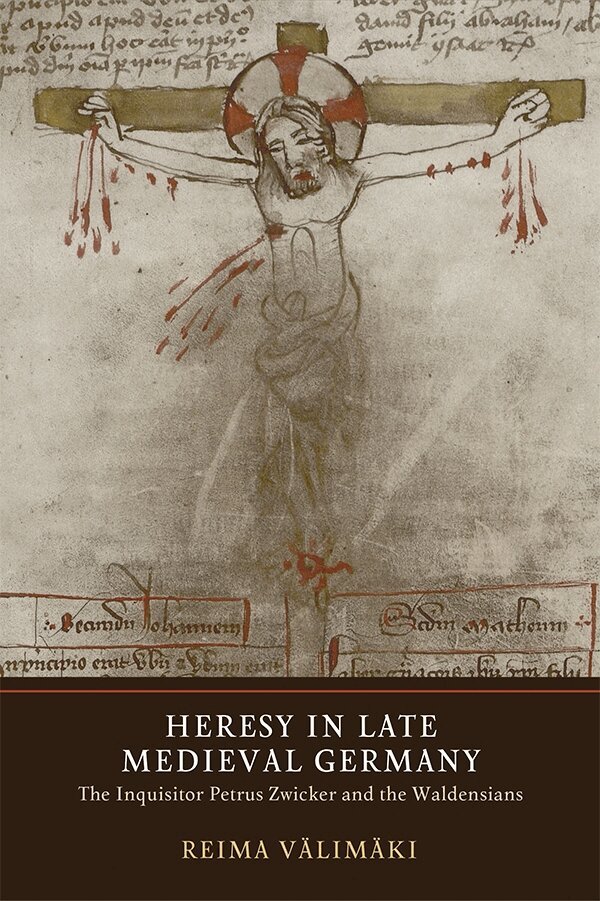
Heresy in Late Medieval Germany
The Inquisitor Petrus Zwicker and the Waldensians
Inbunden, Engelska, 2019
1 212 kr
Skickas inom 10-15 vardagar
First major survey of the German inquisitor Petrus Zwicker, one of the most significant figures in the repression of heresy.In the final years of the fourteenth century, waves of persecution shattered German-speaking Waldensian communities, with the scale of inquisitions matching or even greater than the better-known trials in southern France. In the middle of the persecution was the influential and enigmatic figure of the Celestine provincial and inquisitor of heresy, Petrus Zwicker (d.after 1404).His surviving texts and inquisition protocols offer a fresh, intriguing picture of the medieval repression of heresy. Zwicker was an accurate and intelligent interrogator with direct access to the Waldensians' sources and knowledge. But although he is one of the most effective inquisitors of the MiddleAges, he was even more important as the author of anti-heretical texts. His Cum dormirent homines became a standard work on Waldensianism in the fifteenth century (and this study attributes another anti-heretical treatise,the Refutatio errorum, to him). With his unique biblicist and pastoral style, Zwicker struck the right note at a moment when the Church was in crisis. His texts spread rapidly, they were preached to the people and translated into German, and helped to build the fear of heresy, anti-clericalism and disobedience in the years of the Great Western Schism. This book is the first full-length study on Zwicker and his significance to the history of heresy and its repression. It offers a meticulous analysis of the sources left by him and teases out new, ground-breaking discoveries from careful examination of previously poorly known manuscripts.Dr REIMA VALIMAKI isa postdoctoral research fellow at the Department of Cultural History, University of Turku
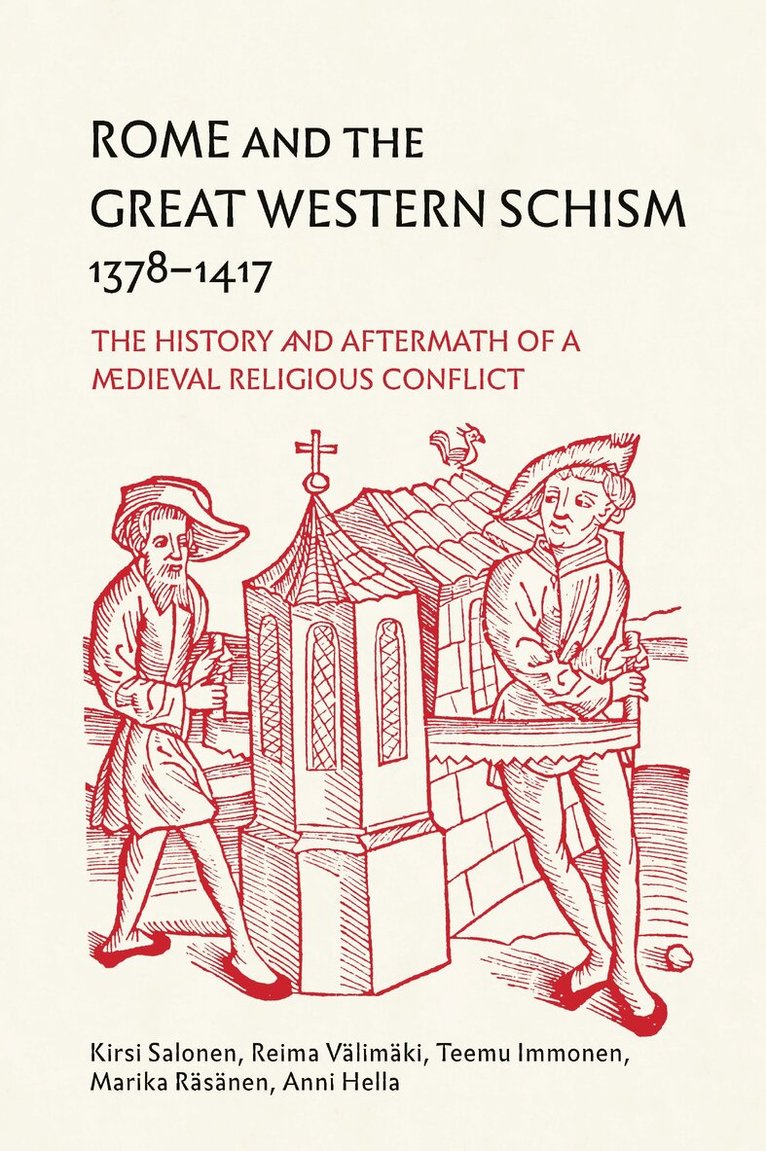
Rome and the Great Western Schism, 1378-1417
The History and Aftermath of a Medieval Religious Conflict
Inbunden, Engelska, 2026
1 886 kr
Kommande
The first comprehensive study of the Roman papacy during the Great Western Schism.The Great Western Schism (1378-1417) stands as one of the most profound ruptures in the history of the medieval Catholic Church, a crisis that fractured Christendom. This book offers the first comprehensive study of the Roman papacy during this era, a perspective often neglected in existing scholarship. Bringing together political, administrative and religious history, it serves both as an introduction to the Schism and as a detailed study of papal governance in Rome. It explores how the Roman curia, monastic houses and ecclesiastical institutions navigated decades of uncertainty, and how lay devotion in the Eternal City adapted to prolonged turmoil.Challenging the notion that the Roman popes pursued a clear strategy, this book argues that their actions were shaped by pragmatic, often improvised responses to shifting political and ecclesiastical situations; but that despite these constraints, the Roman papal administration proved remarkably resilient in reconstituting itself after 1378, providing those who had remained loyal with opportunities to advance their ecclesiastical careers.