Renée Ater - Böcker
Visar alla böcker från författaren Renée Ater. Handla med fri frakt och snabb leverans.
3 produkter
3 produkter
700 kr
Skickas inom 7-10 vardagar
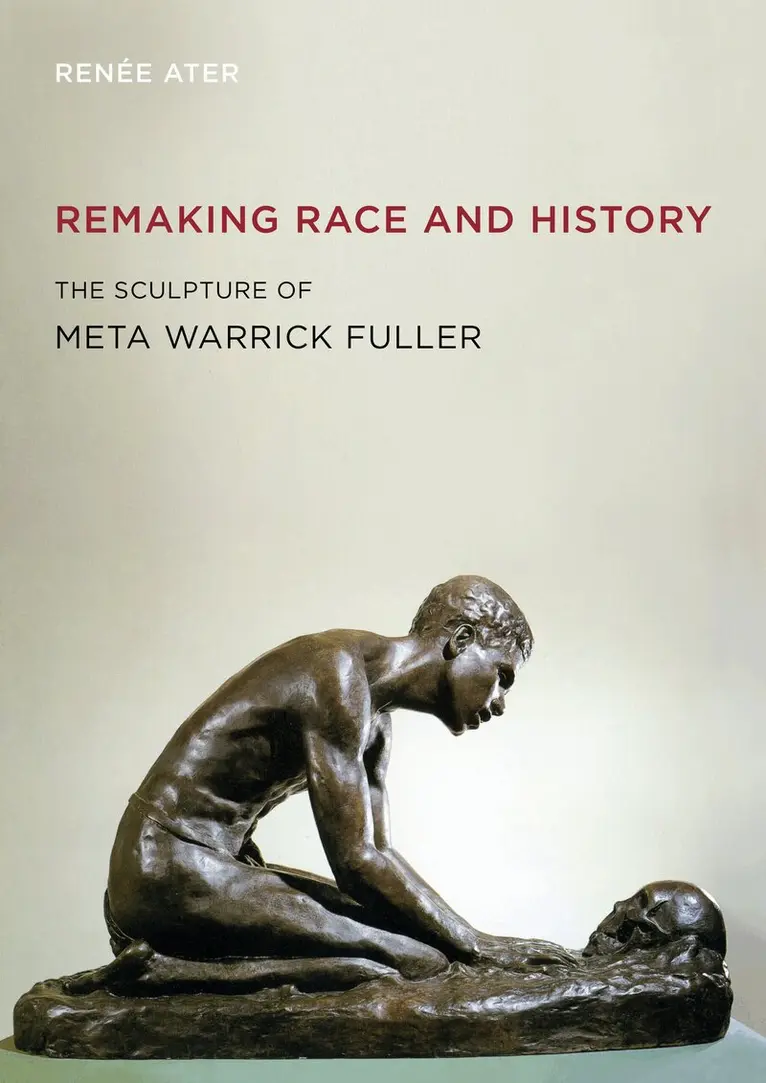
This beautifully written study focuses on the life and public sculpture of Meta Warrick Fuller (1877-1968), one of the early twentieth century's few African American women artists. To understand Fuller's strategy for negotiating race, history, and visual representation, Renee Ater examines the artist's contributions to three early twentieth-century expositions: the Warwick Tableaux, a set of dioramas for the Jamestown Tercentennial Exposition (1907); Emancipation, a freestanding group for the National Emancipation Exposition (1913); and Ethiopia, the figure of a single female for the America's Making Exposition (1921). Ater argues that Fuller's efforts to represent black identity in art provide a window on the Progressive Era and its heated debates about race, national identity, and culture.
292 kr
Skickas inom 7-10 vardagar
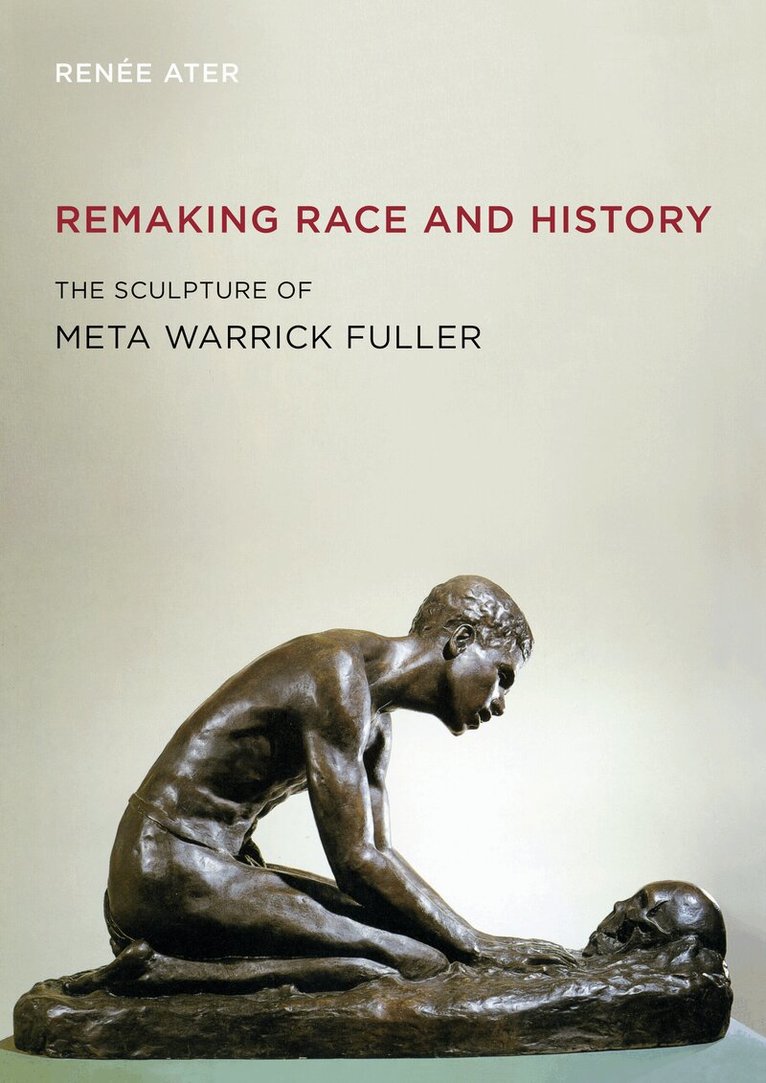
This beautifully written study focuses on the life and public sculpture of Meta Warrick Fuller (1877–1968), one of the early twentieth century’s few African American women artists. To understand Fuller’s strategy for negotiating race, history, and visual representation, Renée Ater examines the artist’s contributions to three early twentieth-century expositions: the Warwick Tableaux, a set of dioramas for the Jamestown Tercentennial Exposition (1907); Emancipation, a freestanding group for the National Emancipation Exposition (1913); and Ethiopia, the figure of a single female for the America’s Making Exposition (1921). Ater argues that Fuller’s efforts to represent black identity in art provide a window on the Progressive Era and its heated debates about race, national identity, and culture.
400 kr
Skickas inom 7-10 vardagar
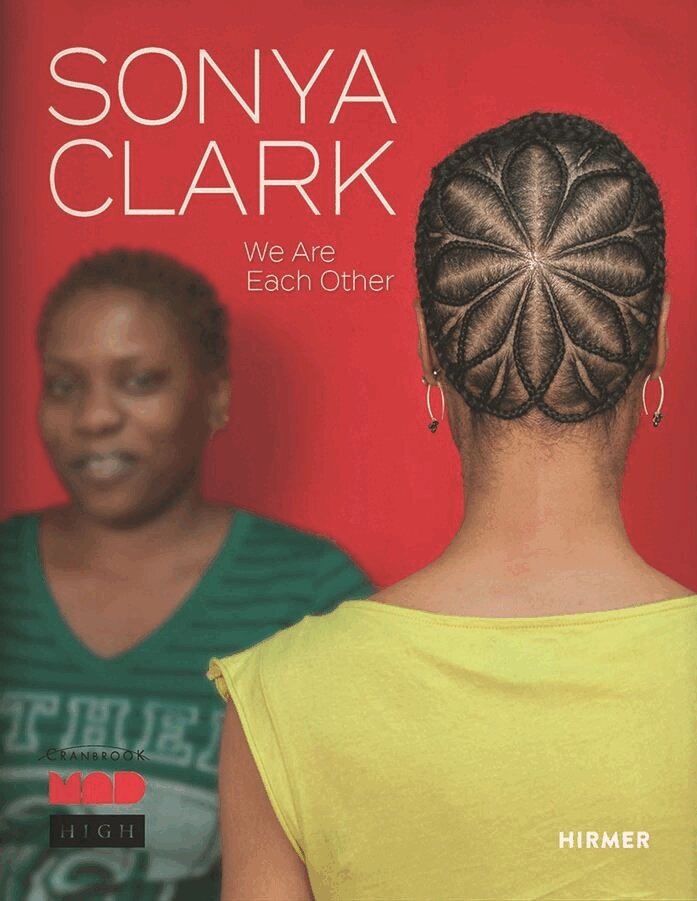
This is the first volume to document and contextualize Sonya Clark’s large-scale, collaborative artworks. These projects demonstrate Clark’s career-long commitment to addressing the urgent issue of racial inequality in American society and her philosophy of creatively engaging the viewer in reflection on the nation’s history of slavery and our roles in dismantling systemic racism today.As an extension of her abiding commitment to issues of history, race, and reconciliation in her work, Clark is also distinctive as an artist for her use of textiles and other everyday materials, which she aligns with the intertwined histories of art and craft. For marginalized people (African Americans and women, in particular) handwork has been essential to survival and consequently has functioned, and continues to function, as an important means of creating a group identity. Hence, for Clark, craft is essential to the question of equality.