
Retief Müller – författare
Visar alla böcker från författaren . Handla med fri frakt och snabb leverans.
6 produkter
6 produkter
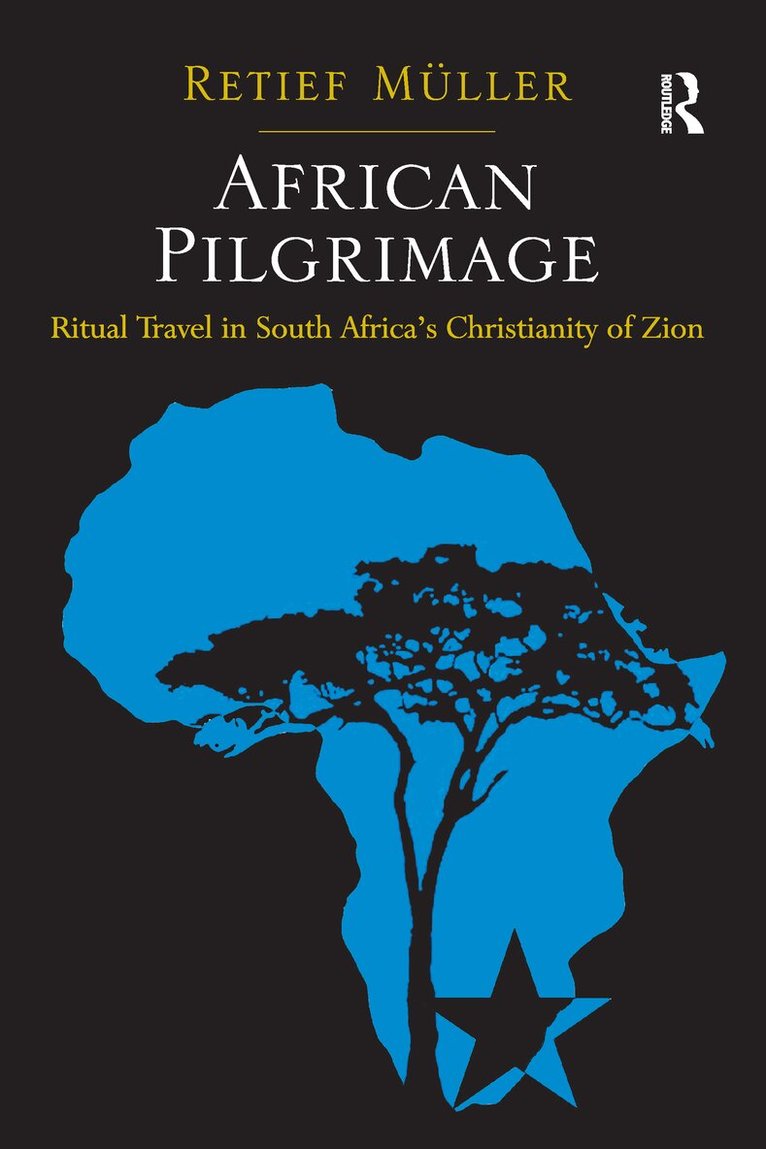
Häftad, Engelska, 2021
679 kr
Skickas inom 10-15 vardagar
Years after the end of Apartheid South Africa remains racially polarized and socially divided. In this context pilgrimage and travelling rituals serve to help those who often find themselves at the bottom end of the social ladder to make sense of their world. This book describes a South Africa that is made up of a number of different fragmented worlds. The focus is on the Zion Christian Church, one of the largest religious movements in southern Africa, and a good example of indigenized African Christianity. Pilgrimage plays an important role in reintegrating some of those fragmented worlds into something approaching wholeness. This book tells the story of how the enduring ritual of pilgrimage is transforming African religion, along with the lives of ordinary South Africans.
E-bok
Engelska, 2016807 kr
Läs direkt efter köp
Years after the end of Apartheid South Africa remains racially polarized and socially divided. In this context pilgrimage and travelling rituals serve to help those who often find themselves at the bottom end of the social ladder to make sense of their world. This book describes a South Africa that is made up of a number of different fragmented worlds. The focus is on the Zion Christian Church, one of the largest religious movements in southern Africa, and a good example of indigenized African Christianity. Pilgrimage plays an important role in reintegrating some of those fragmented worlds into something approaching wholeness. This book tells the story of how the enduring ritual of pilgrimage is transforming African religion, along with the lives of ordinary South Africans.
E-bok
PDF, Engelska, 2016805 kr
Läs direkt efter köp
Years after the end of Apartheid South Africa remains racially polarized and socially divided. In this context pilgrimage and travelling rituals serve to help those who often find themselves at the bottom end of the social ladder to make sense of their world. This book describes a South Africa that is made up of a number of different fragmented worlds. The focus is on the Zion Christian Church, one of the largest religious movements in southern Africa, and a good example of indigenized African Christianity. Pilgrimage plays an important role in reintegrating some of those fragmented worlds into something approaching wholeness. This book tells the story of how the enduring ritual of pilgrimage is transforming African religion, along with the lives of ordinary South Africans.
Inbunden, Engelska, 2011
3 361 kr
Skickas inom 5-8 vardagar
Years after the end of Apartheid South Africa remains racially polarized and socially divided. In this context pilgrimage and travelling rituals serve to help those who often find themselves at the bottom end of the social ladder to make sense of their world. This book describes a South Africa that is made up of a number of different fragmented worlds. The focus is on the Zion Christian Church, one of the largest religious movements in southern Africa, and a good example of indigenized African Christianity. Pilgrimage plays an important role in reintegrating some of those fragmented worlds into something approaching wholeness. This book tells the story of how the enduring ritual of pilgrimage is transforming African religion, along with the lives of ordinary South Africans.
Inbunden, Engelska, 2021
1 190 kr
Skickas
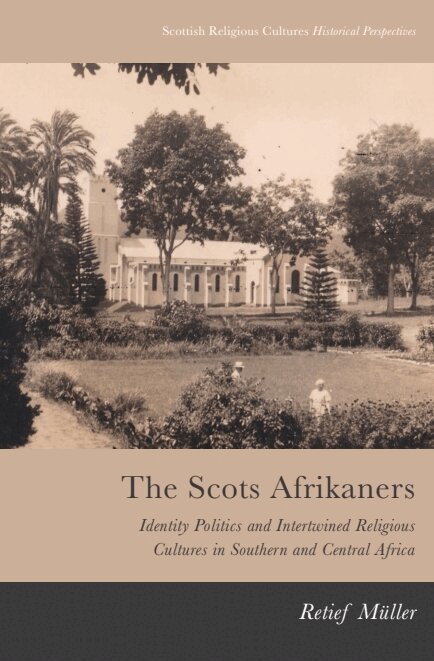
Revealing the impact of diasporic Scots on church and society in South Africa and beyondUtilising a large trove of primary source documents, this book presents a trans-generational narrative of the influence and role played by diasporic Scots and some of their descendants in the religious and political lives of Dutch/Afrikaner people in British colonial southern Africa. It demonstrates how this Scottish religious culture helped to develop a complicated counter-narrative to what would become the mainstream discourse of Afrikaner Christian nationalism in the early 20th century. Retief Muller provides new perspectives on the ways in which the historical changeover from British Imperial rule to apartheid South Africa was both contradicted and facilitated by the influence and legacies of Scottish religious emissaries, and considers the backlash to the Scots-Afrikaner tradition from the side of Afrikaner Christian nationalist opponents.
Häftad, Engelska, 2023
485 kr
Skickas inom 3-6 vardagar
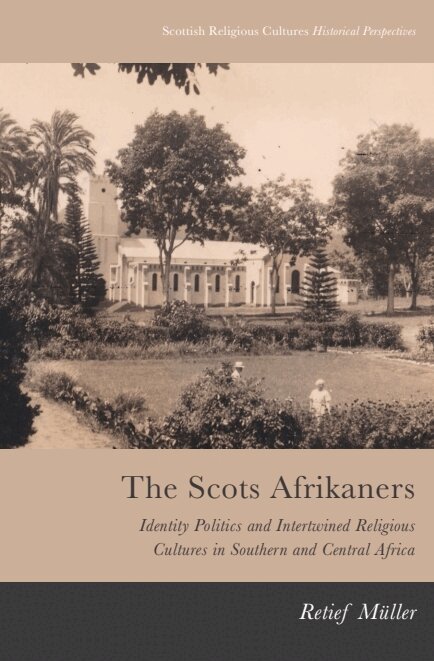
One of the International Bulletin of Mission Research's Ten Outstanding Books in Mission Studies, Intercultural Theology, and World Christianity for 2021 Reveals Scots influence on church and society in South Africa Contributes to academic discourse on the historical relationship between mission, empire and colonialismSheds light on the relationships between religion, nationalism, and ethnicityFocuses on Scottish Afrikaner entanglements and tensions over time to create an intermeshed historical narrative of two diverse culturesDrawing primarily on Dutch and Afrikaans archival sources including the Dutch Reformed Church Archive and private collections this book presents a trans-generational narrative of the influence and role played by diasporic Scots and their descendants in the religious and political lives of Dutch/ Afrikaner people in British colonial southern Africa. It demonstrates how this Scottish religious culture helped to develop a complicated counter-narrative to what would become the mainstream discourse of Afrikaner Christian nationalism in the early 20th century. The reader can expect new perspectives on the ways in which the historical changeover from British Imperial rule to apartheid South Africa was both contradicted, but also in often paradoxical ways facilitated, by the influence and legacies of Scottish religious emissaries.