Reto M. Hilty – författare
Visar alla böcker från författaren Reto M. Hilty. Handla med fri frakt och snabb leverans.
30 produkter
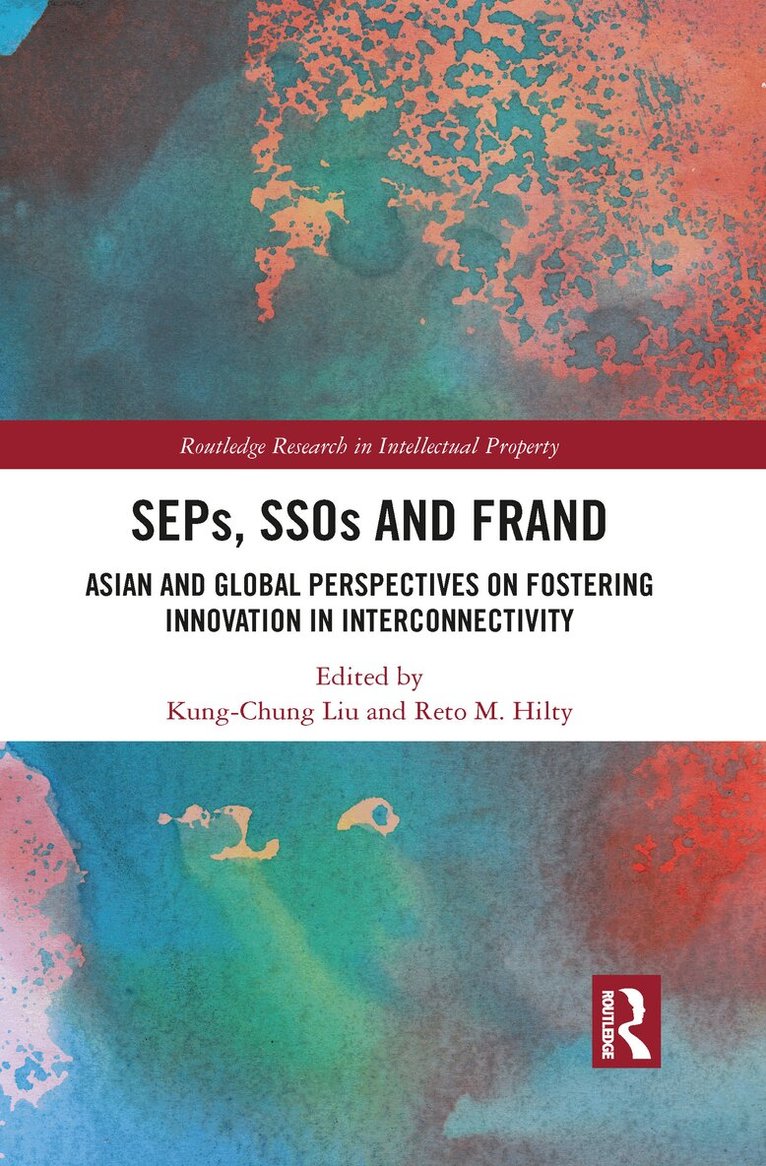
SEPs, SSOs and FRAND
Asian and Global Perspectives on Fostering Innovation in Interconnectivity
Av Kung-Chung Liu, Reto M. Hilty
Häftad, 2021
636 kr
Lägg i varukorg
This book is a very useful reference guide on how de jure and de facto standards are being developed and how these standards compete against each other. The book also looks at how FRAND commitments are being determined across countries, how these disputes have played out, especially in Asia, and …
SEPs, SSOs and FRAND
Asian and Global Perspectives on Fostering Innovation in Interconnectivity
Av Kung-Chung Liu, Reto M. Hilty
Inbunden, 2019
2523 kr
Lägg i varukorg
This book is a very useful reference guide on how de jure and de facto standards are being developed and how these standards compete against each other. The book also looks at how FRAND commitments are being determined across countries, how these disputes have played out, especially in Asia, and …
SEPs, SSOs and FRAND
Asian and Global Perspectives on Fostering Innovation in Interconnectivity
Av Reto M. Hilty, Kung-Chung Liu
E-bok, 2019
733 kr
Lägg i varukorg
This book is a very useful reference guide on how de jure and de facto standards are being developed and how these standards compete against each other. The book also looks at how FRAND commitments are being determined across countries, how these disputes have played out, especially in Asia, and …
SEPs, SSOs and FRAND
Asian and Global Perspectives on Fostering Innovation in Interconnectivity
Av Reto M. Hilty, Kung-Chung Liu
E-bok, 2019
749 kr
Lägg i varukorg
This book is a very useful reference guide on how de jure and de facto standards are being developed and how these standards compete against each other. The book also looks at how FRAND commitments are being determined across countries, how these disputes have played out, especially in Asia, and …
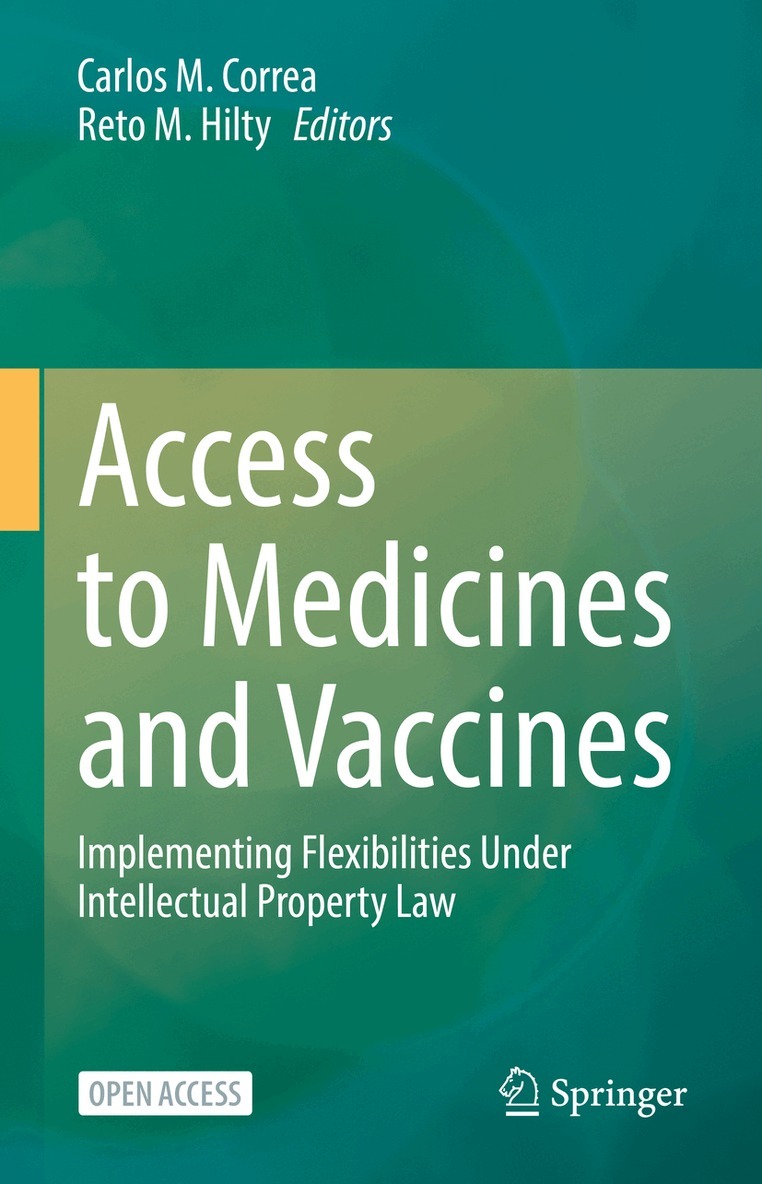
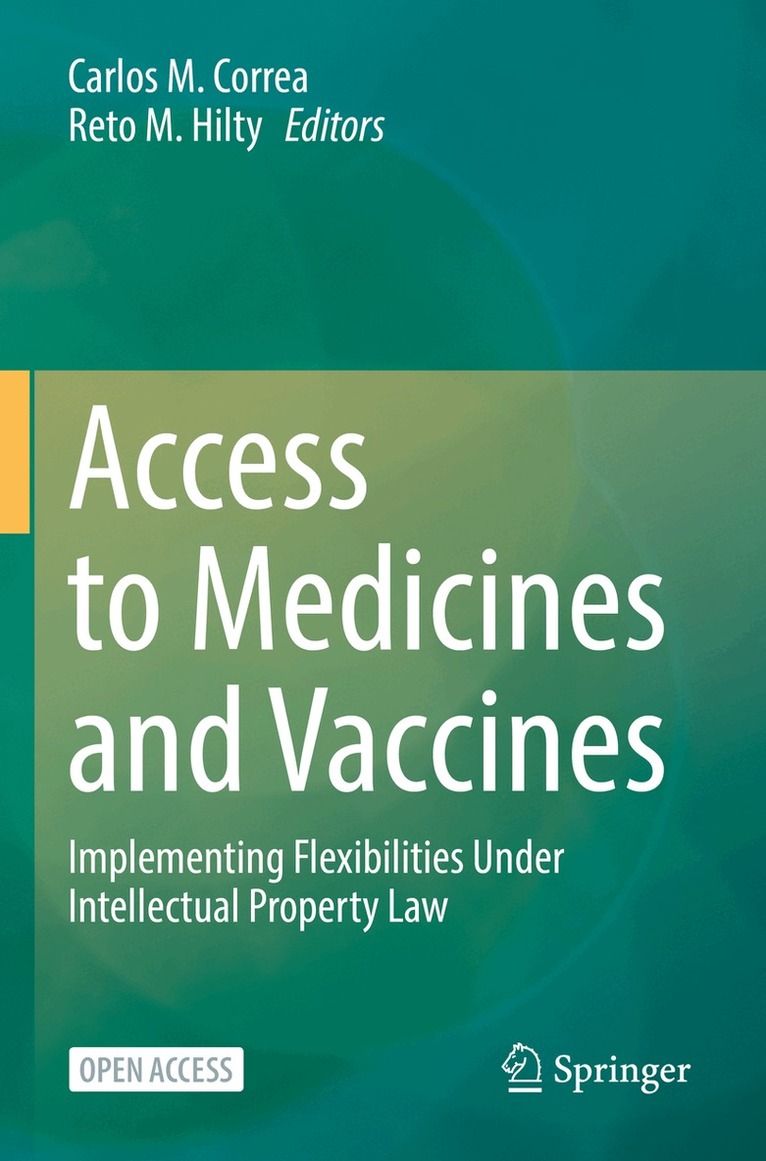
Access to Medicines and Vaccines
Implementing Flexibilities Under Intellectual Property Law
Av Carlos M. Correa, Reto M. Hilty
Inbunden, 2021
506 kr
Lägg i varukorg
This open access book is the outcome of a Global Forum on Innovation, Intellectual Property and Access to Medicines held in December 2019 at the Max Plank Instititute in Munich, organised by the South Centre and the Max Plank Institute. The academics and experts from international organisations …
Access to Medicines and Vaccines
Implementing Flexibilities Under Intellectual Property Law
Av Carlos M. Correa, Reto M. Hilty
Häftad, 2021
406 kr
Lägg i varukorg
This open access book is the outcome of a Global Forum on Innovation, Intellectual Property and Access to Medicines held in December 2019 at the Max Plank Instititute in Munich, organised by the South Centre and the Max Plank Institute. The academics and experts from international organisations …
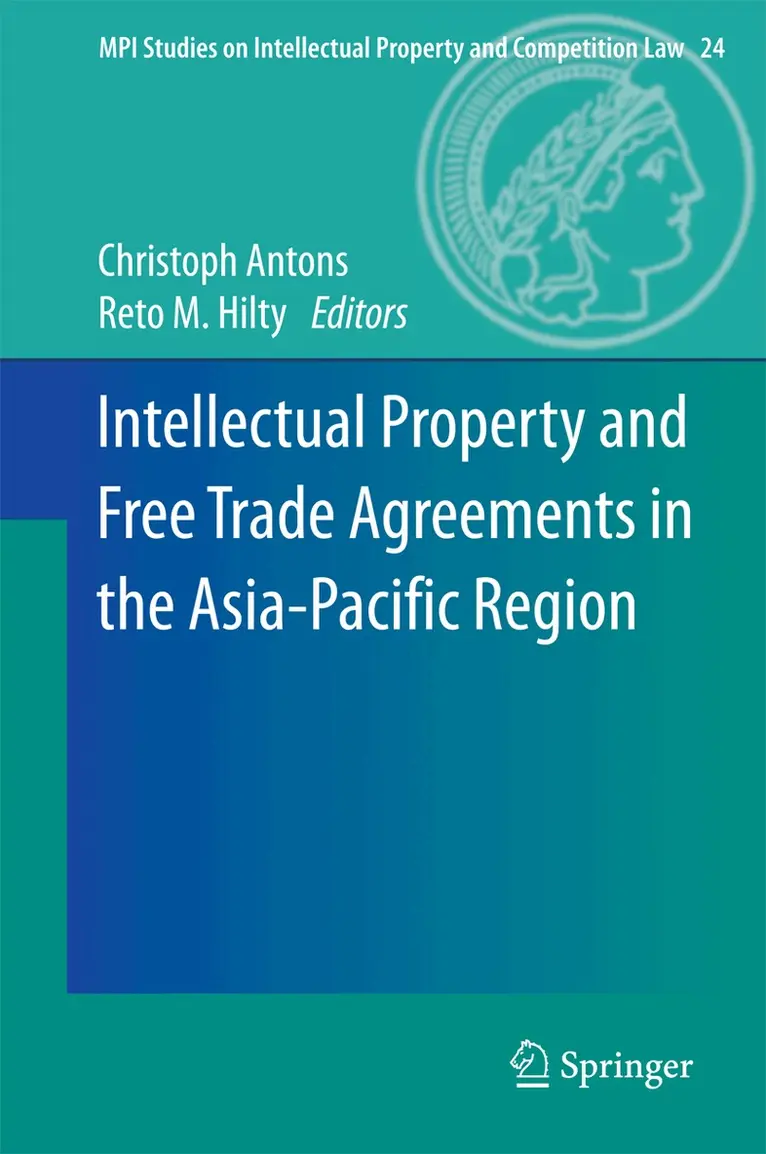
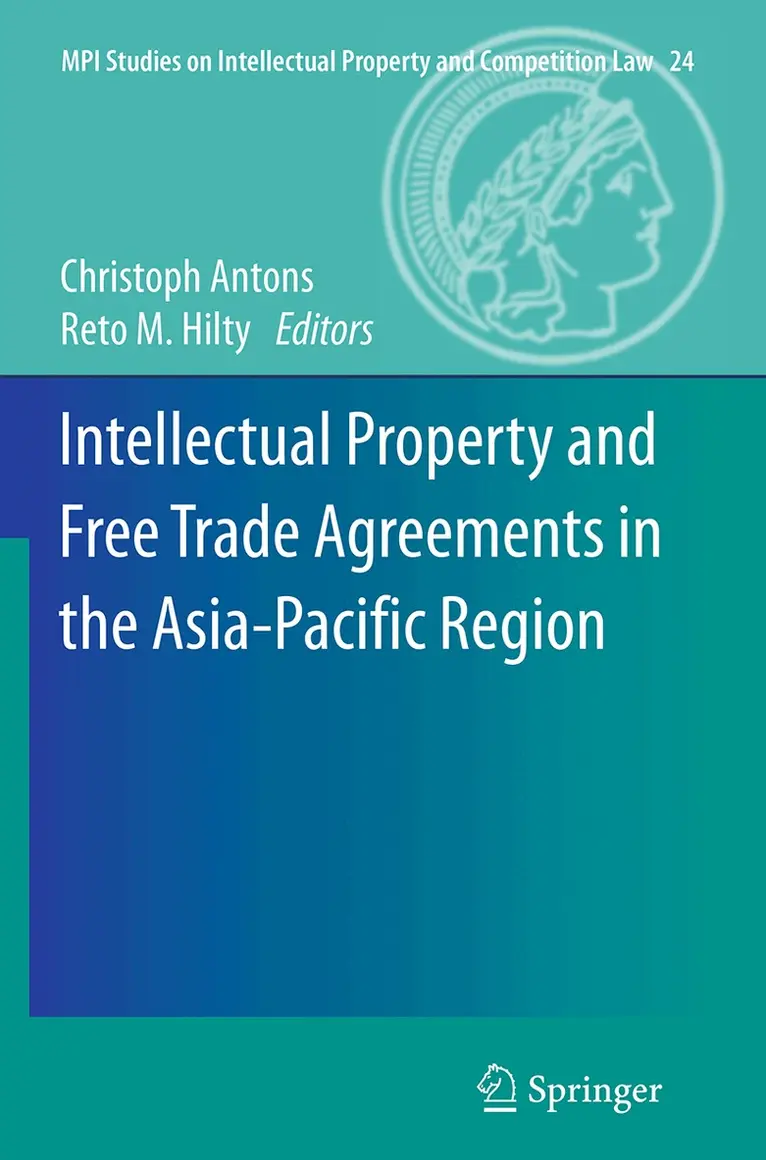
Intellectual Property and Free Trade Agreements in the Asia-Pacific Region
Av Christoph Antons, Reto M. Hilty
Inbunden, 2014
1006 kr
Lägg i varukorg
This book is highly topical. The shift from the multilateral WTO negotiations to bilateral and regional Free Trade Agreements has been going on for some time, but it is bound to accelerate after the WTO Doha round of negotiations is now widely regarded as a failure. However, there is a particular …
Intellectual Property and Free Trade Agreements in the Asia-Pacific Region
Av Reto M. Hilty, Christoph Antons
E-bok, 2014
1342 kr
Lägg i varukorg
This book is highly topical. The shift from the multilateral WTO negotiations to bilateral and regional Free Trade Agreements has been going on for some time, but it is bound to accelerate after the WTO Doha round of negotiations is now widely regarded as a failure. However, there is a particular …
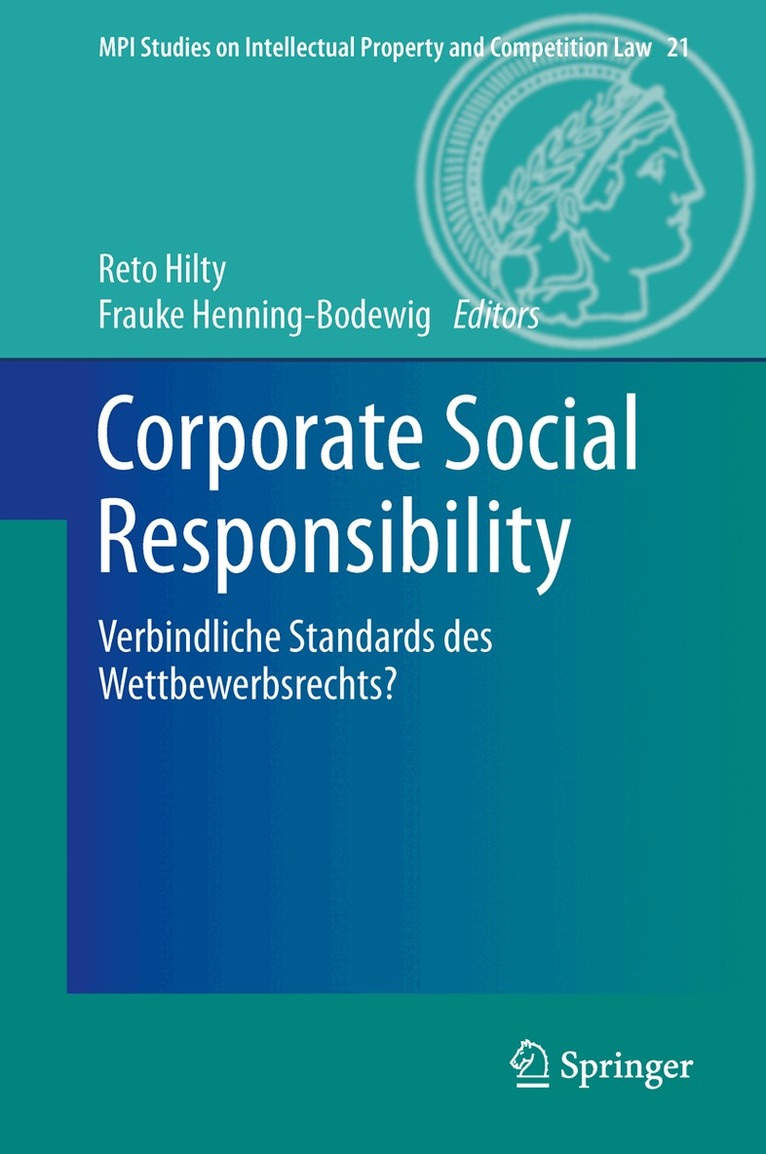
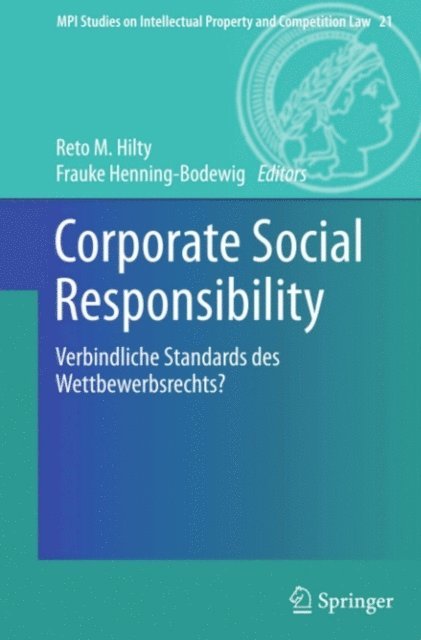
Corporate Social Responsibility
Verbindliche Standards des Wettbewerbsrechts?
Av Reto M. Hilty, Frauke Henning-Bodewig
Inbunden, 2014
1123 kr
Lägg i varukorg
Im Zuge der Finanz- und Wirtschaftskrise wird verstärkt diskutiert, welcher Mechanismen es bedarf, um die Interessen aller Marktteilnehmer im Wirtschaftsleben zu wahren. Große Bedeutung gewonnen hat dabei der Aspekt der „business ethics“. So richten immer mehr Unternehmen sog. …
Corporate Social Responsibility
Verbindliche Standards des Wettbewerbsrechts?
Av Frauke Henning-Bodewig, Reto M. Hilty
E-bok, 2014
815 kr
Lägg i varukorg
Im Zuge der Finanz- und Wirtschaftskrise wird verstärkt diskutiert, welcher Mechanismen es bedarf, um die Interessen aller Marktteilnehmer im Wirtschaftsleben zu wahren. Große Bedeutung gewonnen hat dabei der Aspekt der „business ethics“ . So richten immer mehr Unternehmen sog. …
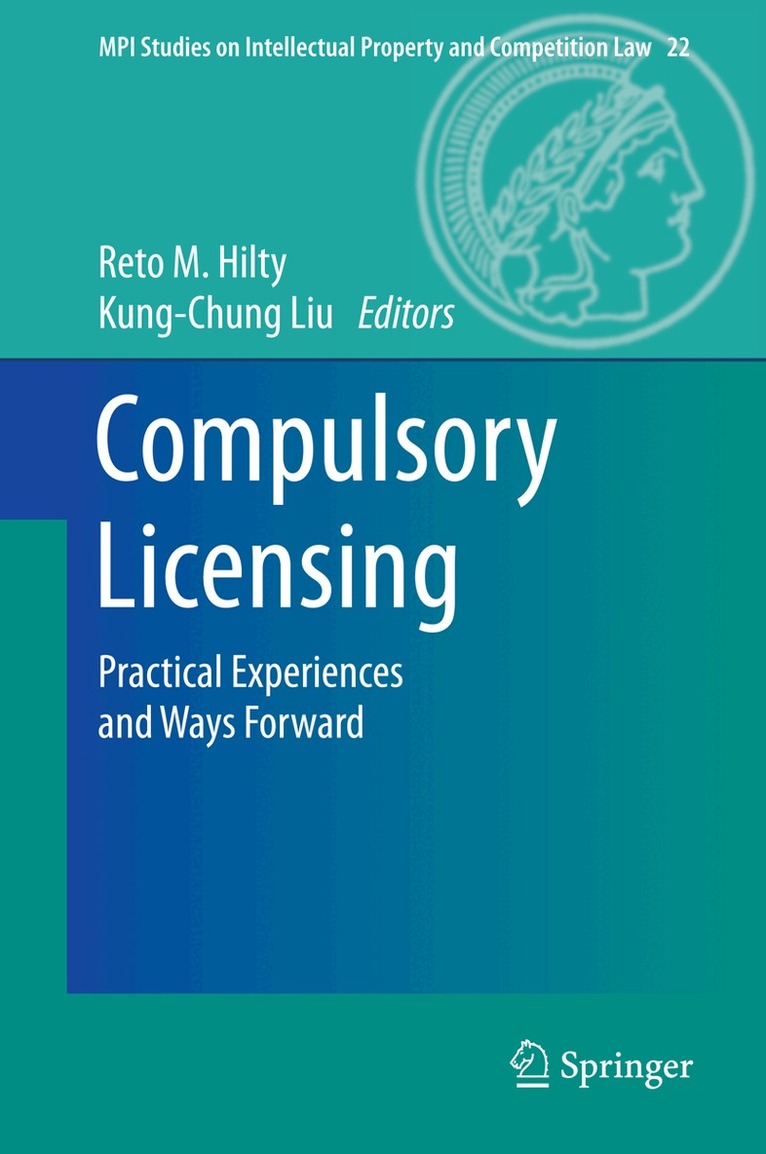
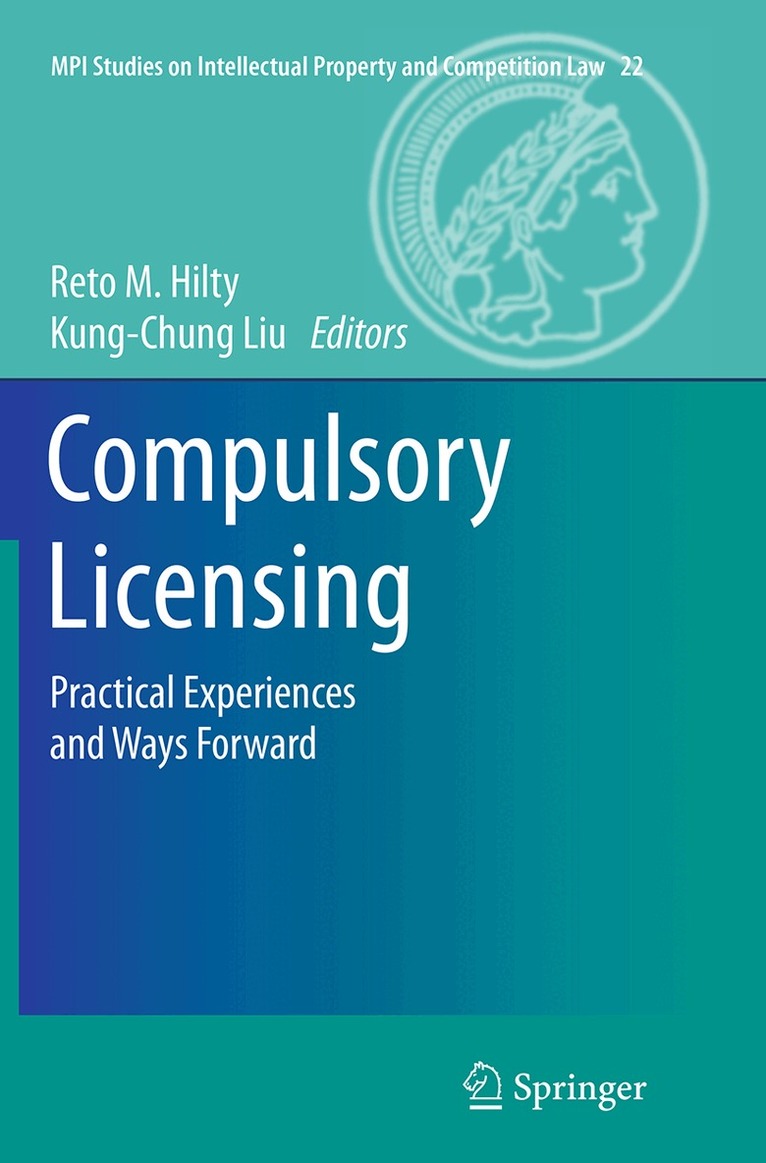
Compulsory Licensing
Practical Experiences and Ways Forward
Av Reto M. Hilty, Kung-Chung Liu
Inbunden, 2014
1006 kr
Lägg i varukorg
Under the auspices of the Max Planck Institute for Intellectual Property and Competition Law (now the Max Planck Institute for Innovation and Competition). And Institutum Iurisprudentiae, Academia Sinica, a group of twenty scholars from around the world gathered to study the experiences made with …
Compulsory Licensing
Practical Experiences and Ways Forward
Av Kung-Chung Liu, Reto M. Hilty
E-bok, 2014
1313 kr
Lägg i varukorg
Under the auspices of the Max Planck Institute for Intellectual Property and Competition Law (now the Max Planck Institute for Innovation and Competition). And Institutum Iurisprudentiae, Academia Sinica, a group of twenty scholars from around the world gathered to study the experiences made with …
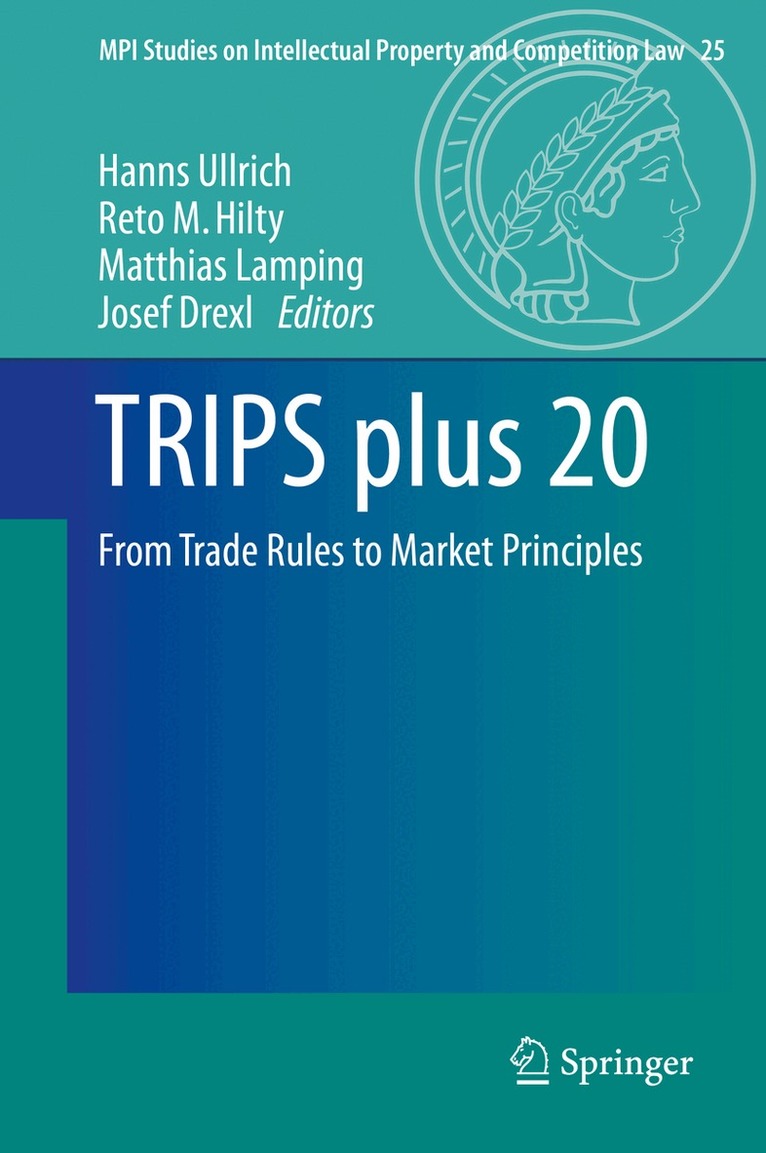
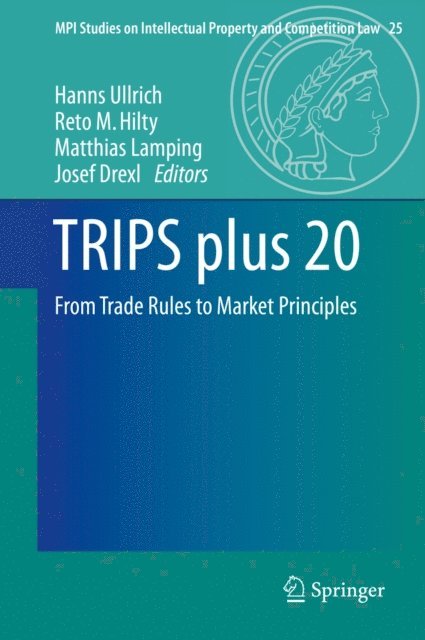
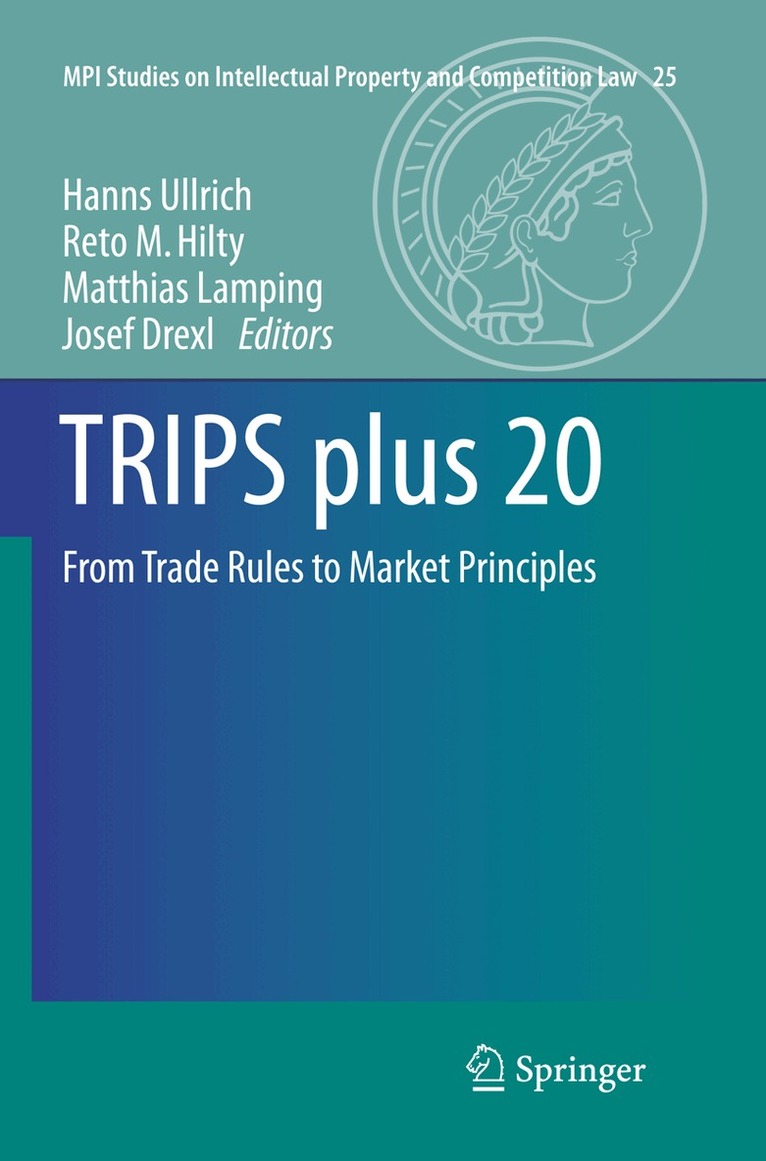
TRIPS plus 20
From Trade Rules to Market Principles
Av Hanns Ullrich, Reto M. Hilty m. fl.
Inbunden, 2016
3004 kr
Lägg i varukorg
This book examines the impact and shortcomings of the TRIPS Agreement, which was signed in Marrakesh on 15 April 1994. Over the last 20 years, the framework conditions have changed fundamentally. New technologies have emerged, markets have expanded beyond national borders, some developing states …
TRIPS plus 20
From Trade Rules to Market Principles
Av Josef Drexl, Matthias Lamping m. fl.
E-bok, 2016
3741 kr
Lägg i varukorg
This book examines the impact and shortcomings of the TRIPS Agreement, which was signed in Marrakesh on 15 April 1994. Over the last 20 years, the framework conditions have changed fundamentally. New technologies have emerged, markets have expanded beyond national borders, some developing states …
Intellectual Property and Free Trade Agreements in the Asia-Pacific Region
Av Christoph Antons, Reto M. Hilty
Häftad, 2016
1006 kr
Lägg i varukorg
This book is highly topical. The shift from the multilateral WTO negotiations to bilateral and regional Free Trade Agreements has been going on for some time, but it is bound to accelerate after the WTO Doha round of negotiations is now widely regarded as a failure. However, there is a particular …
Compulsory Licensing
Practical Experiences and Ways Forward
Av Reto M. Hilty, Kung-Chung Liu
Häftad, 2016
1006 kr
Lägg i varukorg
Under the auspices of the Max Planck Institute for Intellectual Property and Competition Law (now the Max Planck Institute for Innovation and Competition). And Institutum Iurisprudentiae, Academia Sinica, a group of twenty scholars from around the world gathered to study the experiences made with …
Europäisches Immaterialgüterrecht
Funktionen und Perspektiven
Av Reto M. Hilty, Thomas Jaeger
Inbunden, 2018
1500 kr
Lägg i varukorg
Das Buch folgt der Ausgangsvermutung, dass die EU nach wie vor keine kohärente Immaterialgüterrechtspolitik verfolgt, sondern über punktuelle, meist anlassbezogene Maßnahmen agiert. Die Schutzrechte erfüllen die ihnen zugedachten Funktionen damit oft nicht. Vor allem entfalten sie nicht ihr volles …
Europäisches Immaterialgüterrecht
Funktionen und Perspektiven
Av Thomas Jaeger, Reto M. Hilty
E-bok, 2018
1687 kr
Lägg i varukorg
Das Buch folgt der Ausgangsvermutung, dass die EU nach wie vor keine kohärente Immaterialgüterrechtspolitik verfolgt, sondern über punktuelle, meist anlassbezogene Maßnahmen agiert. Die Schutzrechte erfüllen die ihnen zugedachten Funktionen damit oft nicht. Vor allem entfalten sie nicht ihr volles …
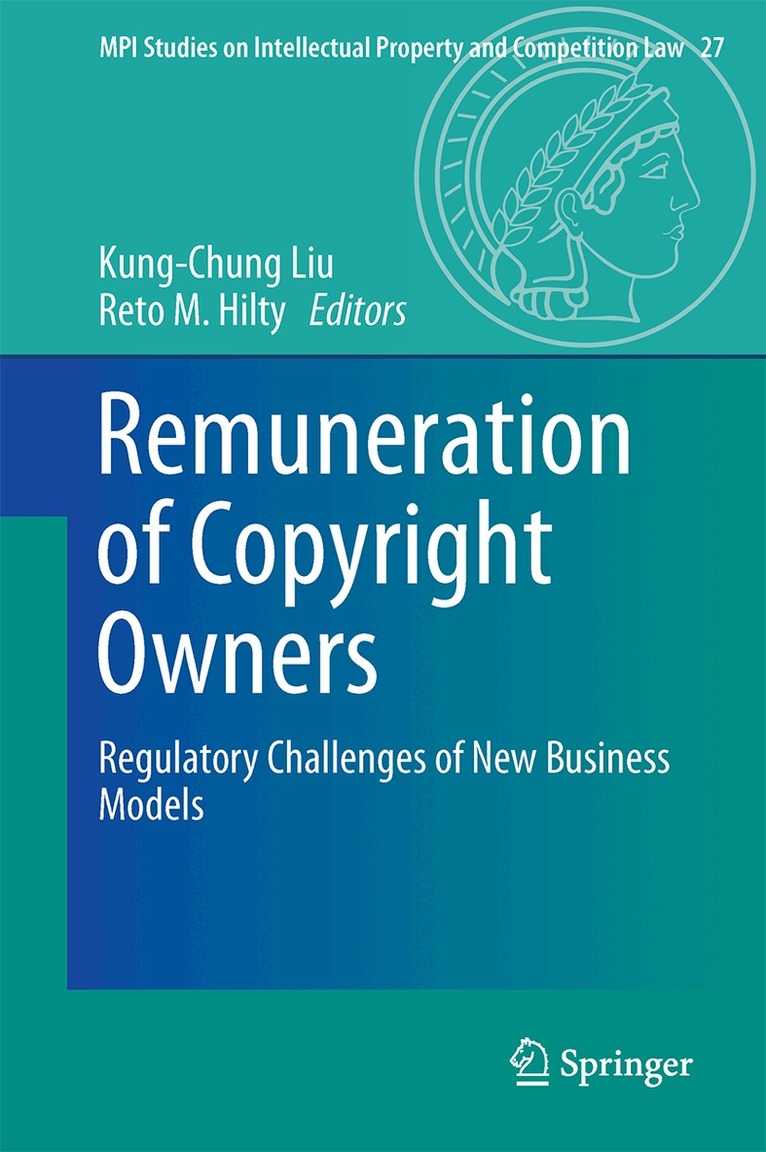
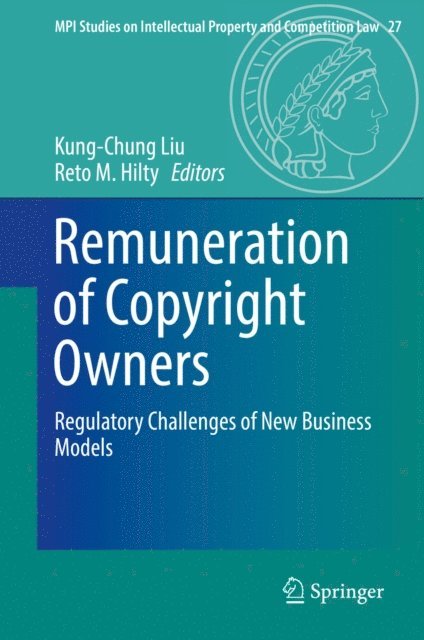
Remuneration of Copyright Owners
Regulatory Challenges of New Business Models
Av Kung-Chung Liu, Reto M. Hilty
Inbunden, 2017
1505 kr
Lägg i varukorg
This book evaluates existing and explores new mechanisms for the adequate payment of copyright owners for the use of their works. The underlying assumption is that adequate rewards to creators and subsequent right holders will continue to be a goal of copyright law (particularly to incentivize …
Remuneration of Copyright Owners
Regulatory Challenges of New Business Models
Av Reto M. Hilty, Kung-Chung Liu
E-bok, 2017
1492 kr
Lägg i varukorg
This book evaluates existing and explores new mechanisms for the adequate payment of copyright owners for the use of their works. The underlying assumption is that adequate rewards to creators and subsequent right holders will continue to be a goal of copyright law (particularly to incentivize …
TRIPS plus 20
From Trade Rules to Market Principles
Av Hanns Ullrich, Reto M. Hilty m. fl.
Häftad, 2018
3004 kr
Lägg i varukorg
This book examines the impact and shortcomings of the TRIPS Agreement, which was signed in Marrakesh on 15 April 1994. Over the last 20 years, the framework conditions have changed fundamentally. New technologies have emerged, markets have expanded beyond national borders, some developing states …
Remuneration of Copyright Owners
Regulatory Challenges of New Business Models
Av Kung-Chung Liu, Reto M. Hilty
Häftad, 2018
1106 kr
Lägg i varukorg
This book evaluates existing and explores new mechanisms for the adequate payment of copyright owners for the use of their works. The underlying assumption is that adequate rewards to creators and subsequent right holders will continue to be a goal of copyright law (particularly to incentivize …
Lizenzkartellrecht
Schweizer Recht. gespiegelt am US-amerikanischen und europäischen Recht
E-bok, 2017
1406 kr
Lägg i varukorg
Die Wirkungen des Lizenzvertrags im Wettbewerb sind ambivalent: Einerseits wird das Potenzial zur Marktbeherrschung, die schon vom Vertragsgegenstand – von rechtlich oder faktisch geschützten Immaterialgüterrechten – ausgehen kann, durch Parteiabsprachen zusätzlich gesteigert. Andererseits werden …
Urheberrecht
E-bok, 2020
1230 kr
Lägg i varukorg
Das Urheberrecht – lange Zeit ein Randgebiet für Juristen – hat in jüngerer Zeit wirtschaftlich und gesellschaftlich massiv an Bedeutung gewonnen. Neue technische Möglichkeiten und Geschäftsmodelle werfen immer komplexere Rechtsfragen auf. Auf EU-Ebene hat sich die das Urheberrecht betreffende …
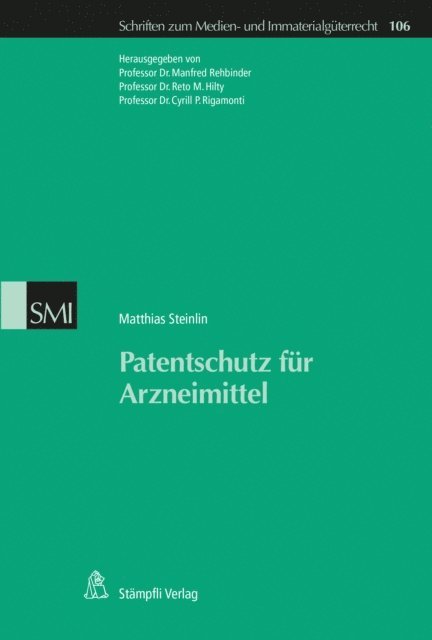
Patentschutz für Arzneimittel
Av Matthias Steinlin, Cyrill P. Rigamonti m. fl.
E-bok, 2020
1054 kr
Lägg i varukorg
In welchen Konstellationen darf ein Arzt oder Apotheker lediglich das Originalpräparat und nicht auch ein Generikum benutzen, damit kein Patent verletzt wird? Dies ist eine äusserst praxisrelevante Frage. In der vorliegenden Arbeit wird – unter anderem zur Beantwortung dieser Frage – analysiert, …
Das Freihaltebedürfnis im schweizerischen Markenrecht
Av Andrea Schaffler, Cyrill P. Rigamonti m. fl.
E-bok, 2020
1090 kr
Lägg i varukorg
"WingTsun" und "Rapunzel" – die Gemeinsamkeit dieser Zeichen ist nicht offensichtlich, liegt jedoch im Freihaltebedürfnis, das beiden als Begründung im Rahmen des Ausschlussgrunds des Gemeinguts zugrunde gelegt wird. Es ist heute die weitverbreitete Praxis, den Schutzausschluss von Zeichen des …
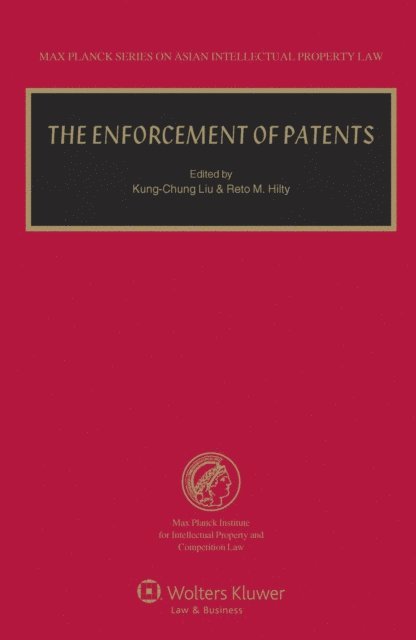
Enforcement of Patents
Av Reto M. Hilty, Kung-Chung Liu
E-bok, 2011
2944 kr
Lägg i varukorg
Obstructions to patent enforcement exist all over the world. Increasingly, unauthorized players use protected inventions to conduct their own commercial businesses. The question must be asked whether available law provides for sufficient disincentives against the infringement of granted rights. If …
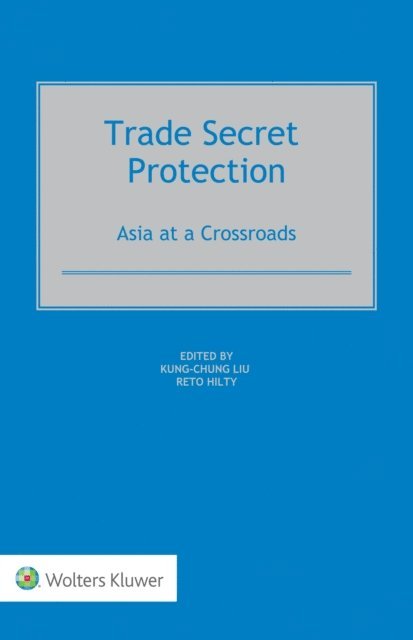
Trade Secret Protection
Asia at a Crossroads
Av Kung-Chung Liu, Reto M. Hilty
Inbunden, 2021
2543 kr
Lägg i varukorg
Trade Secret Protection
Asia at a Crossroads
Av Reto M. Hilty, Kung-Chung Liu
E-bok, 2021
2165 kr
Lägg i varukorg
In recent years, as companies implement strategies to protect their intellectual property in a competitive environment with rapidly developing technology, trade secret protection law has gained increasing importance. This is especially true in Asia, where the staggering commercial value of trade …
Trade Secret Protection
Asia at a Crossroads
Av Reto M. Hilty, Kung-Chung Liu
E-bok, 2021
2165 kr
Lägg i varukorg
In recent years, as companies implement strategies to protect their intellectual property in a competitive environment with rapidly developing technology, trade secret protection law has gained increasing importance. This is especially true in Asia, where the staggering commercial value of trade …