Richard A. Benton - Böcker
Visar alla böcker från författaren Richard A. Benton. Handla med fri frakt och snabb leverans.
3 produkter
3 produkter
677 kr
Skickas inom 10-15 vardagar
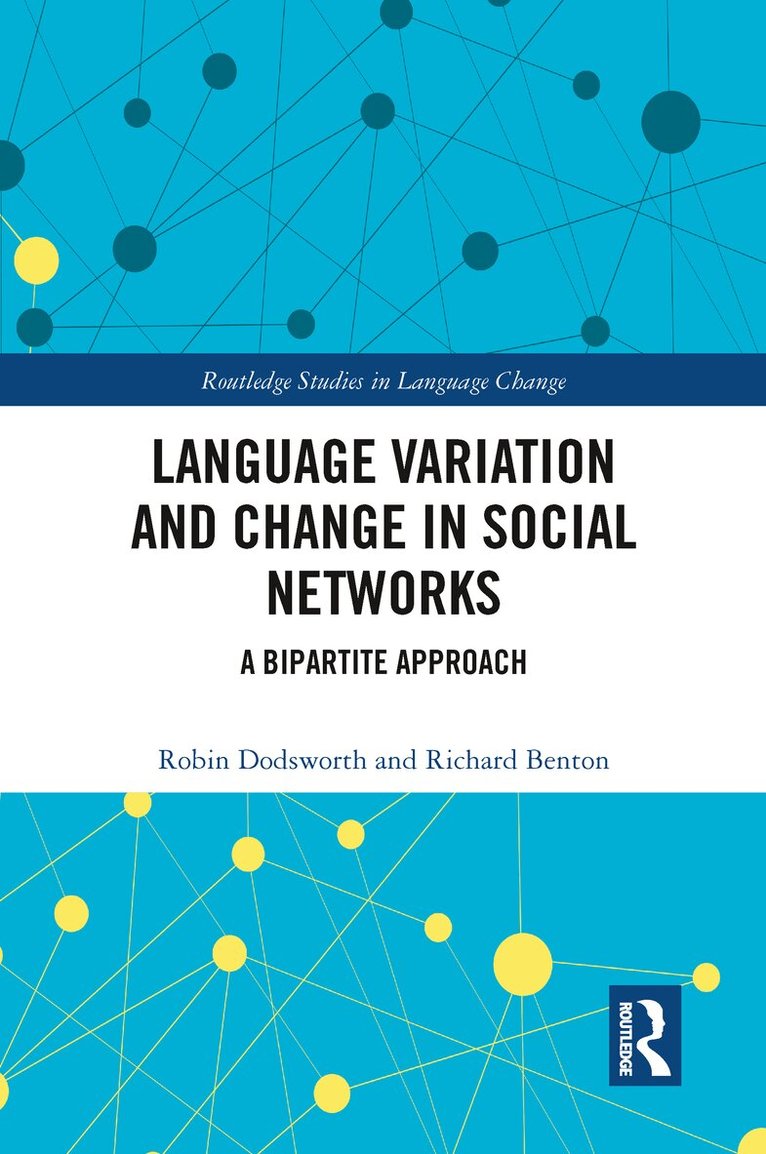
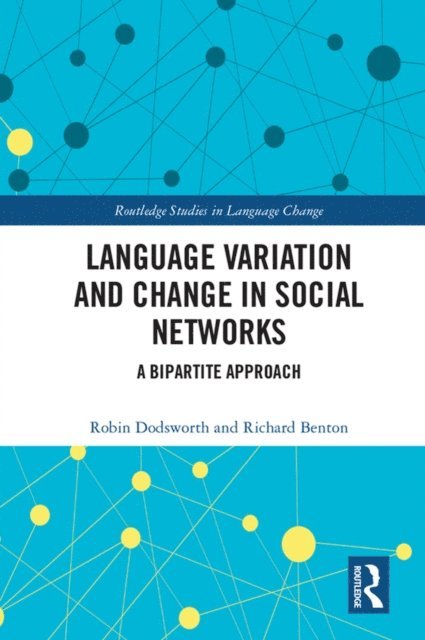
This monograph takes up recent advances in social network methods in sociology, together with data on economic segregation, in order to build a quantitative analysis of the class and network effects implicated in vowel change in a Southern American city.Studies of sociolinguistic variation in urban spaces have uncovered durable patterns of linguistic difference, such as the maintenance of blue collar/white collar distinctions in the case of stable linguistic variables. But the underlying interactional origins of these patterns, and the interactional reasons for their durability, are not well understood, due in part to the near-absence of large-scale network investigation. This book undertakes a sociolinguistic network analysis of data from the Raleigh corpus, a set of conversational interviews collected form natives of Raleigh, North Carolina, from 2008-2017. Acoustic analysis of the corpus shows the rapid, ongoing retreat from the Southern Vowel Shift and increasing participation in national vowel changes. The social distribution of these trends is explored via standard social factors such as occupation as well as innovative network variables, including a measure of nestedness in the community network. The book aims to pursue new network-based questions about sociolinguistic variation that can be applied to other corpora, making this key reading for students and researchers in sociolinguistics and historical linguistics as well as those interested in further understanding how existing quantitative network methods from sociological research might be applied to sociolinguistic data.
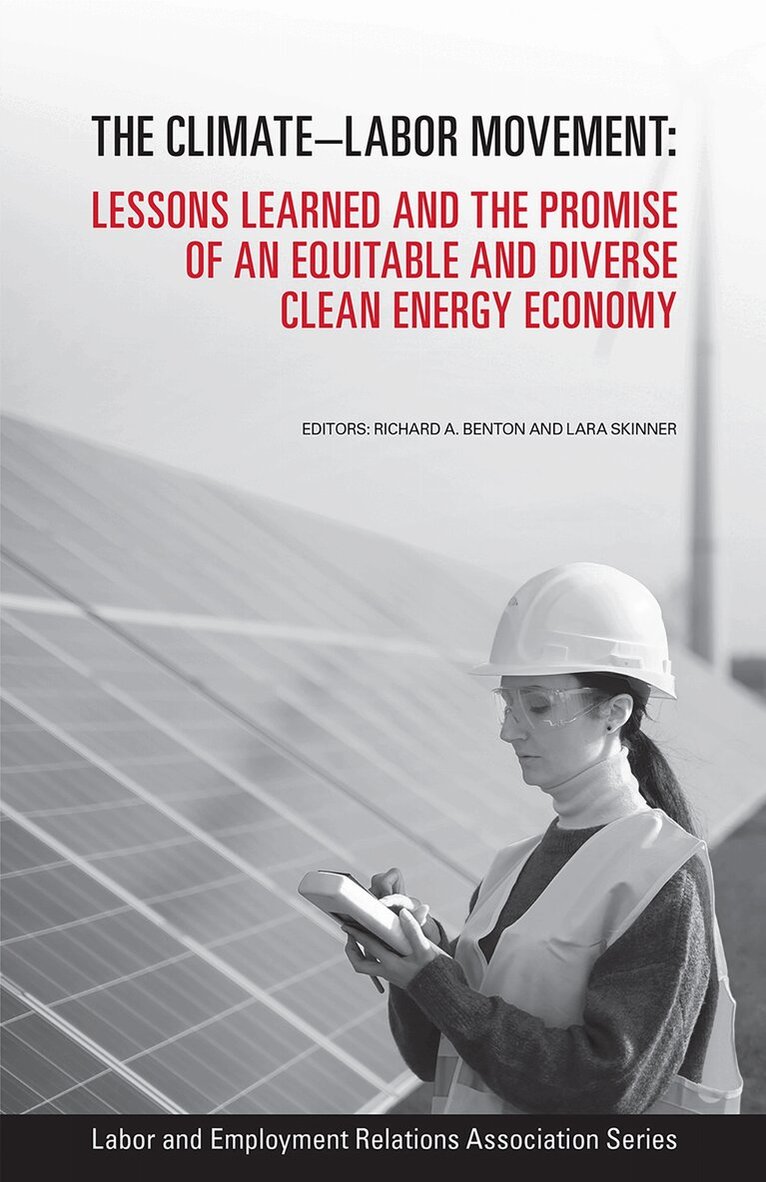
Climate-Labor Movement
Lessons Learned and the Promise of an Equitable and Diverse Clean Energy Economy
Häftad, Engelska, 2025
415 kr
Skickas inom 7-10 vardagar
Climate change is the defining challenge of our time. It poses an existential threat to humanity and the planet, as well as a profound social and economic crisis for millions of workers and communities. To address this challenge, we need a radical transformation of our energy system, our infrastructure, our industries, and our consumption patterns. We need a just transition that ensures a fair and equitable future for all.This transition will require massive investments in clean and renewable energy sources, public transportation, energy efficiency, waste management, ecosystem restoration, and adaptation measures. It will also create millions of new jobs across sectors and regions – jobs that can contribute to solving the climate crisis while improving the lives and livelihoods of workers and their families. However, not all climate jobs are created equally. Some may be precarious, low-paid, unsafe, or socially undesirable. Some may displace or disrupt existing workers and communities, especially those dependent on fossil fuels and other high-emitting sectors. Some may reproduce or exacerbate existing inequalities based on class, race, gender, or geography. Therefore, it is not enough to create more climate jobs – we need to create better climate jobs. We need to ensure that climate jobs are secure, community sustaining, and democratic, and that they advance the goals of social and environmental justice.This volume brings together researchers, activists, and practitioners from different disciplines and regions to explore the concept, potential, and challenges of climate jobs. Drawing on case studies from various sectors, the contributors examine how climate jobs can be created, protected, and expanded in the context of the global climate crisis and the changing world of work. They also discuss how climate jobs can be integrated into broader strategies for climate action and social transformation. The volume aims to provide a comprehensive and critical perspective on climate jobs and to inspire further debate and action on this vital topic.
2 150 kr
Skickas inom 10-15 vardagar
This monograph takes up recent advances in social network methods in sociology, together with data on economic segregation, in order to build a quantitative analysis of the class and network effects implicated in vowel change in a Southern American city.Studies of sociolinguistic variation in urban spaces have uncovered durable patterns of linguistic difference, such as the maintenance of blue collar/white collar distinctions in the case of stable linguistic variables. But the underlying interactional origins of these patterns, and the interactional reasons for their durability, are not well understood, due in part to the near-absence of large-scale network investigation. This book undertakes a sociolinguistic network analysis of data from the Raleigh corpus, a set of conversational interviews collected form natives of Raleigh, North Carolina, from 2008-2017. Acoustic analysis of the corpus shows the rapid, ongoing retreat from the Southern Vowel Shift and increasing participation in national vowel changes. The social distribution of these trends is explored via standard social factors such as occupation as well as innovative network variables, including a measure of nestedness in the community network. The book aims to pursue new network-based questions about sociolinguistic variation that can be applied to other corpora, making this key reading for students and researchers in sociolinguistics and historical linguistics as well as those interested in further understanding how existing quantitative network methods from sociological research might be applied to sociolinguistic data.