Richard A. Fortey – författare
Visar alla böcker från författaren Richard A. Fortey. Handla med fri frakt och snabb leverans.
6 produkter
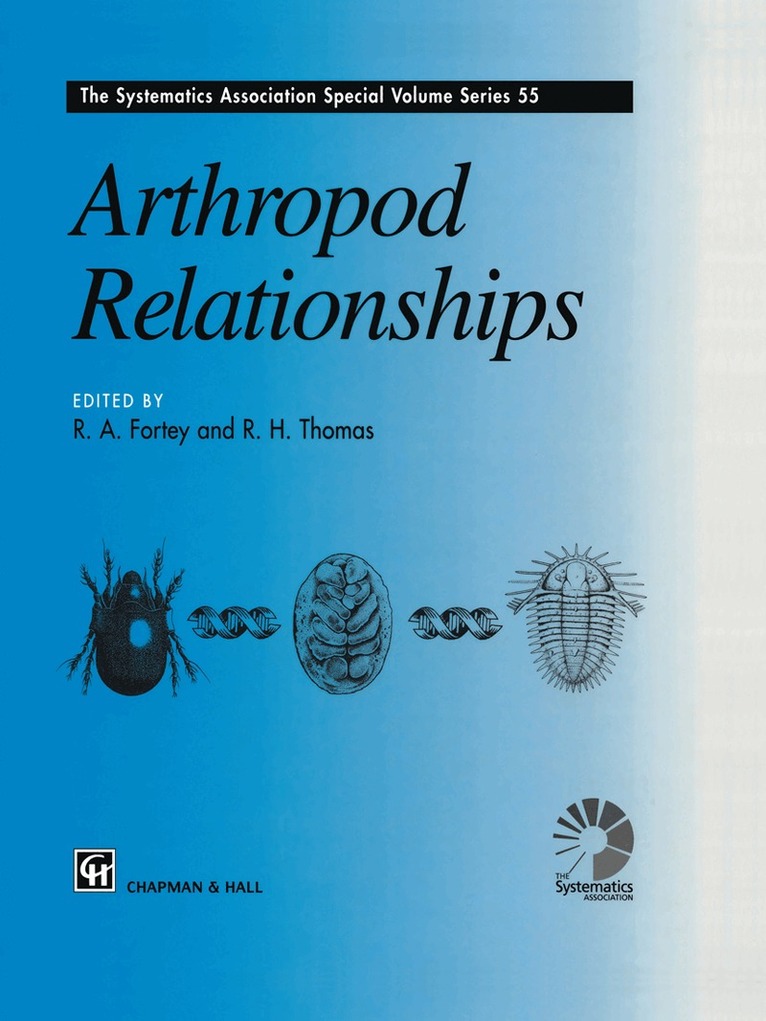
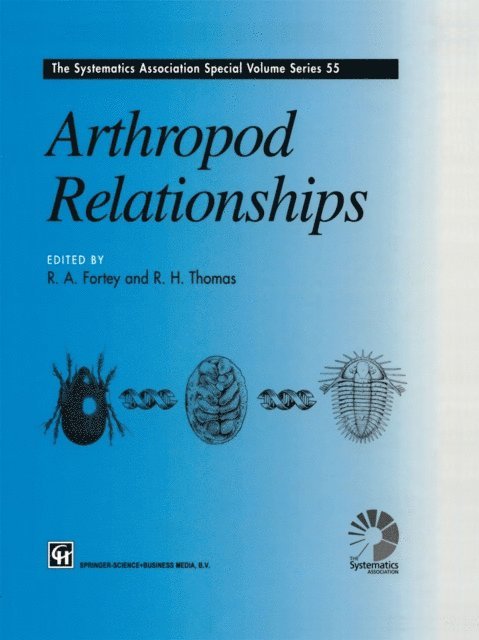
Arthropod Relationships
Av Richard A. Fortey, Richard H. Thomas
Inbunden, 1997
2182 kr
Lägg i varukorg
The arthropods contain more species than any other animal group, but the evolutionary pathways which led to their current diversity are still an issue of controversy. Arthropod Relationships provides an overview of our current understanding, responding to the new data arising from sequencing DNA, …
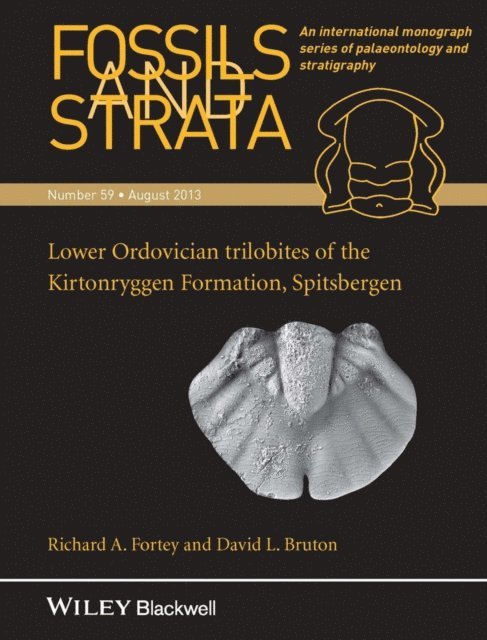
Lower Ordovician trilobites of the Kirtonryggen Formation, Spitsbergen
Av David L. Bruton, Richard A. Fortey
E-bok, 2013
637 kr
Lägg i varukorg
This monograph describes early Ordovician (Ibexian: Tremadocian–early Floian) trilobites from Northern Spitsbergen from the section through the Kirtonryggen Formation adjacent to Hinlopen Strait. The Formation is divided into three Members, each with distinct trilobites collectively representing …
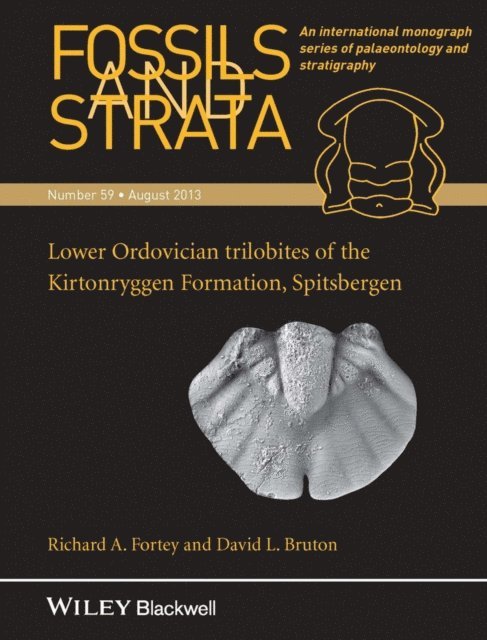
Lower Ordovician trilobites of the Kirtonryggen Formation, Spitsbergen
Av David L. Bruton, Richard A. Fortey
E-bok, 2013
624 kr
Lägg i varukorg
This monograph describes early Ordovician (Ibexian: Tremadocian–early Floian) trilobites from Northern Spitsbergen from the section through the Kirtonryggen Formation adjacent to Hinlopen Strait. The Formation is divided into three Members, each with distinct trilobites collectively representing …
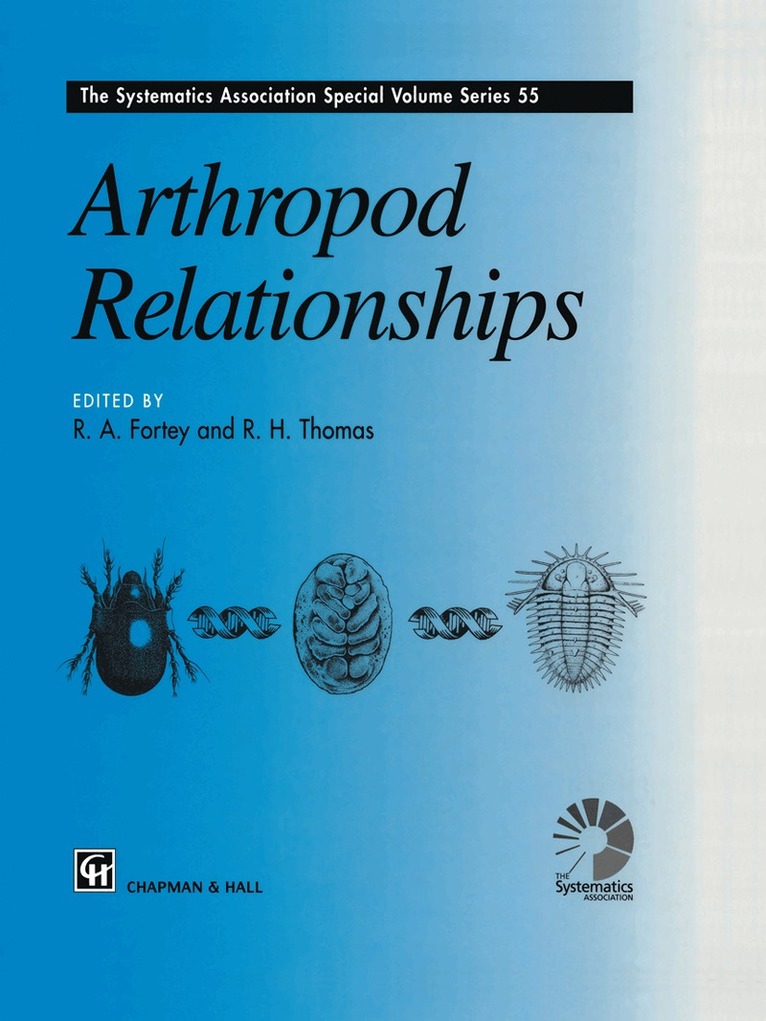
Arthropod Relationships
Av Richard A. Fortey, Richard H. Thomas
Häftad, 2012
2182 kr
Lägg i varukorg
The arthropods contain more species than any other animal group, but the evolutionary pathways which led to their current diversity are still an issue of controversy. Arthropod Relationships provides an overview of our current understanding, responding to the new data arising from sequencing DNA, …
Arthropod Relationships
Av Richard H. Thomas, Richard A. Fortey
E-bok, 2012
2925 kr
Lägg i varukorg
The arthropods contain more species than any other animal group, but the evolutionary pathways which led to their current diversity are still an issue of controversy. Arthropod Relationships provides an overview of our current understanding, responding to the new data arising from sequencing DNA, …
Lower Ordovician trilobites of the Kirtonryggen Formation, Spitsbergen
Av Richard A. Fortey, David L. Bruton
Häftad, 2013
403 kr
Tillfälligt slut
This monograph describes early Ordovician (Ibexian: Tremadocian–early Floian) trilobites from Northern Spitsbergen from the section through the Kirtonryggen Formation adjacent to Hinlopen Strait. The Formation is divided into three Members, each with distinct trilobites collectively representing …