Richard H. Zimmerman – författare
Visar alla böcker från författaren Richard H. Zimmerman. Handla med fri frakt och snabb leverans.
4 produkter
4 produkter
2 117 kr
Skickas inom 10-15 vardagar
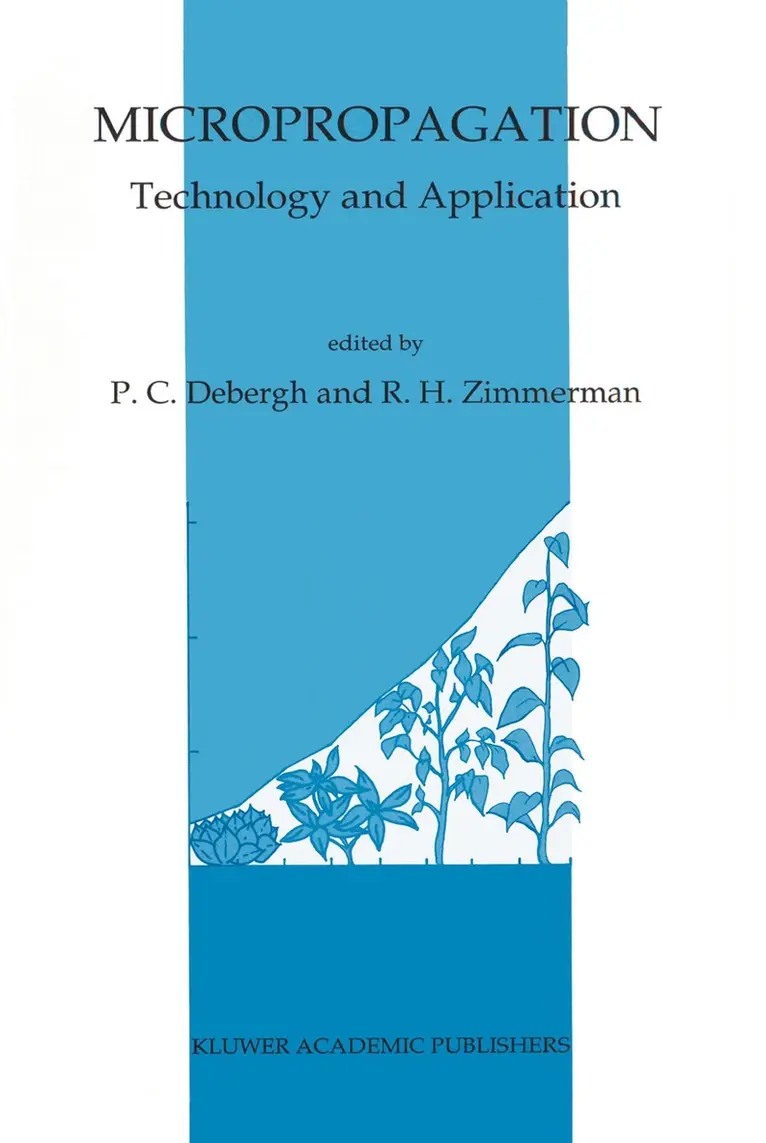
Micropropagation is a technology that has developed within the past 30 years. Earlier overviews of plant tissue culture have reviewed micropropagation as just one of many tissue culture procedures in use. Since the applications of this technology have multiplied so rapidly in recent years, we decided that a specific overview of the technology was now appropriate Our book begins with a review of the general principles of tissue culture as applied to micropropagation. This review is concise since the general topic has been covered in numerous other books and reviews. The basic principles of laboratory design and construction are summarized in the second chapter. Common problems encountered in micropropagation, both during and after culture, are examined in detail in four chapters. As micropropagation developed from a laboratory curiosity to a commercial industry, different considerations became important. These are discussed in two chapters. An attempt has been made to assess the current status of commercial production around the world. This has been difficult because commercial production figures are often closely guarded and little has been done to collect statistics on this growing industry. Applications to a broad range of crops are discussed in a series of chapters. These try to report the state of the art in each area, but since applications for some crops are much more advanced than for others, the focus of these chapters varies depending upon the progress that has been made.
2 328 kr
Skickas inom 10-15 vardagar
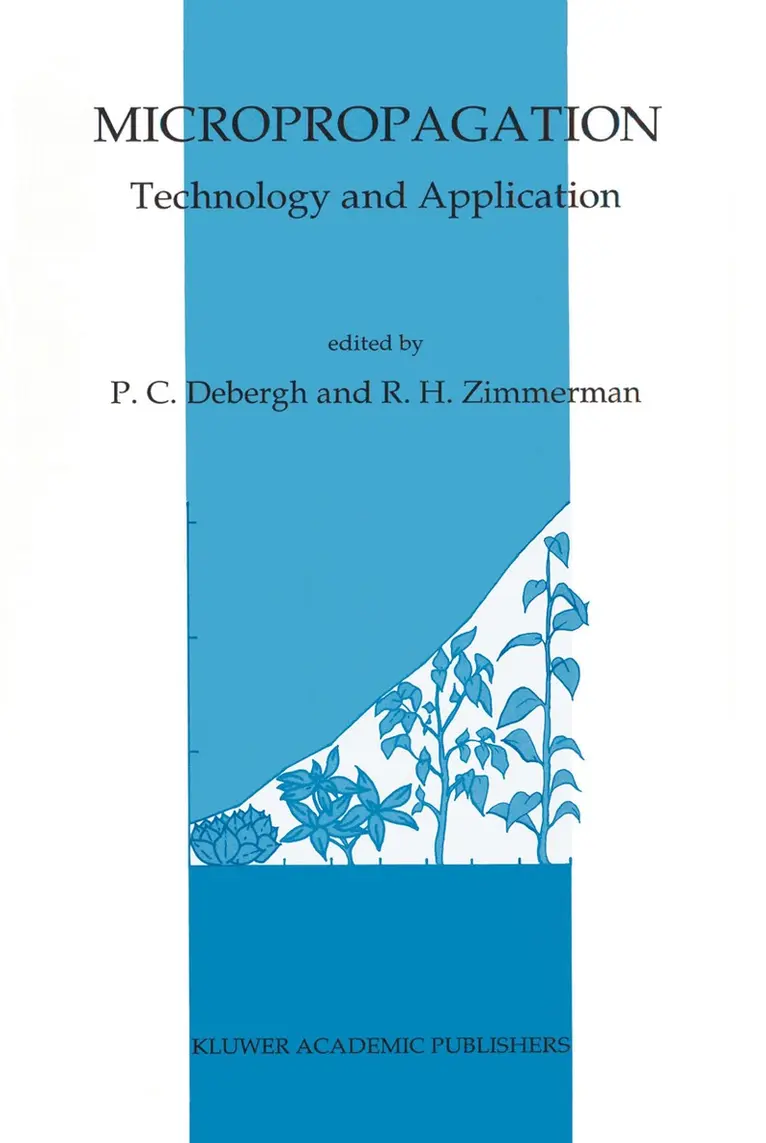
Micropropagation is a technology that has developed within the past 30 years. Earlier overviews of plant tissue culture have reviewed micropropagation as just one of many tissue culture procedures in use. Since the applications of this technology have multiplied so rapidly in recent years, we decided that a specific overview of the technology was now appropriate Our book begins with a review of the general principles of tissue culture as applied to micropropagation. This review is concise since the general topic has been covered in numerous other books and reviews. The basic principles of laboratory design and construction are summarized in the second chapter. Common problems encountered in micropropagation, both during and after culture, are examined in detail in four chapters. As micropropagation developed from a laboratory curiosity to a commercial industry, different considerations became important. These are discussed in two chapters. An attempt has been made to assess the current status of commercial production around the world. This has been difficult because commercial production figures are often closely guarded and little has been done to collect statistics on this growing industry. Applications to a broad range of crops are discussed in a series of chapters. These try to report the state of the art in each area, but since applications for some crops are much more advanced than for others, the focus of these chapters varies depending upon the progress that has been made.
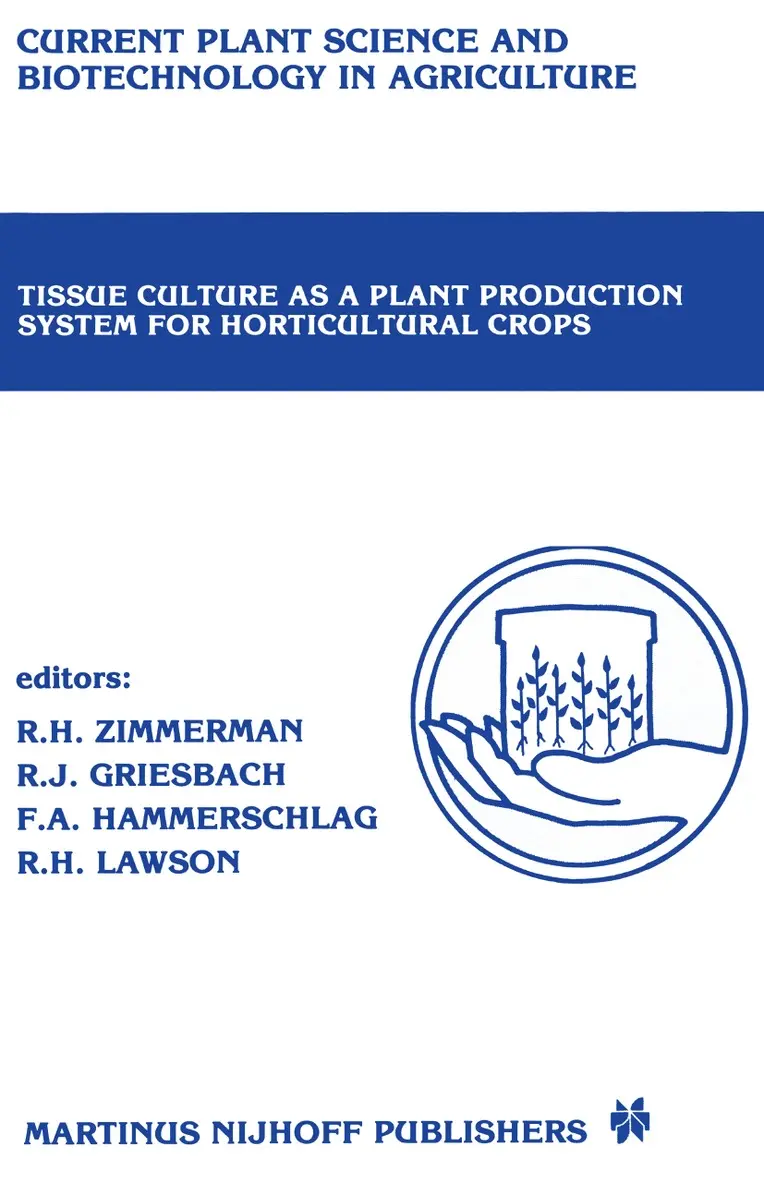
Tissue culture as a plant production system for horticultural crops
Conference on Tissue Culture as a Plant Production System for Horticultural Crops, Beltsville, MD, October 20–23, 1985
Inbunden, Engelska, 1986
2 117 kr
Skickas inom 10-15 vardagar
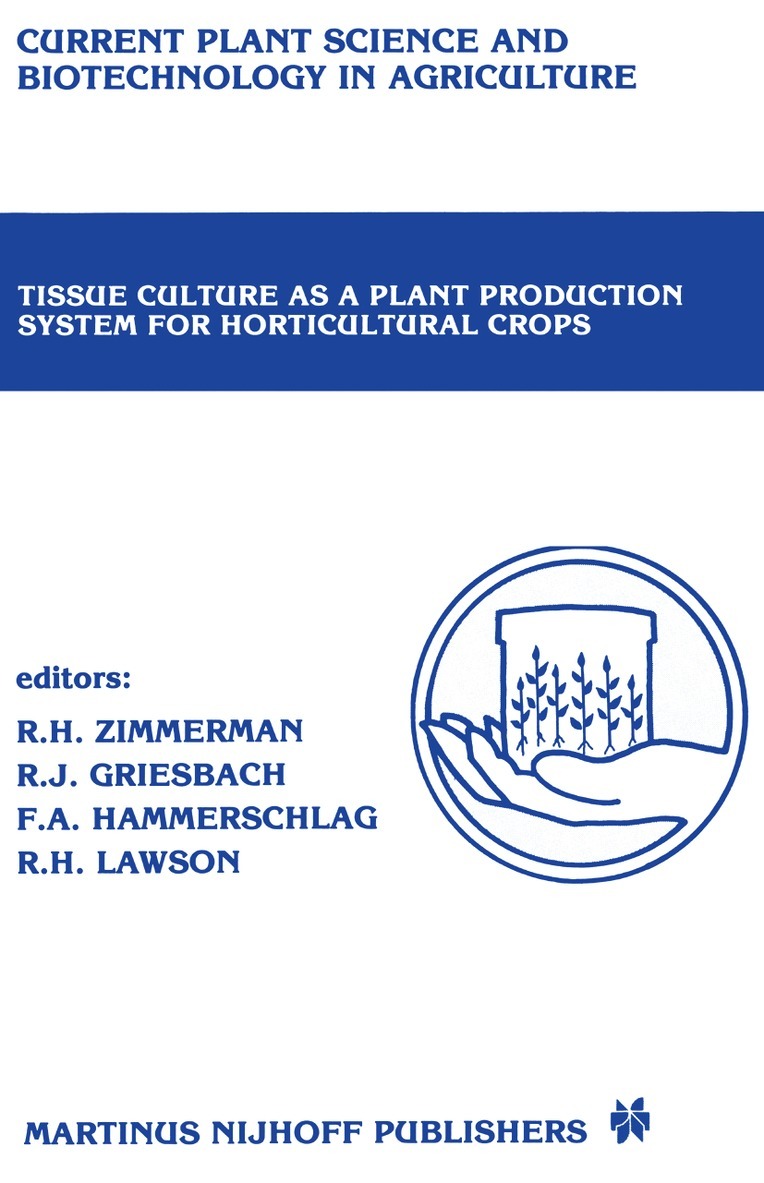
In 1980, a conference on tissue culture of fruit crops was held at Beltsville to summarize the current status of this technology and to stimulate interest in it among research scientists, students, and commercial producers in the U. S. Interest in that conference and the proceedings from it far exceeded the expectations of the organizing committee. Since that time, micropropagation of fruit crops in the U. S. has increased significantly, but still lags far behind applications to production of ornamental plants. Within the past two years, a number of new laboratories have been established and some of the existing laboratories have expanded to a size far larger than any previously anticipated. Creation of new laboratories capable of producing more than 400,000 plants per week will test the ingenuity of laboratory managers and the skills of marketing departments. In recent years, numerous symposia have been held on various aspects of biotechnology and genetic engineering. Although micro propagation is the key to providing large numbers of genetically engineered plants, it is a topic that has been relegated to a minor position, or ignored completely, at such meetings. Accordingly, the time seemed propitious for a conference devoted solely to all aspects of micropropagation as applicable to horticultural crops.
Tissue culture as a plant production system for horticultural crops
Conference on Tissue Culture as a Plant Production System for Horticultural Crops, Beltsville, MD, October 20–23, 1985
Häftad, Engelska, 2014
2 328 kr
Skickas inom 10-15 vardagar
In 1980, a conference on tissue culture of fruit crops was held at Beltsville to summarize the current status of this technology and to stimulate interest in it among research scientists, students, and commercial producers in the U. S. Interest in that conference and the proceedings from it far exceeded the expectations of the organizing committee. Since that time, micropropagation of fruit crops in the U. S. has increased significantly, but still lags far behind applications to production of ornamental plants. Within the past two years, a number of new laboratories have been established and some of the existing laboratories have expanded to a size far larger than any previously anticipated. Creation of new laboratories capable of producing more than 400,000 plants per week will test the ingenuity of laboratory managers and the skills of marketing departments. In recent years, numerous symposia have been held on various aspects of biotechnology and genetic engineering. Although micro propagation is the key to providing large numbers of genetically engineered plants, it is a topic that has been relegated to a minor position, or ignored completely, at such meetings. Accordingly, the time seemed propitious for a conference devoted solely to all aspects of micropropagation as applicable to horticultural crops.